
For the Finnish biathlon star Tero Seppala, the past several months have functioned as an emotional and physical crucible. While the professional demands of elite-level biathlon have tested his limits through a series of debilitating injuries, the 30-year-old athlete has found a profound sense of stability in his private life. On September 26, Seppala entered a new chapter, marrying his long-term partner, Nea Heilala, in an intimate, secret ceremony that he credits as a crucial source of resilience during an otherwise turbulent year.
The wedding, which took place after a seven-year courtship, was kept strictly confidential for several weeks. Seppala, known for his reserved demeanor, emphasized that the decision to keep the event private was intended to preserve the sanctity of the occasion. The ceremony was captured by the lens of Lauri Vuorinen, the Finnish cross-country skiing standout and recent world championship bronze medalist in the Trondheim sprint, who maintains a professional interest in photography.
A Chronology of Physical Adversity
The serenity of his marriage stands in stark contrast to the physical toll Seppala has endured since the conclusion of the 2025-2026 season. His recent history serves as a cautionary tale regarding the fragility of an elite athlete’s body and the thin margin between success and prolonged rehabilitation.
The catalyst for this cycle of misfortune occurred in March during the season-ending World Cup finals at the iconic Holmenkollen venue in Oslo. During the competition, Seppala suffered a severe fall, an accident that resulted in a fracture and a ruptured muscle in his right armpit. The injury was not merely a temporary setback; it required two months of intensive medical intervention and complete rest, effectively halting his training momentum during a critical developmental phase.
The recovery process was methodical, yet the transition back to high-intensity training proved hazardous. In August, while participating in a joint training camp with the French national team—an environment designed to foster high-performance through shared expertise—Seppala suffered a secondary injury. This time, he developed a significant overuse injury in his left foot, further complicating his preparation for the upcoming winter. It is only in the final weeks leading up to the 2026-2027 season opener that Seppala has finally been declared fully recovered and ready to resume a standardized training regimen.
Technical Adjustments and Coaching Dynamics
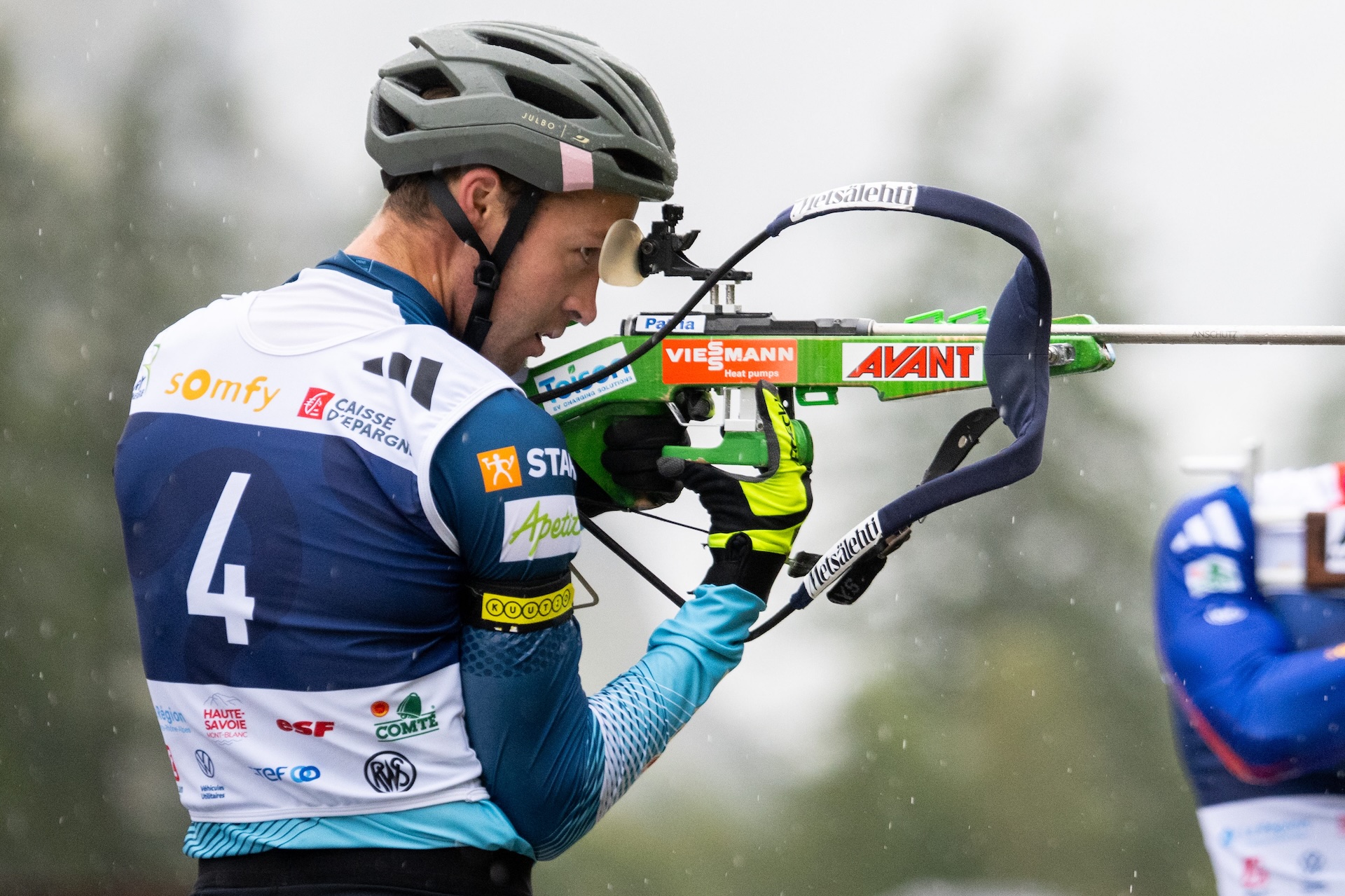
Seppala’s professional journey is uniquely structured, characterized by a dual-coaching influence. While he remains under the general oversight of the Finnish national team, led by the Norwegian coach Erik Kulstad, he continues to work extensively with the veteran Russian trainer Anatoly Hovantsev. Hovantsev’s role as a personal coach remains a focal point of Seppala’s technical refinement, particularly as he aims to address the primary deficiency in his performance profile: consistency on the shooting range.
Despite being recognized as one of the fastest skiers on the international circuit, Seppala’s transition to the standing and prone positions has historically fluctuated. During the previous season, his shooting accuracy hovered around 80 percent. In the competitive landscape of the IBU World Cup, where elite podium contenders typically maintain accuracy rates of 90 percent or higher, this 10-point gap is the difference between a top-10 finish and a mid-pack result.
The physical injuries have necessitated a shift in his training philosophy. "The fact is that I have been forced to modify my training significantly," Seppala noted in a recent interview with the Finnish media outlet Iltalehti. By shifting his training loads and adjusting the volume of high-intensity shooting drills to accommodate his recovering musculature, Seppala is attempting to optimize his performance for the upcoming season without risking a relapse of his injuries.
Statistical Context and Career Outlook
Seppala’s performance metrics over the last cycle highlight the potential he possesses when healthy. Finishing 23rd in the 2025-2026 World Cup standings, he demonstrated his ability to compete with the sport’s elite, with a career-best 15th-place finish at the Milan/Cortina Olympic Games providing a benchmark for his capabilities.
The upcoming 2026-2027 season, which officially commences in Kontiolahti on November 26, represents a critical juncture. The Finnish audience will be looking for a resurgence, particularly as the opening rounds take place on home soil. For Seppala, the transition from the "nightmare" of his injury-plagued spring and summer to the start of the competition season is being managed with a new perspective on work-life integration.
"I have a partner with whom I can share both joys and sorrows," Seppala said. "When I was younger, I would call my parents immediately if I encountered trouble. Now, my wife is the first person I reach out to." This shift in emotional support infrastructure is viewed by sports psychologists as a critical asset for athletes navigating the high-pressure, high-stress environment of professional winter sports.
Broader Implications for the Finnish Team
The Finnish biathlon program faces significant pressure to perform, and Seppala’s status as a top-tier athlete makes him central to the team’s prospects. His injury history has highlighted the need for better monitoring of athlete training loads during the transition from competition to off-season blocks.
The inclusion of international coaching expertise, such as the continued collaboration with Hovantsev, underscores a strategic attempt to bridge the gap between Finnish performance levels and the dominance of nations like Norway, France, and Germany. The focus on shooting accuracy is not merely an individual goal for Seppala; it is an organizational imperative for the Finnish team, which seeks to capitalize on the home-field advantage in Kontiolahti to kickstart momentum for the season.
Analysts suggest that the first three stages of the World Cup will serve as a litmus test for the effectiveness of Seppala’s adjusted training. If the 30-year-old can maintain his signature speed while achieving a 5–8 percent increase in shooting efficiency, he remains a viable candidate for consistent top-15 finishes. However, the shadow of his recent injuries means that the coaching staff will likely exercise caution regarding his total race volume in the early stages of the winter.
Conclusion: A New Foundation
As the winter season looms, Tero Seppala approaches the starting gate with a complex mixture of professional uncertainty and personal fulfillment. The injuries sustained in Oslo and during the summer camp have provided a harsh reality check, forcing him to reconstruct his training methodology from the ground up. Yet, the support of his wife, Nea, and the quiet celebration of their wedding have provided a much-needed psychological anchor.
For Seppala, the sport of biathlon is no longer just about the relentless pursuit of seconds on the track or accuracy on the range. It has evolved into a discipline that requires a holistic approach to wellbeing. Whether this new balance will manifest in improved results on the snow remains to be seen, but for the Finnish star, the path forward is clearer than it has been in months. With the World Cup season fast approaching, the focus now shifts from rehabilitation to the realization of the goals he has set for this pivotal year in his career. The world will be watching in Kontiolahti to see if this period of personal growth and professional adjustment translates into the performance results he and his team are striving for.

