
The permanent suspension of summer skiing operations on the Horstman Glacier at Whistler Blackcomb marks a definitive turning point for the North American winter sports industry, signaling an era where climate change is no longer a projected threat but a present reality. For Mike Douglas, a professional skier and Salomon brand ambassador often referred to as the "Godfather of Freeskiing," the loss of the glacier is a personal and professional milestone that underscores three decades of environmental transformation. When Douglas arrived at Whistler Blackcomb in the 1990s to train and work, the Horstman Glacier was a perennial training ground, a high-altitude laboratory where the foundations of modern freestyle skiing were laid. Today, that laboratory has effectively closed its doors, as receding ice levels and thinning snowpacks have rendered summer operations unsustainable. This localized ecological collapse has catalyzed a broader movement within the outdoor industry, led by partnerships between major manufacturers like Salomon and advocacy groups such as Protect Our Winters (POW), to transition from passive awareness to aggressive corporate and legislative action.
The Historical Context of the Horstman Glacier Decline
To understand the gravity of the current situation, one must look at the historical significance of the Horstman Glacier within the global skiing community. Throughout the 1980s and 1990s, the glacier was one of the few locations in North America that offered reliable summer skiing, attracting national teams and amateur enthusiasts from around the world. It served as a critical hub for the development of "New School" skiing, a movement Douglas helped pioneer. However, the environmental stability that allowed for year-round snow access has eroded rapidly over the last thirty years.
The decision by Whistler Blackcomb to suspend summer skiing operations indefinitely was the culmination of a decade of increasingly difficult seasons. In the 1990s, the glacier’s ice was thick enough to support T-bar lifts and massive snow parks well into August. By the mid-2010s, the resort was forced to use snowmaking and "snow farming" techniques—moving massive amounts of snow with groomers to insulate the ice—to maintain a viable surface. By 2023, the retreat of the glacier had reached a point where the infrastructure could no longer be safely maintained, and the environmental cost of preserving a skiable surface outweighed the operational benefits. This timeline reflects a broader trend across Western Canada, where glaciers are losing mass at rates not seen in thousands of years.
Scientific Data and the Shrinking Snowpack
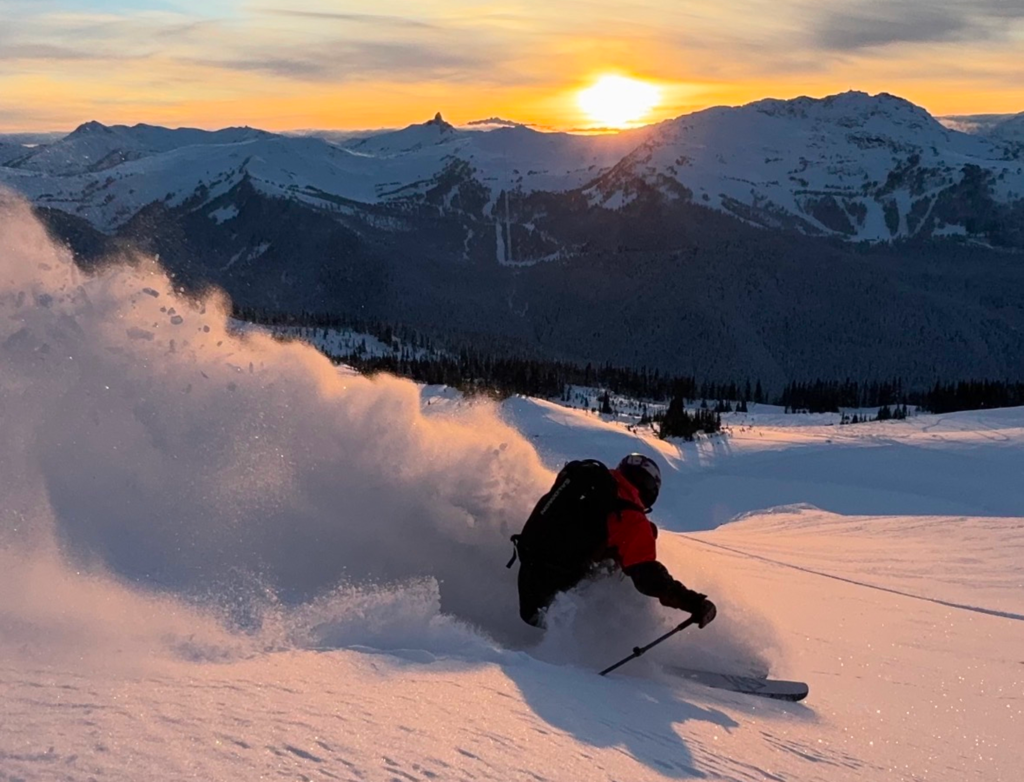
The disappearance of summer skiing on the Horstman Glacier is supported by a wealth of glaciological data. According to studies conducted by the University of Northern British Columbia and various federal environmental agencies, glaciers in Western Canada are currently losing approximately 22 billion tonnes of ice annually. Climate models suggest that if current warming trends continue, up to 80% of the mountain glaciers in Alberta and British Columbia could disappear by the year 2100.
This loss is not limited to the ice itself but extends to the seasonal snowpack that feeds these alpine systems. The Pacific Northwest has seen a documented shift in winter precipitation patterns, with a higher percentage of moisture falling as rain rather than snow at lower and mid-mountain elevations. For the ski industry, this results in shorter seasons and a "snow drought" that impacts both the ecological health of the mountains and the economic viability of mountain resorts. The outdoor industry, which contributes billions of dollars to the North American GDP, is uniquely vulnerable to these shifts, as its entire business model is predicated on predictable winter weather patterns.
Salomon’s Strategic Shift Toward Responsible Manufacturing
In response to these environmental pressures, Salomon, a global leader in winter sports equipment, has undergone a fundamental shift in its corporate strategy. Recognizing that the manufacturing of skis, boots, and technical apparel is an energy-intensive process that contributes to the very carbon emissions threatening the industry, the brand has implemented a comprehensive sustainability roadmap. This initiative, often referred to under the "Change is our Nature" banner, focuses on three primary pillars: product circularity, supply chain transparency, and carbon footprint reduction.
One of the most significant developments in Salomon’s hardware division is the move toward a circular economy. Traditionally, ski equipment has been notoriously difficult to recycle due to the complex bonding of plastics, metals, and resins. Salomon has invested heavily in Research and Development (R&D) to create products that can be disassembled and repurposed at the end of their lifecycle. This includes the development of the "Index.01" and subsequent models, which are designed to be ground down and used in the construction of new ski boot shells.
Furthermore, the brand has committed to reducing its absolute carbon emissions by 30% by 2030, a goal that requires a total overhaul of its logistics and manufacturing facilities in Annecy, France, and across its global supply chain. By utilizing recycled materials in ski bases and bio-sourced resins in cores, Salomon is attempting to prove that high-performance equipment can coexist with environmental stewardship.
The Role of Athlete Advocacy and Protect Our Winters
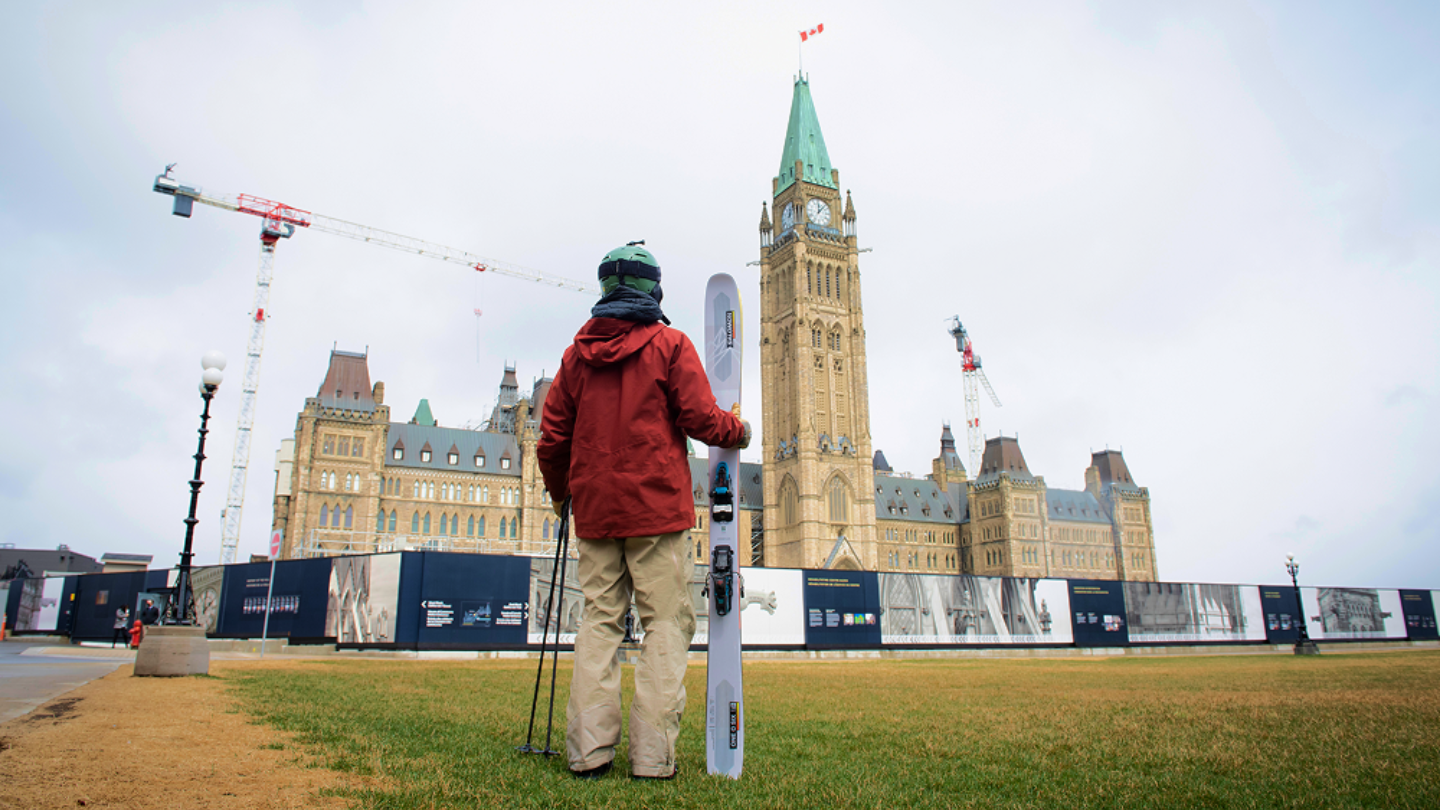
While corporate changes are essential, the influence of professional athletes like Mike Douglas provides the cultural leverage necessary to drive broader societal change. Douglas, who has been a member of the POW Canada Alliance since 2018, views his role as a bridge between the technical world of manufacturing and the passionate community of outdoor enthusiasts. Athletes possess a unique form of "social capital"; they are witnesses to the changing landscape and can communicate the urgency of the climate crisis to audiences that might otherwise be indifferent to scientific reports.
The partnership between Salomon and Protect Our Winters (POW) represents a move away from traditional "greenwashing" toward systemic advocacy. Rather than focusing solely on individual consumer choices, the POW x Salomon collaboration emphasizes legislative change. This includes training athletes to meet with lawmakers, supporting clean energy initiatives at the regional level, and using marketing platforms to encourage the skiing community to engage in the democratic process.
"Advocacy is the biggest move brands can play," Douglas noted, emphasizing that while recycled skis are a positive step, the scale of the problem requires policy-level solutions. This sentiment is echoed by POW leadership, who argue that the outdoor industry must leverage its massive economic footprint to lobby for climate-positive legislation, much like other industries lobby for their own interests.
Industry-Wide Implications and the Future of Mountain Culture
The challenges facing Salomon and Whistler Blackcomb are emblematic of a wider crisis across the outdoor sector. Competitors such as Rossignol, Atomic, and Burton have also begun implementing sustainability protocols, signaling an industry-wide recognition that the status quo is no longer tenable. The "green race" is no longer just about branding; it is about ensuring the survival of the sport itself.
The implications of a vanishing snowpack extend far beyond the loss of a summer skiing venue. Mountain towns that rely on winter tourism face significant economic instability. As glaciers disappear, regional water security is also threatened, as glacial meltwater is a critical source for river systems during dry summer months. The loss of the Horstman Glacier’s summer operations is therefore a "canary in the coal mine" for the broader socio-economic health of alpine regions.
However, there is a burgeoning sense of optimism rooted in collective action. The transition to renewable energy, the advancement of material science, and the increasing political engagement of the outdoor community provide a roadmap for resilience. The "Quality Ski Time" (QST) tour, supported by Salomon, serves as a platform to educate skiers on how they can contribute to climate solutions while still celebrating the joy of the sport.

Conclusion: A Closing Window for Action
The story of Mike Douglas and the Horstman Glacier is a narrative of transition—from the carefree "powder days" of the 1990s to the sober, action-oriented reality of the 2020s. The indefinite closure of summer skiing at Whistler Blackcomb is a stark reminder that the natural world is reacting to human activity in real-time. The outdoor industry, led by brands like Salomon and advocates like Douglas, is now at the forefront of a movement to restore the balance between consumption and conservation.
As Douglas succinctly stated, the window for meaningful action is closing. The shift toward responsible manufacturing and aggressive climate advocacy is no longer an optional component of a business plan; it is a prerequisite for any brand that wishes to remain relevant in a warming world. The disappearance of the ice on the Horstman Glacier cannot be reversed in the short term, but the industry’s response to that loss will determine whether future generations will have the opportunity to experience the mountains as Douglas once did. The path forward requires an "all-hands-on-deck" approach, where corporate integrity, athlete influence, and community mobilization converge to protect the winters that define the outdoor experience.

