
For the most discerning and audacious skiers seeking to push the absolute limits of their abilities, California offers a hallowed ground at Palisades Tahoe. This renowned resort, a titan in the skiing world, seamlessly blends immense scale, exhilaratingly challenging terrain, and a storied legacy in the evolution of freeskiing. Palisades Tahoe boasts an expansive 6,000 skiable acres spread across eight distinct peaks, solidifying its global reputation for steep, sustained expert-level runs and its indelible mark on freeskiing history.
The Genesis of a Freeskiing Mecca
Palisades Tahoe, formerly known as Squaw Valley, has a history intertwined with the very fabric of extreme skiing. Established in 1949, its ascent to prominence accelerated when it hosted the VIII Winter Olympics in 1960, a watershed moment that brought international attention to its formidable slopes. This event not only showcased the resort’s potential but also laid the groundwork for its future as a proving ground for athletic prowess. Over the decades, the resort has cultivated an environment where daring skiers are drawn to its challenging topography, fostering a culture of innovation and pushing the boundaries of what is considered possible on skis. The consistent development of infrastructure, coupled with a deep understanding of the mountain’s inherent challenges, has ensured Palisades Tahoe remains at the forefront of extreme skiing destinations.
KT-22: The "Mothership" of Expert Terrain
Central to the Palisades Tahoe experience is the legendary KT-22 chairlift. This iconic lift is widely regarded as the pinnacle of lift design in North America, offering a near-perfect confluence of terrain quality, substantial vertical drop, unparalleled accessibility, and profound cultural significance. Skiers affectionately refer to KT-22 as "The Mothership," a moniker that aptly captures its essence: it’s akin to an entire world-class ski resort condensed onto a single lift line. From its summit, skiers are presented with approximately 2,000 vertical feet of expert-level terrain that has been the stage for countless iconic moments in freeskiing.
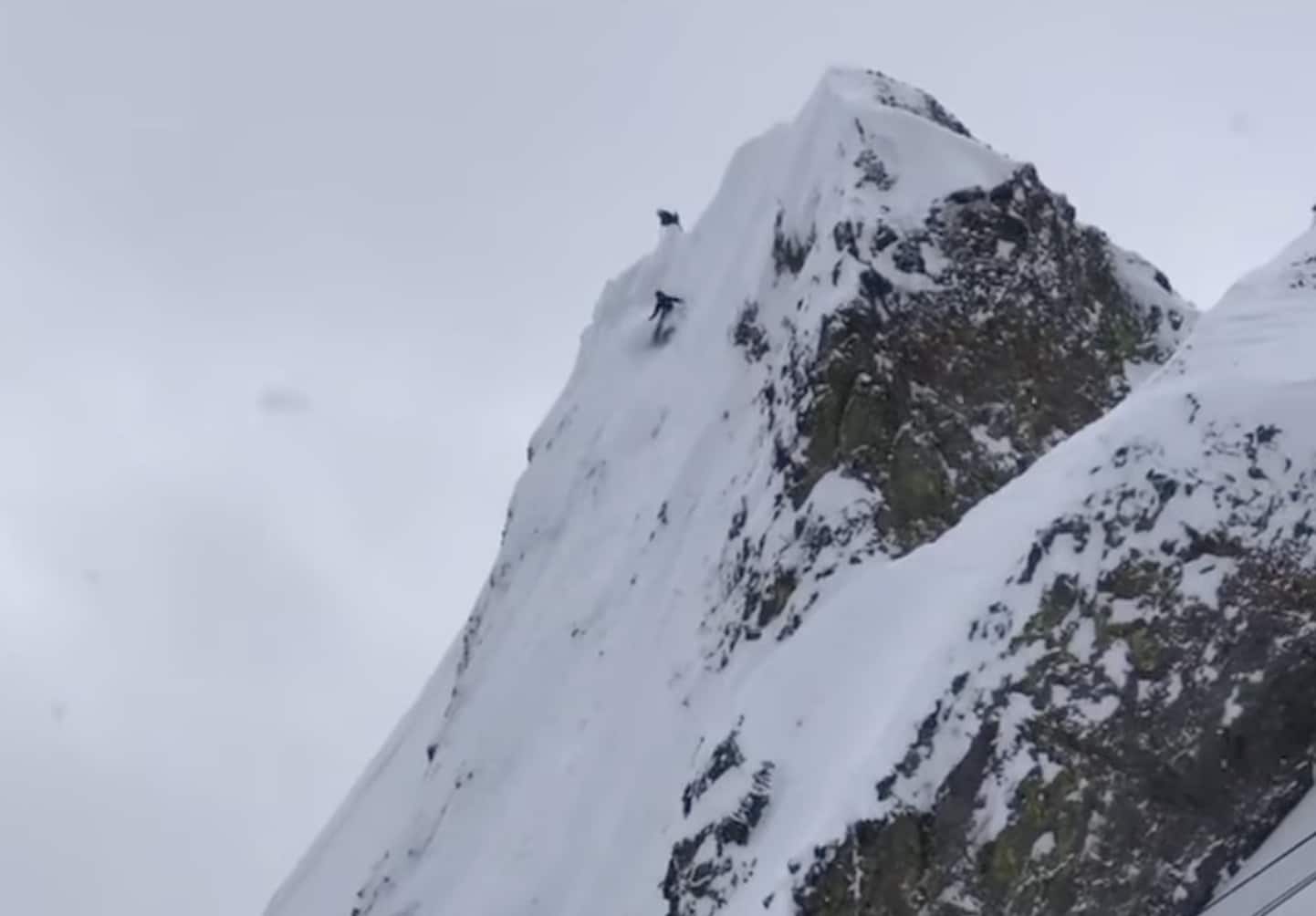
Among the most coveted and visually dramatic features accessible from KT-22 are "The Fingers," a formidable cliff band that transforms into a mecca for the valley’s most skilled skiers, particularly on powder days. The sheer audacity of the lines skied within The Fingers has been documented extensively, serving as an inspiration and benchmark for aspiring experts. The accessibility of such challenging terrain directly from a high-speed chairlift is a rare commodity, further cementing KT-22’s status.
The Eagle’s Nest: A Test of Courage and Skill
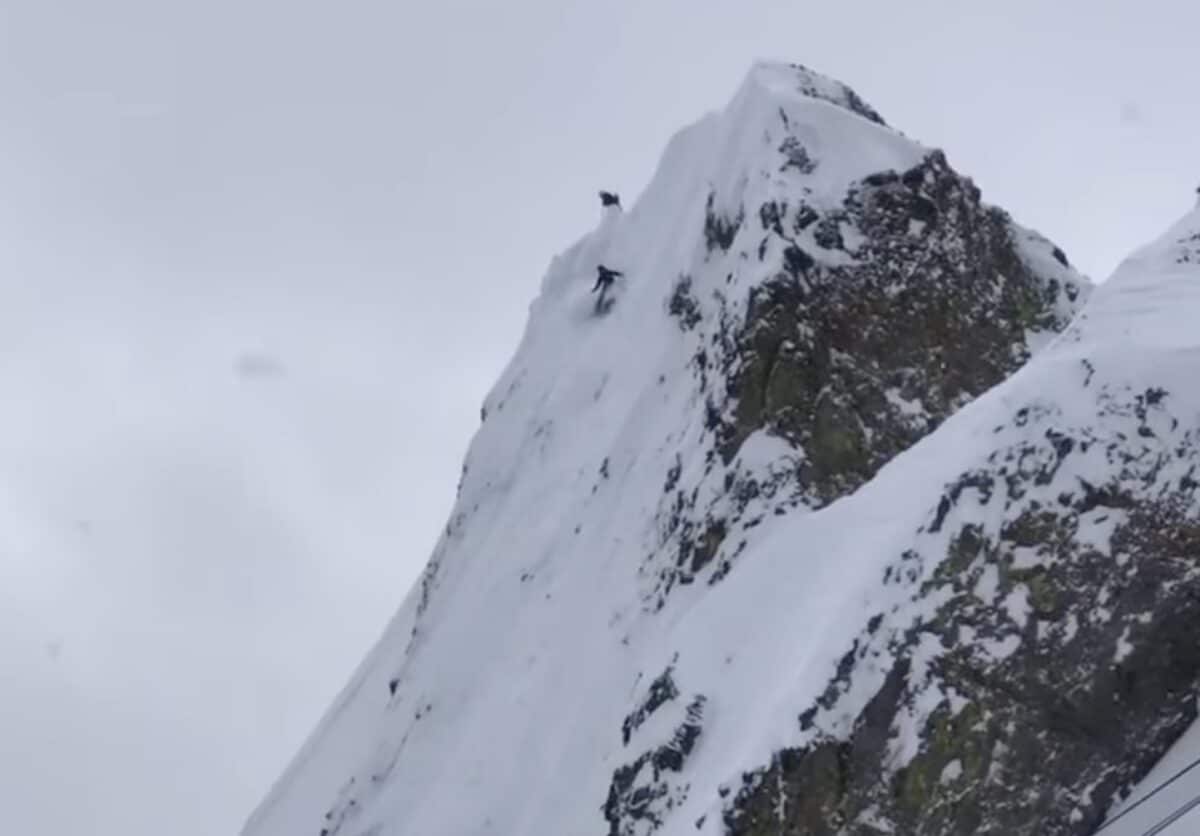
For those who seek an even more extreme challenge, a short hike from the KT-22 lift line leads to "The Eagle’s Nest," also known as "McConkey’s." This notorious feature is characterized by its vertigo-inducing 65-degree pitch, a steepness that demands unwavering commitment and exceptional technical skill. Named in honor of the legendary freeskiing pioneer Shane McConkey, The Eagle’s Nest represents a rite of passage for skiers aiming to conquer the most demanding descents. The risks are substantial, and the rewards – the exhilaration of a successful descent – are equally immense. The history of this feature is deeply rooted in McConkey’s own daring exploits, where he often pioneered and popularized extreme lines, inspiring a generation of skiers to explore the outer limits of the sport.
A Legacy Forged in Olympic Competition and Freeskiing Innovation
Palisades Tahoe’s historical significance extends beyond its challenging terrain. Its role as a host venue for the 1960 Winter Olympics provided a global platform, showcasing its potential and attracting skiers and snowboarders from around the world. This Olympic legacy, combined with the resort’s natural attributes, has fostered a unique culture of high-performance skiing. The resort’s terrain is a natural amphitheater for freeskiing, featuring steep chutes, massive cliff bands, and expansive bowls that allow for creative, high-speed lines. These characteristics are rarely found within the controlled boundaries of a typical ski resort, making Palisades Tahoe an exceptional destination for those who crave an untamed and challenging experience.
The evolution of freeskiing has seen significant contributions from athletes who honed their skills at Palisades Tahoe. The resort’s consistent snowfall and the presence of a high concentration of elite skiers create a dynamic environment where skills are continuously refined and new techniques are developed. This symbiotic relationship between the mountain and its athletes has cemented Palisades Tahoe’s status not just as a ski resort, but as a living testament to the progression of snow sports.
Data and Analytics of Extreme Terrain
Analyzing the characteristics of Palisades Tahoe’s expert terrain reveals several key factors contributing to its challenging reputation:
- Average Gradient: While specific data on every chute is not publicly available, the steepness of key areas like The Eagle’s Nest (65 degrees) and the general gradient of runs accessible from KT-22 indicate pitches often exceeding 45 degrees, which is considered extremely steep in skiing. For context, professional ski racing courses typically have maximum gradients in the range of 30-40 degrees.
- Vertical Feet: The KT-22 lift alone provides access to approximately 2,000 vertical feet of expert terrain. Considering the resort has eight peaks, the total available expert vertical feet across the entire mountain is significantly higher, offering sustained challenges for advanced skiers.
- Snowfall Statistics: Palisades Tahoe consistently ranks among the top resorts in North America for annual snowfall, with an average of over 400 inches per season. This consistent, deep snowpack is crucial for accessing and safely navigating steep, off-piste terrain, and for the development of the dynamic snow conditions that expert skiers often seek. The stability of this snowpack, when conditions are right, is a critical factor for those attempting challenging lines.
- Historical Data: The resort has been a focal point for extreme skiing competitions and film shoots for decades. Numerous professional ski films have featured segments filmed at Palisades Tahoe, showcasing the daring descents and highlighting the resort’s iconic features, further solidifying its global reputation.
Broader Impact and Implications
The existence of destinations like Palisades Tahoe has a profound impact on the sport of skiing. It serves as a beacon for aspiring experts, drawing them to the area to test their mettle and learn from the best. This concentration of talent fosters a unique community and drives innovation within the sport. Furthermore, the resort’s reputation attracts a significant segment of the ski tourism market, contributing to the local economy and supporting businesses that cater to the needs of advanced skiers.
The management and maintenance of such challenging terrain also present unique operational considerations. Palisades Tahoe employs highly skilled patrollers and avalanche technicians who are responsible for assessing snow stability, mitigating hazards, and ensuring the safety of skiers in these extreme environments. Their expertise is paramount in allowing access to these areas while managing inherent risks. The resort’s commitment to snow safety protocols is a crucial element in maintaining its reputation as a premier destination for expert skiers.
For skiers considering a visit to Palisades Tahoe with the intent of tackling its most challenging terrain, thorough preparation is essential. This includes not only possessing the requisite technical skills but also understanding avalanche awareness, mountain safety, and the importance of checking daily conditions. The resort’s offerings are designed for those who have dedicated years to honing their craft, and while the allure of extreme skiing is undeniable, respect for the mountain and its inherent dangers is paramount. Palisades Tahoe, with its legendary slopes and the formidable challenge of The Eagle’s Nest, stands as a testament to the enduring spirit of adventure in skiing, continually beckoning those who dare to push their limits.

