
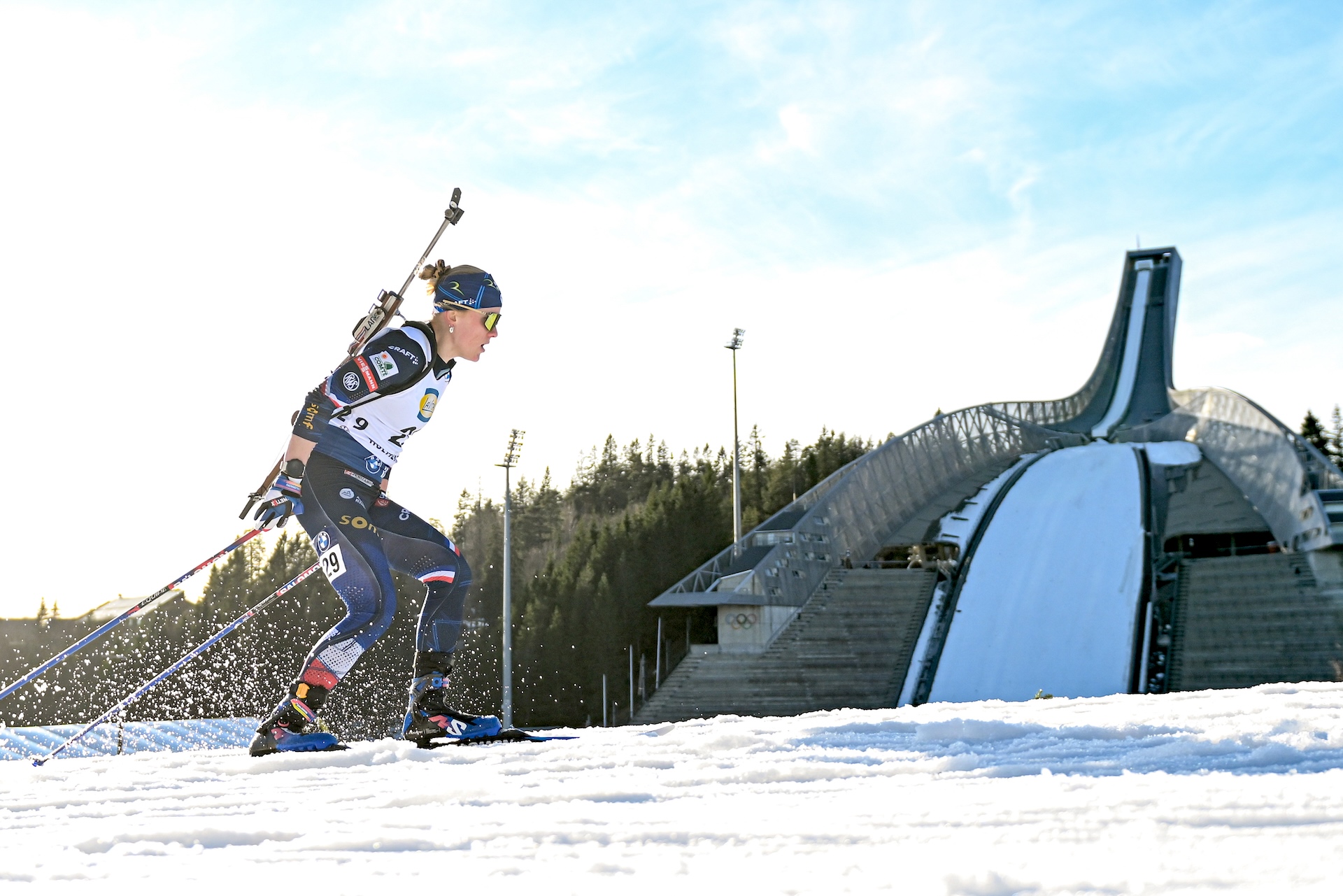
French biathlon sensation Sophie Chauveau, a celebrated European champion and rising star in the sport, has been forced to suspend her career indefinitely following a serious cycling accident. The incident, which occurred during a pre-season training session in Premanon in the Alps, has resulted in a significant concussion and a multitude of minor injuries, casting a shadow over her upcoming competitive year. Chauveau, who has quickly established herself as a formidable talent, was in the midst of the French national team’s initial preparations for the next season when the accident transpired.
The Accident and Immediate Aftermath
The incident took place last Friday as Chauveau was descending a road on her bicycle. According to her own account, shared on social media, a loose dog suddenly darted into the road directly in her path. The unexpected obstacle led to a violent collision, with Chauveau being thrown over the handlebars. She confirmed that she hit the ground headfirst, though fortunately, she was wearing a helmet, which likely mitigated more severe head trauma. The impact caused her to lose consciousness, and she was subsequently transported to a local hospital for immediate medical attention.
Initial examinations at the hospital revealed no severe fractures, a significant relief given the severity of the fall. However, the medical team diagnosed Chauveau with a "massive concussion," a condition known for its potentially prolonged recovery period. In addition to the concussion, she sustained "a lot of small injuries" that are contributing to her current physical discomfort and inability to train. The exact nature and extent of these minor injuries have not been fully detailed but are understood to be significant enough to impede her return to sport.
A Promising Career Interrupted
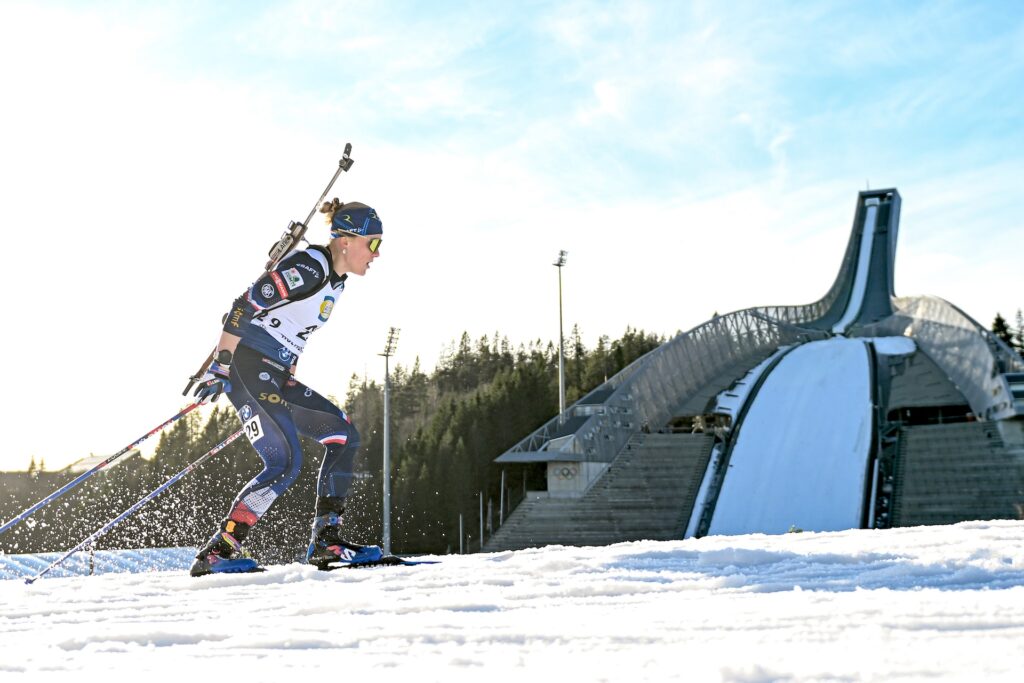
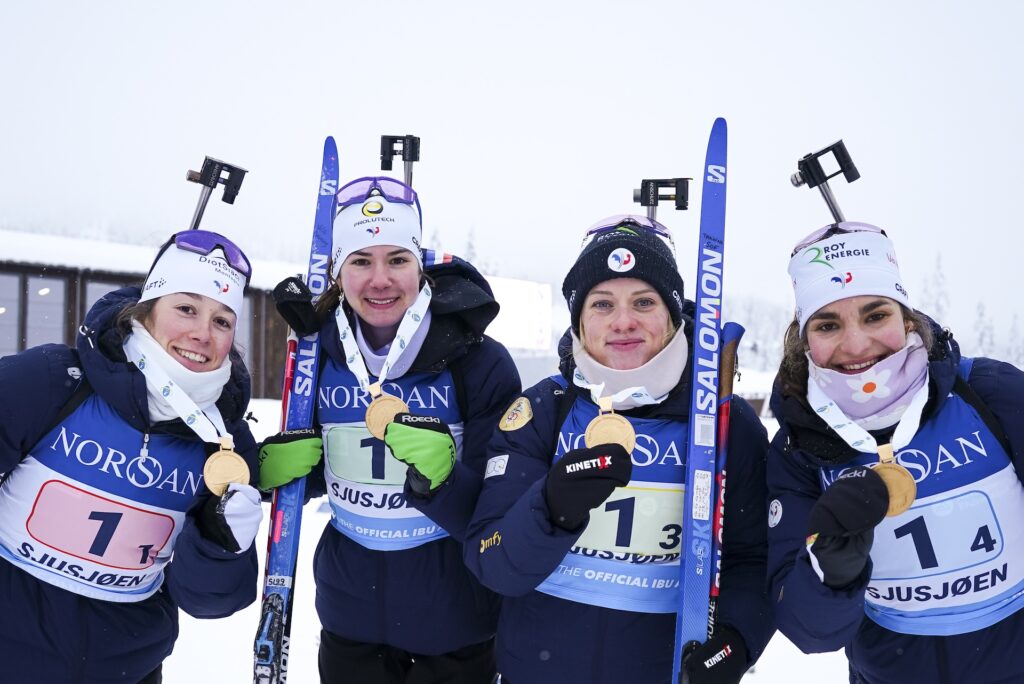
The timing of this accident is particularly unfortunate for Sophie Chauveau, who has been on a meteoric rise in the biathlon world. Her performance at the European Biathlon Championships held in Sjusjøen earlier this year was particularly noteworthy. She clinched the gold medal in one event and secured three bronze medals, showcasing her versatility and competitive prowess across multiple disciplines. Furthermore, she finished an impressive fourth overall in the IBU Cup standings, a significant achievement that signaled her readiness to compete at the highest levels of the sport.
Her success at the European Championships, especially the gold medal, cemented her status as a talent to watch. The French team, known for its strong biathlon program, had high expectations for Chauveau in the lead-up to major international competitions. Her ability to consistently perform under pressure and her strong technical skills on the shooting range and ski track had positioned her as a potential medal contender in future World Cups and World Championships.
The Road to Recovery and Indefinite Hiatus
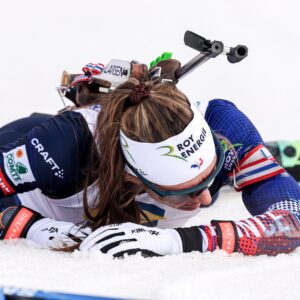
Chauveau’s statement indicates a clear understanding of the challenges ahead. "I will need a lot of rest going forward, and then rehabilitation before I can gradually begin to return to normal activity when the time is right," she explained. This statement underscores the seriousness of her concussion and the careful, phased approach required for recovery from such injuries. A concussion, particularly a severe one, can impact cognitive functions, balance, and overall physical readiness, necessitating a gradual reintroduction to demanding athletic activities.
The decision to place her career on an "indefinite" hiatus means there is no clear timeline for her return to competition. This is a standard procedure for athletes recovering from significant concussions, as pushing too soon can exacerbate symptoms and lead to long-term health issues. The focus will now be entirely on her recovery, with medical professionals guiding her rehabilitation process. This will likely involve a period of rest, followed by a structured program of physical and cognitive therapy.
Broader Implications for the French Biathlon Team
The absence of Sophie Chauveau from the French national team’s training and upcoming competitions will undoubtedly be felt. The French biathlon team has consistently been a strong contender on the international circuit, and Chauveau’s individual successes have contributed significantly to their overall strength. Her ability to perform well in both individual and relay events provides depth and tactical options for the team management.
Her absence will create opportunities for other athletes on the French roster to step up and fill the void. It will also put additional pressure on established stars to carry the team’s medal aspirations. The team’s strategic planning for the season will need to be adjusted, with a revised focus on athletes who are currently healthy and in peak form. The long-term impact will depend on the duration of Chauveau’s recovery and her ability to regain her previous level of performance. However, the focus for now remains on her well-being and a full, healthy return to the sport she excels in.
Supporting Data and Context
- European Championships Success: Chauveau’s performance at the 2026 European Biathlon Championships in Sjusjøen, Norway, was a significant highlight. The championships serve as a crucial platform for athletes outside the World Cup circuit to gain experience and prove their potential. Her gold medal, in particular, signals a high level of preparedness and skill.
- IBU Cup Performance: Finishing fourth overall in the IBU Cup is a testament to her consistent performance throughout the season. The IBU Cup is the second-tier international biathlon competition, and strong performances here often lead to promotions to the World Cup. Her ranking indicated she was on the cusp of becoming a regular fixture in the elite competition.
- Concussion Recovery Timelines: Recovery from a severe concussion can vary widely, often ranging from several weeks to many months. Factors such as the severity of the impact, individual physiology, and adherence to medical advice all play a crucial role. Athletes in high-impact sports face particular challenges in managing concussion recovery due to the risk of re-injury.
- Cycling as Cross-Training: Road cycling is a common and effective form of cross-training for biathletes, allowing them to build aerobic capacity and leg strength without the repetitive impact of skiing. However, it also carries inherent risks of falls and injuries, as demonstrated in Chauveau’s case.
Official Responses and Reactions (Inferred)
While no direct official statements from the French Biathlon Federation or team management regarding Chauveau’s accident have been provided in the original text, it is standard practice for national federations to offer support to their athletes during times of injury. It can be inferred that the French Biathlon Federation is providing medical support and guidance to Chauveau. The team’s coaching staff would also be actively involved in managing her recovery and planning for the team’s future without her immediate participation. The social media post by Chauveau herself suggests an open line of communication, and the federation would likely be coordinating with her medical team to ensure the best possible outcome for her health and career.
The sports community, including fellow athletes and fans, are expected to rally behind Chauveau, offering messages of support and encouragement as she navigates this challenging period. Biathlon, like many endurance sports, demands immense dedication and resilience, and athletes often draw strength from the collective support of their peers.
Conclusion
Sophie Chauveau’s cycling accident represents a significant setback for a promising biathlete at a crucial juncture in her career. While the immediate relief of no severe fractures is apparent, the diagnosis of a massive concussion necessitates a cautious and extended period of recovery. The indefinite hiatus means that her return to the biathlon track remains uncertain, a reality that will require patience and determination from both the athlete and her team. As she embarks on the path to rehabilitation, the focus will be on her complete recovery, with the hope that she can eventually return to the sport at her previous high level, bringing her talent and competitive spirit back to the international stage. The biathlon world will be watching and wishing her a swift and full recovery.

