
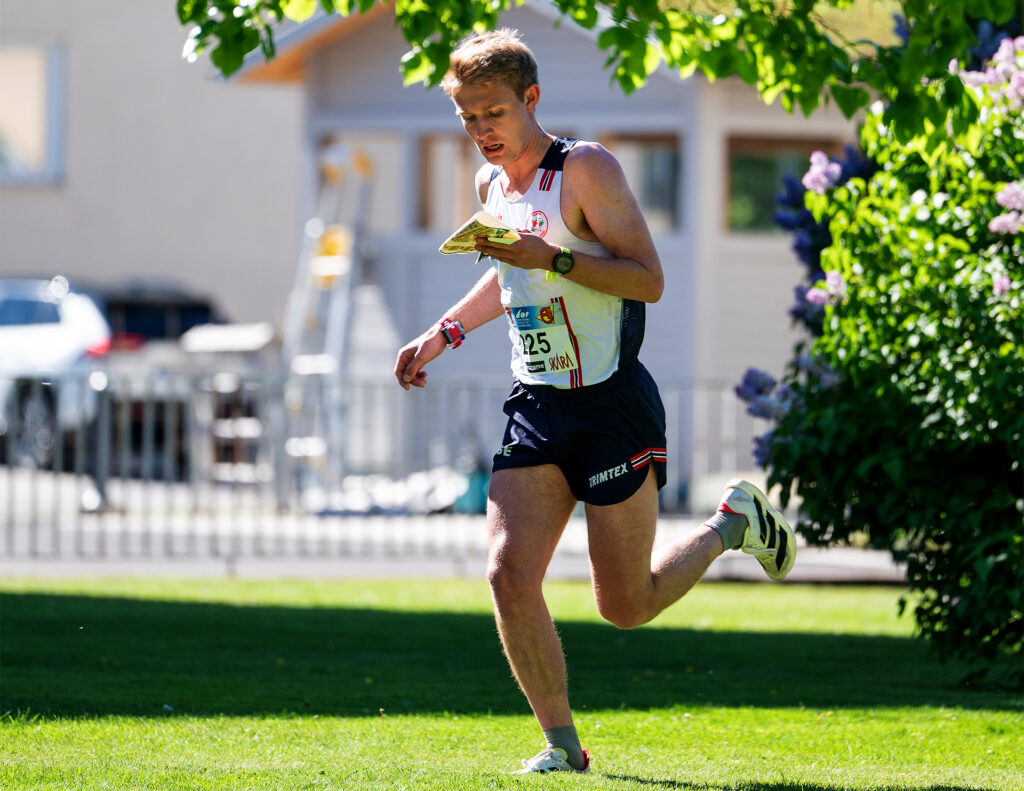
Norwegian orienteer Eirik Langedal Breivik orchestrated a masterful strategic maneuver in the final stretch of the World Cup knockout sprint in Lidköping, Sweden, a decision that left his competitors trailing and ultimately secured him a surprising victory. The 2023 World Champion in middle-distance orienteering, Breivik’s daring choice to deviate from the main pack on the final long leg proved to be the decisive factor in a race format that has not historically been a strong suit for Norwegian athletes.
"I chuckled to myself when I saw that no one else followed," Breivik remarked, reflecting on the critical moment that unfolded on the Swedish terrain. This bold "super-route choice" allowed him to forge ahead alone, creating a decisive gap that paved the way for his triumph. The victory marks a significant achievement for Breivik and adds another chapter to the growing success of Norwegian orienteering in the international arena.
A Calculated Risk Pays Off
The men’s knockout sprint final in Lidköping saw a tense opening phase, with Breivik initially adopting a measured approach within the leading group. However, as the course progressed towards its conclusion, he executed a bold strategic gambit. On the final long leg, instead of following the established path taken by the other finalists, Breivik veered off onto a less conventional route.
"When I saw I was alone on that route choice, I just went full gas along the road to the next control," Breivik explained. "And there I saw the others behind me." This audacious move immediately created a significant advantage, allowing him to build a substantial lead. The Oslo-based runner, known for his tactical acumen, capitalized on this newfound space, allowing him to celebrate his impending victory even before crossing the final control point.
Knockout Sprint: A Developing Strength for Norway
The knockout sprint format, characterized by its head-to-head races and intense tactical battles, has traditionally been a challenging discipline for Norwegian orienteers. However, the recent World Cup events have demonstrated a notable shift. Prior to Breivik’s win in Lidköping, his compatriot Kasper Fosser had already claimed victory in the first knockout sprint of the season in Locarno, Switzerland, signaling a burgeoning strength in this format for the Norwegian team.
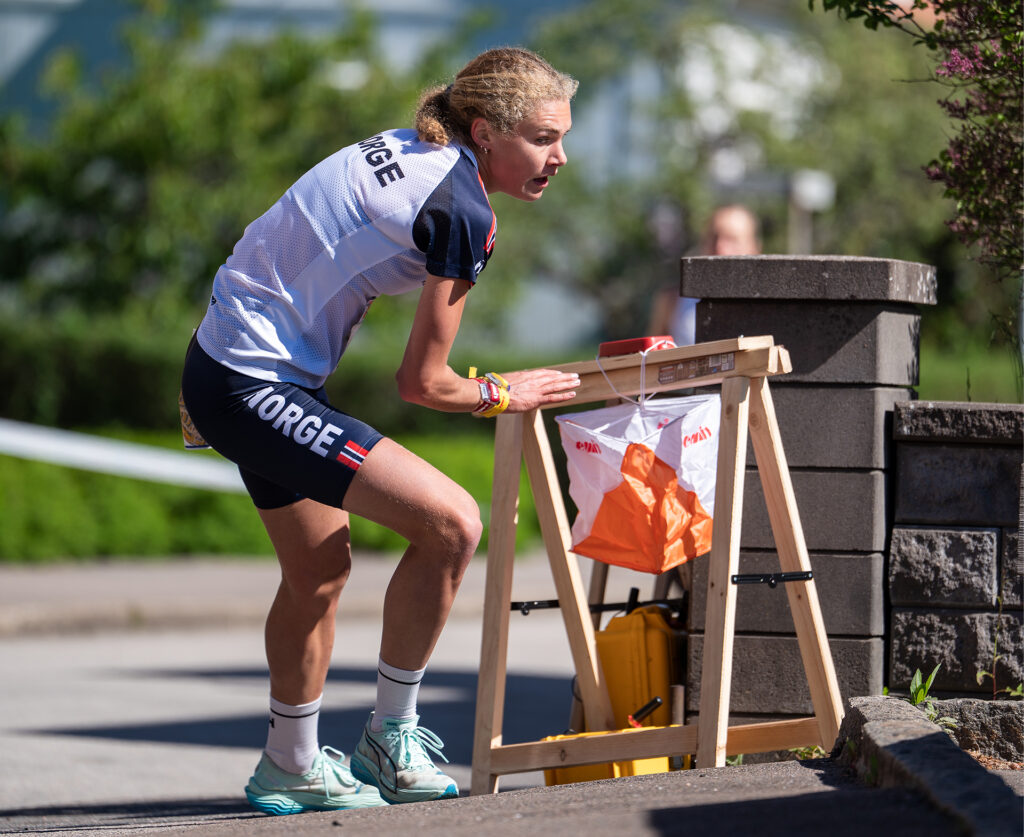
Breivik’s performance in Lidköping builds upon this momentum, showcasing the team’s adaptability and strategic prowess. The ability to execute such a high-risk, high-reward maneuver under pressure underscores the significant development within the Norwegian orienteering squad.
Fosser’s Frustration and Future Ambitions
While Breivik celebrated, another prominent Norwegian contender, Kasper Fosser, faced a different outcome. Fosser, a strong favorite, was eliminated in the semi-finals after a closely contested sprint to the finish line against Anselm Reichenbach of Switzerland and Finland’s Akseli Ruhola. Despite leading for much of the semi-final leg, Fosser narrowly missed out on advancing, losing crucial meters in the final sprint to the last stamping point.
Fosser expressed his disappointment with the race format, stating, "I would have clearly preferred dispersal (a method of spreading out competitors) instead of an equal course. It’s more my type of orienteering. It shouldn’t just be about running behind and being the best in the sprint," he commented. This sentiment highlights a broader discussion within the sport regarding the balance between pure speed and intricate route-choice decision-making. Despite this setback, Fosser remains focused on the upcoming individual sprint event in Skara, Sweden, where he aims to secure redemption.
Women’s Race: Gydesen Continues Dominance, Vik Leads Norway
In the women’s competition, Denmark’s Hedvig Valbjorn Gydesen continued her impressive run of form, securing her second consecutive World Cup knockout sprint victory. Gydesen’s win in Lidköping was as surprising to herself as it was to many spectators. "I don’t understand anything. My legs felt heavy in the final, but at the end, I saw that the others were also tired. And I know my sprint is good," she admitted, attributing her success to her strong finishing kick. Gydesen, who also competes for Tyrving in Bærum, Norway, is proving to be a formidable force in the knockout sprint discipline.
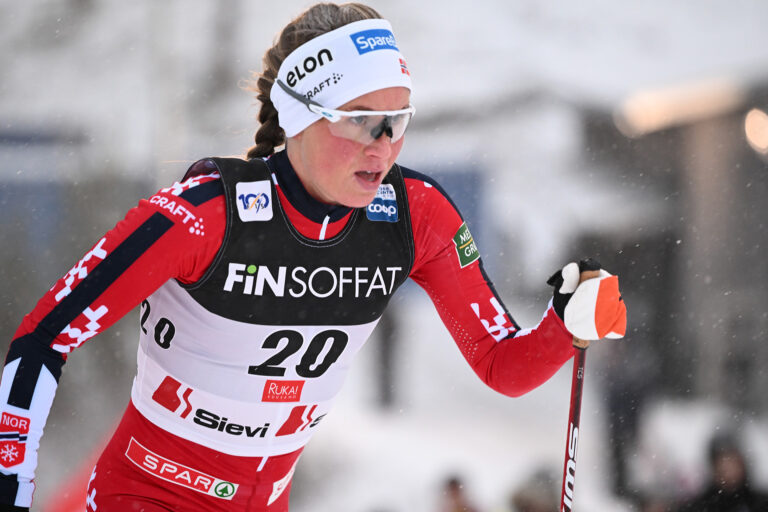
Norway’s best-performing female athlete in the final was Pia Young Vik, who secured a commendable fifth place. Vik showcased a strong performance throughout the competition, reaching the final. However, she found herself in a more passive position within the tightly packed field, which did not spread out significantly. This resulted in a fierce sprint finish, with only three seconds separating the first and last runners.
Other Norwegian athletes also faced challenges in Lidköping. Victoria Håstad Bjørnstad, after a less than ideal qualification, improved her performance in the quarter-finals but was ultimately eliminated in the semi-finals, finishing third and just missing out on progression. Lukas Liland and Alfred Bjørnerød both reached the quarter-finals but were unable to advance further.
Broader Implications and Future Outlook
The Lidköping World Cup event, which also featured an individual sprint on the following Saturday, underscores the dynamic nature of international orienteering. The success of both Breivik and Fosser in knockout sprint formats indicates a significant evolution in Norwegian orienteering capabilities. This adaptability is crucial as the sport continues to evolve, with new race formats and strategic challenges emerging.
The fact that Breivik’s unexpected route choice was the winning factor highlights the enduring importance of strategic thinking and courage in orienteering. Even in speed-oriented disciplines like the knockout sprint, intelligent decision-making can override raw physical power. This victory will likely inspire other athletes to consider more unconventional approaches to course navigation.
For the broader orienteering community, the event provides valuable insights into current training methodologies and strategic approaches. The performance of athletes from various nations, including the strong showing from Denmark’s Gydesen, illustrates the increasing global competitiveness of the sport.
Event Background and Context
The Orienteering World Cup is the premier annual competition for the sport, culminating in a series of events held across different countries. The knockout sprint format, a relatively newer addition to the World Cup circuit, presents a condensed and high-octane version of the sport. Unlike traditional sprint orienteering where athletes race individually against the clock on identical courses, knockout sprints involve direct head-to-head elimination rounds. Competitors navigate a short, intense course, with the fastest runners advancing to subsequent rounds until a champion is crowned. This format emphasizes not only navigational skill and physical fitness but also the ability to perform under intense pressure and make split-second strategic decisions.
The event in Lidköping, Sweden, was part of the larger Orienteering World Cup series for 2024, with the subsequent individual sprint in Skara offering a different challenge and an opportunity for athletes to demonstrate their versatility. The inclusion of these varied formats within a single World Cup season allows for a comprehensive assessment of an athlete’s all-around orienteering abilities.
Supporting Data and Previous Performances
Breivik’s victory in the knockout sprint marks his first World Cup win in this specific discipline. His previous World Championship title in the middle-distance category in 2023 demonstrates his established capability in longer, more technical races. The knockout sprint, however, demands a different skillset, emphasizing explosive speed and rapid decision-making over extended periods.
Kasper Fosser’s earlier World Cup knockout sprint victory in Locarno, Switzerland, placed him at the top of the discipline’s rankings prior to the Lidköping event. His consistent performance across various sprint formats highlights his status as a leading contender.
In the women’s category, Hedvig Valbjorn Gydesen’s back-to-back wins in the knockout sprint are a significant achievement, indicating a breakthrough in her World Cup career. Pia Young Vik’s fifth-place finish in Lidköping is her best result in a World Cup knockout sprint to date, signaling her growing potential in this format.
Looking Ahead
The focus for many of these athletes now shifts to the individual sprint events and the remaining legs of the World Cup. The strategic lessons learned in Lidköping, particularly Breivik’s audacious route choice, will undoubtedly be analyzed and discussed within teams. As the sport continues to grow and evolve, the ability to innovate and adapt will be paramount for sustained success on the international stage. The Norwegian team’s recent performances suggest they are well-equipped to meet these challenges.

