
Jonny Moseley, the 1998 Olympic gold medalist whose "new-school" style forever altered the trajectory of freestyle skiing, is currently spearheading a new movement in the intersection of athletic longevity and high-tech wellness. Decades after his historic performance in Nagano, Japan, Moseley has transitioned from a pioneer of acrobatic innovation to a leading advocate for advanced recovery protocols. His current fitness philosophy, which emphasizes dynamic movement, mobility, and the integration of artificial intelligence, serves as a blueprint for the modern aging athlete. Central to this evolution is his partnership with Velvaere, a luxury wellness community in Deer Valley, Utah, where cutting-edge technology such as AI-powered massage robots and cryotherapy are being utilized to extend the physical prime of winter sports enthusiasts.
The Nagano Legacy and the Birth of Data-Driven Training
To understand Moseley’s current focus on recovery, one must look back at the revolutionary training methodology that propelled him to the top of the Olympic podium in 1998. At a time when mogul skiing was governed by rigid technical standards, Moseley introduced a "new-school" attitude that borrowed heavily from the burgeoning culture of snowboarding. His signature move, the 360-degree mute grab, challenged the traditional perceptions of what was possible on a mogul course and ushered in a new era of creativity in the sport.
However, his success was not merely the result of natural talent or bravado. Moseley was an early adopter of what is now known as biohacking. In the mid-1990s, he began meticulously tracking his heart rate and journaling his daily performance metrics. By paying close attention to "second-day soreness"—a phenomenon now scientifically identified as Delayed Onset Muscle Soreness (DOMS)—Moseley was able to evaluate when his body reached peak performance capacity.
This analytical approach was rare in the 1990s. While the first wearable heart rate monitor was released by Polar in 1982, it took nearly fifteen years for the technology to gain traction among elite coaches and athletes. Moseley’s obsession with timing his cycles of strain and recovery was driven by the high stakes of the Olympic cycle. As he noted, athletes often have only one significant opportunity every four years to perform on the global stage, necessitating a level of precision in training that leaves no room for error. This early exposure to data-driven performance set the stage for his current exploration of advanced wellness technology.
The Shift to Seasonality and Functional Fitness
As Moseley has aged, his training regimen has evolved from the high-impact, explosive power required for Olympic moguls to a more balanced, sustainable approach that prioritizes mobility and endurance. His current routine is dictated by the changing seasons, reflecting a sophisticated understanding of periodization.
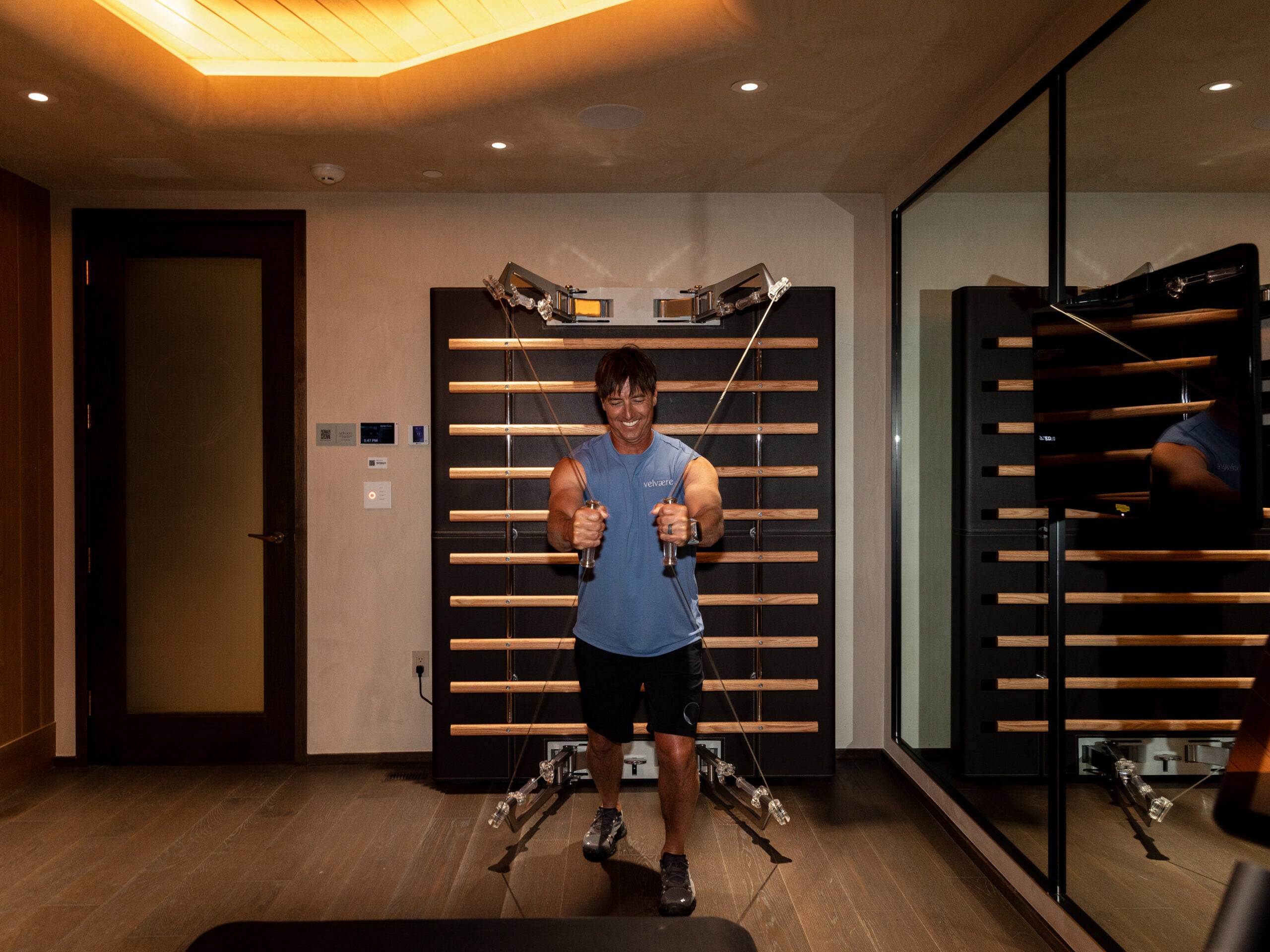
During the summer months, Moseley focuses on building a foundation of raw strength. His mornings typically begin with a strict cardio session, ranging from thirty minutes to an hour, often involving hiking with his dog or treadmill work. This is followed by traditional weightlifting. However, as the temperature drops and the ski season approaches, his focus shifts toward endurance and ski-specific functional movements.
One of the most critical components of his pre-season training is the transition to "one-leg training." To mimic the side-to-side lateral forces inherent in skiing, Moseley utilizes slide boards and other tools that emphasize unilateral stability. He also stresses the importance of plyometrics, citing box jumps as the "gold standard" for developing the explosive power needed for the slopes. Recognizing the risk of injury for those transitioning from a sedentary lifestyle, Moseley advocates for a gradual progression, starting with lower heights to avoid jarring the joints.
In a departure from his younger years, Moseley has also embraced "hot yoga" to enhance his mobility. He admits that his previous lifting routines were heavily focused on the lower body and compound lifts, but he now prioritizes a more holistic balance to maintain flexibility as he matures. When conditions allow, he incorporates wing foiling—a sport that requires significant core stability and balance—as a way to maintain "fun" in his fitness journey.
The Velvaere Partnership: The New Frontier of Recovery
Moseley’s latest endeavor involves an ambassadorship for Velvaere, a private residential community in Park City, Utah, that represents the pinnacle of "wellness real estate." Located adjacent to the Deer Valley Resort, Velvaere integrates high-performance athletic facilities with medical-grade recovery technology.
The facility’s offerings mirror the resources typically found only at elite institutions like the United States Olympic & Paralympic Training Centers. Among the most notable amenities is an AI-powered robot designed to evaluate the human body’s musculoskeletal state before administering a customized massage. This level of personalization allows for targeted recovery that addresses specific areas of tension or inflammation.
In addition to robotic massage, the Velvaere program includes:
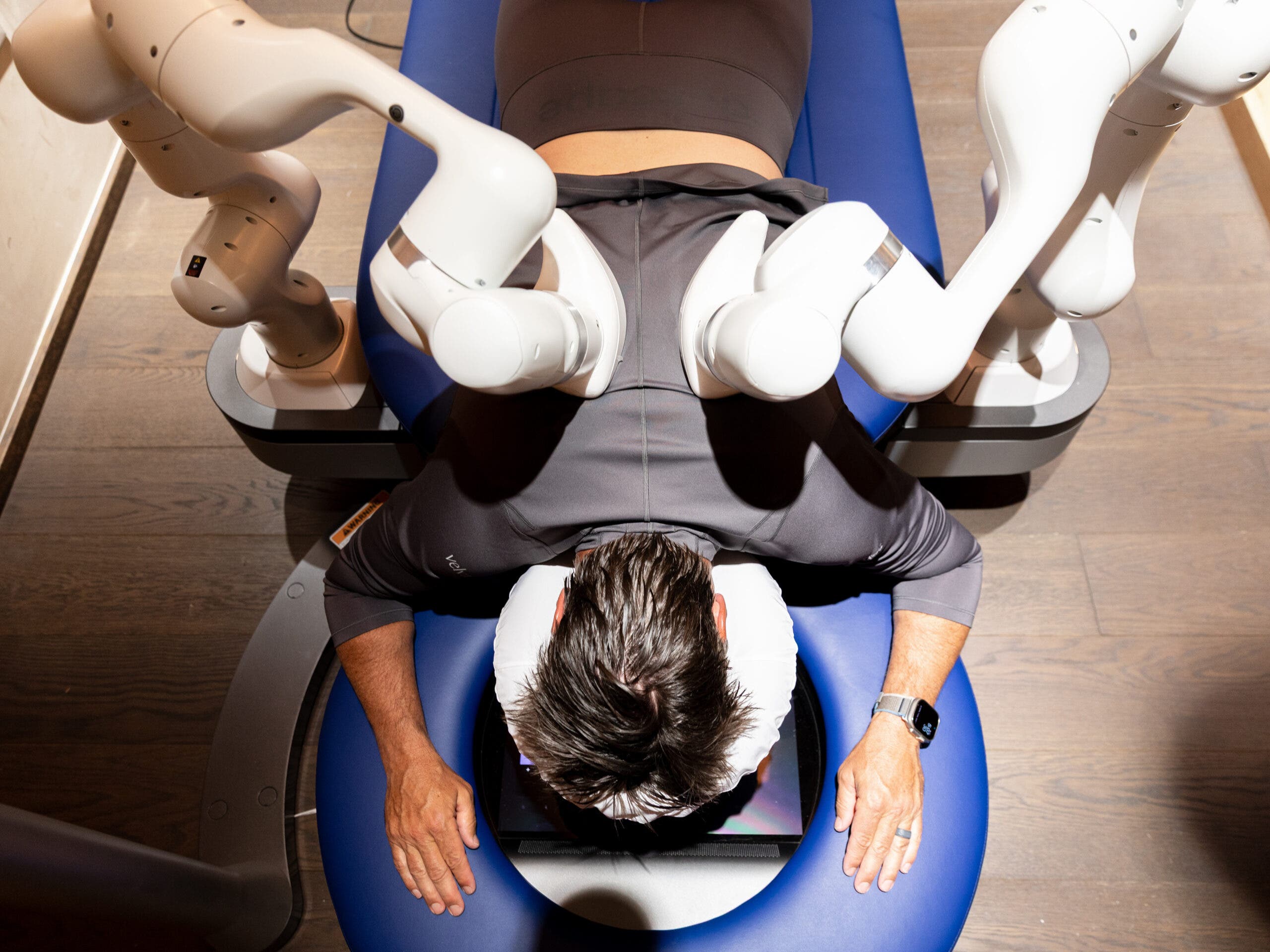
- Cryotherapy: The use of extreme cold to reduce systemic inflammation and accelerate muscle recovery.
- LightStim LED Therapy: Utilizing specific wavelengths of light to promote cellular repair and reduce pain.
- Flotation Therapy: Sensory deprivation tanks that facilitate deep mental relaxation and magnesium absorption through Epsom salts.
- TechnoGym Integration: Advanced fitness equipment that tracks user data to optimize workout efficiency.
- Thermal Cycling: The use of traditional saunas followed by cold plunges to improve vascular health and metabolic function.
Moseley views these amenities not as luxuries, but as essential tools for anyone looking to maintain a high level of physical activity into their later years. He draws a direct parallel between these modern technologies and the cutting-edge training he received during his Olympic career, noting that what was once reserved for gold medalists is now becoming accessible to the broader wellness community.
Economic and Industry Implications
The partnership between Moseley and Velvaere highlights a significant shift in the global ski and real estate industries. There is a growing demand for "wellness-centric" properties where health and longevity are woven into the lifestyle. According to the Global Wellness Institute, the wellness real estate market was valued at $275 billion in 2020 and is projected to reach $580 billion by 2025.
Developments like Velvaere are capitalizing on this trend by offering more than just ski-in/ski-out access; they are offering a comprehensive ecosystem for physical maintenance. This shift is particularly relevant in the context of Deer Valley, which is currently undergoing a massive expansion. The integration of high-tech recovery facilities serves to attract a demographic of "active agers"—individuals who have the financial means to invest in their health and the desire to continue skiing at a high level well into their 60s and 70s.
Furthermore, Moseley’s endorsement of AI and LED therapy reflects the mainstreaming of sports science. Metrics that were once considered niche, such as Heart Rate Variability (HRV) and VO2 max, are now standard features on consumer smartwatches. As the public becomes more educated on the physiological requirements of recovery, the demand for professional-grade facilities in residential settings is expected to rise.
Conclusion: A Philosophy of Sustainable Performance
While Jonny Moseley admits he is not naturally inclined toward "slowing down" or traditional self-care, his current lifestyle is a testament to the necessity of recovery in the pursuit of performance. By combining the discipline of an Olympic athlete with the latest advancements in wellness technology, he has found a way to remain "limber" and "ready" for the demands of the mountain.
His journey from a data-tracking pioneer in the 90s to an ambassador for AI-driven recovery today underscores a fundamental truth in athletics: the ability to perform is directly tied to the ability to recover. For Moseley, the goal is no longer a gold medal, but the sustained ability to enjoy the sport he helped redefine. As he prepares for another season in the mountains of Tahoe and Park City, his focus remains on the "cycles of strain and recovery" that have defined his life for over three decades. Through his work with Velvaere, he is helping to ensure that the next generation of skiers—and the current generation of aging enthusiasts—has the tools necessary to stay on the slopes for as long as possible.

