
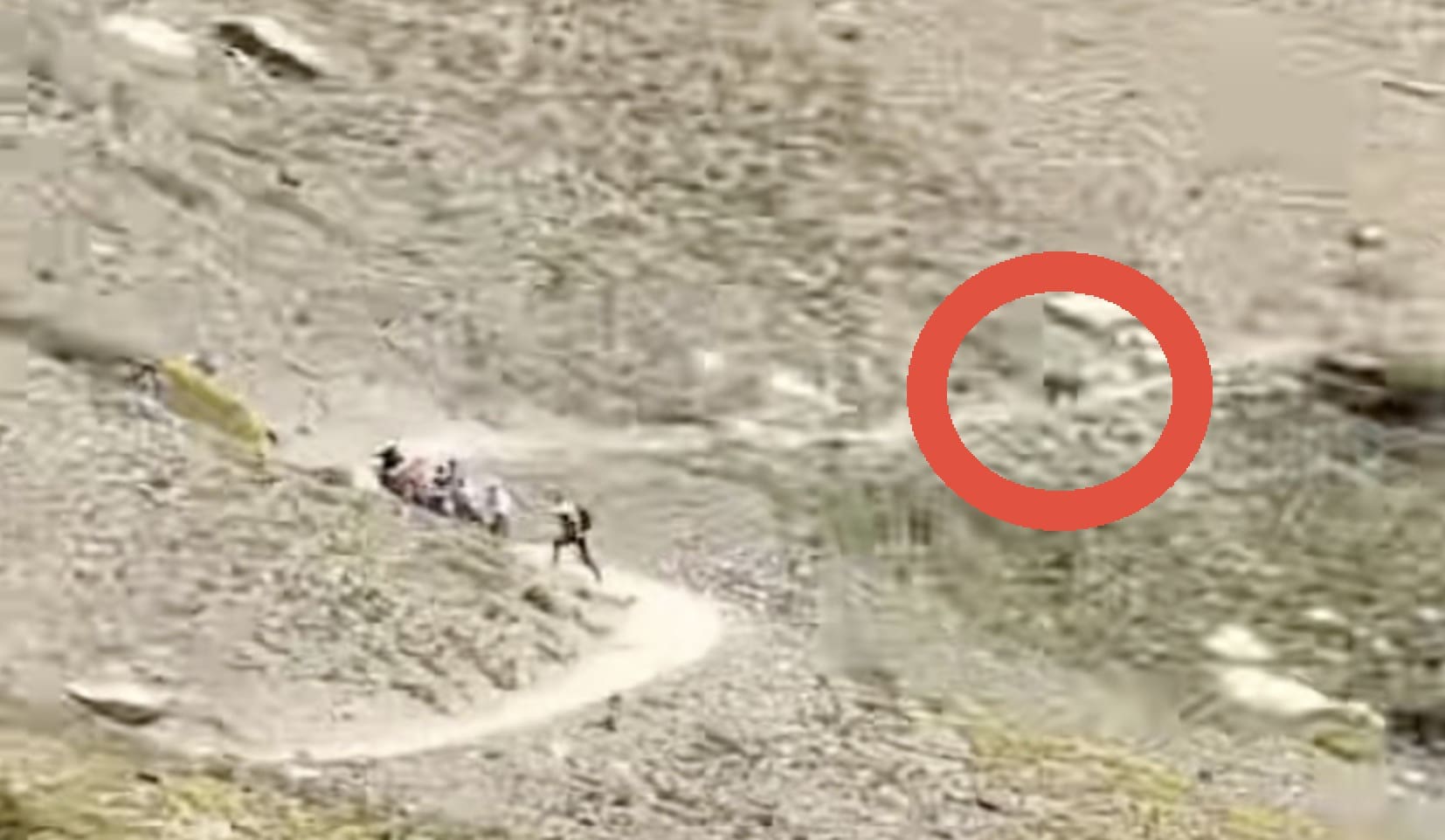
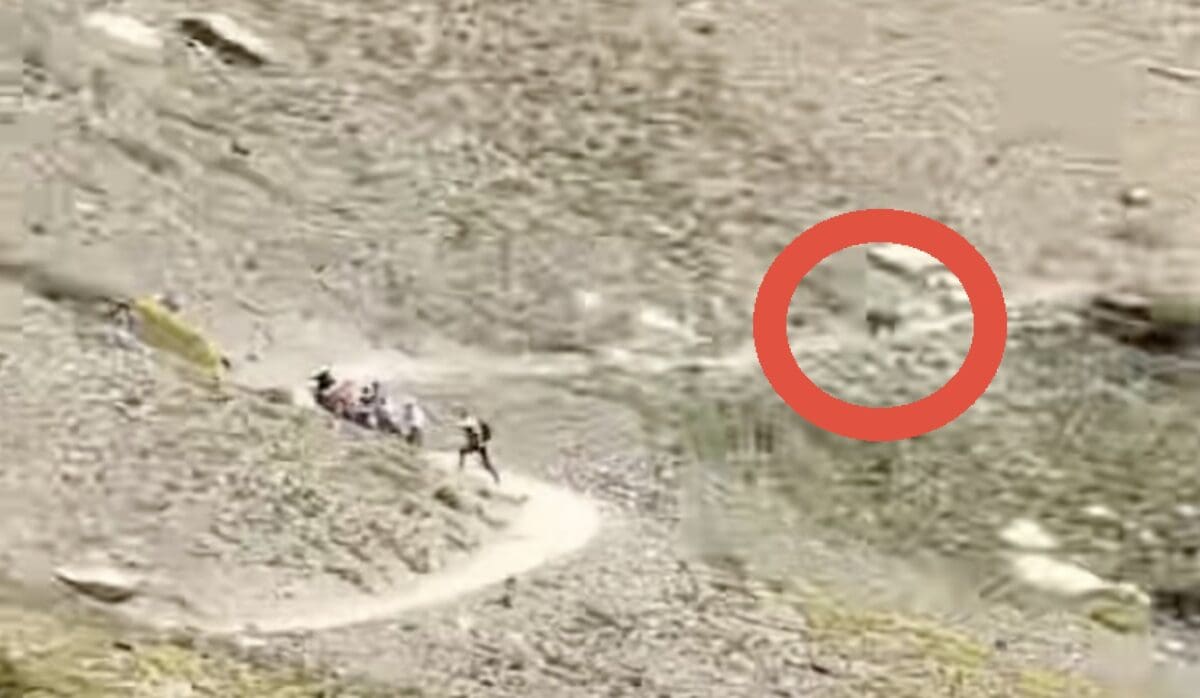
A breathtaking and potentially perilous encounter unfolded in Glacier National Park recently, as a group of hikers found themselves abruptly scrambling for safety when a grizzly bear, in hot pursuit of mountain goats, thundered past their location on a popular trail. The dramatic scene, captured on video and shared widely, underscores the raw power of nature and the inherent risks associated with exploring wilderness areas that are home to apex predators. The incident highlights the importance of adhering to park safety guidelines and maintaining a respectful distance from wildlife, even when observing seemingly peaceful natural interactions.
The encounter occurred on a trail within the expansive 1,583 square miles of Glacier National Park, an area renowned for its rugged beauty and abundant wildlife. According to initial reports and eyewitness accounts, the incident unfolded rapidly. A grizzly bear, driven by its predatory instincts, launched an intense chase after a herd of mountain goats. The pursuit carried the powerful predator directly across the path of unsuspecting hikers, forcing them to react swiftly to avoid any potential danger. The speed and ferocity of the grizzly’s charge created a moment of intense urgency, compelling the hikers to abandon their current position and seek a safer vantage point.
Mountain goats, known for their remarkable agility and sure-footedness on steep and treacherous terrain, were the intended prey in this dramatic chase. Grizzly bear predation on mountain goats is a well-documented phenomenon across North America. These powerful omnivores often employ ambush tactics, capitalizing on surprise and the element of surprise, particularly in more vegetated areas or near natural attractants like mineral licks. However, in this particular instance, the chase appears to have occurred in a more open environment, allowing the mountain goats to leverage their speed and climbing prowess to their advantage. Witnesses confirmed that the goats, sensing the immediate threat, swiftly ascended to higher, more inaccessible ground, effectively outmaneuvering the grizzly. The bear, after its initial explosive burst of speed, ultimately abandoned the chase, unable to gain on its agile quarry in the challenging mountainous landscape.
This incident serves as a potent reminder of the significant grizzly bear population within Glacier National Park. The park is estimated to be home to nearly 1,000 black and grizzly bears combined, a testament to its role as vital habitat for these iconic creatures. The vastness of the park, with its diverse ecosystems ranging from dense forests to alpine meadows, provides ample resources and refuge for these animals. Understanding the behavior of these bears and implementing appropriate safety measures are paramount for anyone venturing into their territory.
Background on Grizzly Bear Ecology and Predation
Grizzly bears ( Ursus arctos horribilis ) are the largest land carnivores in North America and play a crucial role as apex predators in the ecosystems they inhabit. Their diet is highly varied, encompassing vegetation, berries, roots, insects, fish, and carrion, but they are also opportunistic hunters. Mountain goats (Oreamnos americanus) are a significant prey species for grizzlies, particularly in areas where their habitats overlap. The success of a grizzly’s hunt depends on various factors, including the terrain, the age and health of the prey, and the bear’s ability to approach undetected. While grizzlies are powerful and can reach impressive speeds over short distances, their agility on steep, rocky slopes is limited compared to that of mountain goats, which have evolved to navigate such environments with exceptional skill.
The relationship between grizzlies and mountain goats in national parks like Glacier is a dynamic one, shaped by the natural cycles of predation and survival. Conservation efforts aim to maintain healthy populations of both species, recognizing the ecological importance of each. However, these efforts also necessitate a careful balance to ensure the safety of park visitors.
Chronology of the Encounter
While a precise timeline of the event is difficult to establish without further official investigation, eyewitness accounts suggest a sequence of events as follows:
- Initial Sighting: Hikers were traversing a trail when they observed a grizzly bear in pursuit of mountain goats.
- The Chase: The grizzly, in full pursuit, rapidly closed the distance on its prey, heading directly towards the area where the hikers were present.
- Hiker Reaction: Faced with the immediate and close proximity of the charging bear, the hikers were forced to quickly move out of its path to ensure their safety.
- Goat Evasion: The mountain goats, utilizing their superior climbing abilities, ascended to higher, more inaccessible terrain.
- Bear Disengagement: The grizzly, unable to continue the pursuit effectively in the difficult terrain and having lost its advantage, ultimately abandoned the hunt.
The entire episode, though brief, was undoubtedly a high-adrenaline experience for those involved. The visual evidence captured in the footage showcases the raw power and speed of the grizzly bear.
Supporting Data and Park Statistics
Glacier National Park, established in 1910, encompasses approximately 1.05 million acres in northwestern Montana. Its diverse landscapes include towering mountains, pristine lakes, and lush forests, creating an ideal habitat for a wide array of wildlife. The park is part of a larger transboundary ecosystem that extends into Canada, making it a critical stronghold for grizzly bear populations in the lower 48 states.
According to data from the U.S. Geological Survey (USGS), grizzly bear density in Glacier National Park is considered relatively high compared to other areas where the species exists. While exact population numbers can fluctuate and are challenging to pinpoint precisely, estimates suggest a significant and healthy presence of these bears within the park’s boundaries. This abundance underscores the importance of visitor awareness and adherence to safety protocols.
The park’s Visitor Services division consistently provides educational materials and safety briefings to encourage responsible wildlife viewing. These resources emphasize the critical need for maintaining safe distances, carrying bear spray, and knowing how to use it effectively, and understanding bear behavior to minimize the risk of negative encounters.
Official Responses and Safety Guidelines
While specific official statements regarding this particular incident were not immediately available, park authorities routinely address such events by reiterating their commitment to visitor safety and wildlife preservation. Glacier National Park’s website and visitor centers are replete with comprehensive bear safety guidelines, which are crucial for anyone planning to hike or recreate in the park.
Key recommendations from Glacier National Park for encountering bears include:
- Maintain a Safe Distance: The park strongly advises maintaining a minimum distance of 100 yards (approximately 91 meters) from bears, and 25 yards (approximately 23 meters) from other large wildlife. This distance allows animals to behave naturally without feeling threatened.
- Carry and Know How to Use Bear Spray: Bear spray is considered the most effective deterrent against aggressive bears. Visitors are urged to carry it and be familiar with its operation.
- Hike in Groups: Traveling in groups of three or more is recommended, as larger groups tend to be noisier and more intimidating to bears.
- Make Noise: Talking, singing, or calling out periodically can alert bears to your presence, reducing the chance of a surprise encounter.
- Be Aware of Your Surroundings: Pay attention to signs of bear activity, such as tracks, scat, or overturned rocks. Avoid hiking at dawn, dusk, or night when bears are most active.
- Never Feed Bears: Intentionally or unintentionally feeding bears habituates them to humans, leading to dangerous behaviors. Proper food storage is essential.
- If a Bear Approaches: Remain calm, do not run, and slowly back away while speaking in a low voice. If the bear charges, stand your ground and use your bear spray. Distinguish between defensive and predatory charges based on bear behavior.
The park’s commitment to educating visitors about these measures is a proactive approach to mitigating risks in an environment where human and wildlife interactions are inevitable.
Broader Impact and Implications
The viral nature of the video capturing this grizzly bear’s hunt and the hikers’ hasty retreat has amplified public awareness regarding the realities of wildlife encounters in popular national parks. Such incidents, while dramatic, are a natural part of the wilderness and serve as a powerful educational tool. They underscore the importance of respecting the wild nature of these animals and the environments they inhabit.
From a conservation perspective, the incident highlights the continued success of efforts to maintain viable grizzly bear populations in protected areas. The presence of apex predators like grizzlies is indicative of a healthy and functioning ecosystem. However, it also places a greater responsibility on park management to ensure visitor safety and to implement strategies that minimize human-bear conflicts.
For the hiking community, this event serves as a stark reminder that even seemingly routine hikes can present unexpected challenges. It reinforces the need for preparedness, vigilance, and a deep respect for the natural world. The incident is likely to prompt renewed discussions about trail management, wildlife viewing protocols, and the ongoing education of park visitors. The balance between allowing public access to these magnificent landscapes and ensuring the safety of both humans and wildlife remains a central challenge for park administrators worldwide. The dramatic footage from Glacier National Park offers a compelling, albeit unsettling, glimpse into the untamed heart of nature.

