
In a significant departure from conventional practices within the winter sports industry, where product development and strategic decisions have historically been concentrated among a homogenous group and often made without diverse consumer representation, HEAD, a global leader in ski manufacturing, has initiated a groundbreaking approach. The brand recently orchestrated an exclusive, women-focused summit at the renowned Big White Ski Resort in British Columbia, Canada. This meticulously curated gathering brought together a select cohort of eight influential female voices from across the North American ski industry, including Canada and the United States. The primary objective extended far beyond mere product testing; it was a deliberate exercise in deep listening and genuine engagement, designed to glean nuanced insights directly from a critical and often underserved demographic.
Shifting Paradigms in Product Development
For decades, the ski industry, much like many other sectors within outdoor recreation, has grappled with a pervasive lack of diversity in its design and engineering teams. This often resulted in a "pink it and shrink it" mentality, where women’s products were essentially scaled-down or aesthetically altered versions of men’s gear, rather than being conceived from the ground up with female anatomy, biomechanics, and preferences in mind. However, as women’s participation in skiing and snowboarding continues to surge—with market research consistently pointing to a growing economic influence of female consumers—the imperative for authentic representation and inclusive development has become undeniable. HEAD’s initiative marks a proactive response to this evolving market landscape and a strategic commitment to fostering a more equitable and responsive product ecosystem.
Natalie Dyksterhouse, Winter Sports Marketing Manager for HEAD, articulated the core intent behind the summit, stating, "We wanted to get feedback specifically from the North American side of things and from women in particular." This emphasis on the North American market is particularly telling, acknowledging regional differences in skiing culture, terrain preferences, and consumer expectations that may diverge from European-centric development perspectives. The choice to focus exclusively on women underscored a recognition that their experiences and perspectives require a dedicated, unfiltered forum.
An Unprecedented Gathering: Design and Execution
Unlike the often expansive and commercially driven product launches or media camps that characterize the industry calendar, this HEAD summit was intentionally intimate. The carefully selected group of eight women represented a diverse cross-section of the ski industry ecosystem, encompassing critical roles such as buyers who shape retail inventories, marketers who craft brand narratives, experienced ski testers who provide critical performance assessments, professional coaches who understand diverse skill levels, and retailers who serve as the direct interface with consumers. This deliberate mix ensured a multifaceted perspective on product utility, market viability, and brand resonance.
The decision to maintain a small group was a strategic one, aimed at fostering an environment conducive to genuine dialogue and deeper insights. "We wanted to keep it smaller to get more quality conversations going," Dyksterhouse explained, highlighting the brand’s commitment to substantive feedback over superficial impressions. This intimacy cultivated a sense of trust and openness, allowing for more candid and comprehensive discussions that might otherwise be stifled in larger, more formal settings.
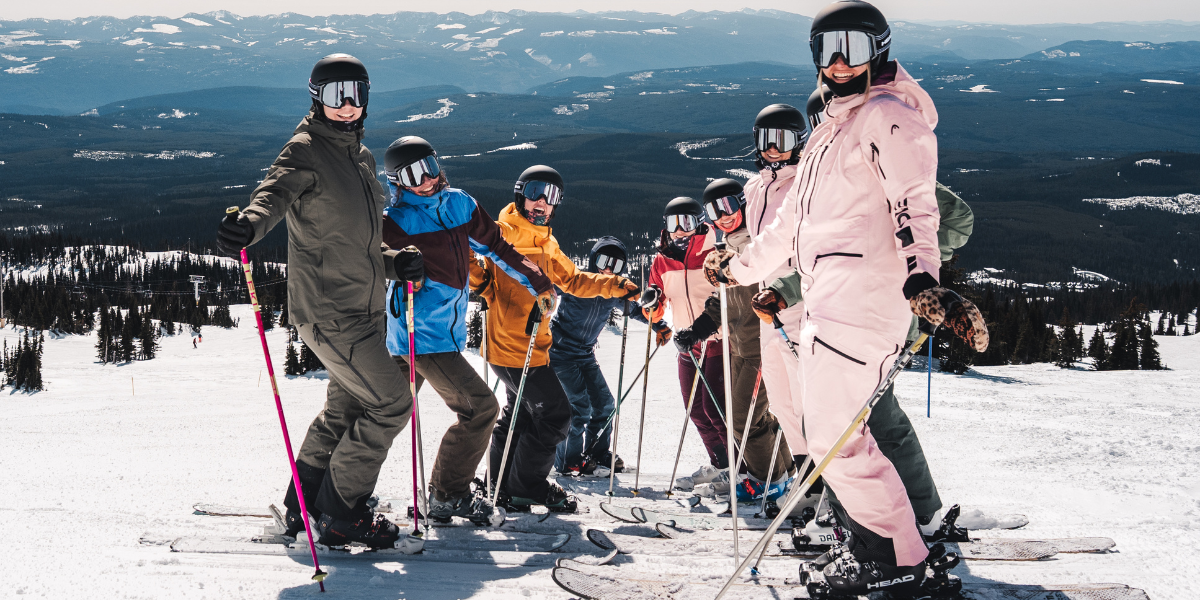
The summit’s agenda was thoughtfully structured over two days. The inaugural day was dedicated to rigorous, structured on-snow testing. Participants had the unique opportunity to trial prototype 2027/28 models, including early iterations of HEAD’s newly redeveloped women’s Joy line. This hands-on experience was immediately followed by focused discussions around critical aspects of product development, performance characteristics, and brand positioning. The second day adopted a more relaxed rhythm, shifting towards freer skiing and fostering organic connections among the participants. This less formal environment proved invaluable for eliciting authentic insights and fostering candid conversations, allowing for a broader exploration of preferences and perceptions beyond technical specifications. The resultant feedback was notably honest, rich in nuance, and deeply reflective of real-world experiences—qualities often elusive in traditional, larger-scale industry events. The group was observed actively skiing the varied terrain of Big White, B.C., leveraging the natural environment to put the prototypes through their paces.
The Rationale Behind an All-Female Focus
The summit’s "women-only" format was not merely a logistical choice but a philosophical one, designed to delve deeper into understanding women’s perspectives in a comprehensive and meaningful way. With a significant relaunch of the popular Joy line on HEAD’s horizon, the brand identified a critical opportunity to create a safe and empowering space where women could articulate their needs and desires without reservation. This extended beyond mere performance metrics to encompass how women wish to be represented, engaged with, and communicated to within the broader ski industry.
The ensuing dialogue proved to be layered and complex, touching upon sensitive areas of industry representation and marketing. Dyksterhouse noted the intricate nature of these discussions: "There’s a lot of discussion around how women want to be talked to in the ski industry, it’s a very fine line." This statement underscores the delicate balance brands must strike between acknowledging distinct female consumer needs and avoiding tokenism or perpetuating outdated stereotypes.
A prominent topic of debate centered on the fundamental question of whether women-specific product lines should exist at all. The feedback was notably varied, demonstrating the diverse preferences within the female skiing community. Voices from the freeski segment, for instance, often leaned towards more unisex approaches, prioritizing universal performance and design irrespective of gender. Conversely, participants focusing on frontside and carving categories expressed strong support for women-specific design, suggesting that tailored geometries, flex patterns, and weight distributions could significantly enhance performance and enjoyment for certain styles of skiing. This divergence highlighted that there is no monolithic "female skier," but rather a spectrum of preferences that demand nuanced consideration, moving beyond broad generalizations to segment-specific understanding.
Beyond the Tangible: Communication and Consumer Psychology
One of the most profound insights to emerge from the summit transcended technical specifications or material choices; it centered squarely on communication strategies. While there was broad consensus that HEAD’s existing products delivered exceptional performance, the core conversation pivoted to how these products are articulated and positioned in the market. "There was agreement that our products perform really well," Dyksterhouse confirmed. "So the conversation became how do we talk about them in a way that’s more relatable to the North American market." This strategic shift from merely validating product efficacy to refining storytelling and brand narrative is where brands can achieve truly meaningful evolution and connect more deeply with their target audience.
Furthermore, the summit provided valuable observations into the distinct purchasing behaviors of women. It was noted that women often approach gear acquisition with less ego and a greater degree of self-assessment compared to men. This often translates into different decision-making patterns, where functionality, comfort, and suitability for individual skill levels and goals take precedence over aspirational or status-driven considerations. These insights carry significant implications for every facet of brand engagement, from the language employed in marketing campaigns to the layout and customer experience offered in retail environments. Understanding these psychological nuances can enable HEAD to craft more authentic and effective communication strategies that resonate genuinely with female consumers.
Addressing the Representation Gap in Development
A recurring and central theme throughout the entire event was the critical importance of inclusion, not merely as a marketing buzzword, but as an integral component of the product development process itself. Dyksterhouse candidly acknowledged a long-standing industry challenge: "As you know, a lot of the development teams are not composed of women." This systemic issue has historically led to products designed primarily from a male perspective, potentially overlooking specific needs or preferences of female users.
Creating direct engagement opportunities like this summit serves as a crucial mechanism to bridge that representation gap. By bringing real-world, firsthand feedback directly from influential women in the industry into the product pipeline, HEAD is actively working to ensure that future innovations are informed by a diverse array of experiences. This signifies a commitment to building a more robust and equitable development process, where inclusivity is embedded from conception to market, ultimately leading to not just "better skis," but a better, more representative way of creating them.
A Progressive Step for the Industry and a Growing Community
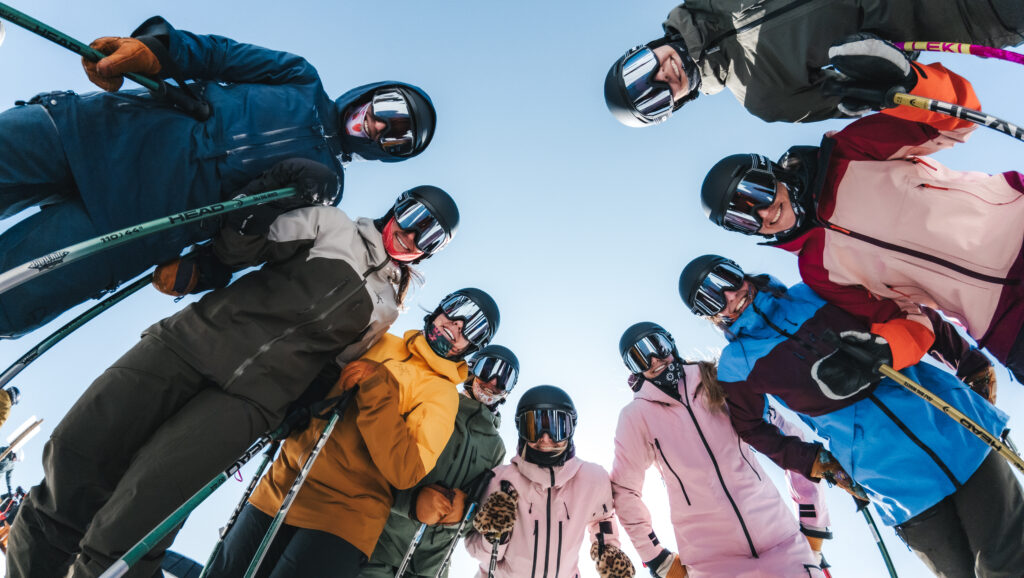
Beyond the immediate objectives of product insights and marketing refinement, the summit illuminated a more profound and personal dimension: the powerful sense of community that unites women within the skiing world. Dyksterhouse described the experience as empowering, highlighting the supportive and collaborative atmosphere that permeated the event. "I think it really put into perspective how unique it is to be part of the community of female skiers," she reflected. This camaraderie, a bond forged through shared passion and collective experience, is not something that can be artificially manufactured; it must be cultivated through intentional efforts to bring people together and provide a platform for their voices.
For HEAD, this summit is emphatically not a standalone initiative. It represents a foundational element of a broader, sustained strategic effort to gain a deeper understanding of and better serve a pivotal and growing segment of the winter sports community. Industry data consistently indicates a rising trend in female participation across outdoor sports, including skiing. By actively engaging this demographic in the early stages of product development, HEAD positions itself not only as a responsive brand but also as a potential leader in fostering greater equity and innovation within the industry.
This progressive move by HEAD sends a clear signal to the wider outdoor and winter sports industry that genuine progress is unfolding. This evolution is not solely confined to technological advancements in products but extends fundamentally to how brands interact with, listen to, and genuinely integrate the perspectives of the diverse individuals who use their equipment. In an era where consumer authenticity and brand values are paramount, sometimes the most impactful action a company can undertake is not the launch of a revolutionary new product, but rather the humble yet powerful act of listening intently to its community. This commitment to active listening and inclusive development sets a compelling precedent for the future of the ski industry, promising more relevant products and a stronger, more connected community for all. The event at Big White, B.C., with its focus on collaboration and shared passion, truly embodied this forward-looking vision.

