
The winter sports industry has long operated under a stoic culture where physical discomfort is often viewed as a rite of passage for enthusiasts. For decades, skiers have accepted the rigid, unforgiving nature of ski boots as an unavoidable compromise for the control required to navigate mountain slopes. However, as medical understanding of podiatric mechanics evolves, experts are increasingly warning that the "no pain, no gain" mentality may be leading to irreversible physiological damage. While the sensation of cold or slight pressure is common, the line between standard athletic exertion and a medical emergency is often thinner than the socks worn inside the shell.
The Mechanics of Compression: How Ski Boots Affect Foot Physiology
Skiing requires a unique mechanical interface between the human body and the equipment. Unlike running shoes, which are designed to flex with the natural gait of the foot, a ski boot is a rigid exoskeleton designed to transfer every ounce of energy from the leg directly to the ski’s edge. This rigidity, while necessary for performance, creates a hostile environment for the complex structure of the human foot, which consists of 26 bones, 33 joints, and over 100 muscles, tendons, and ligaments.
Dr. Nelya Lobkova, a prominent New York City-based podiatrist and an avid skier, notes that the fixed position of the foot within a plastic shell can exacerbate or even trigger several chronic conditions. Among the most common is the development or worsening of bunions—a deformity of the joint at the base of the big toe. While bunions are often hereditary, the lateral pressure of a narrow boot shell can accelerate the inflammation of the bursa and the misalignment of the bone.
Furthermore, Morton’s neuroma—a condition involving a thickening of the tissue around one of the nerves leading to the toes—is a frequent complaint among the skiing population. Dr. Lobkova explains that when the metatarsal bones are squeezed together by a tight toe box, the resulting nerve impingement can cause sharp, radiating pain or a sensation akin to standing on a pebble. Without intervention, this "temporary" discomfort on the slopes can transition into a permanent neurological issue requiring surgical correction.
Warning Signs and the Threshold of Permanent Injury
The distinction between the expected ache of a long day on the mountain and a fit-related injury is critical for long-term foot health. According to Dr. Mikel Daniels, a Baltimore-based podiatric surgeon, skiers must be vigilant about "localized" pain versus general fatigue. While a general ache in the arches might be expected after eight hours of exertion, specific sensations such as "pins and needles," extreme numbness, or localized burning are red flags.
"My rule is simple: if your boot pain makes you think more about your feet than your skiing, the fit is wrong," says Dr. Daniels. He emphasizes that the "tourniquet effect"—where the boot is so tight it restricts arterial blood flow—can lead to more than just cold toes. In extreme cases, chronic restriction of blood flow combined with freezing temperatures can increase the risk of frostbite and peripheral nerve damage.
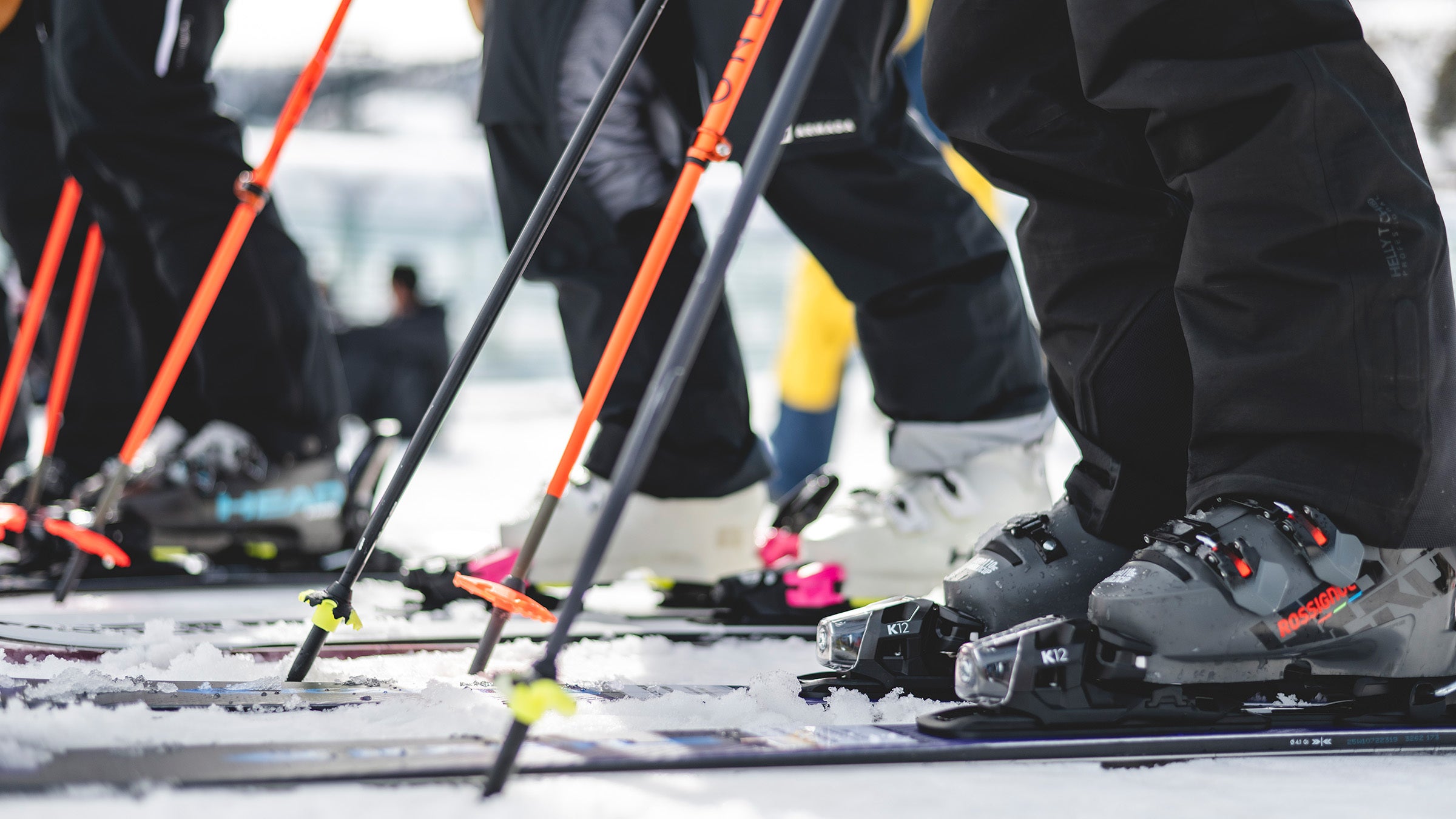
Another common but often dismissed injury is the subungual hematoma, colloquially known as "skier’s toe" or "black toenail." This occurs when the toes repeatedly strike the front of the boot, causing blood to pool under the nail. While it may seem like a cosmetic issue, Dr. Lobkova warns that excessive damage to the nail bed can cause irreversible changes. The nails may grow back thicker, shorter, or become permanently detached, and the risk of secondary fungal or bacterial infections increases significantly, sometimes requiring oral antibiotics or total nail removal.
The Evolution of Boot Fitting: From Off-the-Shelf to Custom Engineering
The global ski equipment market, valued at approximately $1.7 billion in 2023, has seen a significant shift toward "comfort performance." Manufacturers are increasingly utilizing heat-moldable plastics, but the intervention of a professional boot fitter remains the gold standard for injury prevention.
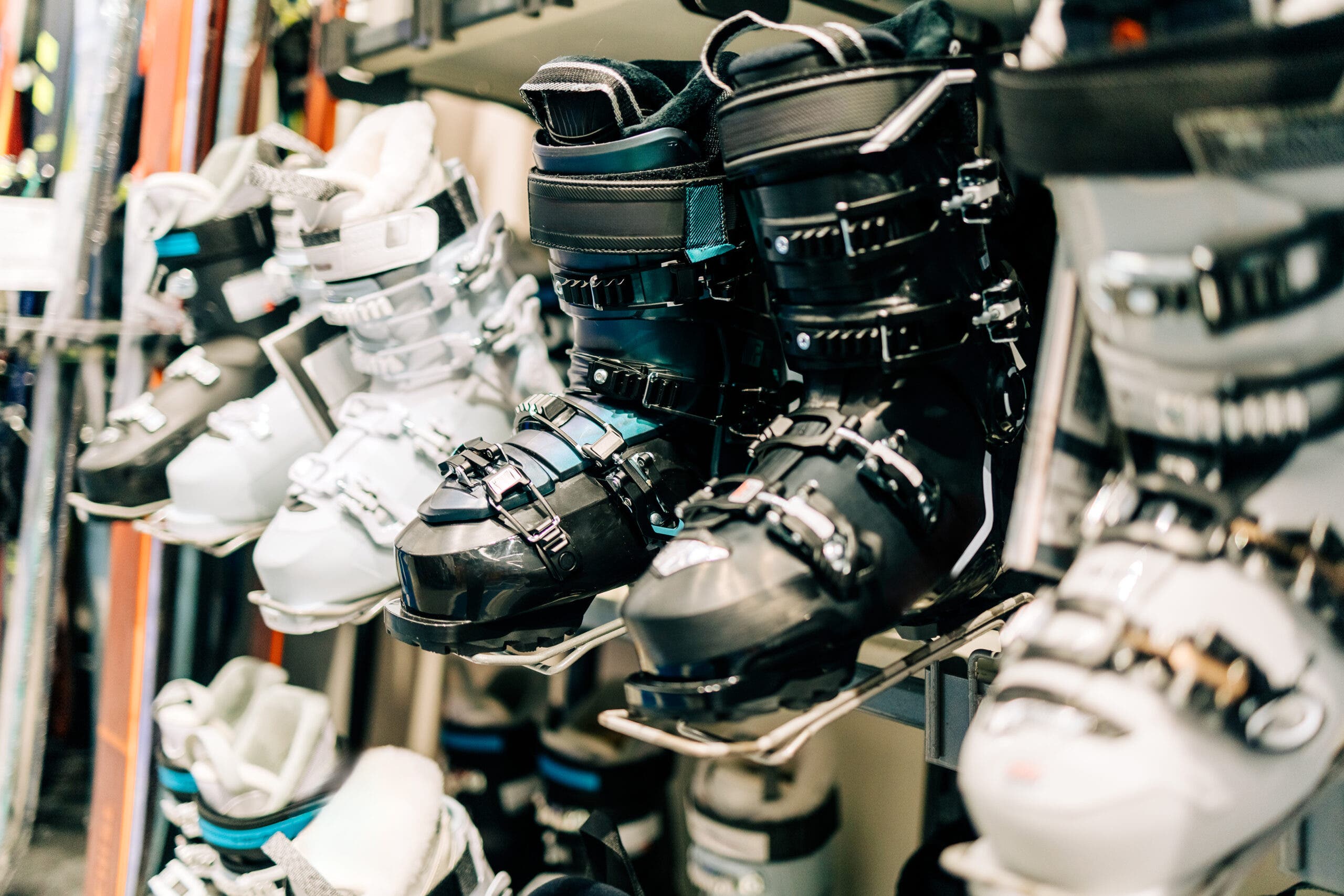
The process of "punching" a boot is one of the most effective mechanical solutions for foot health. This involves a technician using specialized hydraulic tools and heat guns to physically expand the plastic shell in specific areas where a skier might have a bone spur, a bunion, or an unusually wide forefoot. Dr. Daniels recounts a case where a high-level skier suffered for years with chronic big-toe trauma, believing it was an inherent part of the sport. By identifying the need for a specific shell length and a localized "punch" in the toe box, the skier was able to complete a full season without a single subungual hematoma.
For those who continue to experience pain despite shell modifications, the focus shifts to the internal environment of the boot. Dr. Lobkova frequently recommends custom orthotics specifically designed for the low-volume environment of a ski boot. Traditional over-the-counter insoles are often too thick, which can actually increase pressure on the top of the foot (the dorsal aspect), leading to nerve compression. Custom thin-profile insoles with an embedded metatarsal pad can help splay the toe bones, providing natural relief for Morton’s neuroma and improving overall balance.
Navigating the Rental Market: Protecting Your Feet on a Budget
Not every skier is prepared to invest $800 in a custom-fitted pair of boots, particularly those who only visit the mountains once a year. However, the rental process is often where the most significant foot damage occurs. Rental fleets are designed for durability and "average" foot shapes, which rarely account for individual anatomical nuances.
Dr. Daniels advises rental customers to resist the urge to "size up" for comfort. A boot that is too large allows the foot to slide forward during every turn, leading to "toe bang" and bruised nails. Conversely, skiers often over-compensate for a loose fit by cranking the buckles down too tight, which cuts off circulation and creates painful pressure points on the instep. The ideal fit should be snug, with the toes lightly brushing the front of the boot when standing straight, and pulling back slightly when the skier enters a "flexed" forward stance.
Furthermore, the choice of hosiery is a critical, yet often overlooked, factor. The industry consensus has shifted away from thick, heavy cotton socks, which retain moisture and lead to blisters and rapid heat loss. Modern performance socks made of merino wool or synthetic blends provide superior moisture-wicking and thermal regulation without adding unnecessary bulk that could compromise the boot’s fit.
Broader Implications for the Winter Sports Industry
The medical community’s push for better boot fits reflects a broader trend in the sports world toward longevity and injury prevention. As the average age of the skiing population in North America and Europe remains relatively high, maintaining foot health is essential for keeping participants active in the sport for decades.
The economic implications are also noteworthy. Ski resorts and equipment manufacturers are increasingly aware that "boot pain" is one of the primary reasons beginners abandon the sport after their first day. By promoting better fitting techniques and medical awareness, the industry is essentially investing in its own customer retention.
From a physiological standpoint, the advice from podiatrists is clear: the foot is not a static object to be jammed into a plastic box, but a dynamic structure that requires blood flow, nerve space, and proper alignment.
Conclusion and Best Practices for the Slopes
To mitigate the risk of permanent damage, experts suggest a multi-faceted approach to foot care during the ski season:
- The Mid-Day Release: Dr. Lobkova strongly recommends loosening or completely removing boots during lunch breaks. This prevents the "tourniquet effect" as feet naturally swell when moving from the cold outdoors to a warm lodge.
- Listen to the Body: Persistent numbness that lasts more than an hour after the boots are removed is a sign of nerve compression that requires professional attention.
- Professional Consultation: If pain persists, a consultation with a podiatrist who understands the mechanics of skiing can identify whether the issue is the boot, the foot’s anatomy, or a combination of both.
- Moisture Management: Keeping feet dry with high-quality merino wool socks is the first line of defense against blisters and cold-related injuries.
Ultimately, while the thrill of the descent is what draws millions to the mountains each year, the long-term health of the feet determines how many years a skier can enjoy that thrill. By rejecting the "badge of honor" associated with pain and embracing modern fitting technologies, skiers can ensure that their time on the slopes does not leave a lasting, painful legacy on their feet.

