
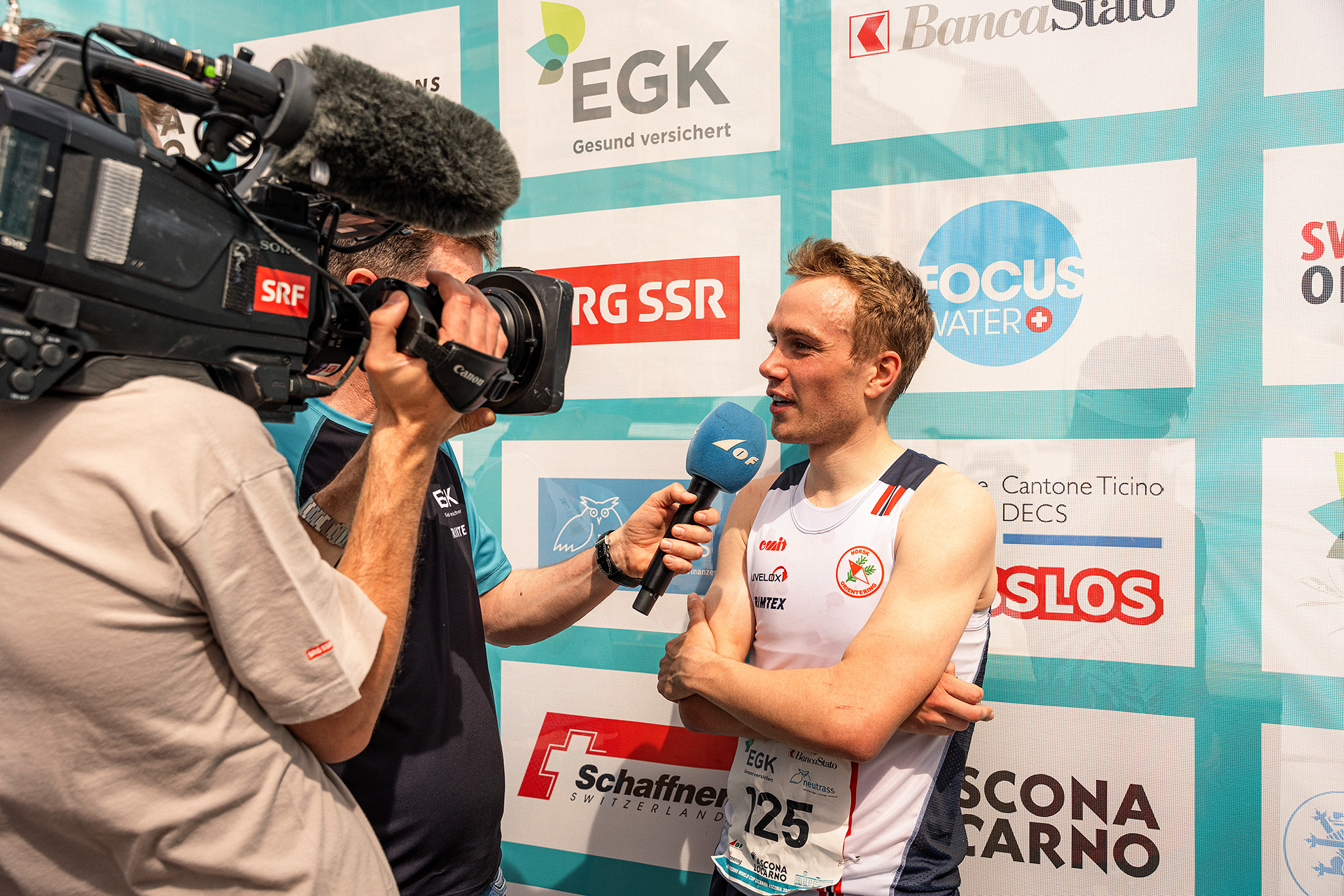
The World Cup orienteering season has been a rollercoaster for Norwegian star Kasper Fosser, marked by a near-disqualification in the recent knockout sprint in Locarno, Switzerland. This incident, while ultimately resolved in his favor, served as a stark reminder of how precarious his pursuit of a fourth World Cup title truly is. The specter of a disqualification loomed large, threatening to derail his ambitions, much like the opening races of the previous season which ultimately cost him the title.
A Dominant Force in Post-Pandemic Orienteering
Since the resumption of international competition following the COVID-19 pandemic in 2020, Kasper Fosser has established himself as a dominant force in the world of orienteering. His record speaks for itself: claiming the World Cup overall title in 2021, 2022, and, remarkably, again in 2024. He had set his sights on a historic fourth consecutive victory last season, a feat that would have cemented his legacy as one of the sport’s all-time greats.
However, the 2023 season began with a significant setback. A disastrous navigational error, a "bom" as it’s known in orienteering parlance, in the opening races held in Idre, Sweden, led to his disqualification. This early misstep proved to be a critical blow, and despite a string of exceptionally strong performances throughout the remainder of the season, Fosser was unable to bridge the points gap to his Swedish rival, Max Peter Bejmer. The disappointment of losing the title he had held for three consecutive years was palpable, underscoring the unforgiving nature of elite orienteering where even a single major error can have profound consequences.
A Tense Start to the Current World Cup Campaign
The current World Cup campaign, however, has seen Fosser get off to a much stronger start, even with the recent scare in Locarno. While he experienced another navigational error in the individual sprint race, which saw him finish outside the top ten, his overall performance has been more consistent. With two of the eight scheduled races now completed, Fosser currently sits in second place in the overall standings, trailing the Finnish leader, Tuomas Heikkilä, by a mere 16 points.
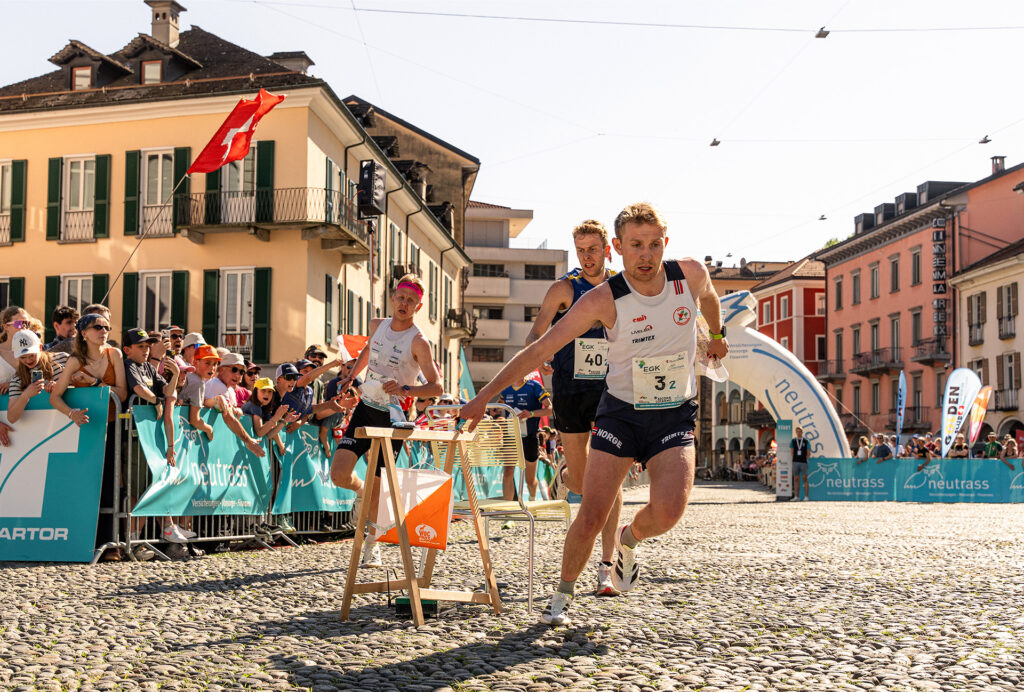
The incident in the final knockout sprint in Locarno, which Fosser ultimately won, brought the season’s fragility into sharp focus. The jury reviewed his performance after he crossed a barrier that the organizers had deemed forbidden. This moment of intense scrutiny and potential disqualification could have been a devastating blow to his title aspirations. Fortunately for Fosser and his supporters, the jury’s decision upheld his victory, allowing him to retain the points earned from the race. This decision is likely to be a crucial factor when the final World Cup standings are tallied in the autumn.
Norwegian Strength in Depth and Strategic Advantages
Beyond Fosser, Norway is showcasing considerable strength in depth in the current World Cup. Eirik Langedal Breivik is currently sharing fifth place in the overall standings with Czech competitor Tomas Krivda. Both Norwegian athletes, including Fosser, possess a significant strategic advantage heading into the latter half of the season.
The upcoming races in Sweden in late May are predominantly sprint-focused. However, the season’s trajectory shifts dramatically in August and September with a return to forest orienteering in the Czech Republic and Lithuania. This terrain and discipline are where Fosser and Langedal Breivik typically excel. Their dominance in forest disciplines was evident at the 2025 World Championships in Kuopio, Finland, where Fosser secured the long-distance title and Langedal Breivik triumphed in the middle-distance event. This specialization suggests that while the sprint races are crucial for accumulating early points, the longer, more technical forest courses could prove decisive in the ultimate battle for the World Cup.
The Women’s Field: A Tight Contest Unfolds
The women’s competition is equally compelling, with strong Norwegian contenders emerging. Last year’s overall winner, Simona Aebersold of Switzerland, holds a slender ten-point lead over Norwegian Pia Young Vik after the opening races in Locarno. The competition is fierce, with Victoria Håstad Bjørstad also making her mark and sharing fifth place alongside other competitors.
Pia Young Vik has demonstrated remarkable progress this year, indicating her potential to challenge for the overall title if her current form is maintained. Her second-place finish in the previous season suggests she is a consistent contender. The narrative of the women’s World Cup appears set to be a captivating duel between Aebersold and Young Vik, mirroring the close contest of the previous year. However, the potential for Swedish runner Hanna Lundberg to enter the fray adds another layer of intrigue to the championship race.
Broadcast and Upcoming Events: Following the Action Live
For enthusiasts eager to follow the drama unfold, langrenn.com is providing live and exclusive broadcasts of all World Cup races on their streaming channel, SC Play. A subscription to langrenn.com grants access to all the live action, including the Junior World Championships in Sweden and the Sprint World Championships in Italy.
The remaining World Cup events offer a diverse range of challenges:
May 2024:
- May 28: Knockout Sprint, Lidköping (Sweden)
- May 30: Sprint, Skara (Sweden)
- May 31: Sprint Relay, Skara (Sweden)
August 2024:
- August 6: Long Distance, Vyssi Brod (Czech Republic)
- August 8: Middle Distance, Vyssi Brod (Czech Republic)
- August 9: Relay, Vyssi Brod (Czech Republic)
September 2024:
- September 24: Long Distance, Druskininkai (Lithuania) – also European Championships
- September 26: Middle Distance, Druskininkai (Lithuania) – also European Championships
- September 27: Relay, Druskininkai (Lithuania) – also European Championships
The current World Cup standings can be accessed at https://orienteering.sport/worldcup-page/standings/.
The Significance of the Locarno Incident
The near-disqualification of Kasper Fosser in Locarno highlights the critical importance of rule adherence and the intense scrutiny faced by elite athletes. In orienteering, a sport that demands both physical prowess and strategic decision-making under pressure, even minor infringements can have severe repercussions. The incident serves as a potent reminder that the path to a World Cup title is fraught with challenges, requiring not only exceptional skill but also unwavering focus and meticulous attention to detail. Fosser’s ability to navigate these high-stakes situations, both on the course and in the jury room, will be a key determinant of his success in the remainder of the season. His experience in losing the title due to an early error will undoubtedly fuel his determination to avoid similar pitfalls as the season progresses.
Broader Implications for the Sport
The ongoing World Cup season, with its intense competition and dramatic twists, is generating significant interest in the sport of orienteering. The success of athletes like Kasper Fosser and Pia Young Vik, coupled with the robust performances of their Norwegian teammates, contributes to the sport’s growing visibility. The comprehensive broadcast coverage offered by platforms like langrenn.com plays a crucial role in making orienteering accessible to a wider audience, fostering engagement and potentially inspiring the next generation of elite athletes. The blend of sprint and forest disciplines, along with the inclusion of European Championships, provides a comprehensive test of an athlete’s all-around capabilities, making the World Cup a prestigious and eagerly anticipated event on the international sporting calendar. The strategic advantages of different terrain types and the varied race formats ensure that the title race remains dynamic and unpredictable, keeping fans on the edge of their seats until the final leg of the competition.

