
The upcoming FIS Nordic World Ski Championships, set to take place in Falun, Sweden, from February 22nd to March 7th, 2027, faces an unusual degree of uncertainty regarding its television broadcasting rights. With less than a year remaining until the opening ceremonies, neither Norwegian nor Swedish broadcasters have secured the rights to transmit the championships to their audiences. This situation has raised concerns among stakeholders, from event organizers to sports federations and the athletes themselves.
The process for acquiring these crucial broadcasting rights, which are being managed by the international sports marketing agency Infront on behalf of the International Ski and Snowboard Federation (FIS), commenced in the autumn of the previous year. Despite the extended negotiation period, a definitive agreement has yet to be reached. This lack of clarity is particularly concerning for the Falun organizing committee, who depend on broadcast agreements for event visibility and potential revenue streams.
Background of Broadcasting Rights Negotiations
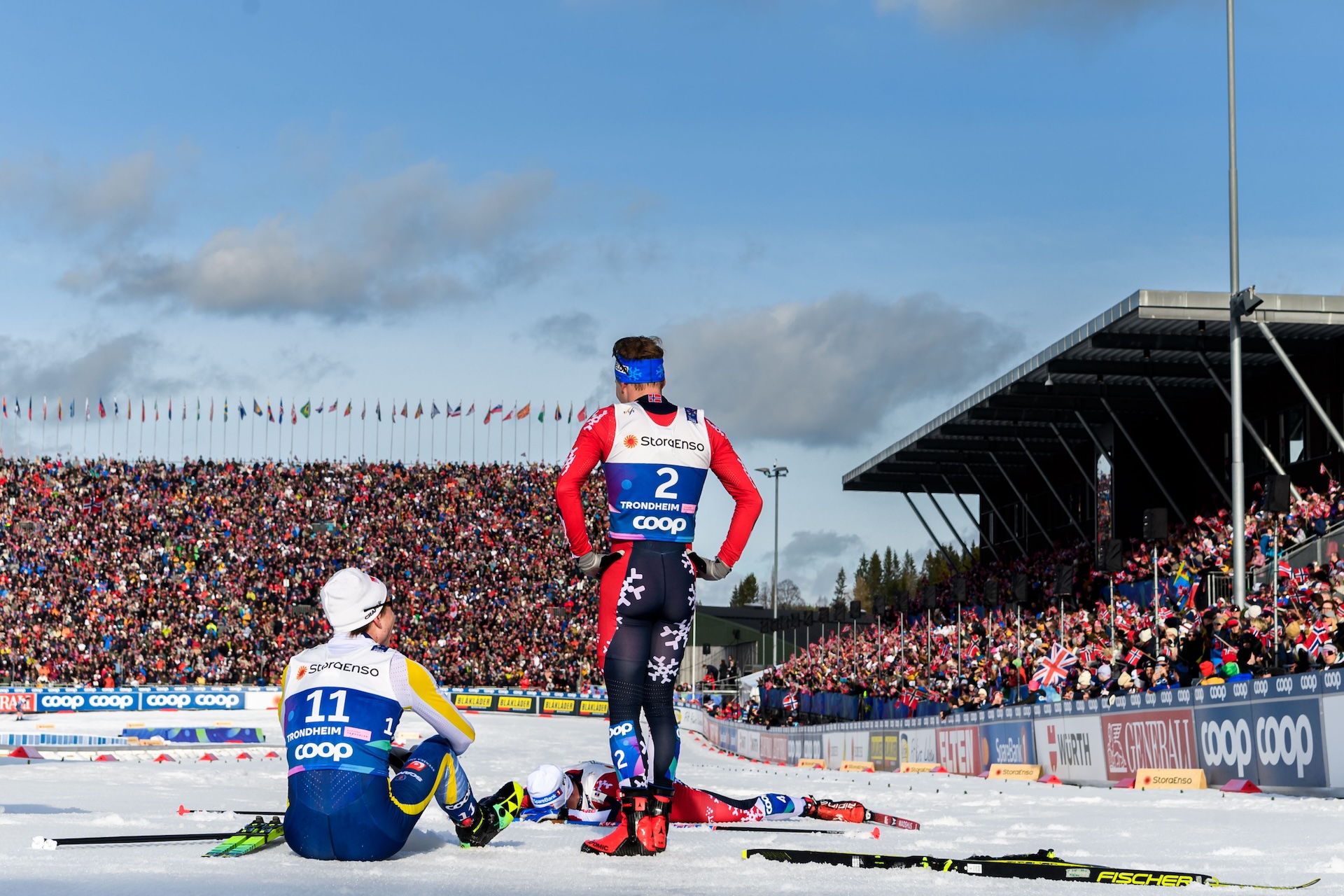
In the lead-up to the 2025 FIS Nordic World Ski Championships held in Trondheim, Norway, the broadcasting rights were shared between two major Norwegian public service broadcasters: NRK and TV 2. Both of these prominent media houses have reportedly submitted bids for the Falun 2027 championships. However, representatives from both NRK and TV 2 have declined to comment on the ongoing negotiations, adhering to standard practice during sensitive commercial discussions. The confidentiality surrounding these talks, while typical, exacerbates the lack of public information and contributes to the prevailing uncertainty.
Infront, a leading sports marketing company with extensive experience in selling media rights for major international sporting events, is the exclusive agency responsible for the global sale of media and marketing rights for FIS World Championships. Their mandate is to maximize the reach and commercial value of these championships for FIS and its member federations. The prolonged nature of these negotiations suggests a complex interplay of factors, potentially including competing bids, differing valuation expectations, and the strategic priorities of the broadcasters.
The Critical Role of Broadcasters in Ski Sport Promotion
The broadcast coverage of major ski events plays an instrumental role in shaping public engagement and supporting the development of the sport. Emil Iversen, a former prominent cross-country skier who has also gained experience as a television commentator, emphasized the profound impact that securing broadcast rights on major national channels has on the popularity and accessibility of skiing.
"Having the championships broadcast on NRK or TV 2 is a significant advantage for skiing in Norway," Iversen stated, drawing a parallel to the increased viewership and public interest generated by NRK’s coverage of the Olympic Games. He noted that the Olympic Games coverage on NRK marked a significant shift, seemingly capturing the attention of a broader audience. This sentiment highlights the understanding within the skiing community that free-to-air broadcasting on established national networks is crucial for nurturing grassroots interest and maintaining a high profile for the sport.
NRK’s commitment to covering major international sporting events is substantial. The Norwegian Broadcasting Corporation has secured rights for a series of Olympic Games, starting with the Winter Olympics in Milan/Cortina in 2026. This multi-year deal extends to the 2030 Winter Olympics in France, as well as the Summer Olympics in Los Angeles in 2028 and Brisbane in 2032. This strategic investment by NRK underscores the value placed on major sporting events in engaging the Norwegian public and fulfilling its public service mandate. However, the absence of a secured deal for the Falun World Championships leaves a notable gap in this otherwise comprehensive sports broadcasting landscape.
Organizational Pressures and Tightening Deadlines
The Falun organizing committee is reportedly experiencing considerable pressure due to the unresolved broadcasting rights situation. Terje Lund, the Event Director at the Norwegian Ski Federation, expressed his understanding of the potential stress faced by the Swedish organizers. The ability to finalize logistical arrangements, including media access and infrastructure planning, is contingent upon knowing which broadcasters will be present and the scope of their operations.
The deadline for submitting bids for the broadcasting rights was initially extended to the end of April and subsequently moved to May 15th. This extension suggests that the negotiation process has been more protracted than anticipated. Lund, who maintains close contact with the Falun organizers through FIS meetings, confirmed that as of mid-May, no definitive agreement had been reached.
"If I were an organizer in Falun, I would be a bit stressed right now," Lund commented, as reported by NTB. "They are still without knowing how much space they need to allocate for the media, or which media outlets will be present at all. So, they are likely quite stressed." This statement reveals the practical implications of the delay, impacting crucial operational planning for the event.
The "Listed Event" Status and Public Access
Despite the lack of clarity surrounding commercial broadcast deals, Terje Lund expressed a degree of reassurance for the Norwegian Ski Federation. He highlighted the "listed event" status that the FIS Nordic World Ski Championships holds in Norway. This designation mandates that the event must be broadcast on free-to-air channels, ensuring that at least 90 percent of the Norwegian population has access to the coverage.
"As long as the World Championships are a ‘listed event’ in Norway, and as long as we know that it will be broadcast on a major channel, we are not stressed," Lund explained. This provision offers a degree of protection, guaranteeing that the event will be accessible to the general public, regardless of which specific commercial broadcaster ultimately secures the rights. However, the specific details of this broadcast – such as the extent of coverage, commentary, and accompanying programming – remain unknown.
The "listed event" regulations in Norway are designed to safeguard public access to major national and international sporting events of significant cultural and public interest. These regulations ensure that events deemed important for national identity and collective experience are not exclusively confined to pay-per-view platforms. The inclusion of the FIS Nordic World Ski Championships on this list signifies its importance within the Norwegian sporting calendar.
Broader Implications for the Sport and Media Landscape
The prolonged uncertainty surrounding the broadcast rights for the Falun 2027 World Championships has wider implications for the sport of skiing and the media landscape. For FIS, the delay could potentially impact the revenue generated from media rights sales, particularly if the prolonged negotiation period leads to less competitive bidding or a perceived decrease in the event’s marketability.
For broadcasters, the decision of who will acquire the rights is strategic. The investment in such rights involves not only the financial outlay for the rights themselves but also the significant costs associated with production, commentary teams, studio facilities, and marketing campaigns. The timing of the announcement is also critical for broadcasters to effectively plan their programming schedules and promotional activities.
The appeal of the FIS Nordic World Ski Championships is considerable, given the popularity of disciplines such as cross-country skiing, ski jumping, and Nordic combined, particularly in Nordic countries. The performances of star athletes, the dramatic narratives that unfold during competitions, and the scenic backdrops of the host locations all contribute to a compelling viewing experience. The continued uncertainty risks diminishing the build-up and anticipation that typically surrounds such a major championship.
Potential Scenarios and Future Outlook
Several scenarios could explain the protracted negotiations. It is possible that FIS and Infront are seeking to secure the most advantageous deal possible, potentially involving a consolidated rights package for multiple events or territories. Alternatively, there might be a divergence in the perceived value of the rights between the seller and potential buyers, leading to protracted bargaining.
The involvement of both public service broadcasters (like NRK in Norway) and commercial broadcasters (like TV 2 in Norway and SVT/TV4 in Sweden) adds another layer of complexity. Public service broadcasters often operate under different financial models and public service mandates compared to commercial entities, influencing their bidding strategies and risk appetite.
As the clock ticks down towards the 2027 Falun World Championships, the pressure will undoubtedly intensify. The organizing committee in Falun will require clarity to finalize their plans. Broadcasters will need sufficient lead time to prepare for a successful transmission. And the legions of skiing fans across Norway and Sweden will be eager to know where they can follow the thrilling action from the slopes and ski jumps. The resolution of this broadcast rights saga is not merely a commercial transaction; it is a critical step in ensuring the continued visibility and popularity of one of winter sports’ most cherished events. The outcome will likely reflect the evolving dynamics of sports broadcasting rights in an increasingly competitive media environment.

