
As the vibrant tapestry of spring unfurls across Idaho, blanketing its diverse landscapes with renewed life, a familiar yet crucial advisory is being reissued by the Idaho Department of Fish and Game (IDFG). The agency is once again strongly cautioning residents against the well-intentioned but often detrimental practice of attempting to "rescue" young wild animals. Each year, as fawns, ducklings, goslings, and fledglings begin to emerge, well-meaning individuals frequently misinterpret natural parental behaviors as abandonment, leading to unnecessary human intervention. This proactive public education campaign aims to prevent the disruption of natural wildlife processes and protect young animals from potentially harmful human contact.
The Annual Spring Dilemma: Misinterpreting Natural Parental Care
The arrival of spring in Idaho signifies a period of heightened reproductive activity across a multitude of wildlife species. From the delicate rustling of new fawns in dense underbrush to the chirping calls of newly hatched birds, the landscape teems with vulnerable young. However, the very instincts that ensure the survival of these animals often lead to their apparent "abandonment" by human observers.
Wildlife mothers, employing sophisticated survival strategies honed over millennia, frequently leave their offspring for extended periods. This is particularly true for species like deer, elk, and pronghorn. Young fawns, for instance, possess a cryptic camouflage and a scent that can deter predators. Their mothers will often tuck them into secluded, dense vegetation, leaving them for several hours at a time to forage for food. This allows the mother to maintain her own strength and avoid drawing attention to her vulnerable young. Similarly, young birds that have recently left the nest, or fledglings, may appear grounded and helpless. In reality, they are often still under the vigilant, albeit sometimes distant, supervision of their parents, who continue to provide food and protection until the young birds are capable of sustained flight and independent survival.
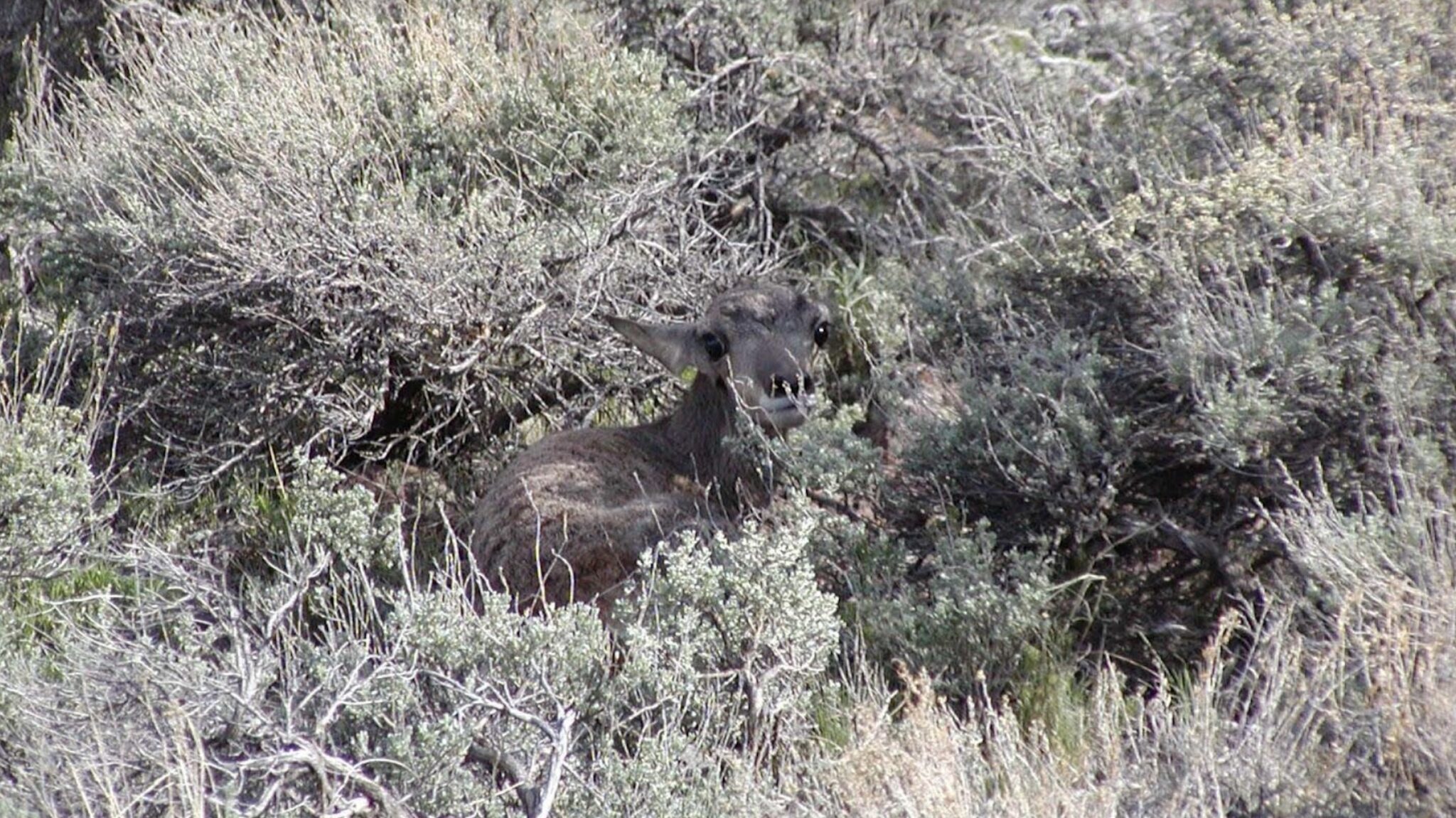
The IDFG receives a significant volume of calls each spring from concerned citizens who have encountered these seemingly solitary young animals. These calls frequently result in the removal of animals from their natural environment, a practice that, despite its benevolent intentions, often leads to negative outcomes for the wildlife.
The Peril of Well-Meaning Intervention
The impulse to help a seemingly abandoned animal is deeply ingrained. However, the reality of wildlife rehabilitation is far more complex than many people realize. Young wild animals require highly specialized diets, environments, and social structures that are exceedingly difficult to replicate in a typical household setting.
- Nutritional Needs: Many young animals have very specific and time-sensitive nutritional requirements. Incorrect feeding can lead to severe digestive issues, developmental problems, and ultimately, death. For example, deer fawns require milk with a precise fat and protein content, and improper formula can be fatal.
- Disease Transmission: Wild animals can carry diseases and parasites that are transmissible to humans and domestic pets. Conversely, humans can also transmit diseases to young wildlife, which may have underdeveloped immune systems.
- Imprinting and Habituation: When humans regularly interact with or feed young wild animals, they can become imprinted on humans. This means they may lose their natural fear of people, making them more vulnerable to injury from vehicles, predators, or even human cruelty. Habituation can also prevent them from learning essential survival skills from their natural parents, such as foraging, predator avoidance, and social behaviors.
- Legal Ramifications: In Idaho, as in many states, it is illegal to possess or remove most wild animals from their natural habitat without proper permits. The IDFG enforces these regulations to protect both the wildlife and the public.
The agency’s consistent message underscores that wildlife mothers are the best equipped caregivers for their offspring. Their innate knowledge and maternal instincts are far more effective than any human intervention, no matter how compassionate.
Observing from a Distance: The Golden Rule
Idaho Fish and Game strongly advises the public to adopt a "look, don’t touch" policy when encountering young wildlife. The most beneficial action an individual can take is to observe the animal from a safe and respectful distance, ensuring no disruption to its natural behavior or parental care.
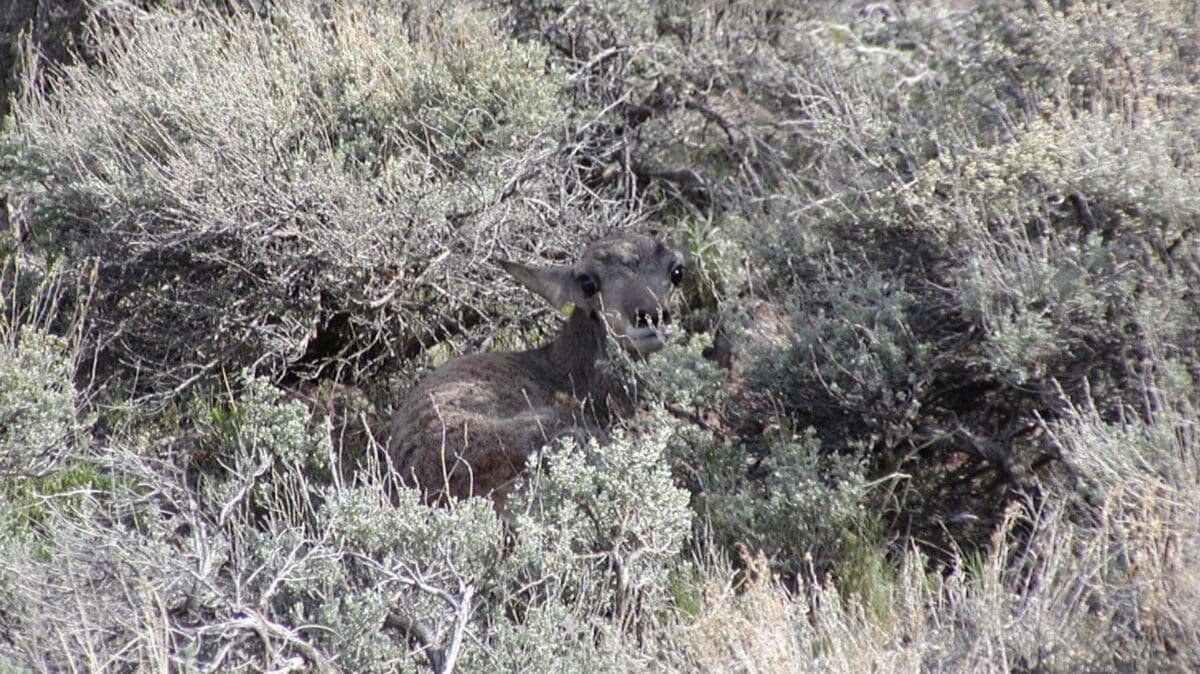
- Fawns: If a fawn is discovered in tall grass or brush, it is likely being hidden by its mother. The mother will return periodically to nurse. Unless the fawn is visibly injured, in immediate danger (e.g., in the middle of a busy road), or has been demonstrably alone and distressed for an extended period (more than 12-24 hours), it is best to leave it undisturbed.
- Birds: Fledglings, having recently left the nest, may spend several days on the ground learning to fly. Their parents are typically nearby, continuing to feed and protect them. Unless a fledgling is in immediate peril, such as in the path of traffic or being actively attacked by a predator, human intervention is usually not required.
- Other Young Mammals: Similar principles apply to young rabbits, squirrels, and other small mammals. Their parents often leave them alone while they forage.
When True Intervention is Necessary
While the vast majority of observed young wildlife do not require human assistance, there are specific circumstances where intervention by wildlife professionals may be warranted. The IDFG encourages the public to contact their nearest regional office if they have genuine concerns about an animal’s welfare. These concerns should be based on clear indicators of distress or injury, such as:
- Visible Injuries: The animal has obvious wounds, is bleeding, or appears to be struggling to move.
- Hypothermia or Hyperthermia: The animal is shivering uncontrollably or appears lethargic due to extreme temperatures.
- Predator Presence: The animal is in immediate danger from a predator, and its parent is nowhere in sight.
- Confirmed Orphaned Status: There is irrefutable evidence that the parents are deceased or have been absent for an extended period without any sign of return.
IDFG staff are trained to assess these situations and will provide guidance or, when necessary, coordinate the rescue and rehabilitation of truly orphaned or injured animals. They work with licensed wildlife rehabilitators who possess the expertise and facilities to provide appropriate care.
Broader Implications for Idaho’s Ecosystem
The IDFG’s annual advisory serves a critical role in maintaining the ecological balance of Idaho’s diverse habitats. By discouraging unnecessary human intervention, the agency aims to:
- Preserve Natural Selection: Allowing nature to take its course, including the natural mortality rates of young wildlife, is essential for maintaining healthy, resilient populations. Intervention can disrupt these natural processes.
- Promote Wildlife Independence: Empowering young animals to learn essential survival skills from their parents is paramount for their long-term viability in the wild.
- Prevent Human-Wildlife Conflict: By educating the public, the IDFG reduces the number of animals that become habituated to humans, thereby minimizing potential conflicts and risks to both humans and wildlife.
- Resource Management: The calls received by the IDFG represent a significant drain on agency resources, including staff time and funding. By reducing unnecessary calls, resources can be better allocated to critical conservation efforts.
The ongoing dialogue between wildlife agencies and the public is vital for fostering a shared understanding and appreciation for the natural world. As Idahoans enjoy the beauty of spring, the message from Fish and Game remains clear: the most profound act of conservation is often to simply let nature work its course.

