
The unseasonably warm weather gripping Vermont has presented a unique challenge for Killington Resort, but the iconic ski area is gearing up for a special operating weekend, weather permitting, on its renowned Superstar trail. Despite the late spring conditions, resort officials have announced plans to open the Superstar Six chairlift on Friday, May 23rd, and Saturday, May 24th, with potential operations extending into Sunday, May 25th, marking a remarkable continuation of their winter season well into late May. This late-season push is a testament to the resort’s commitment to providing skiing opportunities and capitalizing on the remaining snowpack.
A Race Against Time: Preserving the Superstar Snowpack
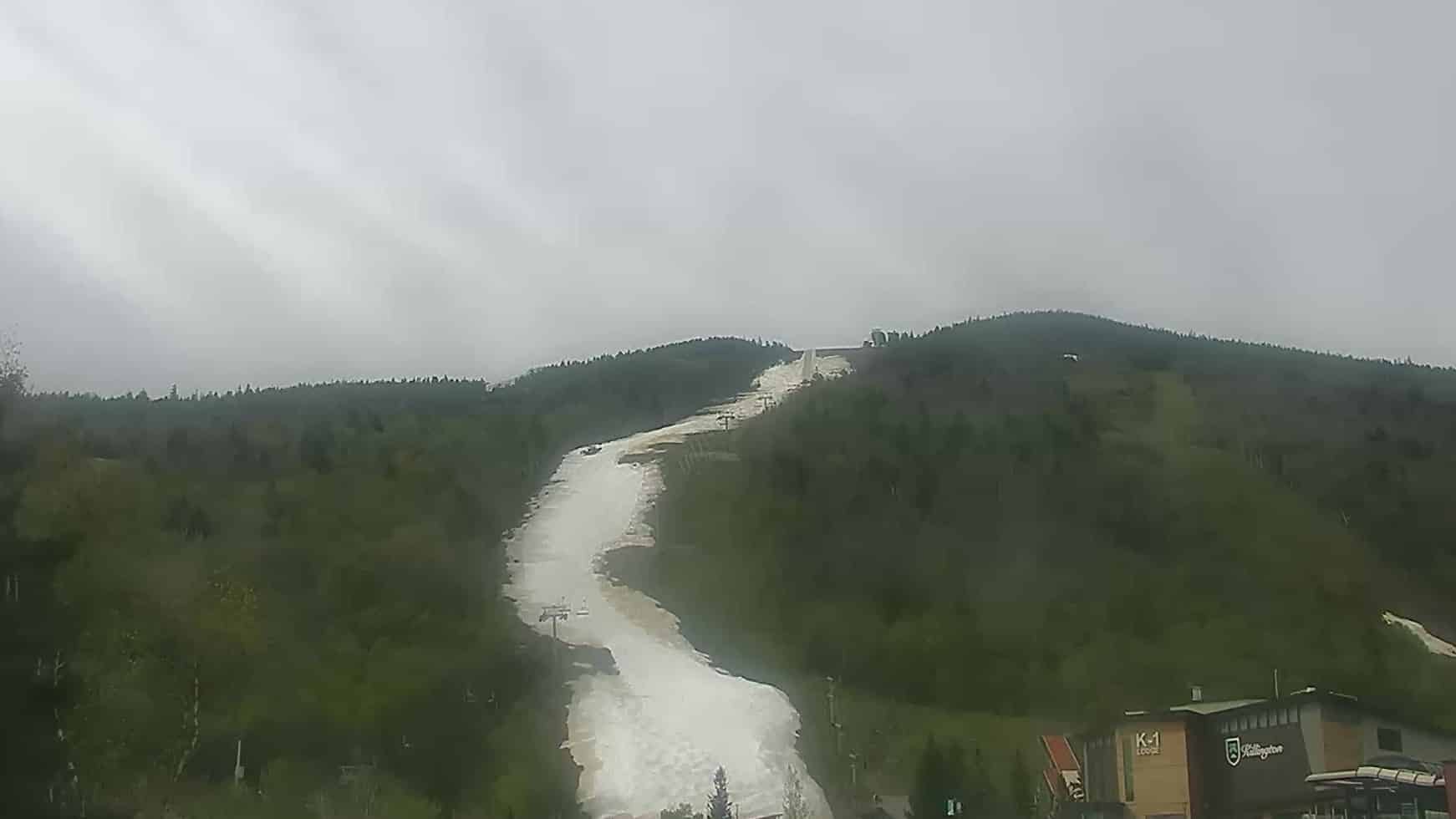
The Superstar trail, famous for its consistent snow quality and challenging pitch, has been the primary focus of Killington’s late-season operations. However, a recent warm front has significantly impacted the snowpack, leading to noticeable thinning and the emergence of bare patches. In response, Killington’s dedicated snow grooming crews have been working diligently to consolidate and groom the remaining snow, creating a viable skiable path. While this effort aims to extend the season, skiers and riders should anticipate a unique experience, likely involving sections of "dirt skiing" or even requiring some walking. This is a common, albeit challenging, characteristic of late-season skiing at high-elevation resorts where natural snow is supplemented by advanced grooming techniques.
The decision to operate this weekend is contingent on the snowpack’s ability to withstand the prevailing conditions. The Superstar Six chairlift is scheduled to run from 9 a.m. to 5 p.m. on Friday and from 8 a.m. to 5 p.m. on Saturday. The possibility of operating on Sunday hinges on the snow’s condition at the end of Saturday’s operations. This delicate balance between the natural environment and operational feasibility underscores the unique nature of this late-season offering.
Ticket Information and Community Benefit
Tickets for this special weekend of skiing are priced at $40 for Saturday, with a potential similar price for Sunday. A significant portion of the proceeds from these ticket sales will be directed towards the Killington Recreation Department’s ambitious project: the development of a new community swimming pool. This initiative not only offers a final chance for skiers to hit the slopes but also contributes directly to a vital local amenity, weaving together recreational interests with community development. The Recreation Department has been fundraising for the pool for several years, and this event presents a unique opportunity to boost their efforts.
Beyond the Slopes: A Triple-Sport Weekend at Killington
While the Superstar trail offers a final dose of winter sports, Killington Resort is embracing the full spectrum of outdoor activities this Memorial Day weekend, billing it as a "triple-sport weekend." For those looking to transition from snow to summer pursuits, the mountain bike park is scheduled to open on Friday. A significant portion of the Snowshed trails will be accessible, providing a diverse range of terrain for mountain biking enthusiasts.
Complementing the biking, the resort’s picturesque golf course is now open daily, offering scenic views and challenging play. This dual offering ensures that visitors seeking warmer-weather recreation have ample options.
Furthermore, the nearby Pico Mountain, also operated by Killington, will be hosting the Total Archery Challenge from May 22nd to May 24th. This event draws archers of all skill levels to compete on challenging courses set amidst the natural beauty of the mountains, adding another layer of outdoor adventure to the region’s Memorial Day weekend offerings.
A Look at Late-Season Skiing Economics and Operations
Operating a ski resort in late May is a complex undertaking, balancing the costs of snowmaking and grooming with potential revenue. Killington’s decision to open Superstar Six reflects a strategic approach to maximizing the use of its infrastructure and snow resources. Historically, Killington has been known for its extended ski seasons, often being one of the last resorts in the East to close. This year’s operation, however, is particularly noteworthy given the significant warm spell experienced across the Northeast.
The financial viability of such late-season operations often depends on a dedicated segment of the skiing community willing to pay a premium for the opportunity to ski when other resorts have long since closed. The $40 ticket price for a limited operation reflects the specialized nature of the offering and the costs associated with maintaining the slopes.

The Superstar Glacier: A Symbol of Resilience
The Superstar trail’s ability to host skiing into late May is a testament to its unique microclimate and the resort’s advanced snow management capabilities. The "Superstar Glacier," as it’s informally known, is a high-alpine area that retains snow longer than lower elevations. The resort’s investment in snowmaking technology and expert grooming staff allows them to preserve and shape this snowpack, even under challenging spring conditions.
The image provided, showing the Superstar Glacier on a recent day, highlights the current state of the snowpack. While the image depicts a white ribbon of snow, the accompanying text and the nature of late-season skiing indicate that this is a carefully managed and somewhat fragile resource. The visual contrast between the lush green of the surrounding landscape and the remaining snow on the trail underscores the unusual circumstances of this extended season.
Broader Implications for the Ski Industry and Tourism
Killington’s decision to remain open this weekend has broader implications for the ski industry and the local tourism economy. It demonstrates the potential for resorts to adapt and innovate in the face of changing climate patterns and evolving consumer demand. While climate change poses long-term challenges to winter sports, successful late-season operations like this can provide valuable revenue streams and maintain brand visibility.
For the Killington region, this extended operational period translates into continued economic activity for local businesses, including restaurants, lodging, and retail shops. It also reinforces Killington’s reputation as a premier year-round destination, offering diverse recreational opportunities across different seasons. The success of this weekend’s operations could also inform future strategies for other resorts looking to extend their seasons or capitalize on unique environmental conditions. The commitment to supporting a local community project through these ticket sales further strengthens the resort’s ties to the Killington area and showcases a model of corporate social responsibility within the tourism sector.
The operational timeline for Killington’s late-season skiing has a precedent, with the resort historically aiming for extended seasons. For instance, in past years, Killington has been known to operate well into May and even June on occasion, particularly on the Superstar trail. This year’s operation, while challenging due to the warm weather, is a continuation of this tradition. The resort’s ability to adapt its operational plans based on real-time conditions, as evidenced by the potential for Sunday operations being contingent on Saturday’s snow, highlights their flexibility.
The economic analysis of such operations involves a careful calculation of fixed and variable costs. Fixed costs include maintaining lifts and infrastructure, while variable costs involve staffing, grooming fuel, and potential snowmaking efforts if conditions necessitate. The revenue generated from ticket sales, food and beverage, and retail is weighed against these costs. The $40 price point suggests that the resort is aiming for a profitable, albeit smaller-scale, operation, prioritizing the experience and the community benefit over mass participation.
The broader impact on the ski industry is also noteworthy. As more resorts face shorter seasons due to climate change, Killington’s success in extending its season can serve as a case study. It demonstrates that with the right resources, expertise, and a dedicated customer base, it may be possible to mitigate some of the impacts of warmer winters. This could encourage further investment in snow management technologies and innovative operational models across the industry. The synergy between ski operations and other summer activities also points towards a future where resorts are increasingly viewed as year-round destinations, diversifying their revenue streams and appealing to a broader range of tourists. The community engagement aspect, particularly the benefit to the local recreation department, sets a positive example for how resorts can integrate with and contribute to their local communities, fostering goodwill and long-term sustainability.

