
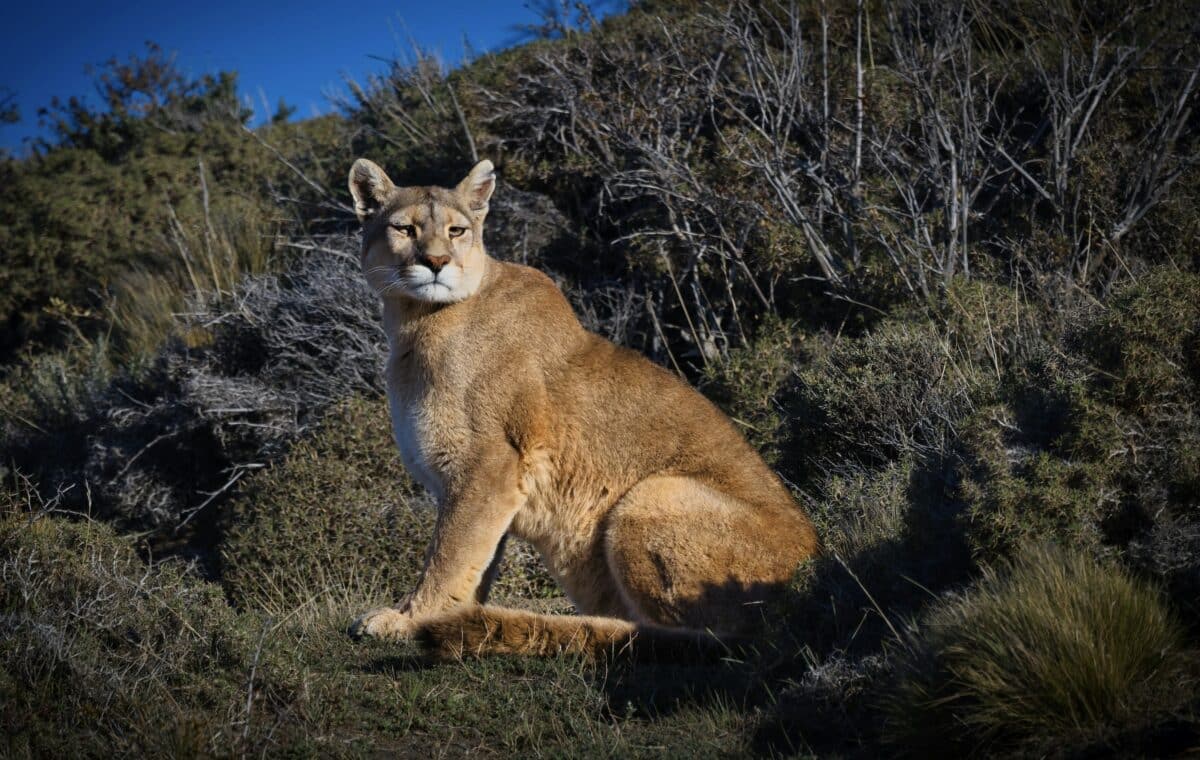
A routine mountain biking excursion on a popular trail near Telluride took a dramatic turn on Thursday afternoon when a rider encountered an adult mountain lion at close range. The incident, which occurred on the lower Wasatch Trail in the Bear Creek area, has prompted renewed attention to wildlife safety protocols in the region, according to the San Miguel County Sheriff’s Office.
The encounter, which took place at approximately 4:15 p.m. on June 18th, involved a solo rider who reportedly startled the large feline. Initial reports, relayed to dispatch, indicated the lion was sighted near Bear Creek Falls, triggering a response from the Telluride Marshal’s Office to ensure public safety. Fortunately, the lion did not exhibit aggressive behavior, and no physical contact was made between the animal and the rider, who emerged from the encounter unharmed.
Background and Chronology of the Incident
The San Miguel County Sheriff’s Office, in a statement following the incident, confirmed the details of the close call. The rider, whose identity has not been released, was navigating the Wasatch Trail, a well-trafficked route known for its scenic beauty and challenging terrain. It is believed that the rider inadvertently surprised the mountain lion, which had been effectively camouflaged within the dense trailside vegetation.
The specific timeline of the encounter is as follows:

- Approximately 4:15 p.m. on Thursday, June 18th: A mountain biker is riding on the lower Wasatch Trail.
- During the ride: The biker encounters an adult mountain lion. The circumstances suggest the lion was concealed and likely startled by the rider’s approach.
- Immediate aftermath: The rider reports the encounter to dispatch.
- Law enforcement response: Initial reports of the lion’s proximity to Bear Creek Falls prompt a response from the Telluride Marshal’s Office.
- Sheriff’s Office confirmation: The San Miguel County Sheriff’s Office is notified and investigates the incident, confirming the close proximity and lack of aggression from the animal.
The location, the Bear Creek area, is a known habitat for various wildlife, including mountain lions. The Wasatch Trail Loop and the Bear Creek Falls Trail are popular recreational areas, drawing hikers, bikers, and nature enthusiasts throughout the year. This proximity to human activity, coupled with the natural behavior of apex predators, underscores the importance of awareness and preparedness.
Growing Frequency of Sightings and Wildlife Safety
The incident near Telluride is not an isolated event. Wildlife officials have observed an increasing frequency of mountain lion sightings in residential and recreational areas across Colorado in recent years. This trend is often attributed to factors such as habitat encroachment, a healthy prey population, and the natural adaptability of these animals to human-altered landscapes.
Colorado Parks and Wildlife (CPW) has consistently emphasized that mountain lion attacks on humans are exceedingly rare. However, the potential for such encounters necessitates a proactive approach to public safety. CPW provides comprehensive guidelines for individuals venturing into mountain lion territory.
Official Recommendations for Mountain Lion Encounters
In the event of a mountain lion encounter, CPW advises a series of actions designed to de-escalate the situation and ensure the safety of both humans and wildlife. The primary recommendations include:
- Maintain visual contact: Stop your activity and make direct eye contact with the animal. This demonstrates that you are aware of its presence and not an easy target.
- Do not run: Running can trigger a predator’s instinct to chase. The goal is to appear as a threat, not prey.
- Appear larger: Make yourself as imposing as possible. Raise your arms, open your jacket, and stand as tall as you can. This can make a lion reconsider approaching.
- Speak firmly and loudly: Use a strong, assertive voice. Back away slowly while maintaining eye contact and ensuring the animal has a clear escape route.
- Protect children and pets: Keep children and pets close. If possible, pick up small children without bending over or turning your back, as this can make you appear vulnerable.
Aggressive Behavior and Self-Defense
If a mountain lion exhibits signs of aggression, such as crouching, hissing, or stalking, immediate defensive measures are recommended:
- Intensify defensive actions: Wave your arms vigorously and throw rocks, sticks, or any available objects at the animal. The objective is to deter its advance.
- Utilize deterrents: Bear spray has been proven effective in deterring mountain lions. Carrying and knowing how to use bear spray is a valuable safety precaution in lion country.
- Never play dead: Unlike encounters with some other animals, playing dead is not advised with mountain lions. This can be interpreted as submission and may embolden the animal.
- Fight back aggressively: In the unfortunate event of an attack, CPW strongly advises fighting back with all available means. This includes using rocks, sticks, trekking poles, knives, or even your fists. Numerous accounts exist of individuals successfully repelling mountain lions by fighting back ferociously.
Proactive Measures to Reduce Encounter Risks
Beyond immediate response protocols, CPW also offers guidance on preventative measures to minimize the likelihood of encountering a mountain lion:
- Hike in groups: Traveling with others significantly reduces the risk of an encounter. A group is more visible and can create more noise, making them less appealing targets.
- Avoid dawn, dusk, and night: Mountain lions are most active during these low-light periods. Stick to daylight hours for outdoor activities in known lion habitats.
- Make noise: In areas with dense vegetation or limited visibility, make noise by talking, singing, or clapping. This alerts wildlife to your presence, allowing them to avoid you.
- Keep pets and children close: Ensure pets are on a leash and keep young children within arm’s reach. Pets can attract predators, and small children can be vulnerable.
- Be aware of surroundings: Pay attention to your environment. Look for tracks, scat, or other signs of wildlife activity.
Broader Implications for Outdoor Recreation
The recurring mountain lion sightings and the recent close encounter near Telluride serve as a pertinent reminder of the shared landscape between humans and wildlife. As recreational use of natural areas continues to grow, so does the potential for human-wildlife interactions.
Data from CPW indicates that while attacks are rare, incidents of mountain lions entering residential areas or posing a perceived threat have become more noticeable. This highlights the dynamic nature of wildlife populations and their adaptation to human presence.
The incident on the Wasatch Trail, though without physical harm, reinforces the need for ongoing public education and adherence to safety guidelines. It underscores the importance of respecting wildlife and understanding their behavior to ensure safe and enjoyable experiences in the outdoors for both people and animals. Local authorities and wildlife agencies will likely continue to monitor wildlife activity in the Telluride area and provide updated safety advisories as needed, emphasizing the delicate balance required for coexistence in shared natural spaces.

