
In a significant development for the global ski industry, Mountain Capital Partners (MCP), a prominent consolidator of ski resorts, has officially withdrawn its bid to acquire Andacor S.A., the parent company of several key Chilean ski areas. This decision, confirmed this week, halts a transaction that would have dramatically reshaped the landscape of skiing in South America and places a spotlight on the regulatory scrutiny faced by rapidly expanding entities in the sector. The deal’s collapse stems from objections raised by Chile’s National Economic Prosecutor’s Office (FNE), citing potential monopolistic concerns.
Background: MCP’s Aggressive Expansion and Chilean Ambitions
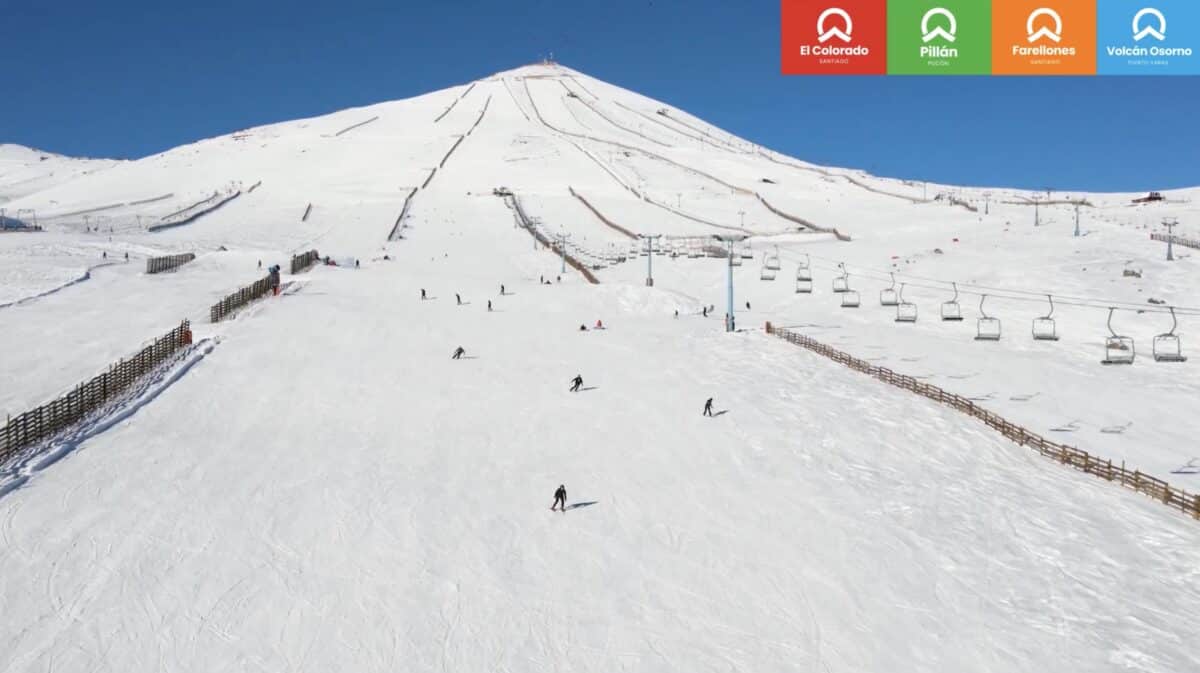
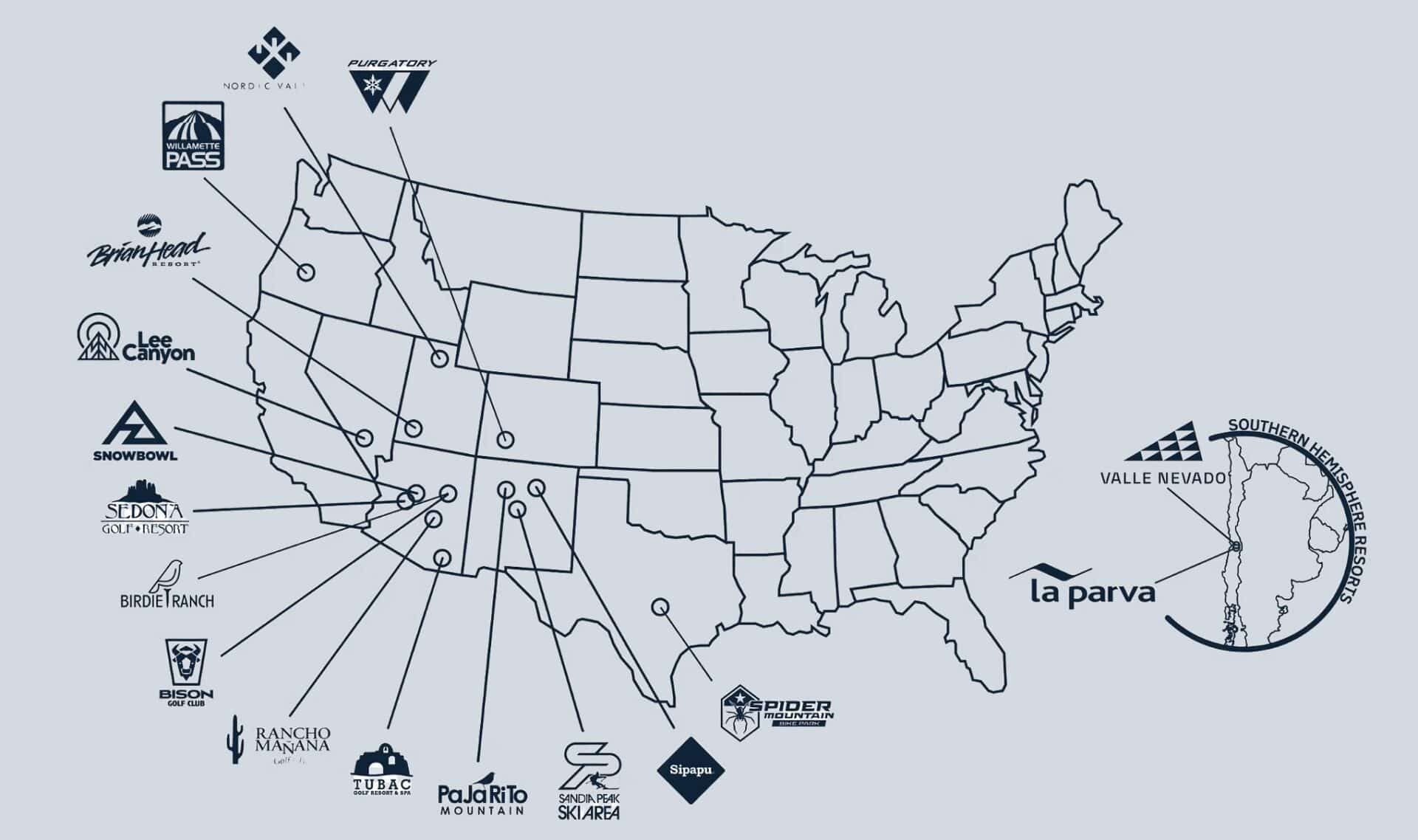
Mountain Capital Partners has carved a notable niche in the ski resort industry throughout the 2020s, marked by a series of strategic acquisitions. Their portfolio has steadily grown to include properties across North America, such as Lee Canyon in Nevada and Sandia Peak in New Mexico. Their international ambitions took a significant leap with the earlier acquisition of Valle Nevado and La Parva, two of Chile’s most renowned ski destinations. The intended acquisition of Andacor S.A. was poised to further solidify MCP’s presence in the Chilean market, uniting El Colorado, Parque Farellones, Volcán Osorno, and Pillán under their banner.
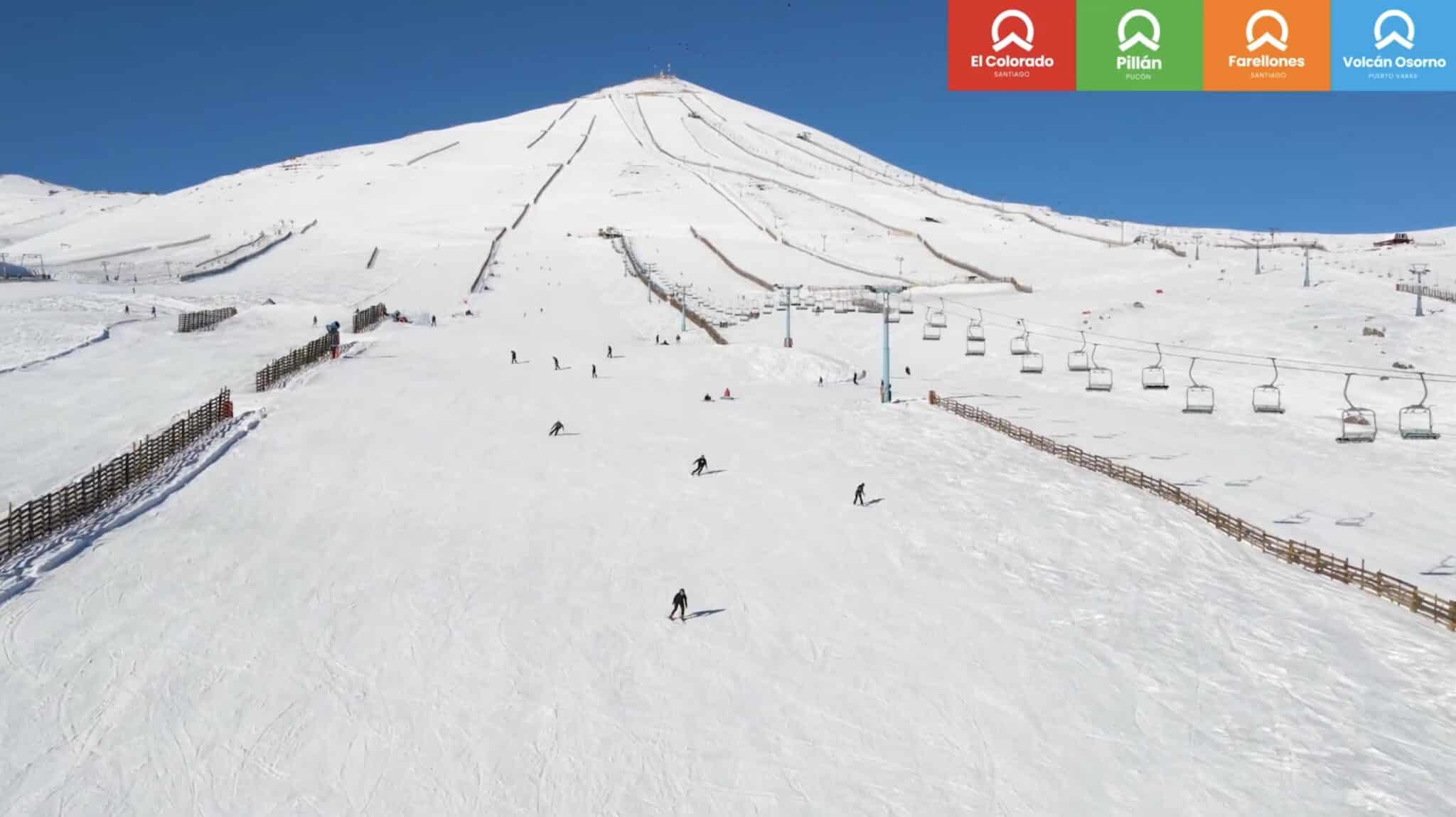
The proposed consolidation of El Colorado and Parque Farellones with Valle Nevado and La Parva would have created a formidable ski conglomerate, often referred to as "Tres Valles" (Three Valleys), effectively bringing these major Chilean ski areas under a single ownership. This vision promised enhanced operational synergies, potential for integrated ticketing, and coordinated investment in infrastructure. However, the FNE’s intervention signaled a critical divergence in perspective regarding the competitive implications of such a consolidation.
The Regulatory Hurdle: FNE’s Antitrust Analysis
The core of the FNE’s opposition lay in its assessment of market concentration. According to analyses reported by Chilean news outlet Chocale, the FNE concluded that the acquisition of Andacor S.A. by MCP would have granted the latter an overwhelming market share in Chile’s ski sector. The FNE’s findings indicated that MCP would have controlled upwards of 80% of various ski market segments and potentially as much as 97% of sales to Chilean skiers.
While representatives from Andacor S.A. reportedly characterized the company as being "in crisis," a status that sometimes can be a factor in merger reviews, the FNE did not deem this sufficient grounds to approve a transaction with such pronounced market dominance implications. Antitrust authorities globally are tasked with preventing mergers that could lead to reduced competition, higher prices for consumers, and diminished innovation. In this instance, the FNE’s analysis suggests a belief that the proposed deal would have tipped the scales too far, potentially disadvantaging remaining independent operators and consumers alike.
MCP’s Proposed Investments and Vision for Chile
Despite the regulatory roadblock, Mountain Capital Partners had articulated a clear vision for the Chilean resorts, emphasizing a commitment to substantial investment and making skiing more accessible. The Storm Skiing Journal reported that MCP had planned to inject at least $25 million into the acquired properties. These planned investments were not merely cosmetic; they encompassed a comprehensive upgrade strategy designed to modernize the ski experience.
Key initiatives reportedly included significant enhancements to snowmaking capabilities, expansion of skiable terrain, and the installation of new, modern lifts. Furthermore, MCP had intended to introduce a wide-ranging season pass program, potentially offering access to its growing network of destinations across both North and South America. This integrated pass concept could have provided significant value to skiers, allowing for greater flexibility and exploration across continents. The overarching goal, as presented by MCP, was to revitalize the resorts, improve the overall visitor experience, and foster a more vibrant and affordable skiing culture in Chile.
Implications for the Chilean Ski Market and Beyond
The FNE’s decision to block the merger has several significant implications:
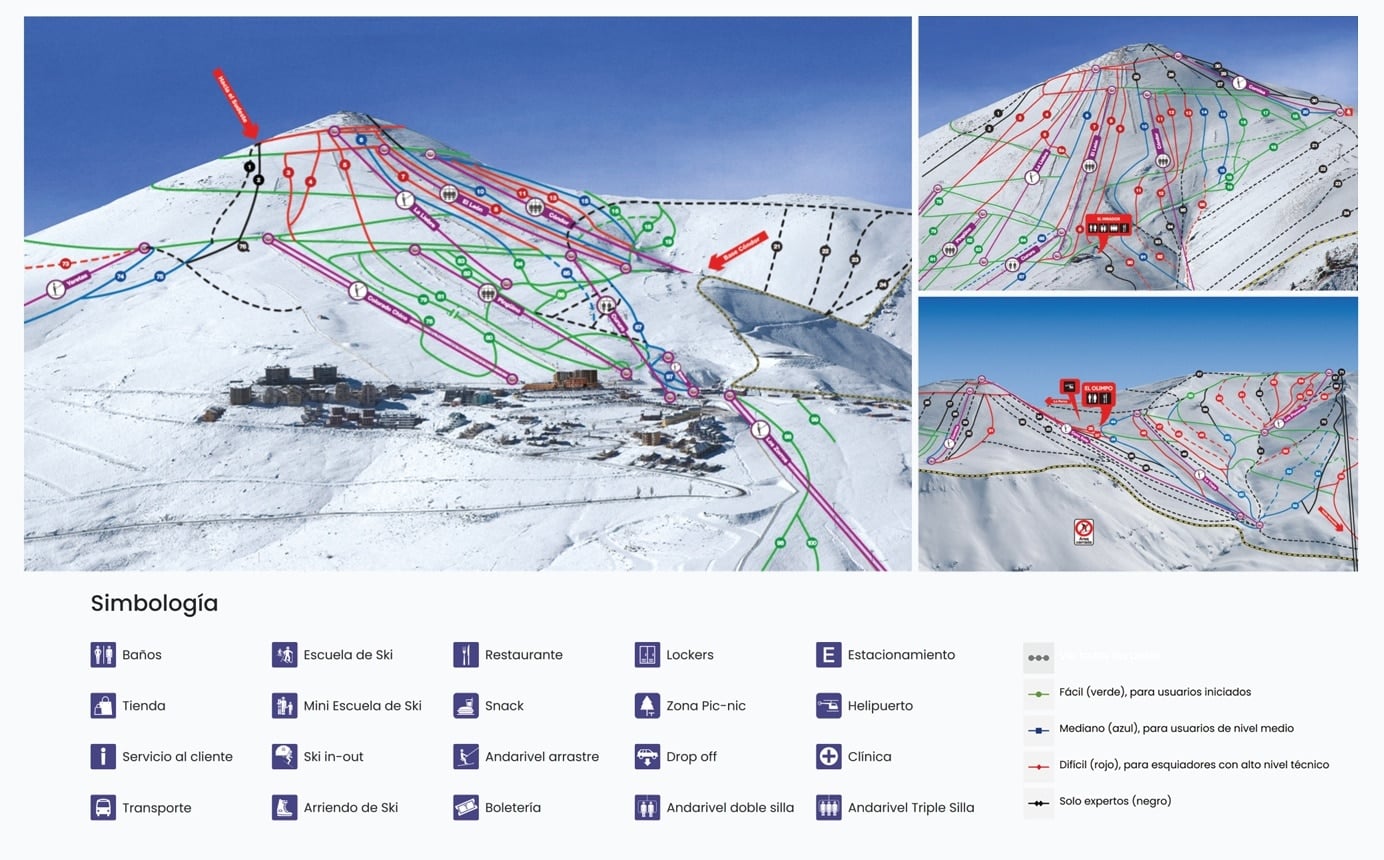
- Preservation of Competition: The FNE’s intervention ensures that a substantial portion of the Chilean ski market remains open to competition. Independent operators, such as Nevados de Chillán and Portillo, will continue to operate without facing the immediate competitive pressure from a single, dominant entity controlling the Tres Valles region. This could foster continued competition in pricing, service, and resort development.
- Delayed Modernization of Tres Valles: The prospect of coordinated, significant capital investment across El Colorado, Valle Nevado, and La Parva under a single management is now on hold. While these resorts will remain connected geographically, they will not benefit from a unified operational strategy or ticketing system as envisioned by MCP. The modernization of ski infrastructure, which is often a critical factor in attracting and retaining skiers, may proceed at a slower pace without the substantial capital infusion planned by MCP.
- MCP’s Strategic Realignment: The failed acquisition in Chile forces MCP to reassess its expansion strategy. While this particular deal was blocked, it does not diminish MCP’s appetite for growth. The company’s financial resources, freed from this transaction, can now be redirected towards other potential acquisitions or further investment in its existing portfolio. Notably, earlier in the summer, MCP diversified its holdings by acquiring three golf courses in Arizona, demonstrating a continued interest in leisure and hospitality assets.
- Investor Confidence and Regulatory Environment: For international investors looking at the Chilean market, this situation highlights the importance of understanding and navigating the country’s regulatory framework. While Chile generally offers an attractive investment climate, stringent antitrust enforcement, as demonstrated by the FNE, is a key consideration for large-scale consolidations.
Timeline of Events
- Late 2025/Early 2026 (Estimated): Mountain Capital Partners initiates discussions and begins due diligence for the acquisition of Andacor S.A.
- Early 2026: MCP announces its intention to acquire Andacor S.A., outlining plans to integrate El Colorado and Parque Farellones with its existing Chilean resorts, Valle Nevado and La Parva, forming the "Tres Valles" concept.
- Spring/Summer 2026: The proposed acquisition undergoes review by Chile’s National Economic Prosecutor’s Office (FNE).
- July 2026 (Mid-to-Late): The FNE formally raises concerns about market concentration and potential monopolistic effects resulting from the merger.
- Late July 2026: Mountain Capital Partners officially withdraws its bid to acquire Andacor S.A., citing the regulatory obstacles presented by the FNE.
Statements and Reactions (Inferred)
While direct official statements from all parties involved at the time of this report are limited, the situation allows for logical inferences regarding their positions:
- Mountain Capital Partners: The company has demonstrated a consistent strategy of acquisition and operational improvement. Their withdrawal, while likely disappointing, reflects a pragmatic approach to regulatory challenges. MCP’s focus will likely shift to alternative growth opportunities and further development of its existing portfolio, leveraging the capital that would have been deployed in Chile.
- Andacor S.A.: The owners of El Colorado and Parque Farellones likely sought a buyer to inject capital and potentially improve the financial standing of their operations. The failure of this deal may necessitate continued efforts to find alternative investment or strategic partnerships.
- National Economic Prosecutor’s Office (FNE): The FNE’s actions underscore its commitment to maintaining a competitive market. Their rigorous analysis and decisive stance reflect a mandate to protect consumers and ensure a balanced industry landscape, even at the potential cost of significant investment in the sector.
- Other Chilean Ski Resorts (e.g., Nevados de Chillán, Portillo): These independent operators likely view the FNE’s decision favorably, as it preserves their competitive standing. However, they may also acknowledge the potential benefits that MCP’s investment could have brought to the broader Chilean ski ecosystem.
Broader Impact and Future Outlook
The failed acquisition of Andacor S.A. by Mountain Capital Partners serves as a significant case study in the complexities of international mergers and acquisitions, particularly within industries characterized by consolidation trends. It highlights the critical role of antitrust regulators in shaping market dynamics and ensuring fair competition.
For MCP, the experience in Chile may lead to a more nuanced approach to future international expansion, potentially involving earlier engagement with regulatory bodies or a greater emphasis on structuring deals that are less likely to raise competitive concerns. The company’s continued success in North America suggests that this setback is unlikely to derail its overall growth trajectory.
The Chilean ski industry, while missing out on a potentially transformative investment, will continue to evolve. The market remains attractive for tourism, and the existing resorts, though perhaps older in infrastructure, possess unique natural beauty and appeal. The challenge now lies in finding alternative pathways to modernization and growth that align with both investor interests and regulatory frameworks. The unfulfilled promise of a unified Tres Valles under a single ticket highlights the ongoing tension between the pursuit of scale and efficiency by large corporations and the regulatory imperative to safeguard competitive markets.

