
Norway is boldly positioning itself as a contender for the World Championship title in sprint orienteering relay, a significant shift in national focus and ambition, according to head coach Janne Salmi. The Finnish strategist, who has been instrumental in transforming the Norwegian team’s capabilities in this discipline, expressed a newfound confidence that the squad can achieve top honors. This declaration marks a departure from a past where sprint orienteering was not always fully embraced by the Norwegian sporting establishment.
A New Era for Norwegian Sprint Orienteering
"We can win the VM-stafetten in sprint!" exclaimed Salmi, signaling a dramatic change in the team’s outlook. For years, Norway, a traditional powerhouse in forest orienteering, had struggled to gain a strong foothold in the faster, more urban-centric sprint format. However, under Salmi’s tutelage, the team has rapidly ascended, now boasting a formidable lineup of athletes at the pinnacle of the sport.
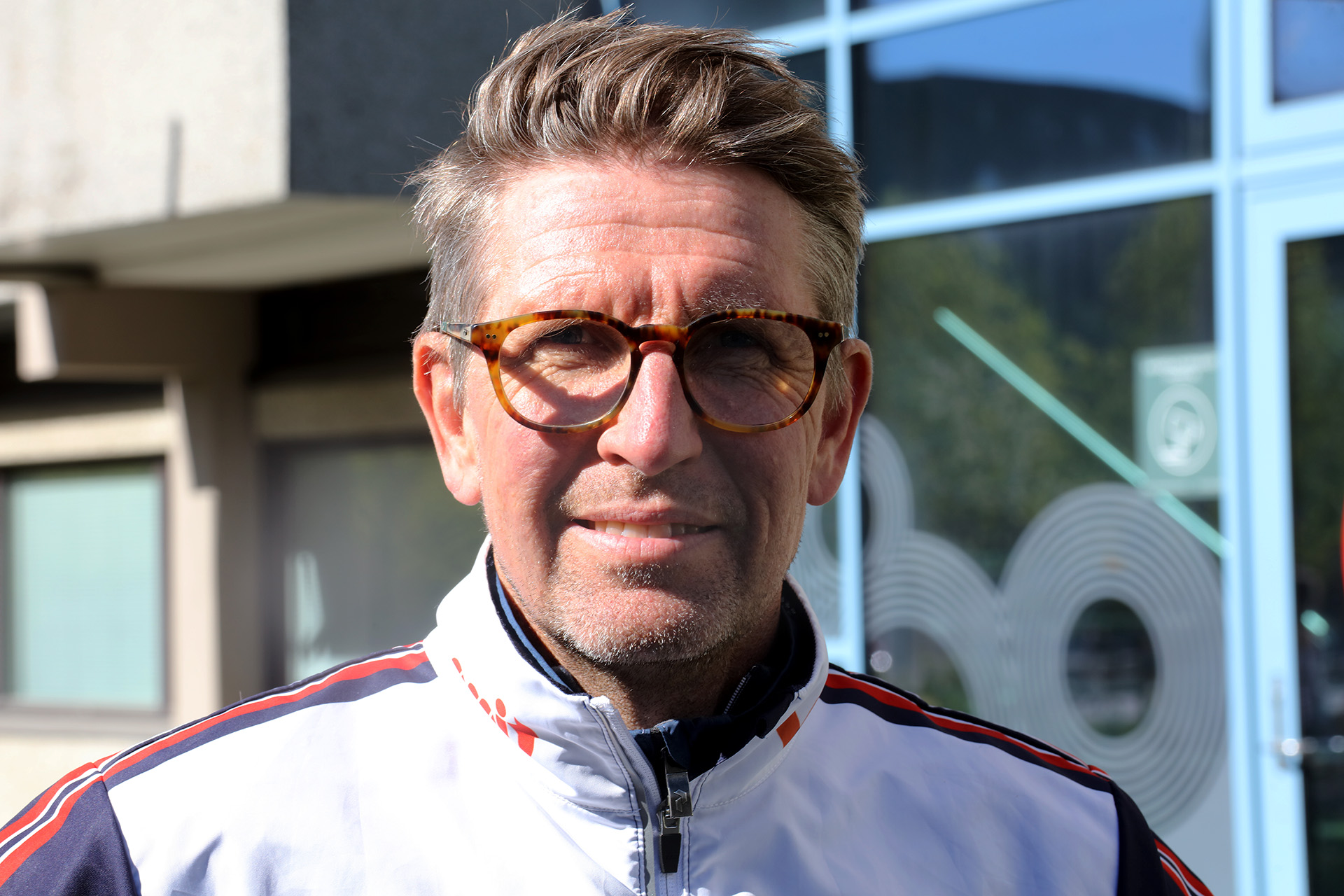
"We now have two women and two men who are absolutely at the world’s elite level, and we have reserves capable of stepping in," Salmi stated, highlighting the depth and quality of the current Norwegian squad. "Furthermore, we won the European Championships last year and recently secured a victory in the World Cup in Switzerland. These achievements underscore the significant progress we’ve made."
The success is attributed, in part, to a new generation of Norwegian orienteers who have grown up with sprint as a natural competitive format. Unlike previous generations who might have viewed it as a secondary discipline, these athletes dedicate themselves to sprint orienteering with the same intensity as traditional forest orienteering. This commitment is particularly crucial this season, as the entire spring World Cup circuit is dedicated to sprint events, culminating in the World Championships in Italy in July, which will also feature sprint disciplines.
Strategic Preparation and a Shift in Competitive Landscape
The Norwegian team’s preparation has been meticulously tailored to this sprint-focused calendar. "Therefore, we have been focusing on sprint throughout the spring," Salmi explained. "We have made several trips to Italy to prepare, and we are conducting numerous specific sprint training sessions." The team was observed training in the urban environment of Kringsjå in Oslo, simulating the conditions they expect to face in major competitions.

Salmi’s confidence is further bolstered by his recent contract extension, securing his leadership for another three years. This stability comes after a highly successful forest orienteering World Championships in Kuopio, Finland, last summer, where Norway emerged as the top-performing nation. However, the previous sprint orienteering World Championships in Scotland did not yield the desired results for Norway, leaving a sense of unfinished business and a drive for redemption.
A significant factor in Norway’s enhanced competitive position is the evolving strategic priorities of other leading nations. "Both in Sweden and Finland, several top athletes are choosing to forgo sprint this year, which is unfortunate," Salmi observed. "This thins out the top competition. Apart from us, Switzerland is perhaps the only other top forest orienteering nation fully committed to sprint."
This strategic divergence has created an opening for Norway. Notably, Swedish superstars Tove Alexandersson and Max Peter Bejmer, the previous year’s World Cup winner, have both opted out of sprint competitions this season. Similarly, several prominent Finnish athletes, including Mika Kirmula, have made the same decision. This shift in focus among key rivals allows Norway to leverage its dedicated sprint athletes and training regimen.
Upcoming World Cup and Championship Prospects
The World Cup circuit continues next week in Skaraborg, Sweden, featuring knockout sprint, individual sprint, and sprint relay events. These competitions will serve as crucial dress rehearsals for the World Championships and will be broadcast live on langrenn.com, allowing fans to follow Norway’s progress. The team is expected to be among the favorites in these upcoming events.
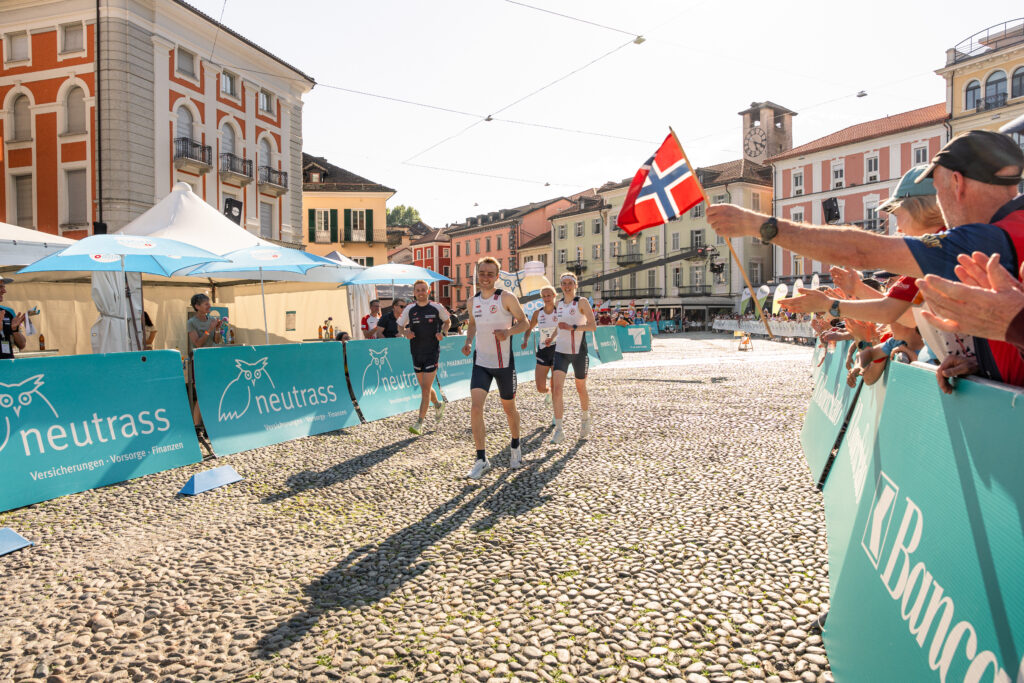
The Norwegian sprint relay team’s recent victory in the World Cup in Locarno, Switzerland, underscores their current form. The image accompanying the report shows the Norwegian team celebrating their win, flag in hand, a potent symbol of their rising status in the sport. The question now is whether they can replicate this success on the world championship stage.
The Evolution of Sprint Orienteering
Sprint orienteering, characterized by its fast pace and urban or park-like terrains, demands a different skill set than traditional forest orienteering. It requires rapid decision-making, precise navigation at high speeds, and the ability to read complex map details in visually challenging environments. Courses often involve intricate networks of paths, buildings, and other man-made features, demanding a high degree of technical proficiency and physical conditioning.
The development of sprint orienteering as a distinct discipline has accelerated over the past two decades. International Orienteering Federation (IOF) events have increasingly incorporated sprint formats, leading to greater specialization among athletes and national federations. The inclusion of sprint relay, a mixed-gender event that has gained significant popularity, has further amplified the strategic importance of this discipline.
Norway’s initial hesitation to fully invest in sprint can be understood in the context of its deep-rooted tradition in forest orienteering. The country has produced numerous legendary forest orienteers, and the national sporting infrastructure and athlete development pathways have historically been geared towards this format. However, as sprint orienteering gained global prominence and its competitive landscape evolved, a re-evaluation of national priorities became necessary.
Janne Salmi’s Finnish background might offer a unique perspective, as Finland has also historically been a strong nation in forest orienteering but has also recognized the growing importance of sprint. His experience in bridging these two facets of the sport has been invaluable to the Norwegian team. The integration of sprint-specific training methodologies, advanced performance analysis, and a focused approach to athlete development in this discipline have been key components of Salmi’s strategy.
Broader Implications for Norwegian Orienteering
The potential success of the Norwegian sprint relay team at the World Championships could have far-reaching implications for the sport in Norway. It could inspire a new generation of young athletes to engage with sprint orienteering, potentially leading to increased participation and a more diverse talent pool. Furthermore, it could elevate the profile of sprint orienteering within Norway, attracting greater media attention and sponsorship opportunities.
The current focus on sprint also reflects a broader trend in international sports, where specialization and adaptation to evolving competitive formats are crucial for sustained success. Nations that can effectively integrate emerging disciplines into their traditional strengths are often best positioned to thrive. Norway’s embrace of sprint orienteering under Salmi’s guidance appears to be a prime example of this strategic adaptability.
The coming weeks will be a critical period for the Norwegian sprint orienteering team. Their performance in the remaining World Cup events and, most importantly, at the World Championships in Italy will be closely watched. The ambitious goals set by Janne Salmi suggest a team that is not only prepared but also possesses the talent and determination to challenge for global supremacy in sprint relay. The transformation of Norwegian sprint orienteering is a testament to strategic planning, dedicated athlete development, and the insightful leadership of its Finnish coach. The narrative is shifting from one of cautious exploration to one of confident aspiration, with the ultimate prize – a World Championship title – firmly in their sights.

