
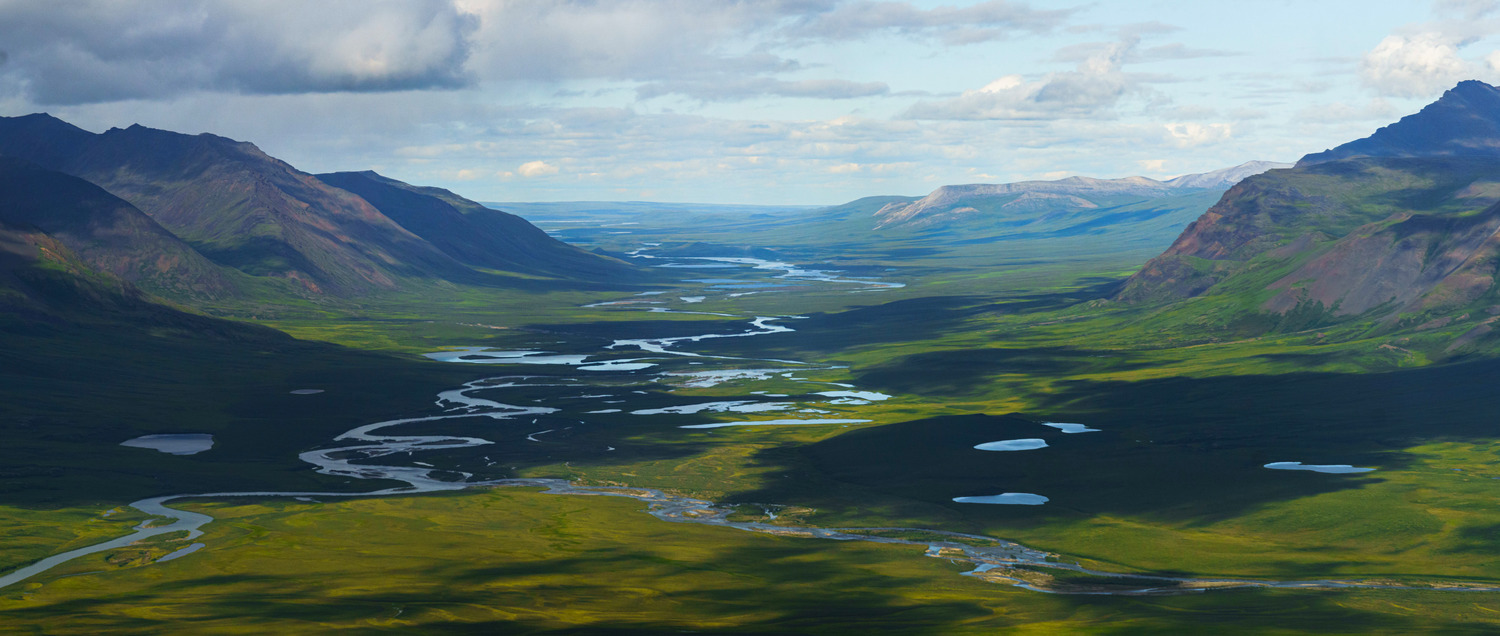
The federal government initiated the first of five mandated oil and gas lease sales in Alaska’s Western Arctic on March 18, marking a significant escalation in the industrial development of the nation’s largest single block of public land. This move, centered within the National Petroleum Reserve-Alaska (NPR-A), represents a pivotal moment in the century-long tension between energy extraction and environmental conservation. Spanning approximately 23 million acres—an area roughly the size of Indiana—the NPR-A is currently at the center of a complex legal and political landscape that pits federal mandates for "expeditious" energy development against the urgent realities of a rapidly warming Arctic ecosystem.
Historical Foundations: From Naval Reserve to Public Land
The origins of the current conflict date back to 1923, when President Warren G. Harding signed an executive order establishing "Naval Petroleum Reserve No. 4." At the time, the United States Navy was transitioning its fleet from coal to oil, and the discovery of oil seeps along Alaska’s North Slope prompted the federal government to secure a strategic domestic supply. During this era, Alaska was viewed primarily as a resource colony, and the land was withdrawn from all other potential uses to serve military interests.
The administrative history of the region is also linked to one of the most significant political scandals in American history. Shortly after the designation of the Alaskan reserve, Secretary of the Interior Albert Bacon Fall was found to have accepted bribes in exchange for leasing rights at the Naval Petroleum Reserve No. 3 in Wyoming, known as the Teapot Dome scandal. This history of controversy has cast a long shadow over the management of federal petroleum reserves.
In 1976, the management of the reserve was transferred from the Navy to the Department of the Interior under the Naval Petroleum Reserves Production Act (NPRPA). While the transfer shifted oversight to civilian hands, it did not alter the fundamental identity of the land. It was renamed the National Petroleum Reserve-Alaska, a title that legally codified its primary purpose as a source of energy. This designation continues to provide the "legal scaffolding" for modern leasing programs, as federal law requires an "expeditious program of competitive leasing" within the reserve’s boundaries.
Ecological Significance and the Teshekpuk Lake Wetlands
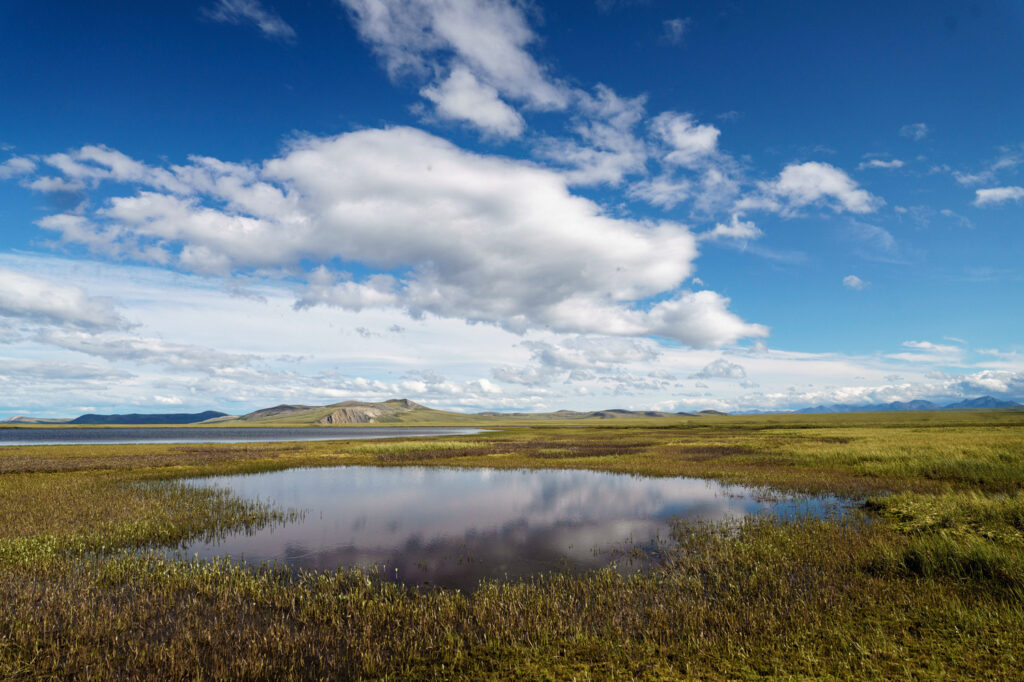
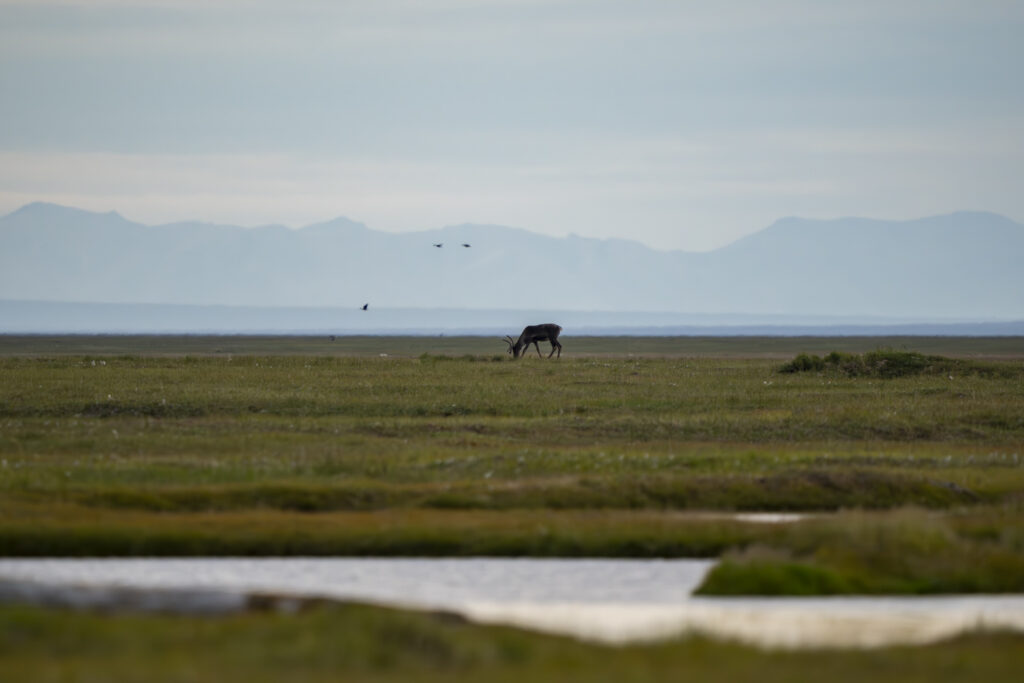
Despite its industrial name, the NPR-A contains some of the most ecologically productive and sensitive landscapes in the circumpolar North. Chief among these is the Teshekpuk Lake region. For decades, the wetlands surrounding the lake were shielded from development due to their status as a globally critical habitat. The area serves as the primary calving ground for the Teshekpuk Lake caribou herd and provides essential molting habitat for hundreds of thousands of migratory waterfowl.
Biologists estimate that the NPR-A supports approximately 5.4 million birds during the summer nesting season. These avian populations migrate from six continents, linking the Alaskan Arctic to backyards and ecosystems across the globe. The region’s connectivity is its primary ecological asset; unlike the contiguous United States, where landscapes are often fragmented by roads, fences, and urban development, the Western Arctic remains a largely intact ecosystem.
The current federal leasing plan has drawn significant scrutiny for opening more than 5.5 million acres of this territory, including previously protected areas within the Teshekpuk Lake wetlands. Critics argue that the "petroleum reserve" label fails to account for the contemporary understanding of the region’s biological importance, relying instead on a 100-year-old military calculation.
The Willow Project and Industrial Integration
The March 18 lease sale is not an isolated event but part of a broader trend toward large-scale industrialization on the North Slope. A central component of this trend is the Willow Oil Project, a massive undertaking by ConocoPhillips that is currently moving into its development phase. The project is estimated to hold approximately 750 million barrels of technically recoverable oil.
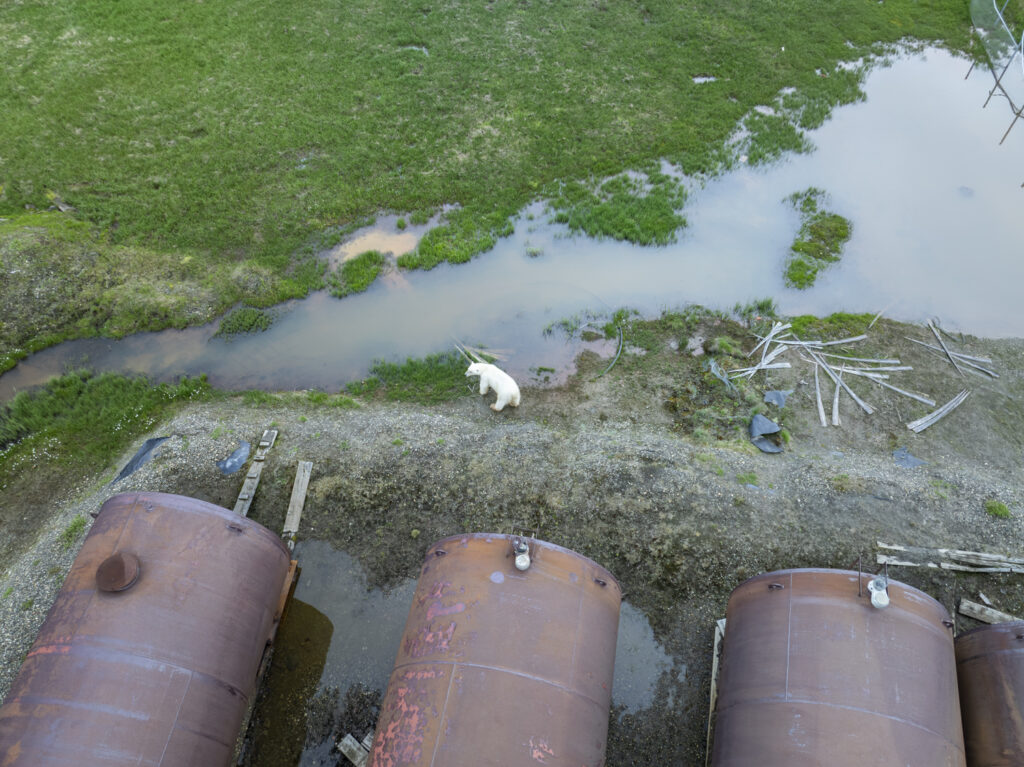
Proponents of the Willow Project and the broader leasing program point to the economic benefits, including job creation and revenue for the State of Alaska, which has faced significant budget challenges in recent years. However, the project also necessitates the construction of extensive infrastructure, including gravel roads, pipelines, and processing facilities.
Observers note that these developments are often analyzed as separate projects, yet they function as an integrated industrial footprint. This includes the proposed 200-mile road to the Ambler Mining District, which would further bifurcate the wilderness. According to data from the U.S. Geological Survey (USGS), the Northern Alaska region may contain nearly half of all undiscovered recoverable oil on federal lands in the United States. The NPR-A alone is estimated to hold nearly 900 million barrels of conventional oil, though the high cost of extraction in the remote Arctic remains a significant variable for investors.
Chronology of Modern Policy Shifts
The trajectory of the NPR-A has been defined by shifting administrative priorities over the last decade:
- 2013: The Obama administration implemented a management plan that protected roughly half of the NPR-A from development, specifically emphasizing the protection of Teshekpuk Lake.
- 2017-2020: The Trump administration moved to undo these protections, seeking to open the vast majority of the reserve to leasing. This period saw the formalization of the five-sale mandate over a ten-year horizon.
- 2021-2023: The Biden administration faced legal and political pressure regarding existing lease rights. While the administration ultimately approved the Willow Project, it also proposed new regulations to provide "maximum protection" for 13 million acres within the NPR-A’s Special Areas.
- March 18 (Current Year): The commencement of the first of five mandated lease sales, illustrating the difficulty of halting the legal machinery established by previous legislative and executive actions.
Climate Realities and the Arctic Warming Trend
The push for expanded oil extraction comes at a time when the Arctic is experiencing the effects of climate change more rapidly than almost any other place on Earth. Scientific data indicates that the region is warming at three to five times the global average rate. This warming is causing permafrost degradation, changes in caribou migration patterns, and shifts in the timing of bird nesting.
The "integrity of the landscape" is frequently cited by environmental scientists as the Arctic’s best defense against climate instability. Large, untrammeled areas allow species to shift their ranges in response to changing temperatures. However, the introduction of industrial infrastructure—roads, drill pads, and pipelines—can create barriers that exacerbate the stress on local wildlife.
The decision to extract oil from the Western Arctic also presents a global climate paradox. While the U.S. government has committed to international goals for reducing carbon emissions, the development of the NPR-A and projects like Willow would lock in decades of fossil fuel production. Analysts suggest that the carbon footprint of these projects could offset gains made through renewable energy transitions elsewhere in the country.
Economic Feasibility and Political Uncertainty
The economic argument for Arctic drilling is increasingly scrutinized by financial analysts. Arctic oil is among the most expensive in the world to produce, requiring significant capital investment and long lead times. Development in the NPR-A is often dependent on public subsidies and the long-term stability of global oil prices.
Energy companies operating in the region must navigate "thirty-year capital horizons." This means that decisions made today are heavily influenced by projections of future political and regulatory environments. If public sentiment or federal policy shifts toward more aggressive conservation, the "political risk" becomes a factor in the financial break-even analysis for these projects.
Furthermore, the State of Alaska’s reliance on oil revenue creates a complex internal dynamic. With an anemic state budget and fluctuating production from older fields like Prudhoe Bay—which has yielded 13.5 billion barrels over the last half-century—state officials often view the Western Arctic as the only viable path to fiscal stability.
The Intersection of Policy and Conservation
The conflict over the NPR-A highlights a fundamental disagreement over the purpose of public land. To development advocates, the "National Petroleum Reserve" is a resource warehouse designated by Congress to ensure energy security. To conservationists and indigenous groups, it is "the last whole place"—a unique ecosystem that offers a second chance to avoid the fragmentation that has characterized the development of the lower 48 states.
As the federal government proceeds with the mandated lease sales, the debate is expected to move into the courts and the public sphere. Environmental organizations have indicated that they will challenge the sales based on the adequacy of environmental impact statements and the failure to account for cumulative climate impacts.
The future of the Western Arctic remains a test of societal values. It forces a choice between the immediate economic incentives provided by a century-old administrative name and the long-term ecological resilience of a landscape that is increasingly rare in the modern world. While the legal machinery for leasing is currently in motion, the ultimate extent of the development will likely be determined by a combination of market forces, political shifts, and the evolving public perception of the Arctic’s role in a warming world.

