
The corporate landscape surrounding the North American ski industry has reached a critical juncture as minority investor Oasis Management formally advances its campaign to reshape the governance of Vail Resorts. Headquartered in Broomfield, Colorado, the multinational mountain resort operator has faced an increasingly turbulent operational climate characterized by fluctuating weather patterns, declining season pass sales, mounting public scrutiny over overcrowding, and persistent labor friction. The escalating pressure from activist investors and high-net-worth stakeholders has transformed what was once a period of quiet corporate unease into an active test of leadership and long-term strategy for the hospitality giant.
The Nominations and Proposed Board Candidates
Oasis Management, which has steadily increased its equity stake in Vail Resorts over recent months, formally submitted a proposal to inject four new voices into the company’s Board of Directors when the nomination window closed. The slate of candidates put forward by the activist investor brings a diverse mix of backgrounds spanning corporate leadership, winter sports royalty, venture capital, and institutional finance.
The most high-profile nominee is Olympic downhill skiing legend Picabo Street, a resident of Park City, Utah, whose decorated athletic career includes four Olympic and World Championship medals during the 1990s. Street’s nomination brings deep cultural credibility within the snowsports community, aligning with a broader push to reconnect the corporate boardroom with the foundational experiences of everyday skiers and riders.
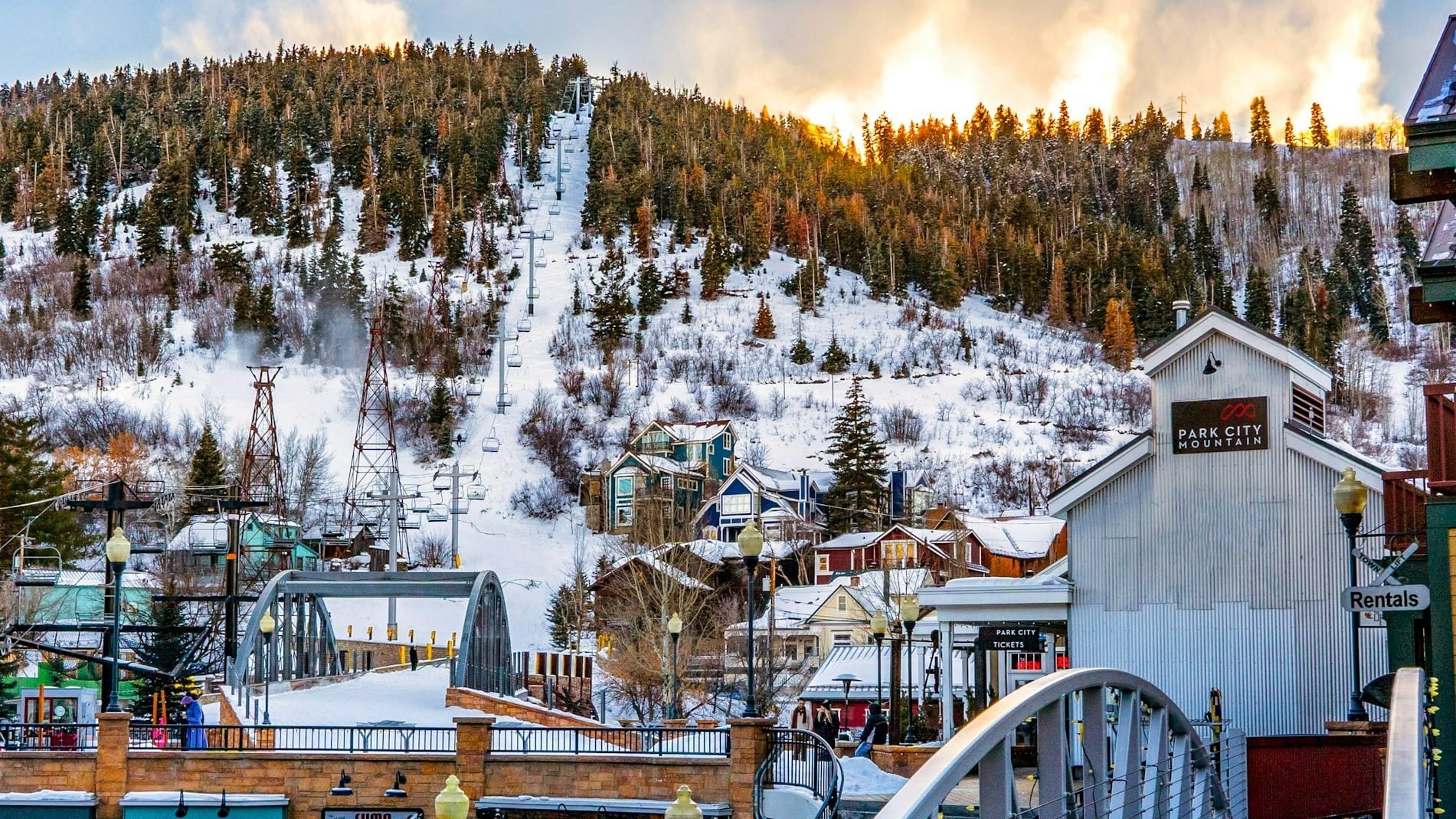
Joining Street on the proposed slate is former Walt Disney Company CEO Bob Chapek, whose tenure leading the entertainment conglomerate drew mixed reviews from Wall Street and shareholders alike. The inclusion of a seasoned, albeit polarizing, media and hospitality executive underscores Oasis Management’s desire to challenge Vail Resorts’ traditional operational playbook. Rounding out the four-person proposal are Bryce Roberts, a Park City-based venture capitalist, and M. Ashton Hudson, a Florida-based financier.
In addition to the Oasis slate, the board nomination window also attracted an independent self-nomination from Florida resident Gregory Syvert Meyer, adding an unconventional twist to an already high-stakes corporate maneuver.
Chronology of Escalating Tension
The seeds of the current proxy pressure were planted months before the nomination deadline, fueled by a combination of macroeconomic headwinds and localized discontent.
- Early 2025 to Mid-2026: Vail Resorts experienced consecutive financial quarters impacted by below-average snowfall across several key western and eastern properties. Concurrently, the company grappled with reputational hits stemming from lift line congestion, high-profile operational challenges, and a high-profile ski patrol strike that drew national headlines.
- June 2026: Financial intelligence reports surfaced indicating that activist investors, specifically Oasis Management, were holding high-level discussions with banking institutions to weigh the viability of a proxy fight. The market buzz prompted Vail Resorts executive leadership, including former CEO and current board leadership figure Rob Katz, to launch public communication campaigns—including podcast appearances—defending the long-term viability of the company’s consolidated multi-resort business model.
- August 2026: Billionaire tech entrepreneur Matthew Prince vocalized renewed intentions regarding his ongoing desire to acquire Park City Mountain Resort, adding a parallel front of pressure from high-net-worth individuals eyeing company assets. Simultaneously, broader industry-wide antitrust lawsuits concerning pricing mechanisms and public critiques from cultural figures like musician Noah Kahan added momentum to negative public perception.
- September 2026: The nomination window for the Vail Resorts Board of Directors officially closed, immediately followed by Oasis Management’s public disclosure of its four-person candidate slate. Matthew Prince reacted to the developments on social media, amplifying the narrative through local publications such as The Park Record.
Industry Context and Underlying Pressures
Vail Resorts revolutionized the ski industry over the past two decades through the popularization of consolidated mega-passes, most notably the Epic Pass. By offering unified access to dozens of premier mountain destinations worldwide, the company secured reliable upfront capital and drove visitation volume. However, this aggressive expansion strategy has increasingly exposed the organization to systemic vulnerabilities.

In recent fiscal reporting periods, the company reported sluggish metrics tied directly to uncooperative winter weather. Because modern ski resort revenue relies heavily on predictable seasonal snowfall, consecutive lean winters have immediate impacts on day-ticket sales, on-mountain food and beverage spending, and lodging occupancy. Furthermore, the rapid onboarding of new properties has occasionally outpaced infrastructural capacity, resulting in bottlenecks, parking shortages, and guest dissatisfaction that have strained brand loyalty.
Activist funds like Oasis Management frequently target companies where operational performance lags behind asset value or historical growth rates. By nominating directors with varied expertise in consumer engagement, operational efficiency, and capital allocation, minority stakeholders aim to force strategic reevaluations—whether through cost containment, structural reorganization, or asset divestiture.
Official Responses and Corporate Strategy
In response to the formal submission of alternative board candidates, Vail Resorts issued a measured statement addressing its commitment to shareholder communication and corporate governance.
"Vail Resorts prioritizes consistent engagement with shareholders and welcomes ongoing dialogue around the shared interest of continuing to drive long-term shareholder value," the company stated. Furthermore, leadership reiterated that an active and comprehensive search for a new independent director is already underway, with an appointment anticipated to be finalized.

The company maintains that its existing governance framework is adequately equipped to navigate current market dynamics. Executive leadership has consistently pointed to the resilience of the Epic Pass ecosystem as the primary bulwark against regional weather anomalies, arguing that geographic diversification mitigates localized downturns.
Broader Implications and Outlook
The unfolding situation at Vail Resorts carries significant implications not only for its institutional shareholders but also for the broader winter sports ecosystem. As the company prepares to release its fiscal fourth-quarter and year-end financial results, market analysts will be parsing earnings reports, pass sales metrics, and executive commentary for any signs of vulnerability or strategic pivoting.
If Oasis Management successfully forces a proxy vote or secures representation on the board, it could signal a turning point for how major hospitality conglomerates manage guest experience versus profit optimization. Conversely, if current management successfully repels the activist challenge and reassures institutional investors through stable year-end numbers, it will validate the multi-resort consolidation model for the foreseeable future.
Regardless of the immediate outcome, the public friction highlights a growing tension between corporate scaling and the localized, community-driven culture that underpins the mountain resort industry. As stakeholders prepare for the upcoming shareholder meeting and the official release of end-of-year financials, the future direction of one of skiing’s most influential corporate empires hangs in the balance.

