
In a high-stakes legislative push aimed at reversing a trend of environmental deregulation, the non-profit organization Protect Our Winters (POW) recently coordinated a delegation of world-class athletes, renowned scientists, and outdoor industry leaders to meet with lawmakers in Washington, D.C. The two-day advocacy event, often referred to as a "Hill Climb," sought to address what the organization describes as the systematic dismantling of federal protections for public lands, clean air, and water. By leveraging the cultural influence of Olympic medalists and the technical expertise of climate researchers, the delegation aimed to shift the conversation surrounding climate policy from partisan debate to a matter of economic and public health necessity.
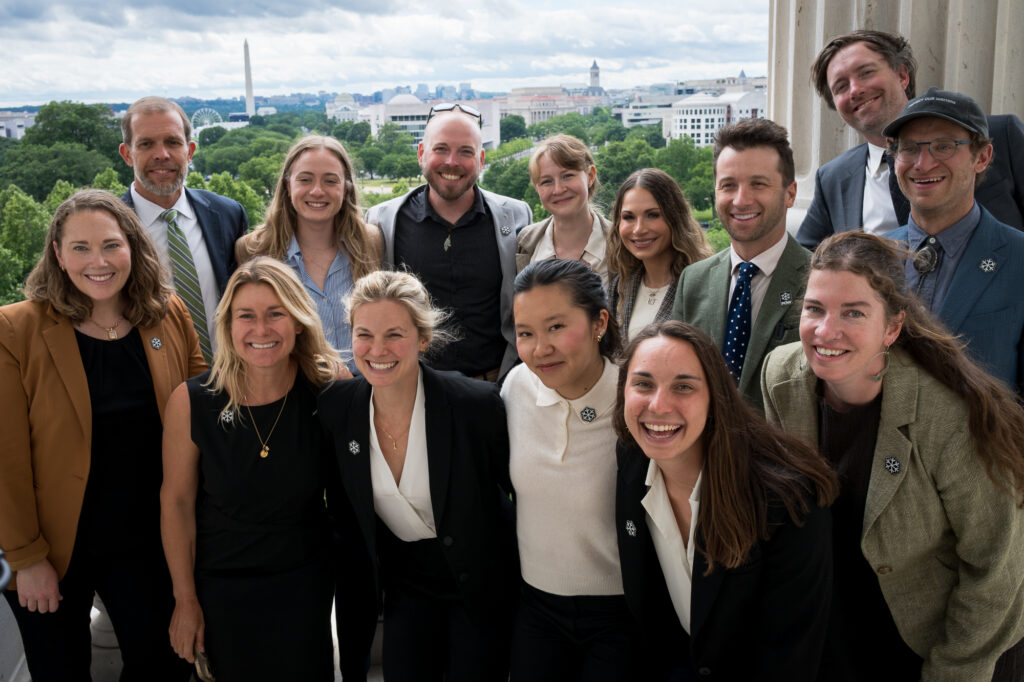
The delegation arrived at a critical juncture in federal environmental policy. Since the beginning of 2025, the executive branch has overseen the weakening or elimination of more than 50 core environmental protections. These rollbacks have affected a wide range of sectors, from methane emissions standards to the enforcement of the Clean Water Act. For the members of Protect Our Winters, the mission was to present a unified front representing the "Outdoor State"—a demographic of approximately 50 million Americans who participate in outdoor recreation and contribute significantly to the national economy.
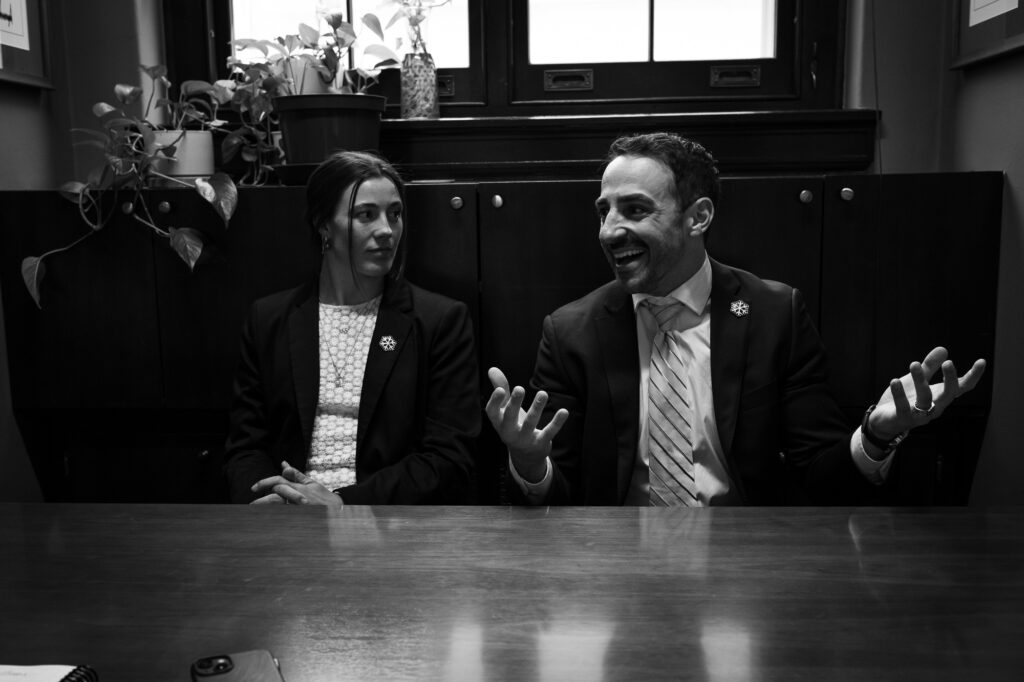
Composition of the Advocacy Delegation
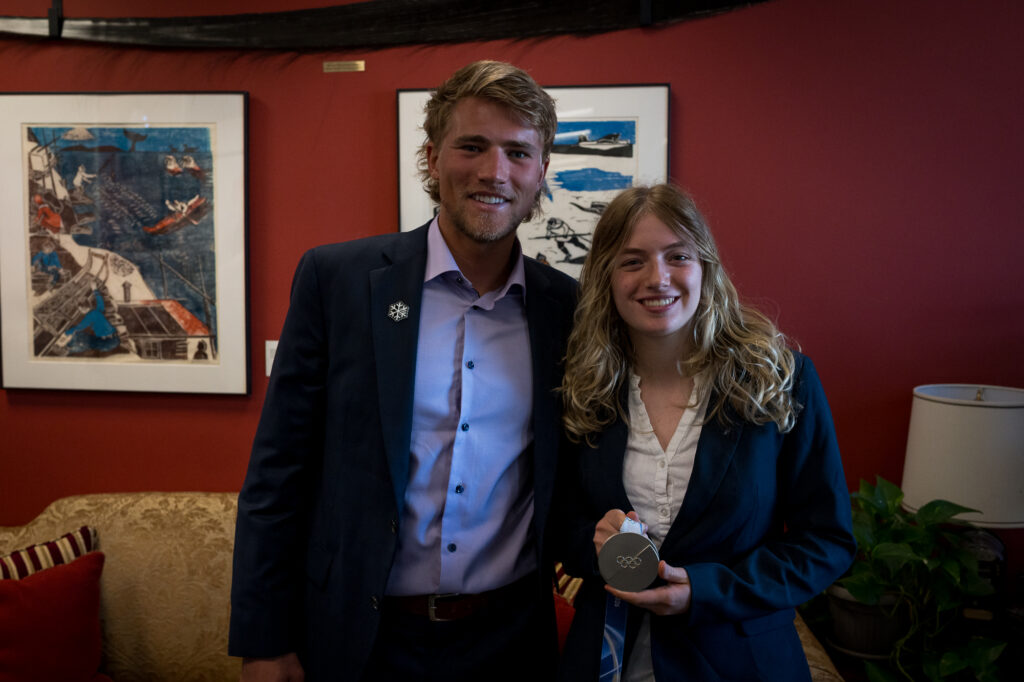
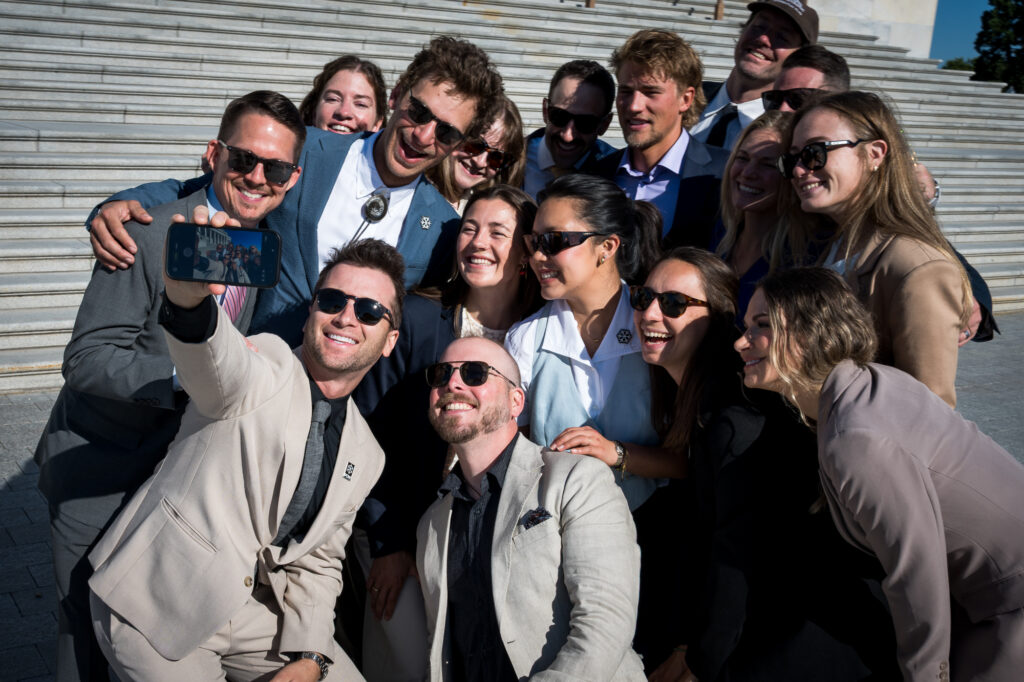
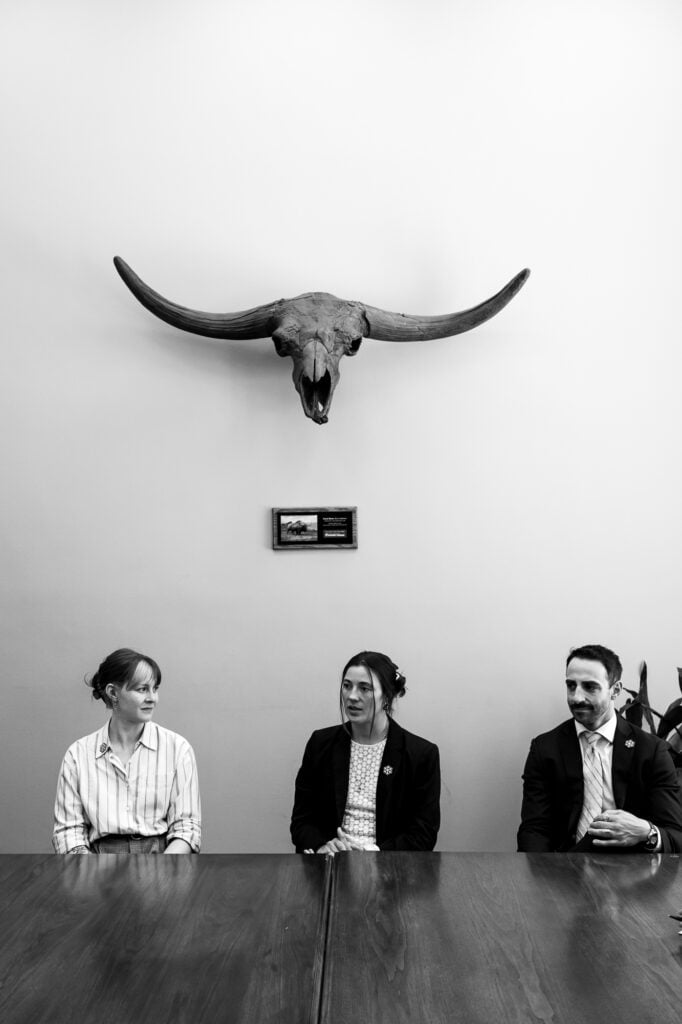
The group represented a diverse cross-section of the outdoor community, ensuring that their message carried weight across various legislative committees. Leading the charge were 13 prominent figures, including Olympic skiers and snowboarders whose livelihoods and sports are directly threatened by shortening winters and volatile weather patterns. The delegation included Jessie Diggins, an Olympic gold medalist and POW board member, alongside fellow Olympians Julia Kern, Jaelin Kauf, Gus Schumacher, Bea Kim, and Olivia Giaccio.
Complementing the athletic presence were members of the POW Science Alliance and Creative Alliance. This included former Environmental Protection Agency (EPA) scientist Stu Nissenbaum and Dr. Tracy Fanara, whose expertise provided a data-driven foundation for the group’s claims. Filmmakers and photographers, such as Max Lowe, Mike Thurk, and Chris Shane, documented the proceedings, while industry figures like Brody Leven and POW Action Fund board member Jamey Delaplane focused on the policy specifics. This multi-disciplinary approach allowed the group to engage with congressional offices on multiple levels, from the emotional impact of climate change on sports to the technicalities of carbon sequestration on public lands.
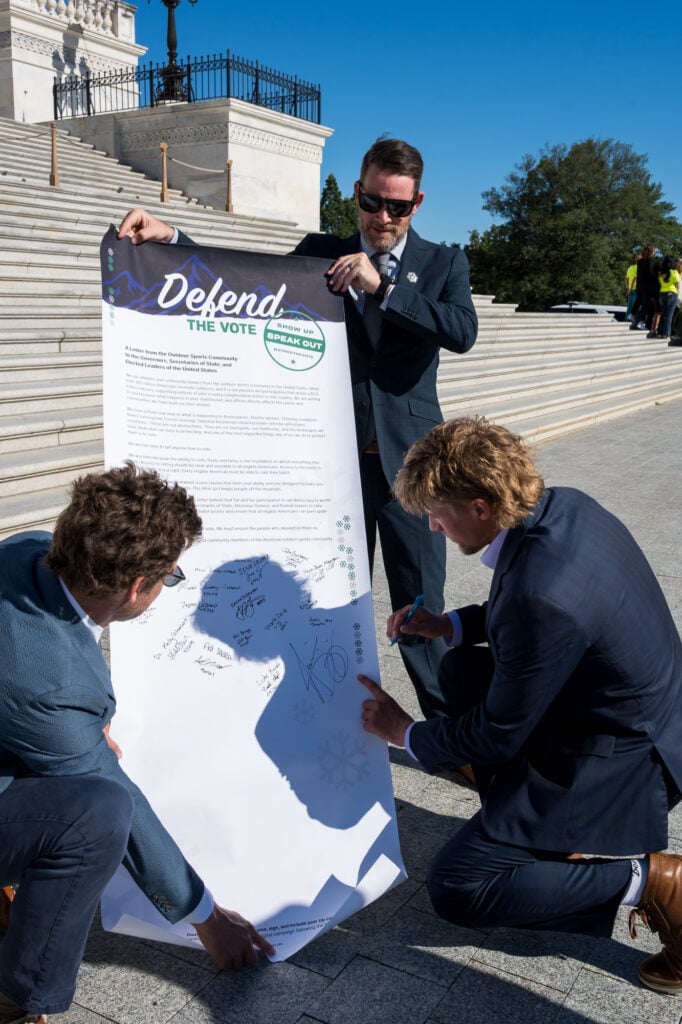
Strategic Engagement with Congressional Offices
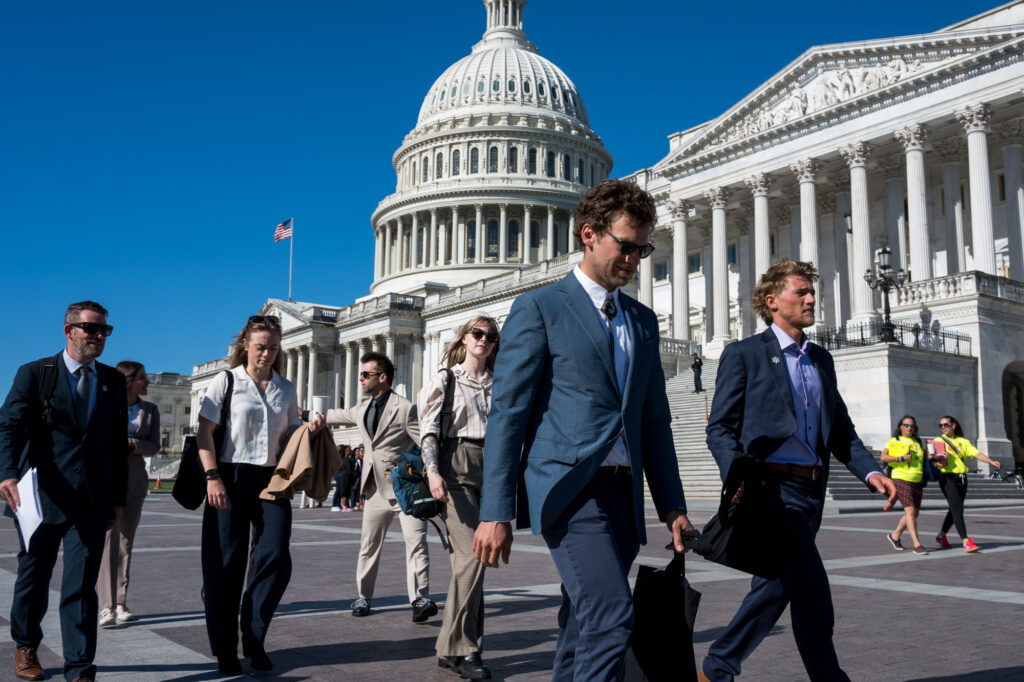
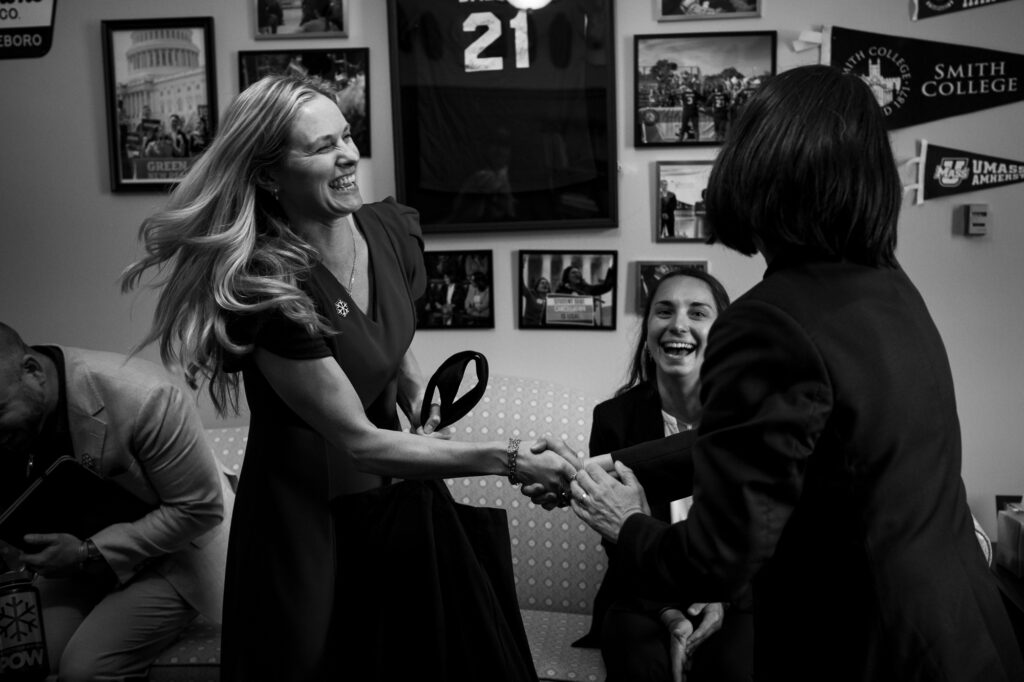
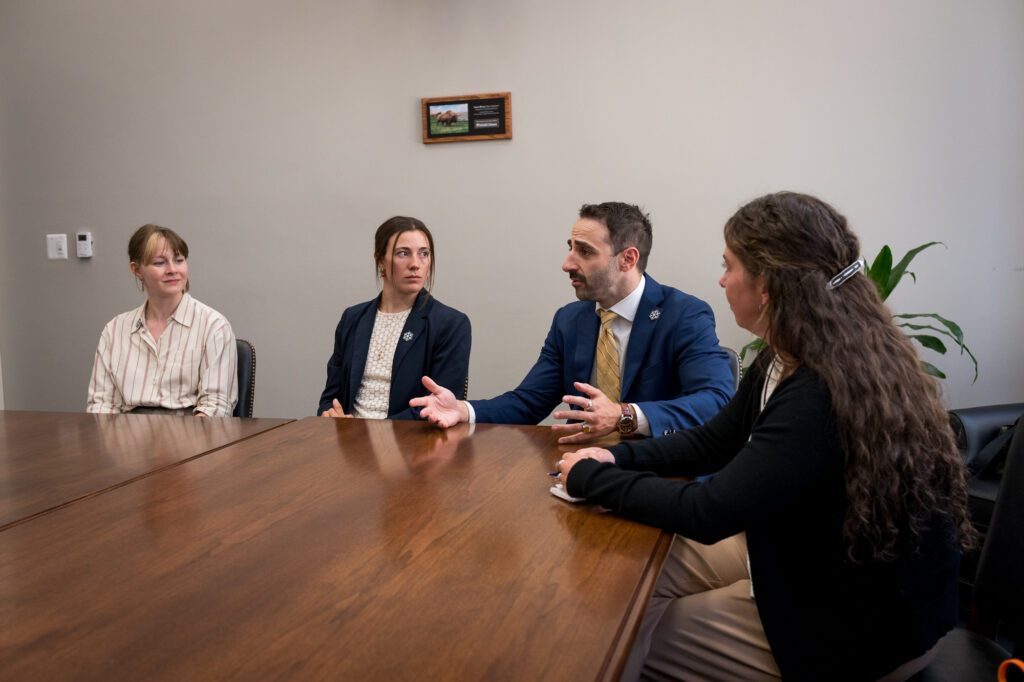
Over the course of the two-day summit, the delegation conducted 38 separate meetings with congressional staff and elected officials. A notable aspect of the strategy was its bipartisan focus; the group held 15 meetings with Republican offices and 23 with Democratic offices. This distribution reflects a strategic effort to frame public land conservation as a non-partisan issue that affects the economic stability of rural "gateway towns" and the multi-billion-dollar outdoor recreation industry.
The delegation also met with members of the House Natural Resources Committee, the body responsible for overseeing federal land management and energy development. During these sessions, the athletes shared personal accounts of how shifting climates have disrupted training schedules and forced the cancellation of international competitions. Meanwhile, the scientists provided briefings on the long-term ecological consequences of current policy trajectories, particularly regarding the loss of biodiversity and the degradation of natural watersheds.
Addressing the Erosion of EPA Oversight
A primary objective of the mission was to voice opposition to the ongoing deregulation of the Environmental Protection Agency. The delegation argued that the agency’s original mandate—to protect human health and the environment through science-based regulation—has been compromised by recent administrative actions that sideline scientific consensus in favor of industrial expediency.
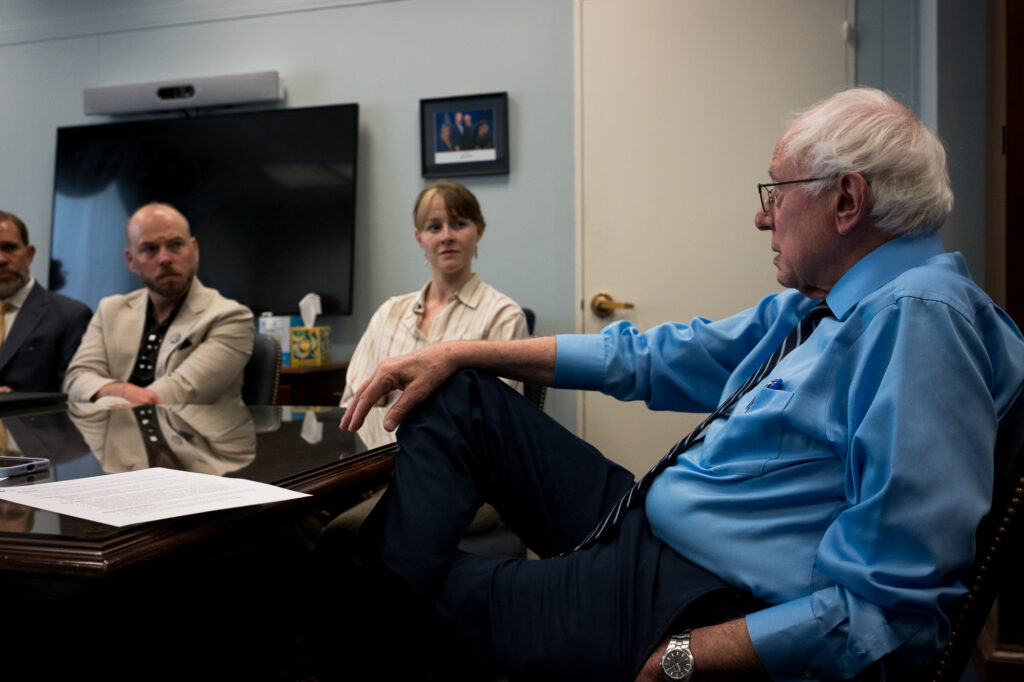
Stu Nissenbaum, drawing on his experience as a former EPA scientist, was a central figure in these discussions. He provided lawmakers with firsthand accounts of how weakening enforcement mechanisms leads to increased pollution levels in vulnerable communities. The delegation’s core request was for Congress to take concrete legislative steps to restore the EPA’s regulatory authority, particularly in monitoring harmful emissions and holding industrial polluters accountable. By framing clean air and water as the "foundation of every outdoor experience," the group sought to move the needle on stagnant environmental legislation.
The Defense of Public Lands and the Arctic Refuge
The second major pillar of the advocacy effort focused on the rapid expansion of fossil fuel extraction on public lands. The delegation specifically highlighted recent actions by the Department of the Interior, which held a significant lease sale in the National Petroleum Reserve-Alaska (NPR-A). This sale resulted in 187 leases covering approximately 1.3 million acres of land, a move that environmentalists argue will lock in decades of carbon emissions.
Of even greater concern to the group was the opening of bids for the Coastal Plain of the Arctic National Wildlife Refuge. The delegation urged lawmakers to support the Arctic Refuge Protection Act, a piece of legislation designed to provide permanent protection for the refuge and prevent future industrialization. The message delivered to Capitol Hill was that public lands should be treated as national assets for conservation and recreation rather than disposable commodities for short-term energy development.
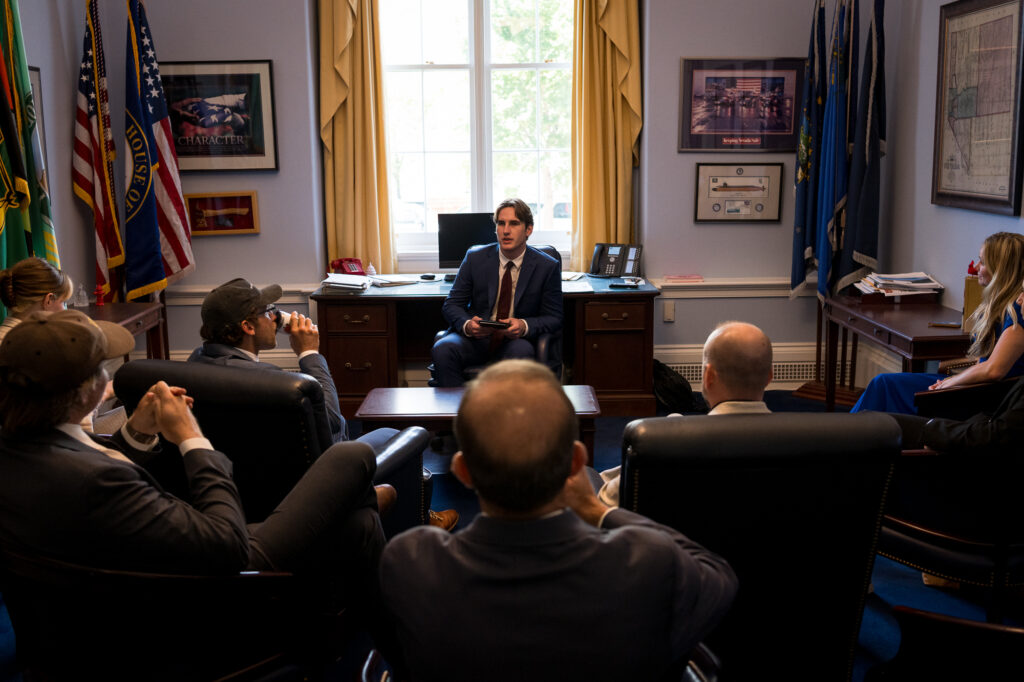
Gus Schumacher, an Olympic cross-country skier, emphasized the necessity of these conversations, stating that while different parties may have varying ideas on how to achieve environmental goals, the protection of air, water, and habitat remains a universal concern.
The Economic Context of the "Outdoor State"
The delegation’s arguments were bolstered by the significant economic footprint of the outdoor recreation industry. According to data from the Bureau of Economic Analysis (BEA), the outdoor recreation economy accounts for approximately $1.1 trillion in annual economic output, representing 2.2% of the U.S. Gross Domestic Product (GDP). This sector supports nearly 5 million jobs across the country, many of which are located in Republican-leaning rural districts.
By highlighting these figures, Protect Our Winters sought to demonstrate that climate change is not merely an environmental threat but an economic one. The "Outdoor State" constituency includes hunters, anglers, guides, outfitters, and small business owners who rely on stable climates and accessible public lands. The delegation argued that failing to address climate change directly undermines one of the most resilient and fastest-growing sectors of the American economy.
Chronology of the Hill Climb
The advocacy event followed a structured timeline designed to maximize impact:
- Day 1 (Morning): The delegation convened for a strategic briefing to align messaging on the Arctic Refuge Protection Act and EPA deregulation.
- Day 1 (Afternoon): Initial meetings commenced with the House Natural Resources Committee. Athletes and scientists focused on the immediate impacts of deregulation in their respective home states.
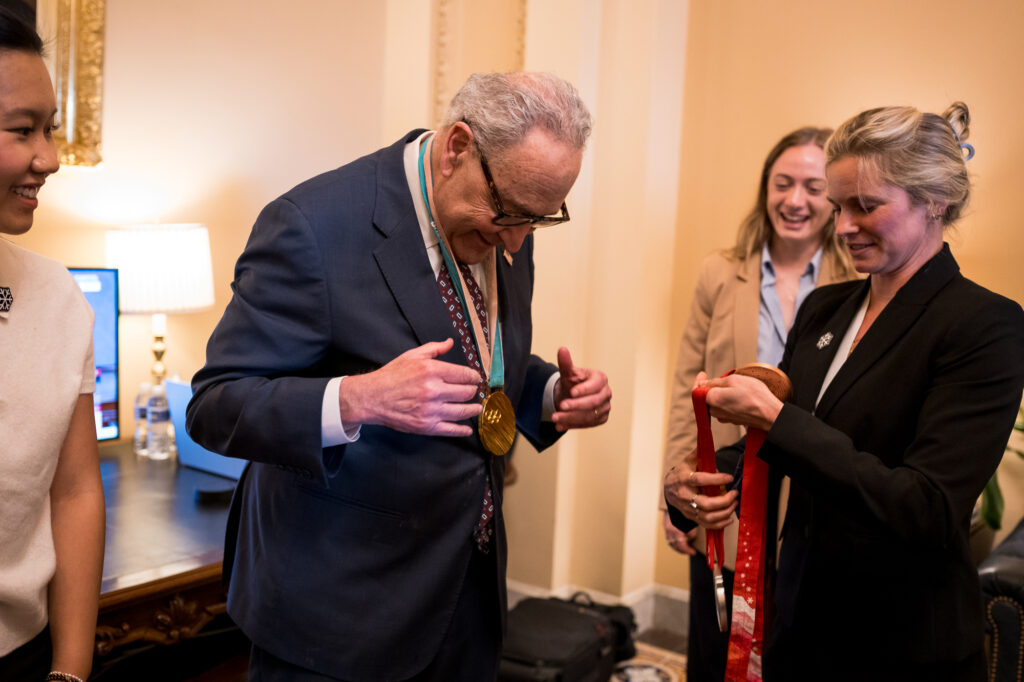
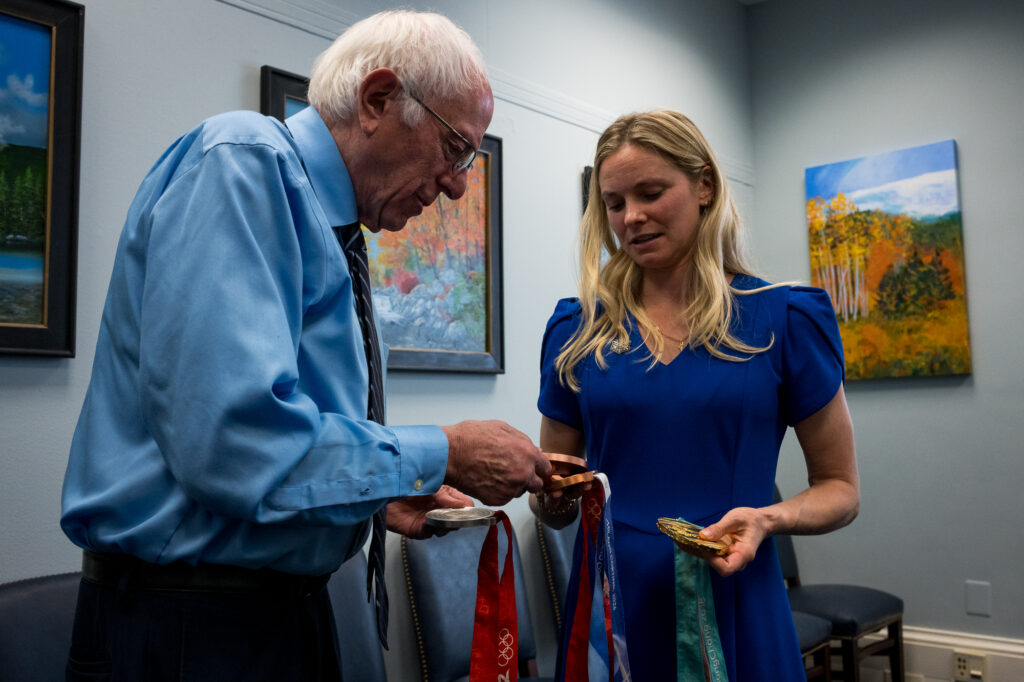
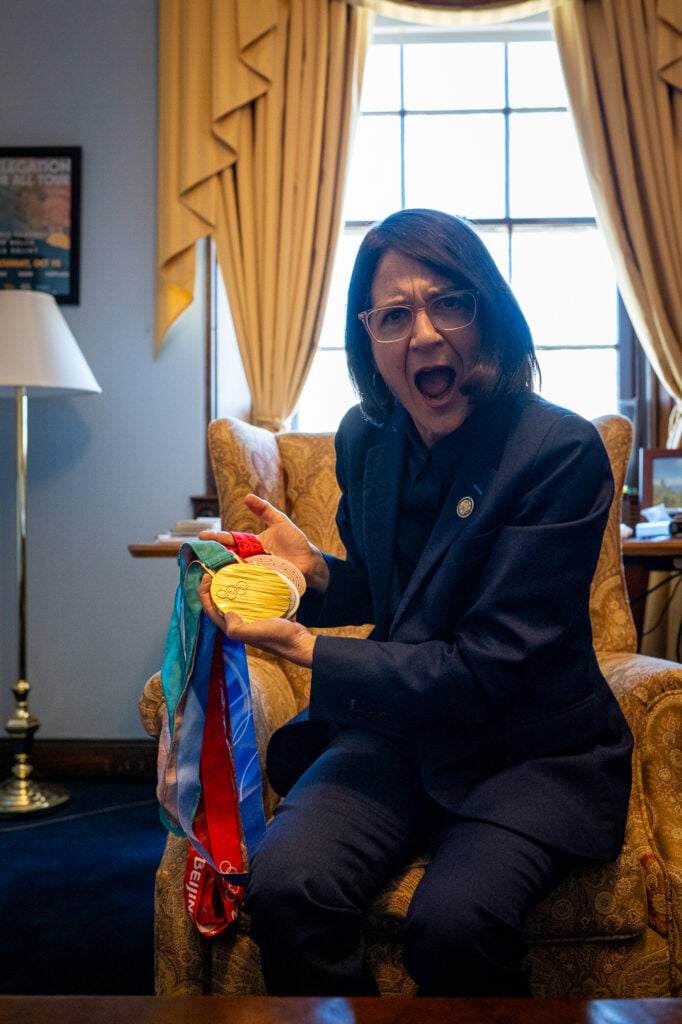
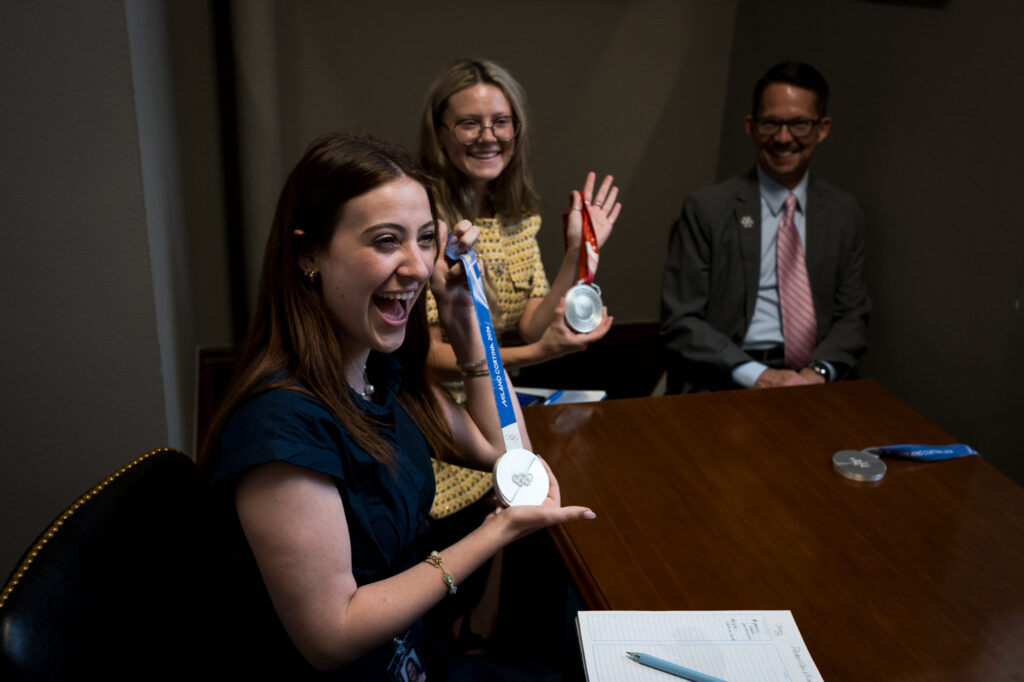
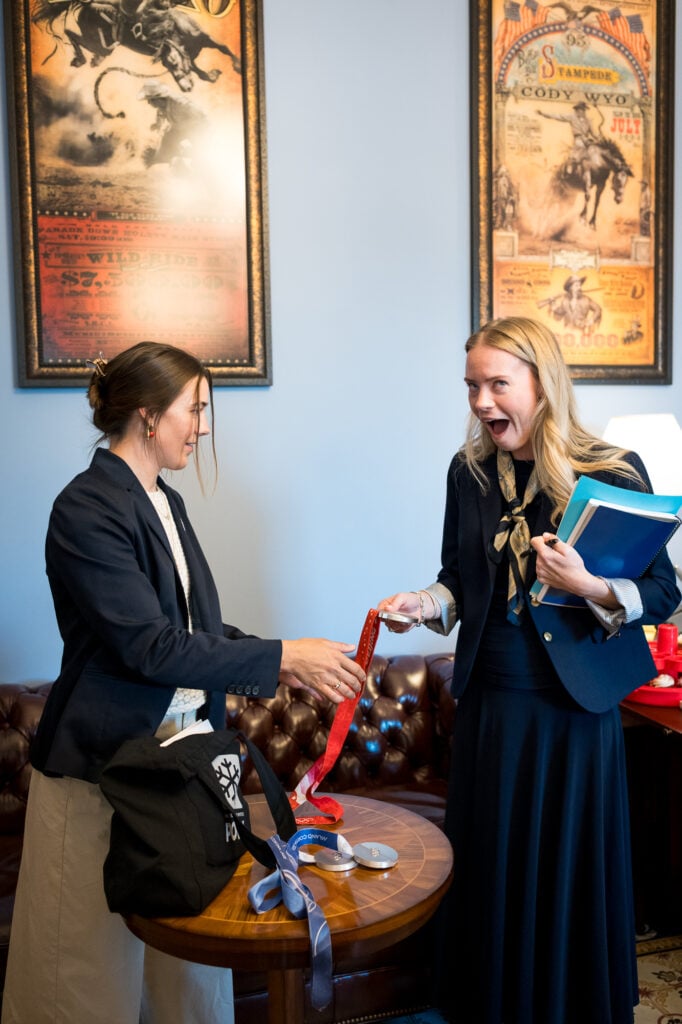
- Day 2 (Morning): High-level meetings with Senate leadership, including a session with Senator Chuck Schumer (D-NY). During this meeting, Jessie Diggins used her Olympic medals as a visual metaphor for the excellence and heritage currently at risk due to climate instability.
- Day 2 (Afternoon): Focused outreach to Republican offices, emphasizing the role of public lands in mitigating climate-driven crises such as wildfires and droughts—issues that have significant impacts on agricultural and rural communities.
- Closing: The event concluded with a debriefing session where members discussed the progress made in building long-term relationships with congressional staff.
Analysis of Implications and Future Outlook
The success of the POW delegation’s trip is likely to be measured not by immediate legislative wins, but by the strengthening of the "bipartisan bridge" regarding land conservation. The observation that public lands can serve as a neutral ground for dialogue suggests a potential path forward for climate policy that avoids the gridlock of traditional environmental debates.
However, the challenges remain formidable. The current administration’s aggressive push for energy independence through fossil fuel leasing presents a direct conflict with the goals of the outdoor community. Furthermore, the slow pace of the federal government, as noted by creative alliance member Max Lowe, requires a sustained and patient advocacy effort. Lowe observed that while the complexity of government can be frustrating, the engagement of citizens and experts is the only way to ensure the "greater good of the people is upheld" over the long term.
As the 2025-2026 legislative cycle continues, the impact of this delegation’s visit will be monitored through the progress of the Arctic Refuge Protection Act and any potential budget riders affecting EPA enforcement. For Protect Our Winters, the mission served as a reminder that the outdoor community is no longer sitting on the sidelines; they are an organized, informed, and economically powerful constituency that is actively shaping the national conversation on the environment.

