
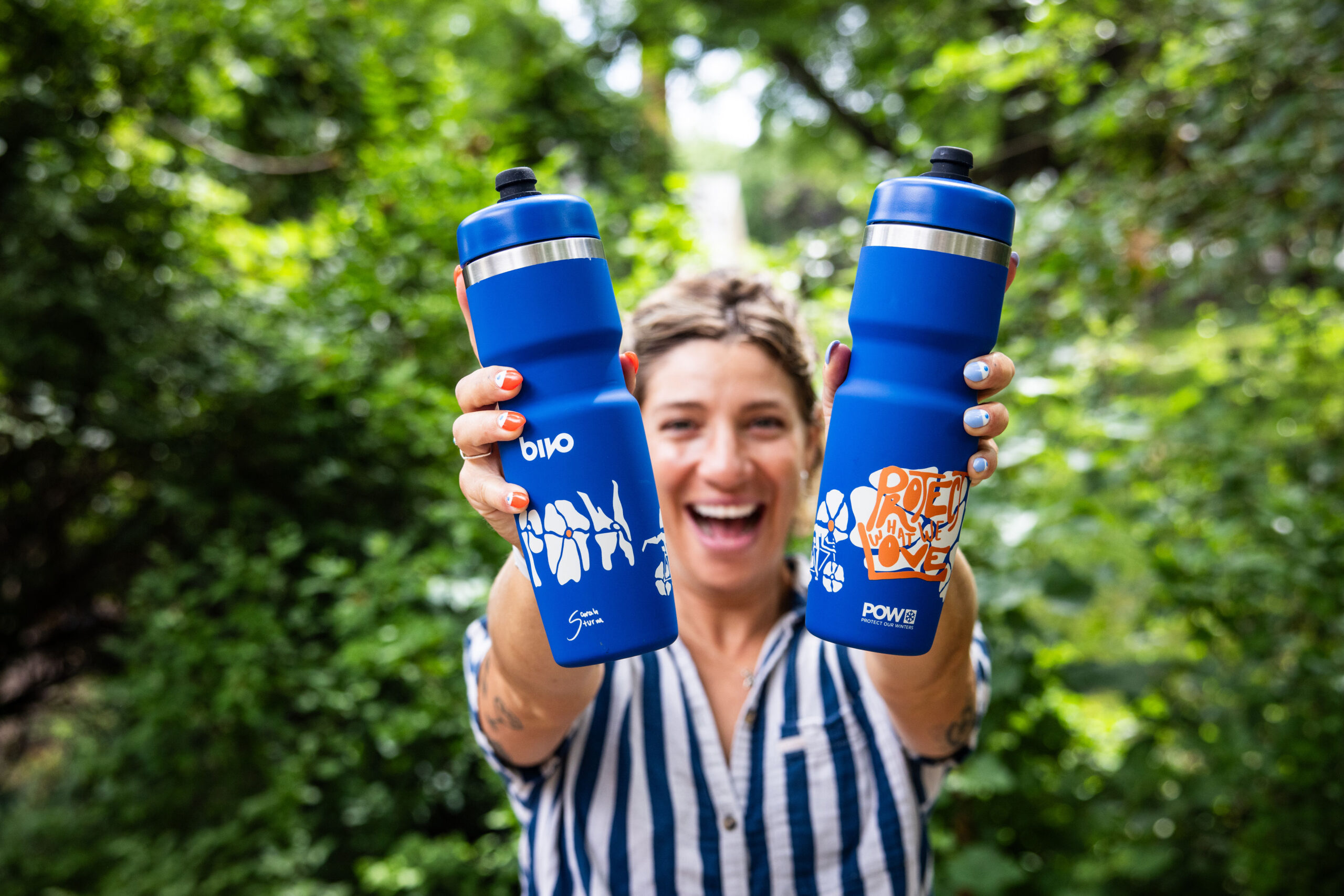
The intersection of elite athletic performance and environmental advocacy has found a new, tangible form through a collaboration between professional gravel cyclist Sarah Sturm and the climate-focused non-profit Protect Our Winters (POW). This partnership, which features a bespoke water bottle design for the brand Bivo, serves as both a functional tool for outdoor enthusiasts and a creative vehicle for climate awareness. Sturm, a veteran of nine years in the professional gravel racing circuit, has leveraged her background in fine arts to craft a design that merges the aesthetics of the natural world with the mechanics of cycling.
A Chronology of the Collaboration
The initiative began in early 2026, as Protect Our Winters sought to refresh its merchandise line with designs that resonated with its core demographic of outdoor athletes. Sarah Sturm, an active member of the POW Bike Alliance, was identified as a primary creative partner due to her dual expertise in professional cycling and artistic practice.
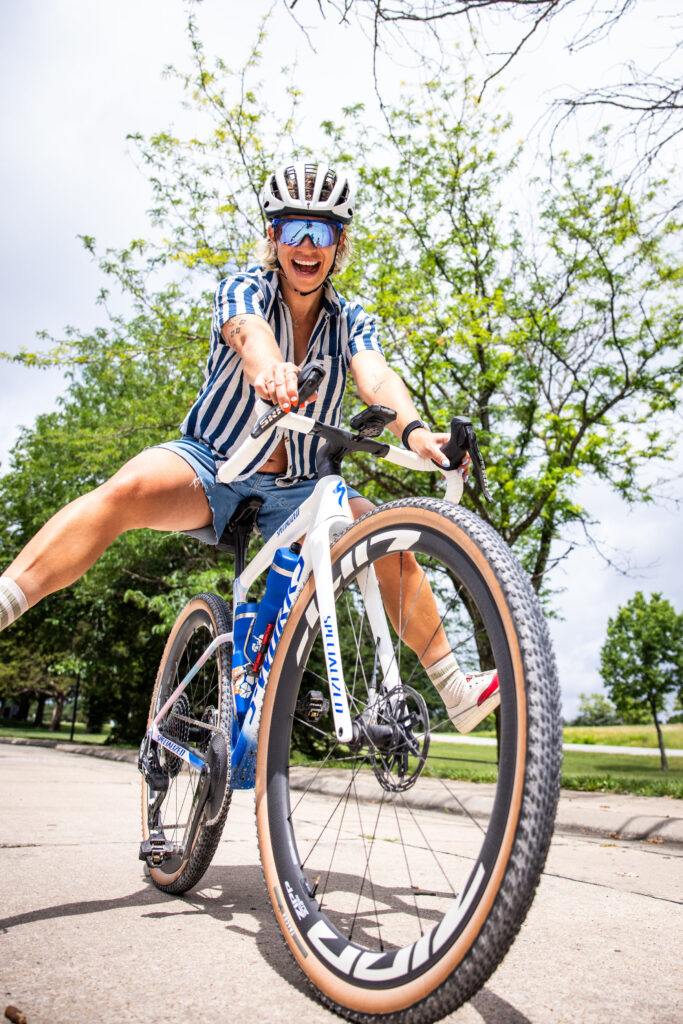
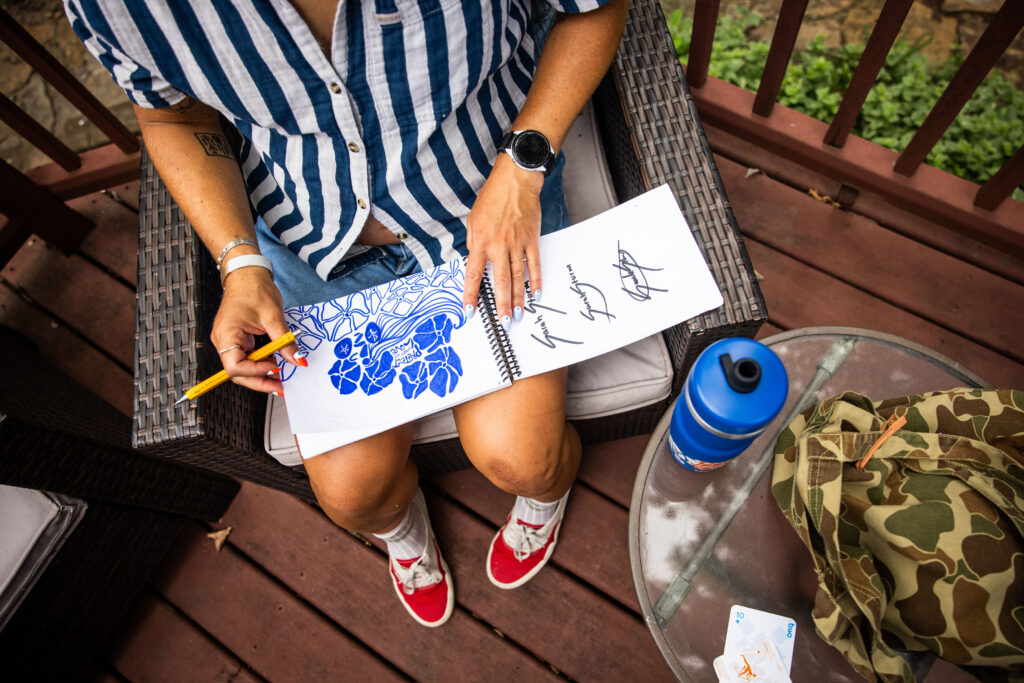
Throughout the spring of 2026, Sturm began the conceptual phase of the project. Unlike many commercial design processes that occur in studio settings, the development of this bottle was iterative and unconventional. Sturm utilized long-distance training rides—often lasting between five and six hours—to sketch concepts on paper. By May 2026, these sketches had evolved into the final design, which integrates floral motifs, abstract bicycle components, and typography. The product was officially launched in the late summer of 2026, marking a strategic shift in how advocacy groups engage their community through functional, lifestyle-oriented merchandise.
Design Philosophy and Artistic Intent
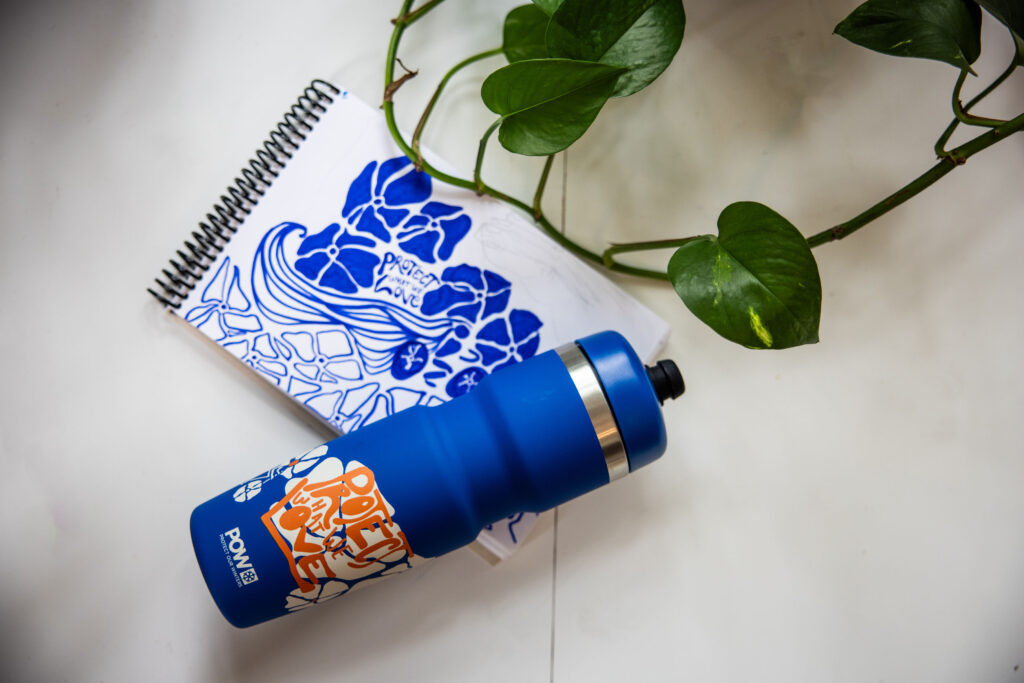
The design itself is a departure from traditional corporate branding. Sturm’s approach focused on "joyful" messaging, a deliberate contrast to the often-dire rhetoric surrounding climate change. The artwork features flower petals that transition into bicycle wheels and an abstract cyclist figure, utilizing a style that emphasizes bold shapes and textile-inspired patterns.
From a technical perspective, the bottle presented a unique challenge: the cylindrical canvas. Sturm noted that the design was intentionally crafted to be "non-polarized," ensuring that the art remains appealing across various outdoor contexts, whether the user is cycling, hiking, or commuting. The design accounts for the rotation of the bottle in a standard cage, allowing the artwork to be viewed as a series of distinct panels or as a cohesive, continuous narrative. This deliberate ambiguity adds a layer of depth to the user experience, transforming a standard piece of athletic equipment into a piece of portable art.
The Intersection of Identity and Environmental Advocacy
For Sturm, this project represents a significant personal reclamation. As her career in competitive gravel racing reached the professional level, the demands of training and travel frequently relegated her creative practice to the background. This collaboration served as a catalyst for reintegrating art into her professional identity, challenging the notion that high-level athletic performance and creative expression must be mutually exclusive.
Sturm’s reflection on this process touches on a broader trend in professional sports: the "multi-hyphenate" athlete. As professional sports continue to evolve, athletes are increasingly expected to serve as brand ambassadors, climate advocates, and content creators. Sturm’s work with POW underscores the psychological benefits of maintaining diverse interests, suggesting that identity is not a static construct but a multifaceted endeavor that can evolve alongside one’s primary career.
Supporting Data and Environmental Context
The collaboration between POW and Bivo is not merely aesthetic; it is rooted in the broader environmental mission of the Protect Our Winters organization. POW, founded in 2007 by professional snowboarder Jeremy Jones, has spent nearly two decades mobilizing the outdoor sports community to advocate for systemic policy changes to address climate change.
According to data from the National Oceanic and Atmospheric Administration (NOAA) and the Intergovernmental Panel on Climate Change (IPCC), the outdoor recreation industry—a sector that contributes over $860 billion annually to the U.S. economy—is uniquely vulnerable to climate shifts. Changes in snowfall patterns, increased wildfire frequency, and rising temperatures in high-altitude environments directly impact the viability of the industries that sustain these athletes.
The Bivo bottle collaboration serves as a fundraising mechanism to support POW’s lobbying efforts. Bivo, known for its stainless steel, high-flow bottles, aligns with the sustainability goals of the project by offering a durable, plastic-free alternative to traditional sports bottles. By choosing to manufacture in this way, the partners address the "single-use" culture that remains a significant point of friction within the cycling and outdoor communities.
Analysis of the "Joy-First" Advocacy Model
The choice to lead with a "joyful" aesthetic is a calculated move in the landscape of climate communications. Behavioral research in the field of environmental psychology, such as studies published in the Journal of Environmental Psychology, suggests that "doom-based" messaging often leads to audience desensitization and paralysis. Conversely, communication strategies that emphasize positive engagement—often referred to as "solutions-based" or "joy-first" advocacy—tend to foster higher levels of community participation.
By framing the climate crisis through the lens of art and personal enjoyment, Sturm and POW are attempting to lower the barrier to entry for climate activism. The bottle acts as a physical touchpoint, prompting the user to consider the preservation of the landscapes they traverse during their athletic endeavors. This "soft-advocacy" model is increasingly popular among non-profits looking to convert casual followers into long-term donors and volunteers.
Official Stance and Community Reception
While Protect Our Winters has not released specific sales figures for the Bivo collaboration, industry analysts note that limited-edition, artist-driven merchandise often performs significantly better than mass-marketed items in the outdoor sector. The collaboration has received positive feedback from the cycling community, with many noting that the design feels authentic to the sport’s culture.
The broader implications of this project highlight a shift in how athletes interact with their sponsors and the non-profit sector. As climate change continues to alter the geography of sport, the demand for "purpose-driven" gear is likely to increase. Industry observers suggest that this model—where an athlete uses their creative skill set to solve a design problem while supporting an environmental cause—will become a template for future brand collaborations.
Conclusion: The Future of Athlete-Led Advocacy
The collaboration between Sarah Sturm and Protect Our Winters serves as a case study in the efficacy of merging professional expertise with social responsibility. By moving beyond traditional sponsorship roles, Sturm has created a project that resonates on an individual, artistic, and environmental level.
As the cycling industry continues to grapple with its own footprint—from the carbon cost of travel to the environmental impact of manufacturing—projects like the POW x Bivo bottle provide a pathway for meaningful engagement. They remind the consumer that every ride, hike, and adventure is connected to the health of the planet, and that the tools used to sustain these activities can, and should, reflect a commitment to the future.
For those interested in the intersection of climate action and athletic performance, the release of this bottle is a signal that the conversation around sustainability is moving into new, more creative, and ultimately more inclusive spaces. The initiative stands as a reminder that advocacy is not limited to protest or policy; it is also found in the small, everyday choices—like the bottle one carries on a long-distance ride—that reflect a dedication to protecting the places that define our lives.

