
The inaugural Red Bull Features Cup, a groundbreaking event designed to redefine competitive snowboarding, concluded in dramatic fashion, witnessing an unprecedented three-way tie before the Asia-Pacific team ultimately secured victory in a sudden-death hip session. Held on a meticulously crafted course that demanded unparalleled versatility and teamwork, the event transcended traditional competition, prioritizing creativity, strategic execution, and collective spirit. This new format, a significant departure from conventional slopestyle or big air contests, has immediately set a new benchmark for innovation in action sports.
A New Paradigm for Competitive Snowboarding
The Red Bull Features Cup was conceived with a clear vision: to push the boundaries of competitive snowboarding by fostering an environment where diverse skill sets, strategic thinking, and team collaboration take precedence over individual prowess alone. In a sport often dominated by single-rider heroics, this event championed a different narrative, emphasizing how a collective unit could navigate a multifaceted course designed to challenge every aspect of a rider’s repertoire. The "Mischief Multiplier," a layer of creative challenges introduced throughout the zones, underscored this commitment to dynamic, unpredictable competition, rewarding riders who could adapt and innovate under pressure. This innovative approach resonated deeply within the snowboarding community, eager for fresh formats that celebrate the full spectrum of the sport.
The global stage was set for three formidable regional teams, each bringing a unique blend of talent and strategy to the pristine snowpark. Representing Europe were Norwegian powerhouse Marcus Kleveland, known for his technical prowess and aerial mastery; Fridtjof Tischendorf, an acclaimed rail and park specialist; Isak Ulstein, a rising star with a versatile skill set; and Celia Petrig, a formidable rider bringing a refined style to the team. The North American contingent featured the dynamic Luke Winkelmann, renowned for his smooth style and all-around ability; Denver Orr, a consistent performer in various disciplines; Egan Wint, a rider celebrated for his technical precision; and Lane Weaver, adding depth with her park experience. The Asia-Pacific team, a formidable ensemble, comprised the innovative Cool Wakushima, known for her unique approach; Zephyr Lovelock, celebrated for his amplitude and style; Rocco Jamieson, a powerful and consistent presence; and Miyabi Onitsuka, a seasoned competitor with a strong contest background. The deliberate selection of these riders highlighted the organizers’ intent to showcase a broad range of skills, from technical rail wizards to amplitude specialists, ensuring a vibrant and unpredictable competition.
The Course: A Masterpiece of Multifaceted Design
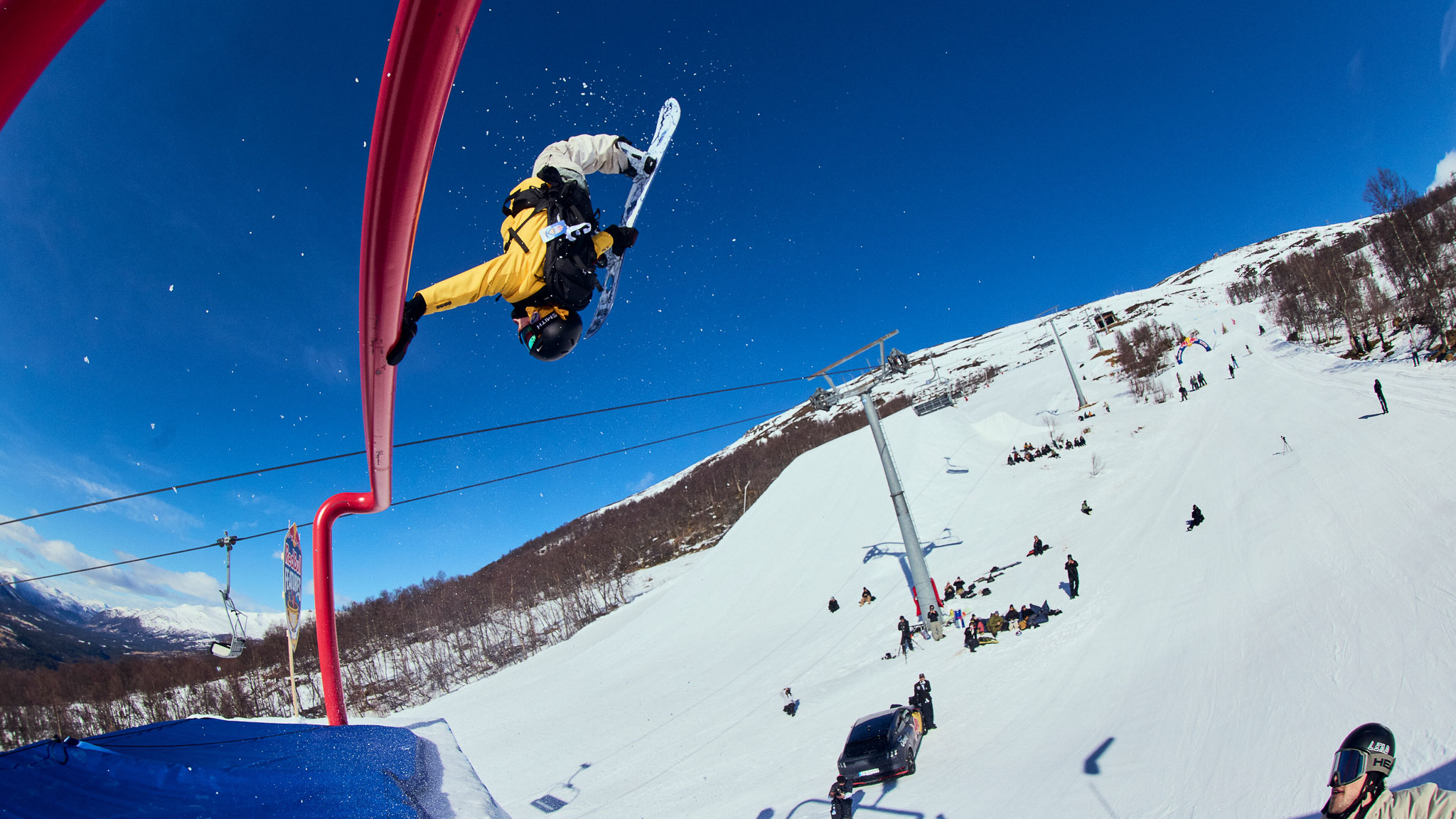
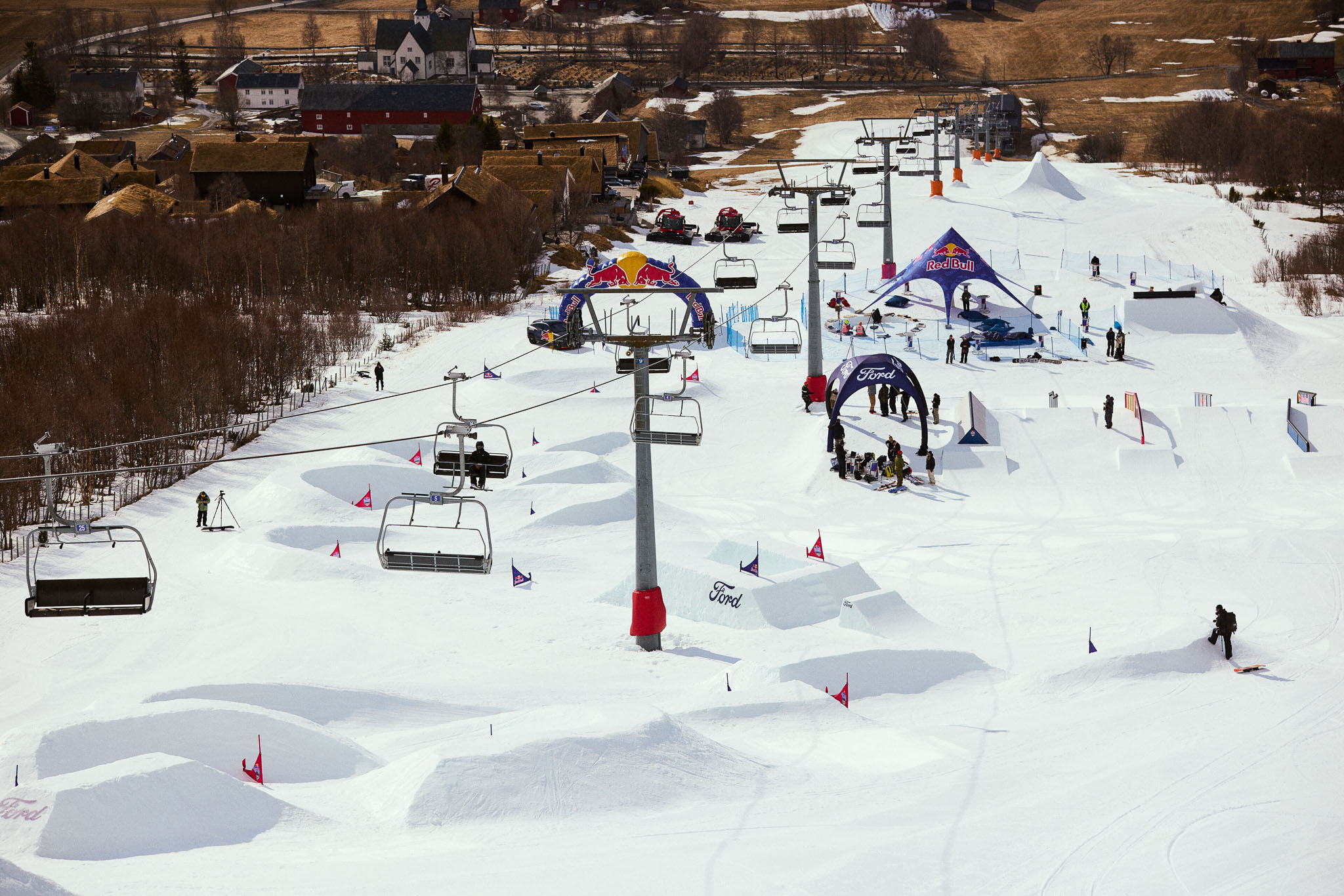
The physical canvas for this groundbreaking event was a truly "outrageous looking course," as depicted in Olav Stubberud’s striking photography. Far from a standard slopestyle run, the course was a meticulously designed gauntlet, segmented into four distinct zones: a challenging banked slalom, a technical rail jam, an amplitude-focused quarterpipe, and a progressive jump line. Each zone was engineered to test specific skill sets and demand different strategic approaches, ensuring that no single discipline could dominate the overall competition. Points were awarded 5-3-1 per zone, creating a tight scoring system that rewarded consistency and strategic wins. The incorporation of the "Mischief Multiplier" added an exciting layer of unpredictability, requiring teams to adapt on the fly to spontaneous creative challenges and bonus opportunities, truly pushing the envelope of traditional contest formats. This design philosophy aimed to move beyond the often-criticized "best trick" mentality, instead valuing comprehensive snowboarding ability and innovative problem-solving.
Chronology of Competition: A Zone-by-Zone Battle
The competition unfolded over a day of intense action, each zone presenting its own set of unique challenges and showcasing the diverse talents of the competing teams.
Zone 1: The Banked Slalom – Speed, Strategy, and Surprise
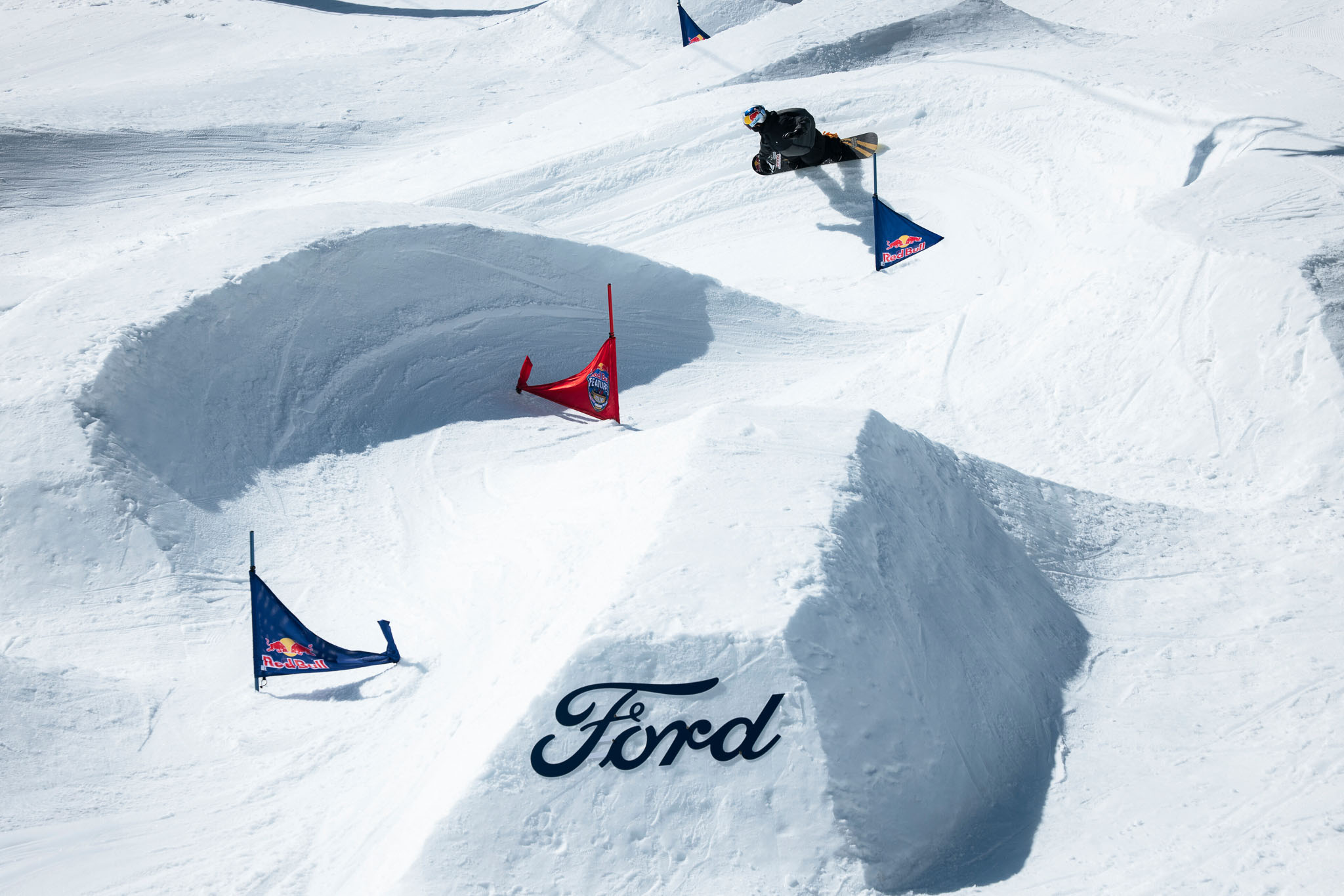
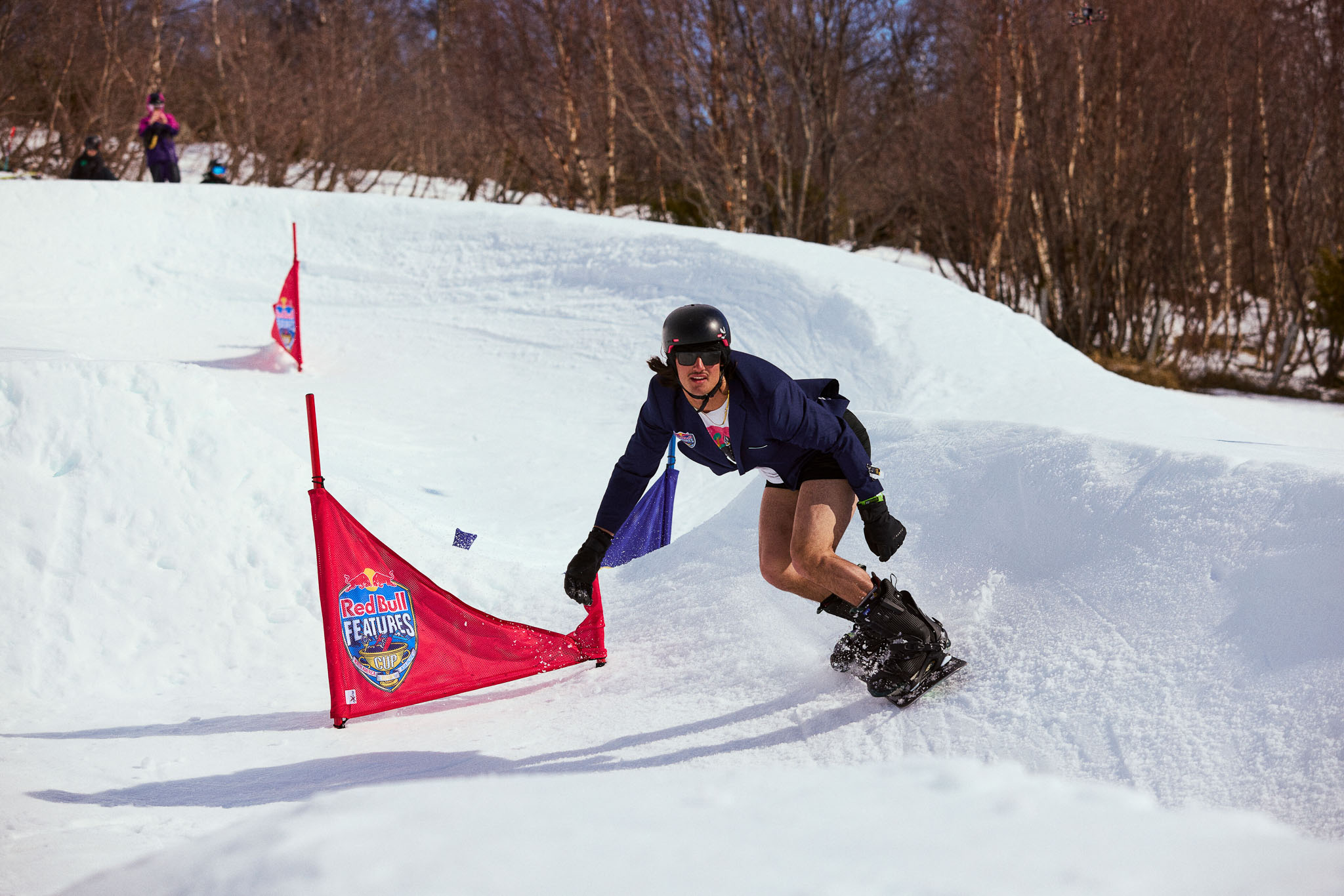
The day commenced with the banked slalom, a discipline that married raw speed with intricate line selection and tactical risk-taking. Teams were required to log cumulative times across two distinct runs. The first run saw riders on their standard boards, navigating the serpentine course with precision and power. The second run introduced a fascinating twist: competitors switched to mini boards, a choice that significantly altered the dynamics of speed and control, demanding heightened agility and an entirely different riding approach. Penalties were swiftly applied for missed gates, adding a layer of technical discipline, while creative risk-taking was actively encouraged through time deductions for audacious maneuvers like flips performed mid-course. This incentive for innovation immediately set the tone for the event.
North America’s Luke Winkelmann, known for his fluid style and powerful riding, set an impressive pace on his standard board, immediately signaling his team’s intent and showcasing their raw speed. However, the unique format, particularly the mini-board run and the "Mischief Multiplier" bonuses for creative tricks, ensured that no lead was insurmountable. While Winkelmann’s individual speed was undeniable, the cumulative nature of the scoring and the strategic opportunities for bonus points meant that the standings remained incredibly tight, reflecting the event’s emphasis on comprehensive performance rather than pure speed alone. The unpredictability of the mini-board run, in particular, proved to be a great equalizer, forcing even the most seasoned racers to adapt their technique.
Zone 2: The Rail Jam – Technicality Meets Randomization
Following the high-speed start, the focus shifted to the technical intricacies of the rail jam, a zone that quickly became one of the most dynamic and unpredictable. It began as a traditional open session, allowing riders to showcase their preferred lines and most polished tricks on a variety of features. However, the "Mischief Multiplier" soon introduced its signature twist: a spin wheel. This randomizer dictated specific tricks, features, or combinations that riders had to incorporate into their runs on the fly, forcing rapid adaptation and rewarding improvisation under pressure. The mental agility required to integrate an unexpected challenge into an already complex trick sequence was immense, separating the truly versatile riders from the specialists.
North America, with its deep roster of technical rail riders, quickly leaned into this zone as a clear strength. Their collective experience and comfort on diverse features allowed them to consistently deliver under both open and randomized conditions. However, it was Europe’s Fridtjof Tischendorf, affectionately known as "Fridge," who emerged as a true standout. His ability to seamlessly integrate the spin wheel’s demands into his already polished rail game was remarkable. Tischendorf consistently delivered high-level technicality and creativity, navigating the unpredictable elements with a composure that belied the pressure, cementing his reputation as one of the sport’s most adaptable and exciting talents. The close-up shot of Luke Winkelmann and Denver Orr, "Double Trouble," captured by Theo Acworth, visually encapsulated the North American team’s collective strength in this demanding zone.
Zone 3: The Quarterpipe – Amplitude, Artistry, and Alliance
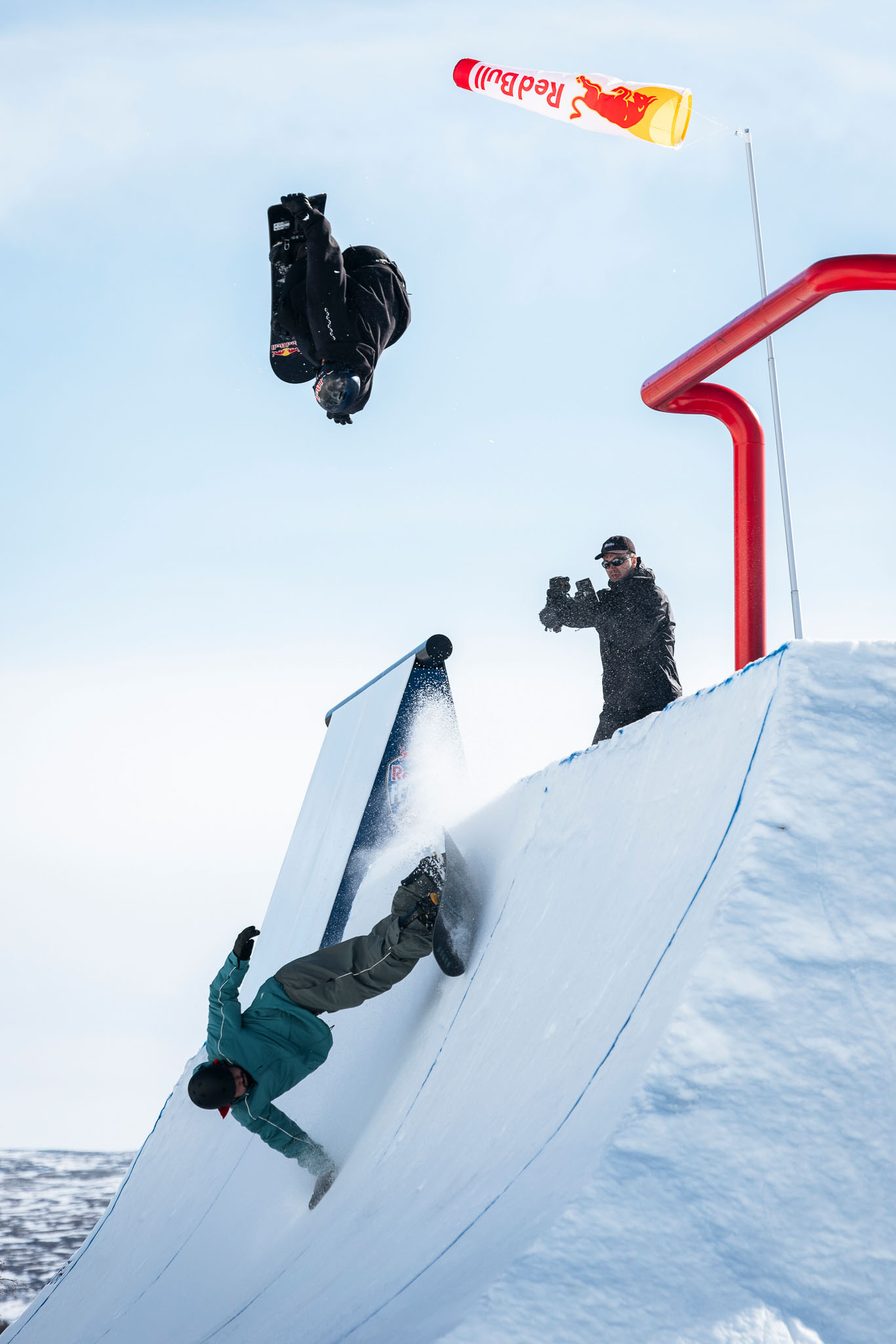
The quarterpipe zone marked a transition to amplitude and aerial artistry, but with a critical twist: team coordination. Beyond simply boosting high, riders were encouraged to utilize added features such as a wall ride and a hitching post, expanding the creative canvas. The most compelling element, however, was the introduction of bonus points for synchronized "doubles" runs. This daring maneuver required one rider to hit low on the coping while a teammate aired directly over them, demanding impeccable timing, trust, and communication. It was a true test of team synergy, transforming an individual discipline into a collaborative spectacle.
In a testament to the high level of camaraderie and skill present, all three teams successfully pulled off these synchronized doubles, generating an incredible atmosphere of shared achievement and pushing the collaborative energy of the event to new heights. Tischendorf once again proved instrumental for Europe, anchoring their quarterpipe performance with his consistent amplitude and creative lines. The Asia-Pacific team, despite showcasing strong air awareness and individual talent across its roster, ultimately fell just short in the zone standings, highlighting the razor-thin margins in this intensely competitive event. Zephyr Lovelock, in particular, demonstrated impressive air awareness, as captured by Olav Stubberud, reinforcing the team’s collective aerial capabilities.
Zone 4: The Jump Session – Controlled Progression and Flawless Execution
The final jump session was designed to be a defining highlight, introducing a unique progression format that shifted the focus from sheer difficulty to controlled execution, style, and consistency. Each rider was required to build their trick selection incrementally, starting from 180s and progressing through rotations, with a capped maximum of 900 degrees. This innovative rule meant that teams had to carefully plan their trick sequences, prioritizing flawless landings and fluid style over attempting the biggest possible rotations. It created a session unlike anything seen in traditional competition, where the emphasis was on mastery within defined parameters.
Europe, spearheaded by the undeniable aerial prowess of Marcus Kleveland, entered this zone as a formidable powerhouse. Kleveland, a rider synonymous with groundbreaking jump tricks, adapted his approach to fit the progressive format, showcasing his ability to deliver style and consistency even within constraints. All three teams rose to the challenge, however, delivering a tightly contested finale that kept spectators on the edge of their seats. The capped rotation level meant that every degree of rotation and every landing was scrutinized, elevating the importance of technical perfection and artistic expression. The jump session perfectly encapsulated the Red Bull Features Cup’s ethos: innovation through limitation, creating a truly unique spectacle.
The Unprecedented Three-Way Tie: A Mathematical Rarity
As the points from the four diverse zones were tallied, the event culminated in a truly rare and mathematically improbable outcome: a three-way tie. Each of the competing teams – Europe, North America, and Asia-Pacific – finished with an identical 12 points. This extraordinary result underscored just how evenly matched the field was and how successful the innovative format had been in leveling the playing field across different skill sets. Europe had secured two crucial zone wins, showcasing their dominance in specific areas. Asia-Pacific demonstrated remarkable consistency, combining a zone win with multiple second-place finishes. North America, while notching fewer outright zone victories, maintained a high level of performance across all disciplines, ensuring they remained precisely level with their rivals. The unprecedented deadlock forced an immediate and thrilling sudden-death scenario, adding an unexpected layer of drama to an already captivating event.
The Sudden-Death Showdown: Hip Session Decides Destiny
With the stakes at their absolute highest, the tie was ultimately broken in an unplanned fifth zone: a high-stakes hip session. The hip feature, known for its ability to showcase amplitude, style, and creative transitions, was the perfect arena for a sudden-death decider, demanding quick thinking and flawless execution under immense pressure. It offered a pure test of flow and aerial control, a fitting conclusion to an event that championed versatility.
It was the Asia-Pacific team, comprising Cool Wakushima, Zephyr Lovelock, Rocco Jamieson, and Miyabi Onitsuka, who capitalized on the momentum and depth they had demonstrated throughout the day. In this high-pressure, winner-take-all scenario, their collective strength and ability to perform under duress shone brightest. They delivered a series of decisive runs, showcasing impeccable style and bold maneuvers on the hip, ultimately securing the overall victory in a memorable display of clutch performance. The roar of the crowd, palpable even through the broadcast, celebrated not just their win, but the incredible spectacle of the entire event.
Final Results:
1st Asia-Pacific
2nd North America
3rd Europe
Rider and Organizer Reactions: A New Standard Set
The immediate aftermath of the event was filled with a mix of exhaustion, elation, and widespread praise for the innovative format. Riders universally lauded the Red Bull Features Cup for its unique "vibe" – a session-driven environment where collaboration and progression took precedence over the often-stifling pressure of traditional contests. Marcus Kleveland, reflecting on the experience, likely expressed admiration for the format’s ability to challenge riders in new ways, stating, "It was incredible to ride with such a diverse group and push each other creatively. The format truly made us think differently about competition." Fridtjof Tischendorf, a standout performer, might have commented on the thrill of the randomizer elements, saying, "The spin wheel was wild! It forced us to adapt instantly, which is what real snowboarding is about." Luke Winkelmann, representing North America, likely echoed sentiments about the camaraderie, noting, "Even though we were competing, there was such a strong sense of teamwork and pushing the sport forward together. This feels like the future."
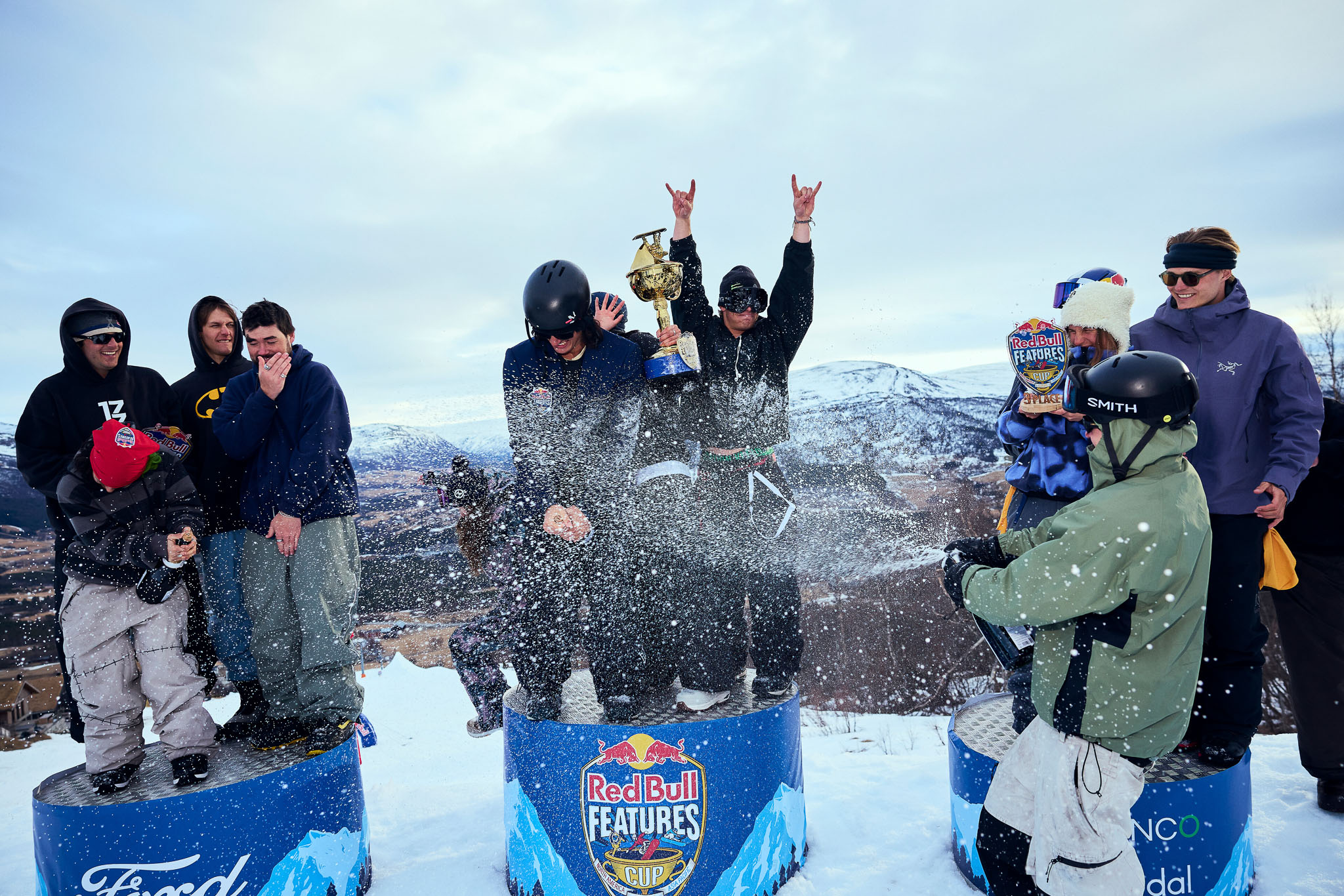
Organizers from Red Bull, clearly satisfied with the event’s successful debut, would undoubtedly highlight its achievements in fostering creativity and showcasing the full spectrum of snowboarding talent. A spokesperson might have stated, "The Red Bull Features Cup was designed to break new ground, and it delivered beyond our expectations. The unprecedented three-way tie and the incredible show of skill and sportsmanship demonstrated that there’s a huge appetite for formats that prioritize versatility, teamwork, and genuine progression. We believe this event sets a powerful precedent for competitive snowboarding moving forward." The general consensus was that the event had successfully cultivated an atmosphere where riders fed off each other’s energy, pushing boundaries in a spirit of collective progression, rather than cutthroat rivalry.
Implications for Competitive Snowboarding: A Blueprint for the Future
More than the final podium, the defining takeaway from the Red Bull Features Cup was its profound impact on the perception of competitive snowboarding. This event unequivocally proved that there is a viable and exciting alternative to the well-established, yet sometimes formulaic, structures of events like the X Games or Olympic slopestyle. By emphasizing versatility, creative expression, and team strategy over individual specialization or the sheer difficulty of a single trick, the Red Bull Features Cup has laid down a compelling blueprint for the future.
The focus on a multi-zone course, the strategic depth added by the "Mischief Multiplier," and the unique progression format in the jump session collectively challenged riders to be complete snowboarders, not just specialists in one discipline. This approach not only broadens the skill set required for success but also makes the competition more engaging and unpredictable for spectators. The element of team dynamics, forcing individual athletes to collaborate and strategize, adds a layer of narrative depth often missing in individual sports. Furthermore, the event’s commitment to fostering a "session-driven environment" where fun and mutual encouragement were paramount could serve as a model for promoting a healthier, more sustainable competitive culture within action sports.
The success of the Red Bull Features Cup suggests a significant shift in what audiences and athletes desire from snowboarding competitions. It demonstrates a potential path forward where innovation in format and a renewed focus on the core values of creativity and camaraderie can breathe new life into the competitive landscape. As the dust settles on this historic debut, the Red Bull Features Cup stands as a testament to what is possible when event organizers dare to innovate, setting a new benchmark for competitive snowboarding—one where creativity leads, teamwork matters, and the inherent joy of riding remains at the core. The event’s immediate positive reception ensures its place as a pivotal moment in the evolution of action sports, hinting at a future where similar dynamic, multi-faceted competitions could become a staple.

