
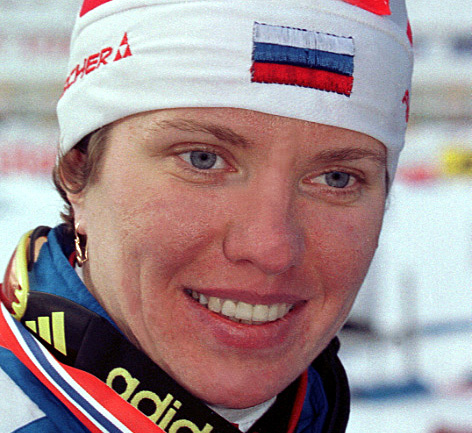
The world of biathlon is mourning the loss of Galina Kukleva, a celebrated Russian athlete who passed away at the age of 53. Kukleva, renowned for her electrifying performance at the 1998 Nagano Winter Olympics, succumbed to cancer after a prolonged battle. Her death, which occurred in Tyumen, Siberia, marks the end of a significant chapter for Russian and international biathlon.
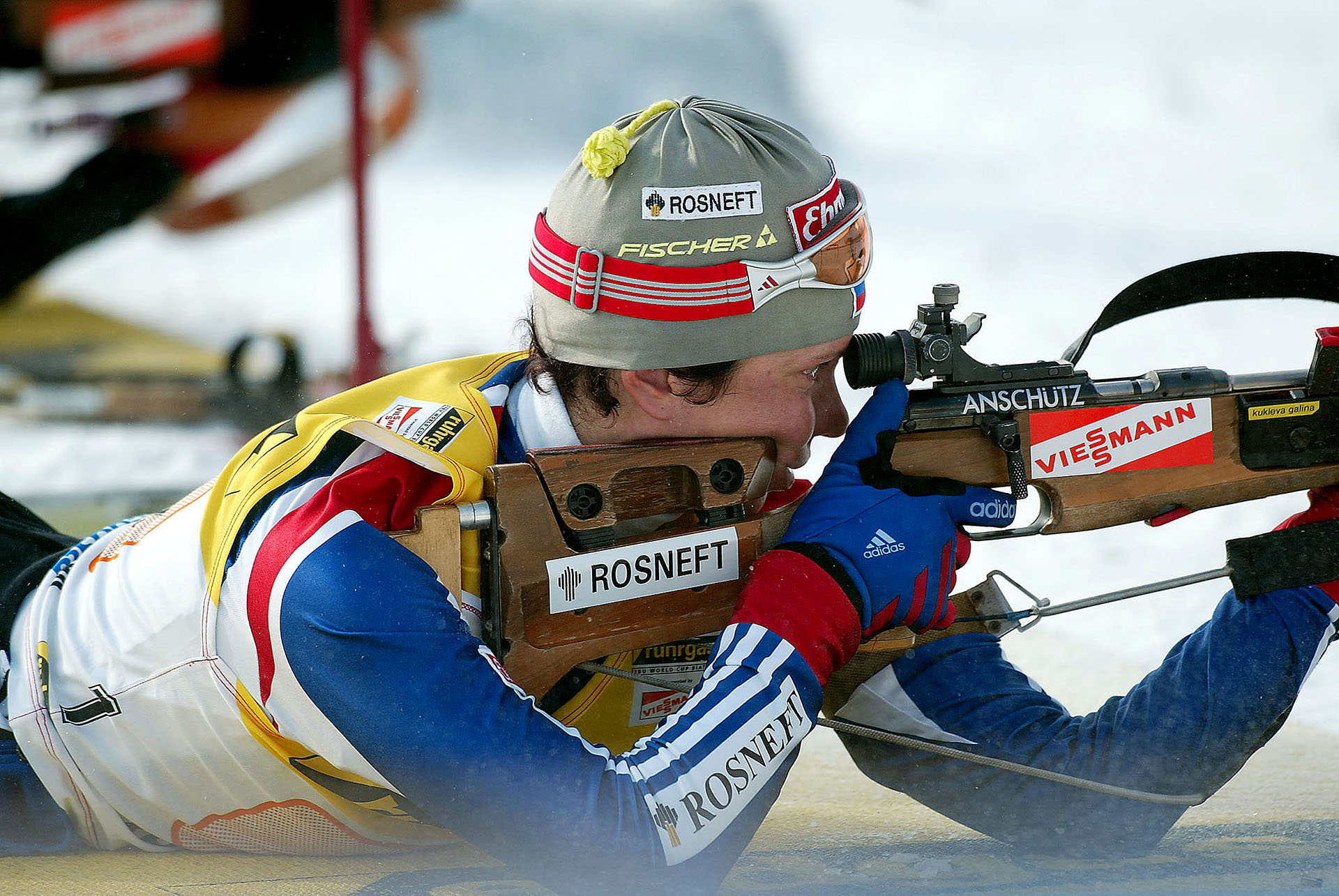
Kukleva’s career was punctuated by exceptional achievements, most notably her gold medal in the 7.5 km sprint at the Nagano Games. This victory cemented her place in Olympic history and brought her widespread recognition. Beyond her Olympic triumph, Kukleva amassed an impressive collection of three World Championship gold medals, solidifying her status as one of the sport’s elite competitors.
A Legacy Forged in Competition
Galina Kukleva’s impact on biathlon extended far beyond her individual accolades. Her success in the sport provided a powerful inspiration for a generation of athletes and captured the attention of fans worldwide. The news of her passing has reverberated through the biathlon community, with many remembering her as a formidable competitor and a dedicated athlete.
Her Olympic gold medal in Nagano was not just a personal triumph but a significant moment for Russian sport. The 1998 Winter Olympics, held in Nagano, Japan, saw a highly competitive field in women’s biathlon. Kukleva’s sprint victory was a testament to her skill, precision, and mental fortitude under immense pressure. She edged out formidable rivals, demonstrating a mastery of both skiing and shooting that defined her career.
Olympic Triumph and World Championship Dominance
The 1998 Nagano Olympics proved to be a landmark event for Kukleva. Her gold medal performance in the 7.5 km sprint was a masterclass in biathlon. This victory was particularly significant as it marked a period of intense competition and emerging stars in women’s biathlon. The event saw close races and dramatic finishes, with Kukleva ultimately emerging victorious.
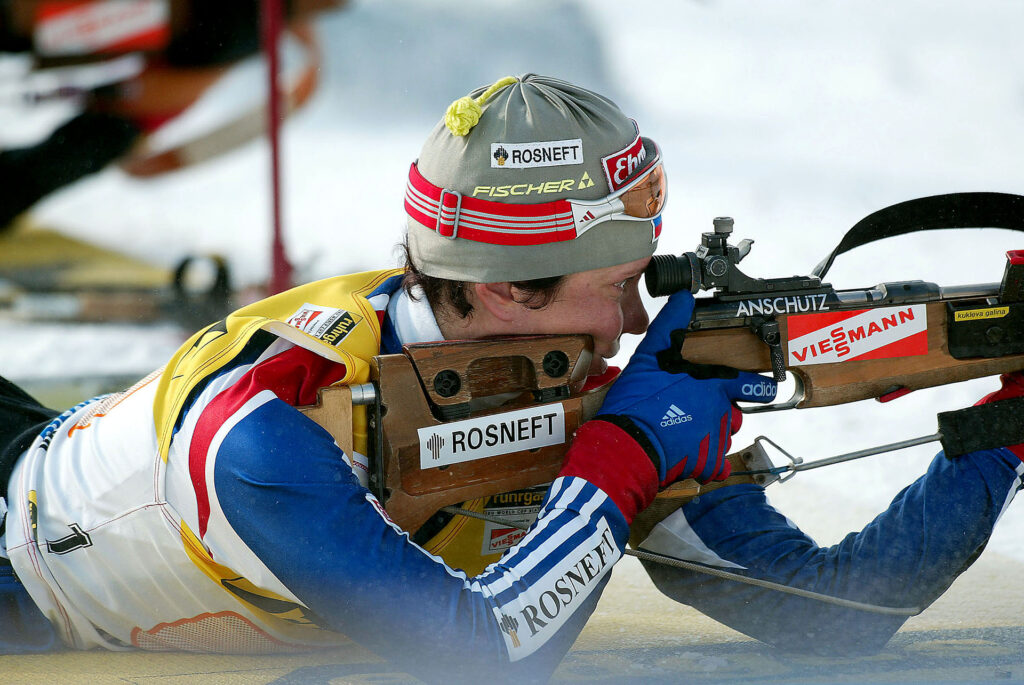
Her success did not end with the Olympic Games. Kukleva went on to secure three World Championship gold medals in team relays, underscoring her importance as a team player and her consistent high-level performance throughout the early 2000s. These relay victories, achieved in the years 2000, 2001, and 2003, highlight her sustained excellence and her ability to perform under pressure in a team environment.
Furthermore, Kukleva’s Olympic medal cabinet also includes a silver in the relay from the 1998 Nagano Games and a bronze in the same discipline from the 2002 Salt Lake City Olympics. These additional medals further illustrate her consistent presence at the pinnacle of the sport over multiple Olympic cycles. Her individual World Championship success also includes a silver medal in the mass start event, which took place in Oslo in 2000. This performance in a challenging individual discipline further cemented her reputation as a versatile and talented biathlete.
World Cup Success and Technical Prowess
Kukleva’s prowess was also evident in her World Cup performances. She achieved nine individual victories in World Cup races, a remarkable feat that speaks to her consistent ability to compete and win against the best biathletes in the world over an extended period. These victories spanned various disciplines and locations, showcasing her adaptability and enduring skill.
Commentators and fellow athletes often noted Kukleva’s exceptional strength in standing shooting. This aspect of biathlon requires immense concentration and control, and her proficiency in this area was a significant advantage in close races. Her ability to maintain accuracy while fatigued from skiing was a hallmark of her competitive strategy and a key factor in her numerous victories.
Rivalries and Recognition
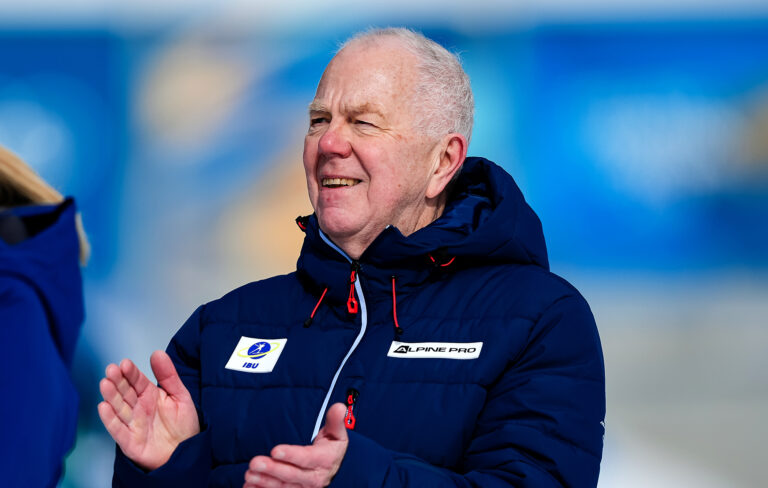
During her Olympic gold medal race in Nagano, Kukleva engaged in a closely contested battle with German rival Uschi Disl. Disl, who now resides in Sweden and has worked as an expert commentator for Swedish radio, was a prominent figure in women’s biathlon during Kukleva’s era. The rivalry between these two athletes, characterized by mutual respect and fierce competition, was a highlight for fans and contributed to the sport’s growing popularity.
The image of Kukleva, a celebrated Olympic champion, now fading due to illness, serves as a poignant reminder of the human element within the often-grueling world of elite sports. The news of her passing has prompted an outpouring of tributes from across the international sports community.
A Life Dedicated to Biathlon
Born in the Soviet Union, Galina Kukleva’s journey into biathlon began at a young age. Like many athletes from her era, she was part of a robust state-sponsored sports system that identified and nurtured talent from an early age. Her dedication to training and her inherent athletic abilities quickly set her apart.
The early years of her career saw her develop her skills on the national and international circuits. The transition from the Soviet system to the Russian national team presented new challenges and opportunities. Kukleva adapted, continuing to refine her technique and build her competitive experience.
The late 1990s and early 2000s were a golden era for Russian women’s biathlon, and Kukleva was a central figure in this success. Her performances inspired many younger athletes within Russia and contributed to the nation’s strong standing in the sport.

The Impact of Cancer
The announcement that Kukleva had been battling cancer highlights the insidious nature of the disease, which can affect individuals regardless of their physical prowess or public profile. The fact that she fought the illness for an extended period speaks to her resilience, a trait that was also evident throughout her athletic career. The fight against cancer is often a solitary and arduous journey, and her courage in facing it is likely to be remembered by those who knew her.
The location of her passing in Tyumen, a major city in Siberia, places her death within the context of her life and career, which was deeply rooted in Russian sporting culture. While specific details about her treatment and the progression of her illness are not publicly available, the confirmation of her death due to cancer has cast a shadow over the biathlon world.
Broader Implications and Reflections
The passing of a prominent athlete like Galina Kukleva prompts reflection on the transient nature of sporting careers and the lasting impact individuals can have. Her achievements serve as a benchmark for future generations of biathletes. Her Olympic gold medal, in particular, remains an iconic moment in the history of the sport.

The sport of biathlon, with its demanding blend of endurance and precision, attracts athletes of exceptional character. Kukleva embodied these qualities, demonstrating a rare combination of physical ability and mental strength. Her legacy is not only defined by the medals she won but also by the indelible mark she left on the sport through her dedication and competitive spirit.
As tributes continue to pour in, it is clear that Galina Kukleva will be remembered as a true champion. Her contributions to biathlon have enriched the sport, and her memory will undoubtedly live on in the hearts of fans and fellow athletes alike. The news of her death serves as a somber reminder of the importance of health and well-being, even for those who have reached the peak of physical achievement. Her story is a testament to the power of perseverance, both in sport and in the face of life’s greatest challenges.

