
Steamboat Resort has officially activated its extensive snowmaking system in a strategic effort to protect critical infrastructure and terrain from the encroaching Fishhook Fire. This proactive measure, initiated on July 17, 2026, involves the deployment of 41 high-capacity snow cannons across the Sunshine area of the mountain. By repurposing winter technology for summer fire suppression, resort officials aim to create a high-moisture buffer zone intended to halt or slow the progress of the wildfire, which has been burning in the nearby wilderness for several days. The decision underscores an emerging trend in the ski industry, where multimillion-dollar snowmaking investments are increasingly being viewed as essential tools for wildfire resilience in an era of intensifying summer burn seasons.
The Current Threat: The Fishhook Fire
The Fishhook Fire was first detected on the afternoon of Sunday, July 12, 2026, following a series of dry lightning strikes that moved across Routt County. The blaze originated in a rugged, heavily timbered section of the Routt National Forest, approximately five to seven miles from the southwestern boundary of the Steamboat ski area. While the fire initially showed moderate growth, a shift in local wind patterns and a period of sustained high temperatures have pushed the fire perimeter closer to the resort’s permit boundary.
As of the morning of July 17, the Fishhook Fire has consumed an estimated 1,200 acres. The terrain between the fire’s current edge and the resort consists largely of beetle-kill lodgepole pine and dense underbrush, fuels that are notorious for supporting high-intensity crown fires. Recognizing the potential for spotting—where embers are carried by wind to start new fires ahead of the main front—Steamboat Resort management moved to activate their "proactive precautions" protocol.
The primary focus of the resort’s defense is the Sunshine area, a popular sector of the mountain known for its intermediate terrain and essential lift infrastructure. By saturating the ground, trees, and low-lying vegetation, the resort is effectively raising the fuel moisture content (FMC) to levels that make ignition difficult, if not impossible, for drifting embers.
Technical Execution of the Defensive Wetting
The conversion of a snowmaking system into a fire suppression network is a complex logistical feat. Steamboat’s system relies on a sophisticated network of underground pipes, high-pressure pumps, and a massive water supply, typically drawn from local reservoirs and treated effluent sources. Under normal winter operations, these systems combine compressed air and water to create ice crystals. For fire suppression, the air compressors are deactivated, and the system is used to broadcast large volumes of raw water through the oscillating "fan guns."
The 41 machines currently active in the Sunshine area are strategically positioned to protect the Sunshine Express lift and the nearby Rendezvous Lodge. These assets represent tens of millions of dollars in capital investment. The cannons are being operated on a rotational basis to ensure deep saturation of the soil and canopy.
According to technical specifications typical of such systems, each high-capacity fan gun can move hundreds of gallons of water per minute. When grouped in a cluster of 41, the system is capable of delivering a localized "rainfall" equivalent to several inches of precipitation within a matter of hours. This artificial microclimate serves as a "wet line," providing a defensive anchor point for ground crews and aerial firefighting assets if the fire reaches the resort’s edge.
Chronology of the Response
The escalation of the resort’s response followed a precise timeline as the Fishhook Fire moved from a remote concern to an immediate threat:
- July 12, 2:30 PM: Lightning strike confirmed in the Fishhook Creek drainage. Initial smoke plumes detected by Forest Service lookouts.
- July 13–14: The fire grows to 400 acres. US Forest Service (USFS) crews begin mapping the fire and establishing containment lines in accessible areas. Steamboat Resort begins monitoring wind patterns.
- July 15: Fire behavior increases due to a "Red Flag Warning" issued for Northern Colorado. The fire jumps a secondary drainage, moving toward the resort’s southern flank.
- July 16: Resort leadership meets with Incident Command. The decision is made to test the snowmaking pumps and clear brush around lift terminals.
- July 17, 6:00 AM: Steamboat Resort officially activates 41 snow cannons in the Sunshine area. Water is drawn from the resort’s primary storage ponds to begin the saturation process.
Supporting Data and Resource Management
The use of snowmaking water for firefighting is governed by strict water rights and environmental regulations. Steamboat Resort maintains significant water storage capacity, designed to support its massive winter operations. In a typical season, the resort uses hundreds of millions of gallons of water to cover its trails. The current defensive operation, while intensive, utilizes a fraction of the total winter budget, but its timing is critical.
Data from the National Interagency Fire Center (NIFC) indicates that fuel moisture levels in Routt County are currently in the 5th percentile, meaning the vegetation is historically dry. By deploying the snow cannons, the resort is artificially boosting the moisture in the Sunshine area back to "spring-like" levels. This localized increase in humidity can also assist in lowering the ambient temperature in the immediate vicinity, further discouraging fire spread.
Official Perspectives and Industry Reactions
While Steamboat Resort has characterized the move as a "proactive precaution," the action has garnered support from local emergency management officials. A spokesperson for the Routt County Emergency Management team noted that private infrastructure like snowmaking systems can provide a significant "force multiplier" for public firefighting efforts.
"When a private entity can secure its own perimeter using existing infrastructure, it allows public resources—such as Type 1 handcrews and heavy helitankers—to focus on more vulnerable residential areas or the primary fire head," the official stated.
The ski industry at large is watching Steamboat’s actions closely. The National Ski Areas Association (NSAA) has recently highlighted the importance of wildfire preparedness as part of its "Sustainable Slopes" initiative. As wildfires become more frequent and intense across the American West, the dual-purpose use of snowmaking systems is moving from an experimental tactic to a standard operating procedure for high-risk resorts.
Historical Precedents in Resort Defense
Steamboat is not the first resort to utilize its winter arsenal against summer flames. The most notable instance occurred in 2021 during the Caldor Fire in California. Sierra-at-Tahoe deployed its snowmaking fans as the fire swept through the resort. While the fire did damage some timber and secondary structures, the use of the snow guns was credited with saving the main base lodge and several key lift installations.
Similarly, in 2024, resorts in British Columbia and Oregon utilized similar tactics to defend against record-breaking fire seasons. These precedents have provided a blueprint for Steamboat’s current operations, emphasizing the need to start the wetting process well before the fire reaches the property line, as the high-pressure water requires time to soak into the heavy fuels of the forest floor.
Broader Implications and Economic Impact
The stakes for Steamboat Resort extend beyond the immediate physical structures. The resort is the primary economic engine for the city of Steamboat Springs and the broader Yampa Valley. A significant wildfire within the resort boundaries would not only cause immediate property damage but could also lead to long-term environmental degradation, including soil erosion and the loss of the "gladed" skiing experience for which Steamboat is famous.
Furthermore, the impact on the upcoming 2026-2027 winter season could be catastrophic if major lifts were to be damaged. The lead time for replacing a modern detachable chairlift can exceed 18 months due to global supply chain constraints and specialized engineering requirements. By activating the snowmaking system now, the resort is essentially purchasing an insurance policy against years of potential lost revenue and regional economic downturn.
Environmental Considerations
While the immediate goal is fire suppression, the resort must also manage the environmental impact of its water usage. Rapidly discharging large volumes of water can lead to localized runoff and siltation in mountain streams. Steamboat’s mountain operations team is reportedly monitoring drainage points to ensure that the water being sprayed is being absorbed by the landscape rather than causing erosion into the Burgess Creek watershed.
The water used in these systems is typically untreated "raw" water, which is ecologically compatible with the surrounding forest. However, the intensity of the spray is being carefully managed to avoid damaging the very trees the resort is trying to save, as high-pressure water can strip bark or damage sensitive alpine foliage if not directed properly.
Looking Ahead: A New Era of Resort Management
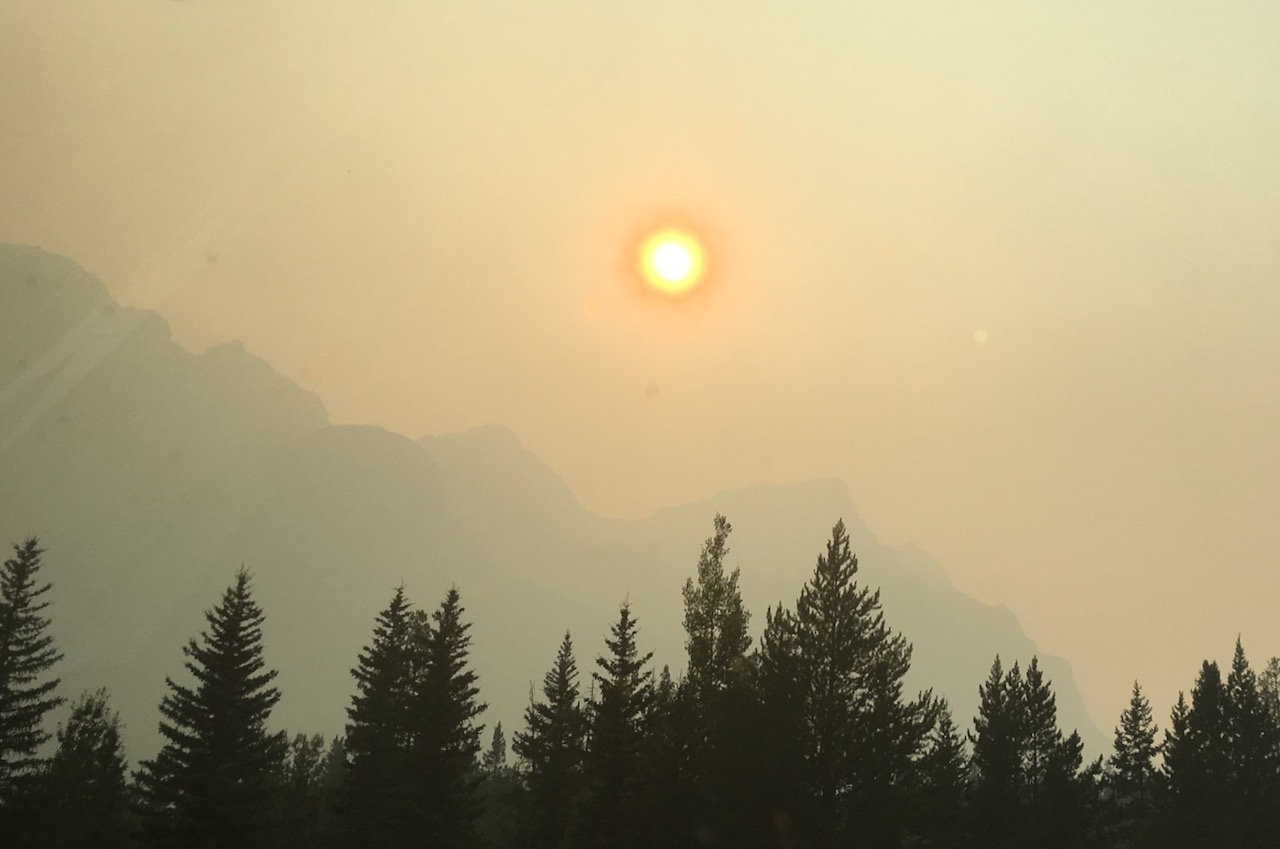
As the Fishhook Fire continues to burn in the Routt National Forest, the situation at Steamboat Resort remains fluid. Firefighters are hoping for a break in the weather, with a possibility of monsoonal moisture forecasted for later in the week. Until then, the "snow guns" will remain a surreal sight against the hazy, smoke-filled summer sky—a testament to the adaptive strategies required to manage mountain environments in the mid-21st century.
The activation of the snowmaking system at Steamboat serves as a stark reminder of the intersection between climate change, recreation, and forest management. What was once a tool solely for extending the ski season has now become a frontline defense in the preservation of the mountain landscape. For now, the resort remains open in areas unaffected by the fire, but management continues to advise visitors to stay informed via official channels as the Fishhook Fire response evolves.

