
Two new wildfires have ignited within the North Cascades National Park Service Complex, adding to the ongoing challenge of managing blazes sparked by recent lightning storms. The discovery of the Border 1 Fire and Border 2 Fire on July 17th underscores the volatile nature of the region’s wilderness, particularly as dry conditions persist. These new incidents join the already active Luna Fire, creating a multi-faceted response effort for park officials and firefighting crews.
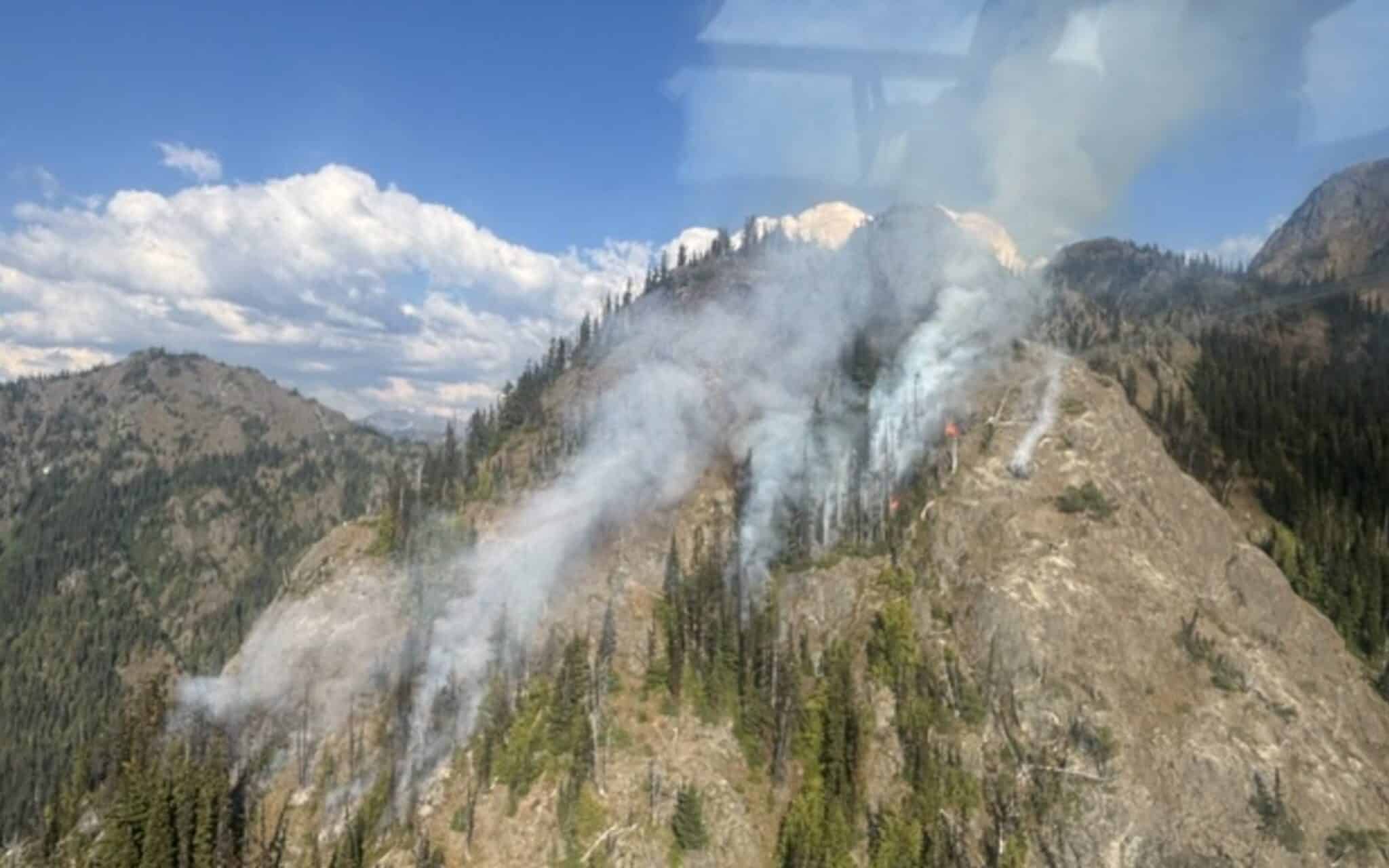
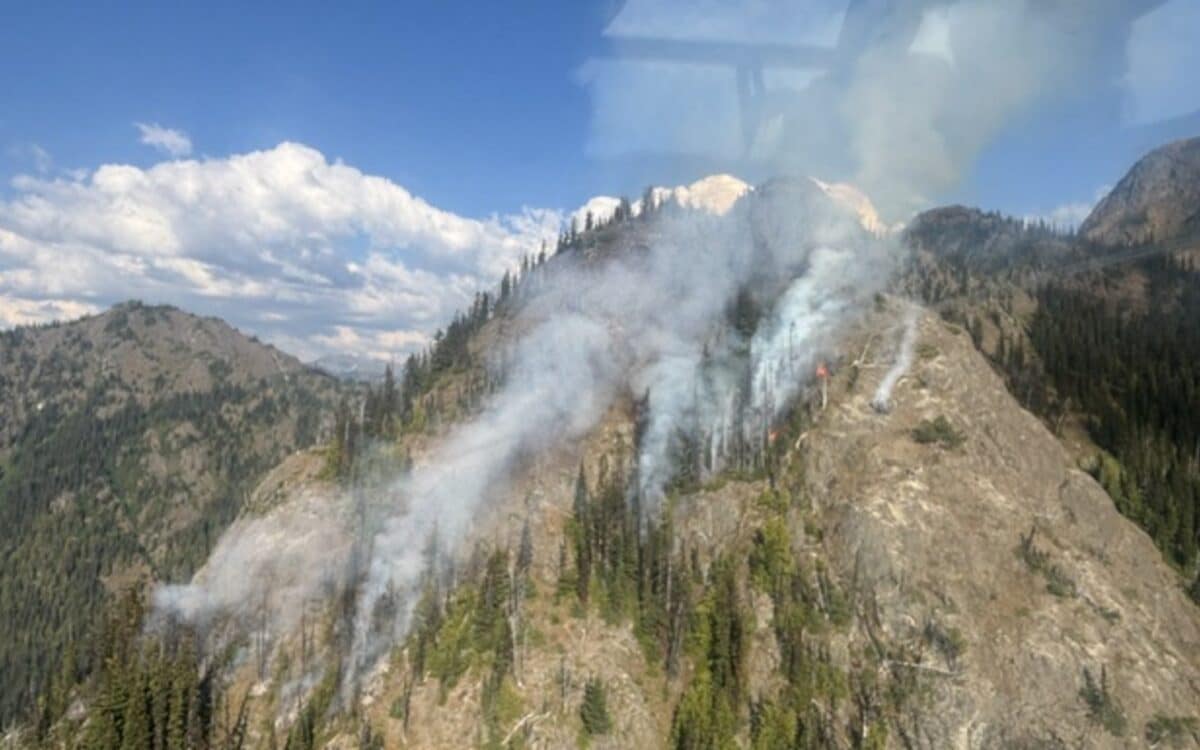
The Border 1 Fire, currently estimated at approximately one acre, and the Border 2 Fire, covering about a quarter of an acre, are situated in a remote and challenging area south of the U.S./Canada border and east of Ross Lake. The rugged, steep, and rocky terrain presents significant obstacles for ground-based firefighting operations, necessitating a reliance on aerial resources. Fire officials are strategically employing a Type-1 helicopter to deliver water to both nascent fires, contingent on favorable weather conditions. The arrival of the Olympic Wildland Fire Module signifies an escalation in suppression efforts, bringing additional specialized personnel to combat these new threats. This deployment reflects a proactive approach to containing these fires before they can escalate further in the sensitive alpine environment.
Luna Fire Response Continues Amidst Growing Concerns
The Luna Fire remains a primary focus for park managers and firefighters, having grown to an estimated 22 acres. The primary objective for crews is to contain its spread and mitigate any potential impacts on the surrounding wilderness and its delicate ecosystems. The Warm Springs Wildland Fire Module has completed its assignment, having successfully established containment lines and conducted initial suppression activities. In their stead, the Mission Valley Suppression Module has been deployed to continue and enhance the ongoing suppression efforts. This rotation of specialized modules ensures sustained and experienced personnel are on the ground, adapting to the evolving fire behavior.
The suppression strategy for the Luna Fire involves a coordinated effort utilizing both Type-3 and Type-1 helicopters. These aircraft are crucial for delivering water and retardant to inaccessible areas, providing critical support to ground crews. The challenging topography of the North Cascades, characterized by steep slopes and limited road access, amplifies the complexity of wildfire management. This reliance on aerial support is a testament to the unique environmental factors that dictate firefighting tactics in this protected wilderness. The continuous monitoring of fire behavior, weather patterns, and the strategic deployment of resources are paramount in preventing further expansion and safeguarding the park’s natural resources.
Timeline of Events and Escalating Fire Activity
The current wildfire situation in North Cascades National Park began to escalate following a series of significant lightning storms that swept through the region earlier in the week. While the exact date of the initial lightning strikes has not been detailed, the discovery of the Border 1 and Border 2 fires on July 17th indicates that ignition occurred in the days preceding this official report. The Luna Fire, while not explicitly stated as originating from these specific storms, is an ongoing concern and has seen recent growth, suggesting it too may have been influenced by or ignited during the recent period of atmospheric electrical activity.
The deployment of various specialized wildfire modules, such as the Warm Springs Wildland Fire Module and its subsequent replacement by the Mission Valley Suppression Module for the Luna Fire, indicates a phased response strategy. This chronological approach to resource allocation demonstrates an adaptive management style, where personnel and equipment are strategically moved and replaced as initial objectives are met and new challenges emerge. The arrival of the Olympic Wildland Fire Module for the newly discovered Border fires further illustrates this dynamic response, highlighting the immediate need for additional support as new ignitions are identified.
Supporting Data and Firefighter Deployments
The North Cascades National Park Service Complex, encompassing over 1 million acres of protected wilderness, is particularly susceptible to wildfire due to its vast forested areas and rugged terrain. The recent surge in fire activity is not an isolated incident but rather a component of a broader trend of increasing wildfire severity across the Western United States, often linked to climate change and prolonged drought conditions. While specific data on the historical fire frequency in this particular section of the park was not provided in the initial report, the current situation demands significant resource allocation.
The operational details of the firefighting efforts highlight the sophisticated logistics involved. The use of Type-1 helicopters, recognized for their heavy-lift capabilities, underscores the scale of the suppression operations. These aircraft are capable of carrying substantial water loads and are essential for effective aerial attacks, especially in remote and inaccessible areas. The presence of Type-3 helicopters suggests a tiered approach to aerial support, likely used for reconnaissance, personnel transport, and lighter water drops. The deployment of specialized modules, comprising highly trained wildland firefighters, signifies a commitment to effective containment strategies. These modules are equipped to handle complex fire scenarios and often bring their own specialized equipment and expertise.
Official Responses and Public Safety Directives
Park officials have emphasized the importance of visitor safety and the protection of park resources through a series of measures, including trail closures and comprehensive fire restrictions. The closure of a section of the Luna Cross-country Zone within the McMillan Creek drainage area is a direct consequence of the proximity of the Luna Fire. This measure is designed to prevent public access to areas where firefighting operations are underway, thereby safeguarding both visitors and the personnel engaged in suppression efforts.
The overarching fire restrictions implemented on June 29th prohibit campfires and the ignition of any wood, briquettes, or other combustible materials in fire pits, fire pans, and barbecue grills. This broad restriction reflects a precautionary approach to minimize the risk of human-caused ignitions, especially given the current dry conditions and the presence of active wildfires. However, the use of gas and propane stoves, grills, and lanterns remains permissible under strict safety guidelines, requiring flammable materials to be kept at least three feet away. These regulations are critical for preventing further escalation of fire danger within the park complex.
Broader Implications and Future Outlook
The current wildfire situation in the North Cascades has significant implications beyond immediate containment efforts. Smoke from the active fires, particularly the Luna Fire, is expected to be visible from various vantage points around Ross Lake, potentially impacting air quality and visitor experience. Park officials are urging visitors to monitor real-time smoke information before planning travel to the area. The rapid fluctuations in air quality are a stark reminder of the dynamic nature of wildfire events and their widespread impact.
Furthermore, the prohibition of drones in the fire response areas is a critical safety directive. Unauthorized drone flights pose a severe risk to firefighting aircraft, potentially leading to the suspension of vital aerial operations until the airspace is cleared. This restriction underscores the paramount importance of maintaining clear skies for effective and safe wildfire suppression. The potential for further fire activity remains a significant concern, as weather forecasts predict a return to hotter and drier conditions, exacerbating the risk of new ignitions and the intensification of existing fires. This forecast necessitates continued vigilance and a robust, adaptive response strategy from the National Park Service and its partners. The long-term implications of these recurring fire events may also influence forest health, biodiversity, and the overall ecological balance of the North Cascades ecosystem, prompting further study and management considerations in the years to come.

