
As meteorological summer progresses and the astronomical summer solstice approaches this weekend, skiers and snowboarders are not yet ready to hang up their skis. A select number of North American ski resorts are defying the seasonal norm, offering lift-accessed and hike-access terrain for enthusiasts eager to carve turns on snow well into the summer months. This phenomenon, once a niche offering, is becoming a significant draw for a dedicated segment of the winter sports community, driven by both natural snowpack persistence and innovative operational strategies.
The current landscape of summer skiing reflects a growing trend of extending the operational window for resorts, capitalizing on unique geographical advantages and a persistent demand for snow sports. While the traditional ski season typically concludes by late spring, these pioneering resorts are leveraging high-altitude snowpack, strategic snowmaking, and specialized summer programs to provide a continued skiing experience. This allows for athletes in training, recreational skiers seeking unique adventures, and even those simply missing the mountain ambiance to enjoy the sport.
Key Resorts Offering Summer Skiing and Snowboarding This Weekend:
Several resorts across North America are providing opportunities for summer snow sports, catering to various levels of access and commitment.
-
Copper Mountain, Colorado: While public chairlift operations have ceased for the summer, Copper Mountain remains a viable destination for dedicated skiers and snowboarders through its innovative "hike-park." This unique offering allows access to terrain on Thursdays through Sundays, contingent on the persistence of suitable snow conditions. The daily ticket price for this access is set at $25, making it an accessible option for those willing to put in the effort for summer turns. For individuals seeking the convenience of lift-accessed laps, enrollment in a Woodward Summer Camp session provides an alternative pathway to on-snow training and enjoyment. The resort’s commitment to year-round action, particularly through its Woodward facilities, underscores a strategic approach to maximizing asset utilization and catering to a diverse range of action sports enthusiasts.
-
Timberline Lodge, Oregon: Renowned for boasting the longest ski season in the United States, Timberline Lodge continues its tradition with the Palmer Lift. This essential piece of infrastructure operates daily from 8:30 AM to 1:30 PM, providing access to the Palmer Snowfield. The resort offers both private training lanes for professional athletes and public lanes for recreational skiers, attracting a mix of elite competitors, freestyle athletes honing their skills, and recreationalists seeking summer snow. The Palmer Snowfield typically remains open into August, showcasing the exceptional snow retention capabilities of its high-elevation location and the resort’s dedicated grooming and maintenance efforts. This extended season is a testament to the unique microclimate of Mount Hood and Timberline’s proactive management.
-
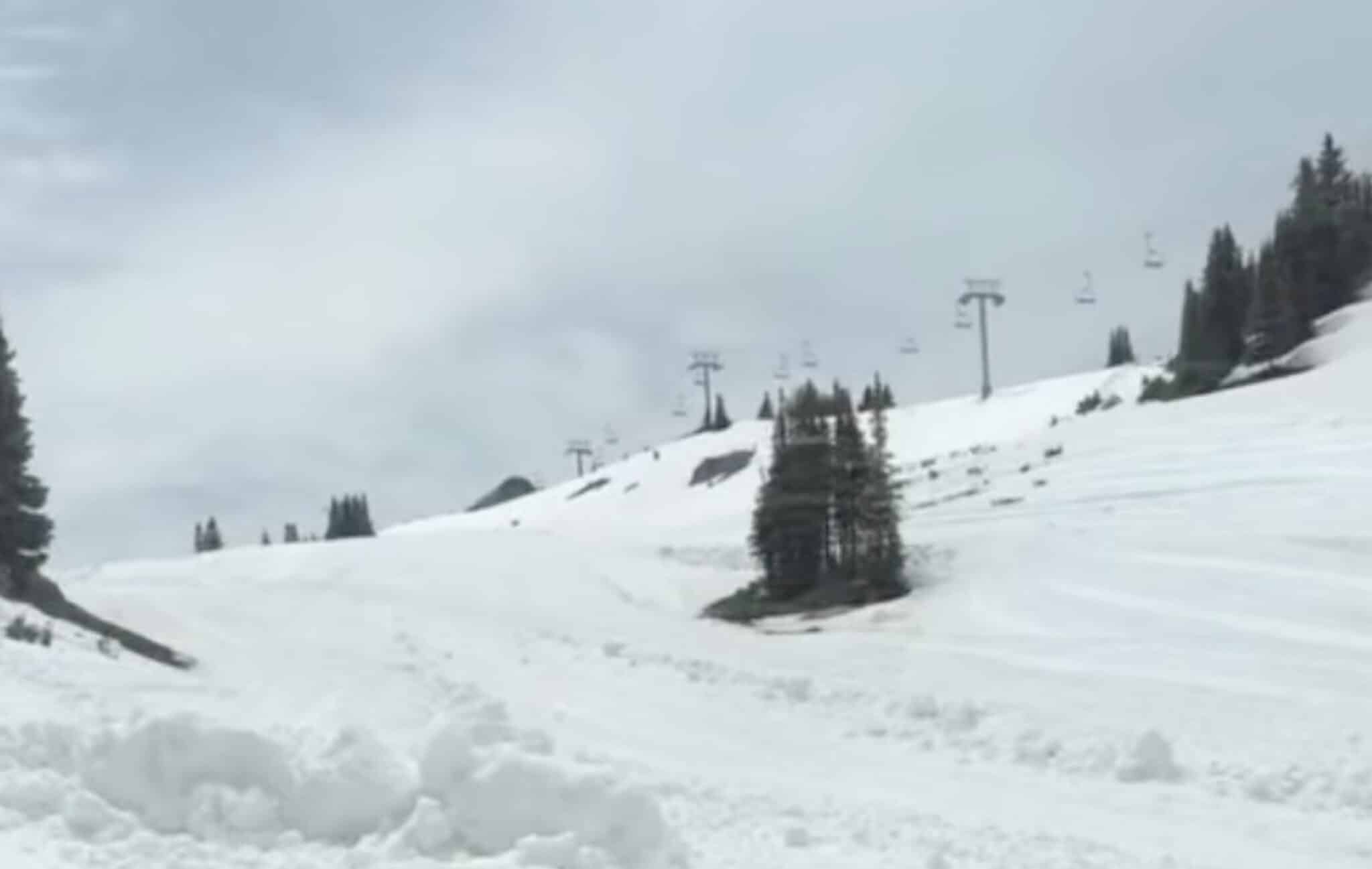
Banff Sunshine Village, Alberta, Canada: This iconic Canadian resort is extending its season with special summer operations running from June 20th through July 5th. This offers a valuable 16-day bonus period for both Canadian and American visitors to experience skiing and snowboarding on its slopes. While specific details regarding the full extent of open runs have not been fully disclosed, terrain is confirmed to be accessible via the Strawberry Express and Standish Express chairlifts. This limited-time offering is a significant draw for international visitors looking to combine a summer vacation in the Canadian Rockies with the thrill of skiing. The resort’s ability to maintain sufficient snowpack at its high elevation is a critical factor in enabling these extended operations.
-
Jay Peak Resort, Vermont: Jay Peak Resort is set to host its annual Solstice Sessions event on Saturday, June 20th. This popular event provides on-snow skiing and snowboarding opportunities utilizing a terrain park meticulously constructed from stockpiled snow near the Stateside Carpet area. Sessions are available in three-hour blocks, commencing at 9:00 AM, with tickets priced at $100 per session. Beyond the core skiing and snowboarding activities, the Solstice Sessions are designed as a comprehensive summer celebration, incorporating skateboarding, a gear sale at the Stateside shop, and food and beverages served at the Stateside Cafeteria and Bullwheel Bar. This multi-faceted event aims to capture the spirit of summer while celebrating winter sports.
-
Beartooth Basin, Wyoming: Operating as a summer-only ski area, Beartooth Basin is currently open daily, with plans to keep its two surface lifts operational at least until June 24th. Lift tickets are affordably priced at $50 per day. However, potential visitors should be aware that Beartooth Basin is exclusively recommended for intermediate and advanced skiers and snowboarders. The resort’s terrain is characterized by its steep gradient, and conditions are subject to constant change due to the dynamic mountain environment. The appeal of Beartooth Basin lies in its raw, high-alpine experience, offering a challenging and authentic summer snow adventure for seasoned riders.
The Evolving Landscape of Summer Skiing
The phenomenon of summer skiing is not new, but its accessibility and the variety of offerings are expanding. Historically, summer skiing was largely confined to glaciers or extremely high-altitude regions where natural snow could persist through warmer months. Resorts like Timberline Lodge in Oregon and areas in the European Alps have long been destinations for summer training and recreational skiing due to their geographical advantages.
However, recent years have seen a strategic shift. Resorts are investing in snow preservation techniques, such as covering snowpack with thermal blankets during the off-season, to ensure sufficient base for summer operations. Furthermore, the development of specialized summer camps and events, like those at Jay Peak and Copper Mountain, transforms the summer skiing experience from merely a continuation of the winter season into a distinct event with its own appeal and marketing.
Data and Supporting Context:
- Elevation as a Key Factor: The average elevation of the resorts offering summer skiing is significantly higher than typical ski areas. For instance, Banff Sunshine Village operates at an altitude of over 2,300 meters (7,500 feet) at its base, with its highest lifts reaching over 2,700 meters (8,900 feet). Timberline Lodge’s Palmer Lift accesses terrain above 2,400 meters (8,000 feet). This high elevation is crucial for maintaining colder temperatures necessary for snow preservation.
- Snowpack Persistence: Natural snowfall accumulation during the winter season plays a vital role. Resorts that receive substantial annual snowfall are better positioned to retain a snowpack that can support summer operations. For example, the Canadian Rockies, where Banff Sunshine Village is located, are known for their deep winter snow accumulations.
- Economic Implications: While a niche market, summer skiing contributes to the local economies of these mountain towns. It provides employment opportunities, attracts tourism during the shoulder season, and generates revenue for the resorts themselves. For athletes, it offers a cost-effective alternative to traveling to distant summer ski camps.
- Training Hubs: Resorts like Timberline Lodge and Copper Mountain (via Woodward) serve as critical training grounds for professional skiers and snowboarders. The ability to practice on snow during the summer months is essential for athletes preparing for international competitions and the subsequent winter season. This sustained training regimen is vital for skill development and performance at the highest levels.
Chronology and Historical Perspective:
The concept of skiing during the summer months can be traced back to the early days of the sport, particularly in mountainous regions of Europe where glaciers provided year-round skiing opportunities. In North America, the practice gained traction with the development of high-altitude resorts.
- Mid-20th Century: Early examples of summer skiing often involved very basic lift infrastructure on glaciers or high mountain faces, primarily serving ski racers and dedicated enthusiasts.
- Late 20th Century: As snow-making technology advanced and resorts became more sophisticated, the idea of extending seasons, even into early summer, began to emerge. Resorts with exceptionally long winter seasons, like Timberline Lodge, solidified their reputation for year-round or near year-round operations.
- 21st Century: The current era has seen a more organized and marketed approach to summer skiing. Resorts are actively promoting summer operations, developing specialized programs, and investing in infrastructure to support these extended seasons. The rise of social media has also played a role in showcasing these unique summer skiing opportunities, drawing attention from a broader audience.
Official Responses and Community Reactions:
Resort operators consistently emphasize the value of extending their operational windows. A spokesperson for Banff Sunshine Village might state, "We are thrilled to offer our guests these bonus days of skiing this summer. It’s a unique opportunity to experience the magic of our mountain in a different season, and we’ve seen significant interest from both local and international visitors."
Similarly, a representative from Timberline Lodge might highlight, "The Palmer Lift is a cornerstone of our operation, enabling athletes and recreational skiers to continue their passion year-round. We are committed to providing the best possible summer skiing experience on Mount Hood."
The skiing community generally reacts with enthusiasm. Social media channels often buzz with excitement as summer opening dates are announced. Skiers express anticipation for the chance to "get one last fix" or "train for next season" during the warmer months. However, there are also practical considerations. Discussions often revolve around the quality of the snow, the specific terrain available, and the cost of lift tickets compared to winter operations.
Analysis of Implications:
The trend of extended summer skiing has several implications for the ski industry:
- Diversification of Revenue Streams: Resorts that can successfully offer summer operations diversify their revenue beyond the traditional winter season. This can improve financial stability and reduce reliance on seasonal fluctuations.
- Innovation in Operations: The challenges of maintaining snow and operating lifts in warmer weather drive innovation in snow management, grooming techniques, and operational logistics.
- Increased Athlete Development: Consistent access to snow for training throughout the year is invaluable for athlete development. This can lead to a higher caliber of performance in competitive skiing and snowboarding.
- Niche Tourism Growth: Summer skiing caters to a specific, passionate demographic. Resorts that can effectively tap into this niche can develop a loyal customer base and a unique brand identity.
- Environmental Considerations: While beneficial for the sport, extended operations, especially those involving significant snowmaking or energy consumption, raise questions about environmental sustainability. Resorts are increasingly expected to balance operational demands with environmental stewardship.
In conclusion, the growing availability of summer skiing at North American resorts signifies a dynamic evolution within the winter sports industry. By leveraging high-altitude advantages, innovative operational strategies, and a dedicated demand from enthusiasts, these resorts are rewriting the traditional seasonal calendar, offering a unique blend of summer adventure and snow sport exhilaration. As the solstice marks the official start of astronomical summer, the enduring allure of the mountain and the thrill of gliding on snow continue to beckon skiers and snowboarders across the continent.

