
Flaine, France – May 2nd, 2026 – A 43-year-old ski instructor has been convicted of manslaughter in connection with the tragic death of a five-year-old girl, Ophélie, on a blue slope in the French resort of Flaine in 2022. The Bonneville judicial court handed down a 12-month suspended sentence to the instructor, who was also ordered to pay €165,000 (approximately £142,000) in damages to the victim’s family. This verdict, delivered four years after the devastating incident, has reignited critical discussions surrounding ski safety, particularly concerning skiers who lose control at high speeds. The case highlights the persistent challenges in enforcing safe skiing practices and the profound grief experienced by families affected by such accidents.
The Fatal Collision: A Moment of Impact on the Slopes
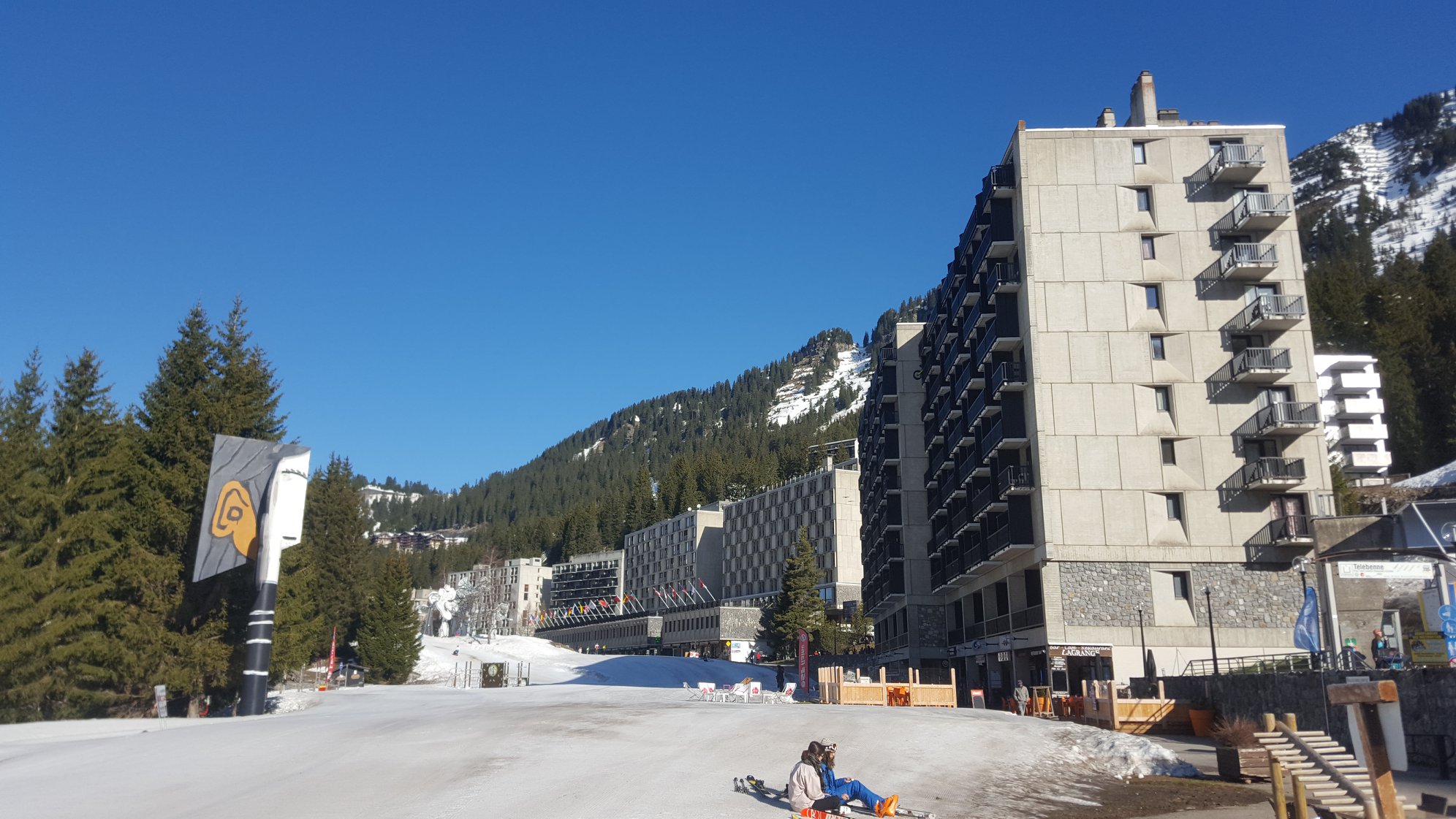
The fatal accident occurred on February 10th, 2022, on the Serpentine, a designated blue run in Flaine, a resort known for its expansive ski areas and family-friendly reputation. Ophélie, a young skier, was participating in a group lesson, a common practice for children learning to navigate the slopes. She was positioned at the rear of her group, a vulnerable spot for any young skier, especially when encountering faster or less experienced individuals.
According to court documents and witness accounts, Ophélie had momentarily fallen behind her peers and was preparing for a turn when she was struck by an out-of-control skier. The force of the impact was significant, with estimates placing the skier’s speed at approximately 60 km/h (37 mph). This speed is considered excessive for a blue slope, particularly in an area where beginner and intermediate skiers, including children, are expected to be present. The collision propelled both Ophélie and the offending skier a considerable distance down the slope, underscoring the immense kinetic energy involved.
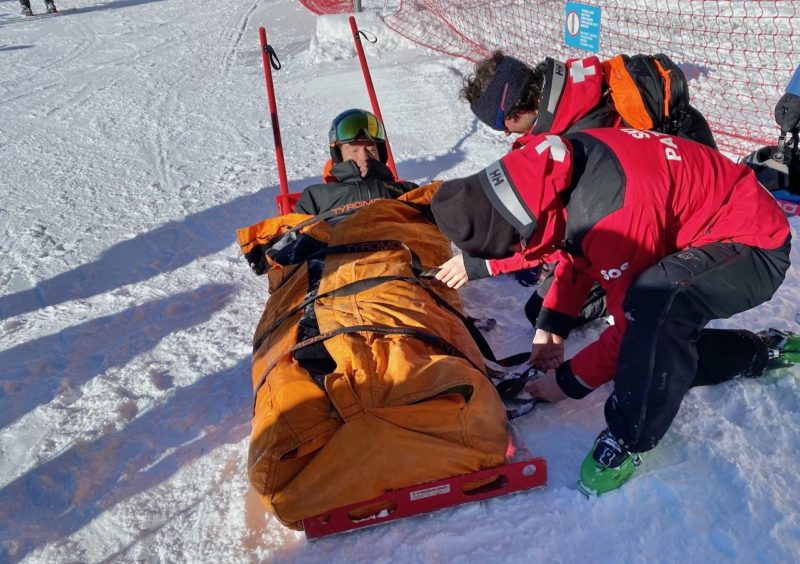
Emergency services were immediately alerted. First aid was administered at the scene by the offending skier, who is also a volunteer firefighter, and other bystanders. Despite these efforts, Ophélie’s condition was critical. She was transported to Sallanches hospital, where she was tragically pronounced dead. The devastating loss of a child in such a preventable manner sent shockwaves through the skiing community and amplified calls for stricter safety measures.
Legal Proceedings and Judicial Outcome
The subsequent legal investigation and court proceedings were lengthy and arduous, spanning four years from the date of the incident to the verdict. The defendant, identified as a 43-year-old man, faced charges of manslaughter. During the trial, he reportedly acknowledged that his speed might have been inappropriate for the prevailing conditions on the slope. His defense team presented him as an experienced and generally cautious skier, characterizing the event as a tragic accident beyond his immediate control, despite his admitted high speed.
The Bonneville judicial court ultimately found the instructor guilty of manslaughter. The 12-month suspended sentence means that he will not serve immediate prison time, provided he adheres to certain conditions. However, the financial penalty imposed, €165,000 in damages, reflects the severity of the loss and the court’s recognition of the profound impact on Ophélie’s family.
The family of Ophélie expressed their devastation and exhaustion throughout the legal process. Their legal representatives criticized the duration of the proceedings and what they perceived as shortcomings in the immediate aftermath of the accident. The prolonged investigation, they stated, had compounded their grief, turning a deeply traumatic event into an extended period of legal uncertainty and emotional strain. Their experience underscores the significant emotional toll that such incidents and their subsequent legal ramifications can have on bereaved families.
Broader Implications for Ski Safety
The conviction and sentence in the Flaine case have brought into sharp focus the persistent issue of skiers losing control on resort slopes and the adequacy of current safety protocols. While Ophélie was in a group lesson, the collision was caused by an individual skier, raising questions about individual responsibility and resort oversight.
Key Areas of Concern:
- Speed and Control: The incident highlights the dangers posed by skiers who exceed safe speeds, especially on runs frequented by less experienced skiers. Blue slopes, typically designated for beginners and intermediates, can become hazardous when subjected to high-speed traffic.
- Instructor Ratios and Supervision: While Ophélie was part of a lesson, the fact she was at the back of the group and vulnerable to a collision from behind has led to discussions about instructor-to-student ratios and the effective supervision of all members of a ski group, particularly those at the edges.
- Slope Design and Signage: The Serpentine slope, since the incident, has undergone modifications aimed at improving visibility and reinforcing signage to encourage skiers to reduce their speed. This suggests that, in retrospect, the slope’s original design or signage may have been insufficient to mitigate the risks associated with high-speed skiing.
- Enforcement and Deterrence: The conviction raises questions about the effectiveness of current enforcement mechanisms for dangerous skiing. Many believe that a more robust and visible presence of ski patrol or resort staff actively monitoring and intervening with reckless skiers could serve as a greater deterrent.
A History of Accidents and Resort Responses
The Serpentine slope in Flaine is not without a history of incidents. Reports indicate that the slope has been the site of several fatal accidents in recent years, a fact that adds a somber layer to the latest tragedy. This recurring pattern suggests systemic issues that may extend beyond individual skier behavior to encompass resort management and piste design.
In response to the growing concerns, Flaine, like many other resorts, has taken steps to enhance safety. The modifications to the Serpentine, including improved visibility and clearer signage, are practical measures designed to mitigate risks. However, the effectiveness of such measures can be limited without consistent enforcement and a cultural shift towards prioritizing safety among all slope users.
Reader Reactions and Community Concerns
The PlanetSKI Facebook page has been a platform for extensive discussion among readers regarding slope safety. The feedback reveals a shared concern among skiers and snowboarders about the prevalence of reckless behavior on the slopes and the perceived lack of consequences.
Key themes emerging from reader comments include:
- Self-Centeredness and Lack of Common Sense: Several commenters, like Anika Louise York Stewart, pointed to a perceived increase in self-centered behavior and a lack of common sense among some skiers, leading to reckless actions with perceived impunity.
- Inadequate Resort Patrols and Enforcement: A recurring sentiment is the need for more visible and proactive ski patrols. Toria Hyder suggested employing plainclothes staff to identify and address dangerous skiers, with ski passes being confiscated for repeat offenders. The idea of empowering the public to report dangerous skiers to resort staff also gained traction.
- Comparison with Other Skiing Destinations: Some readers, like Toria Hyder, contrasted European resort practices with those in places like Canada, suggesting potential differences in instructor-to-student ratios and the general busyness of slopes.
- The "Car Crash" Analogy: The sheer speed at which some skiers travel has been likened to being hit by a car, particularly when considering the disparity in mass between a fast-moving adult skier and a small child. This analogy underscores the life-threatening potential of uncontrolled skiing.
- Inspiration from International Practices: Dixie Dean noted the implementation of local police patrols in some Italian resorts, issuing fines for reckless skiing and boarding, suggesting a model for stricter enforcement.
- Personal Tragedies and Calls for Vigilance: Jackie Jones shared a deeply personal account of losing her daughter to a collision on the slopes many years ago, highlighting the enduring pain and reinforcing the call for increased vigilance and deterrent measures like "secret ski patrols."
These comments reflect a widespread desire for greater accountability and more effective measures to prevent similar tragedies. The consensus is that while accidents can happen, a significant portion of them are preventable through responsible skiing and robust resort management.
The Future of Ski Safety
The Flaine manslaughter conviction serves as a stark reminder of the inherent risks in snow sports and the critical importance of individual responsibility. The legal outcome, while providing a measure of justice for Ophélie’s family, also prompts broader questions about what more can be done to ensure the safety of all skiers and snowboarders.
The ongoing debate revolves around finding a balance between the freedom and enjoyment of skiing and the need for stringent safety regulations. Potential solutions being discussed include:
- Enhanced Ski Patrol Training and Authority: Equipping ski patrols with more authority to issue warnings and fines, and potentially confiscate passes on the spot for clear violations.
- Technology Integration: Exploring the use of technology, such as speed-monitoring systems or even wearable devices that can detect erratic skiing behavior, although this raises privacy concerns.
- Public Awareness Campaigns: Sustained campaigns to educate skiers about safe practices, the dangers of excessive speed, and the importance of respecting other slope users.
- Stricter Licensing and Certification: For instructors and potentially for very advanced skiers, though this is a more controversial proposition.
- Resort Liability and Insurance: Reviewing resort liability frameworks to incentivize proactive safety measures and potentially increase insurance premiums for operators who fail to meet safety standards.
As the ski industry continues to evolve, the lessons learned from tragic events like the one in Flaine must translate into tangible improvements in safety protocols. The goal is to foster an environment where the thrill of skiing can be enjoyed by everyone, without the looming threat of preventable accidents, ensuring that future generations can experience the joy of the mountains without fear. The continued dialogue between resort operators, safety experts, and the skiing public is crucial in achieving this objective.

