
The evolution of alpine touring equipment has reached a pivotal juncture, officially closing the chapter on an era where backcountry skiers were forced to compromise downhill capability for climbing efficiency or retrofit rigid alpine race boots with rudimentary tech fittings. Released ahead of the 2026-2027 winter season, the latest market analysis from industry experts, professional bootfitters, and freeride athletes details a profound shift in the engineering of backcountry ski boots. Modern manufacturing techniques and advanced composite materials have yielded a new generation of footwear capable of matching the vertical mileage of ultralight touring models while delivering the power transmission, suspension, and progressive flex previously exclusive to heavy resort hardware.
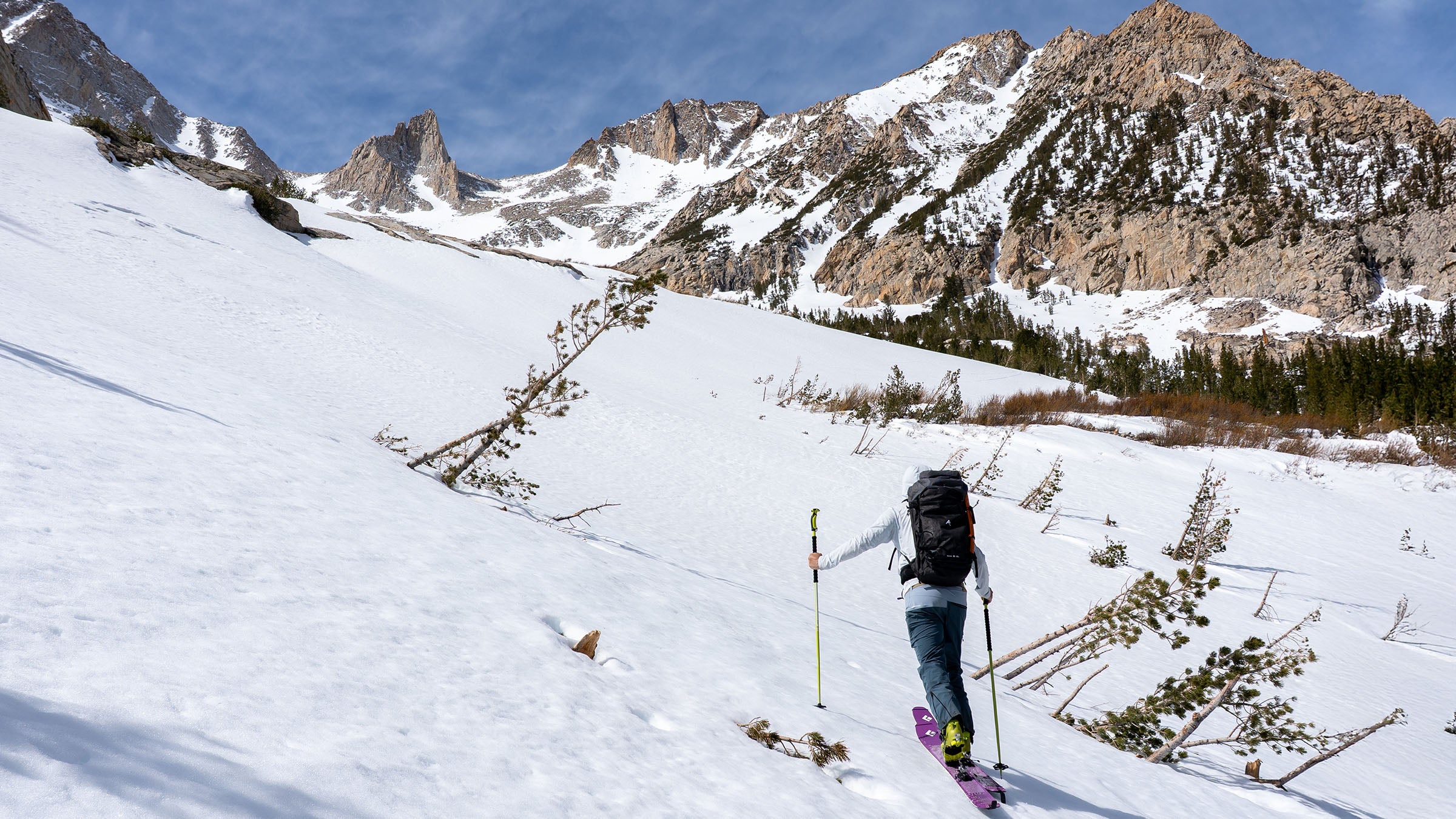
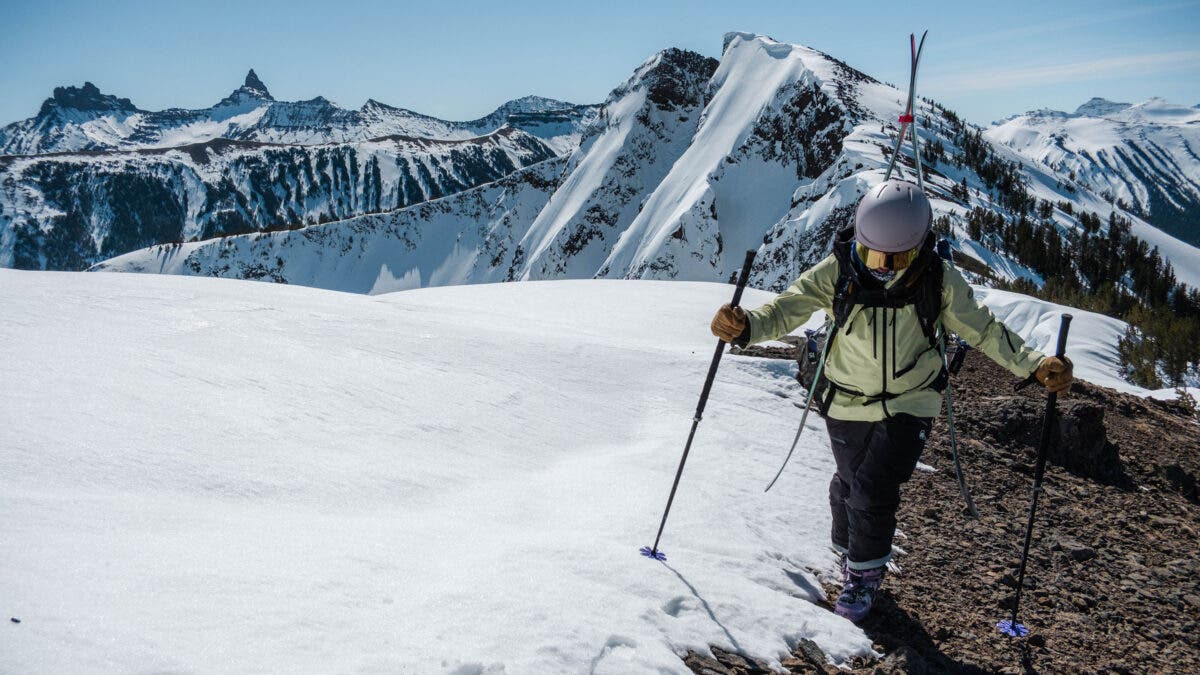
To determine the gold standards of the upcoming market, a rigorous testing protocol was executed throughout the spring seasons of 2025 and 2026. A specialized cohort comprising certified bootfitters, specialty ski shop technicians, industry professionals, and professional freeride athletes subjected more than 20 distinct backcountry boot models to extensive field trials. Testing grounds spanned diverse geographic locations, including the steep couloirs of the Eastern Sierra, the demanding terrain of the Beartooth Mountains in Montana, the high-consequence alpine faces of Engelberg, Switzerland, and remote traverses in the French Alps. Evaluators rigorously logged data on short dawn patrols, multi-day traverses with heavy packs, high-consequence mountaineering objectives, and high-speed inbounds laps to analyze how each piece of equipment performed under maximum physical stress and in highly variable snow conditions.
Main Facts and Market Standouts
The exhaustive testing process successfully winnowed the broader market down to six standout models that represent the pinnacle of current ski boot engineering. These top-tier products address specific use cases ranging from dedicated human-powered ski mountaineering to hybrid 50/50 resort-and-backcountry charging.
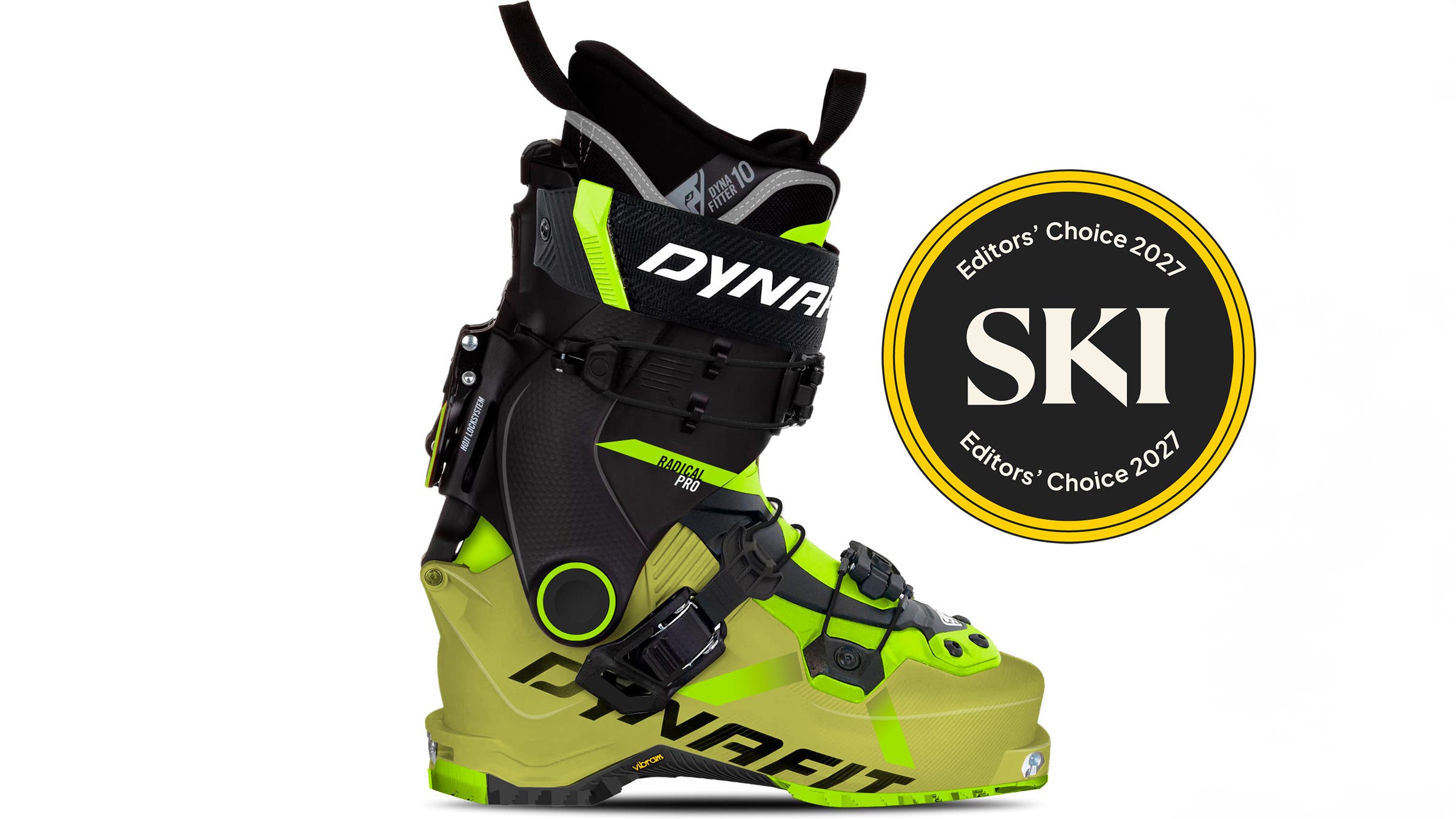
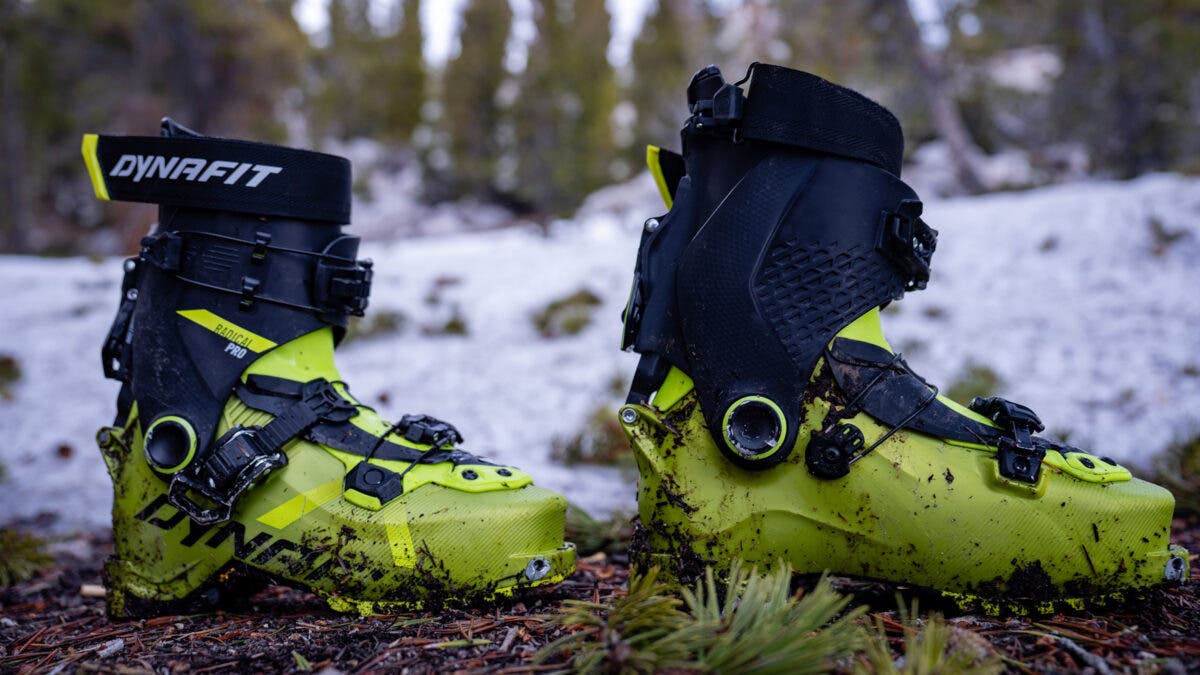
Headlining the 2027 class is the Dynafit Radical Pro, which captured the coveted Editors’ Choice designation. Retailing at approximately $900 with a weight of 1,400 grams per boot and a 103.5 mm last, the Radical Pro merges a remarkably progressive flex with a frictionless 60-degree range of motion. Its redesigned Pebax tongue and advanced Vibram sole construction proved exceptionally reliable during demanding three-day traverses in the Ionian Basin, where testers navigated steep, corniced lines and variable snowpacks carrying fully loaded packs.
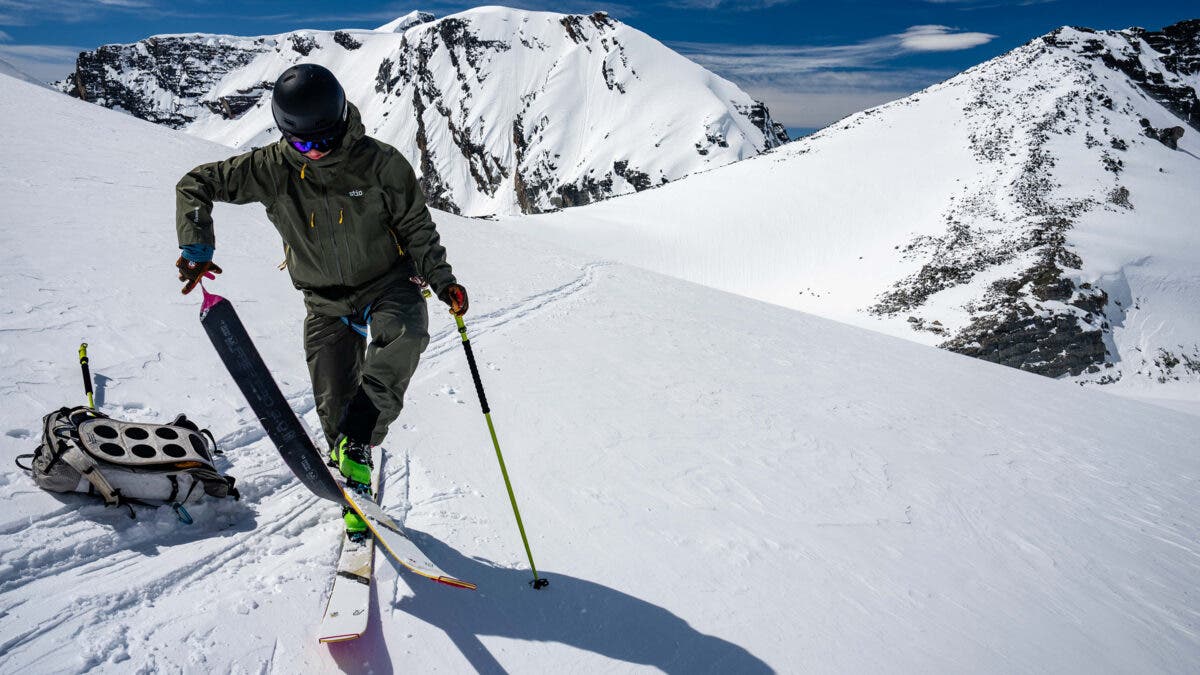
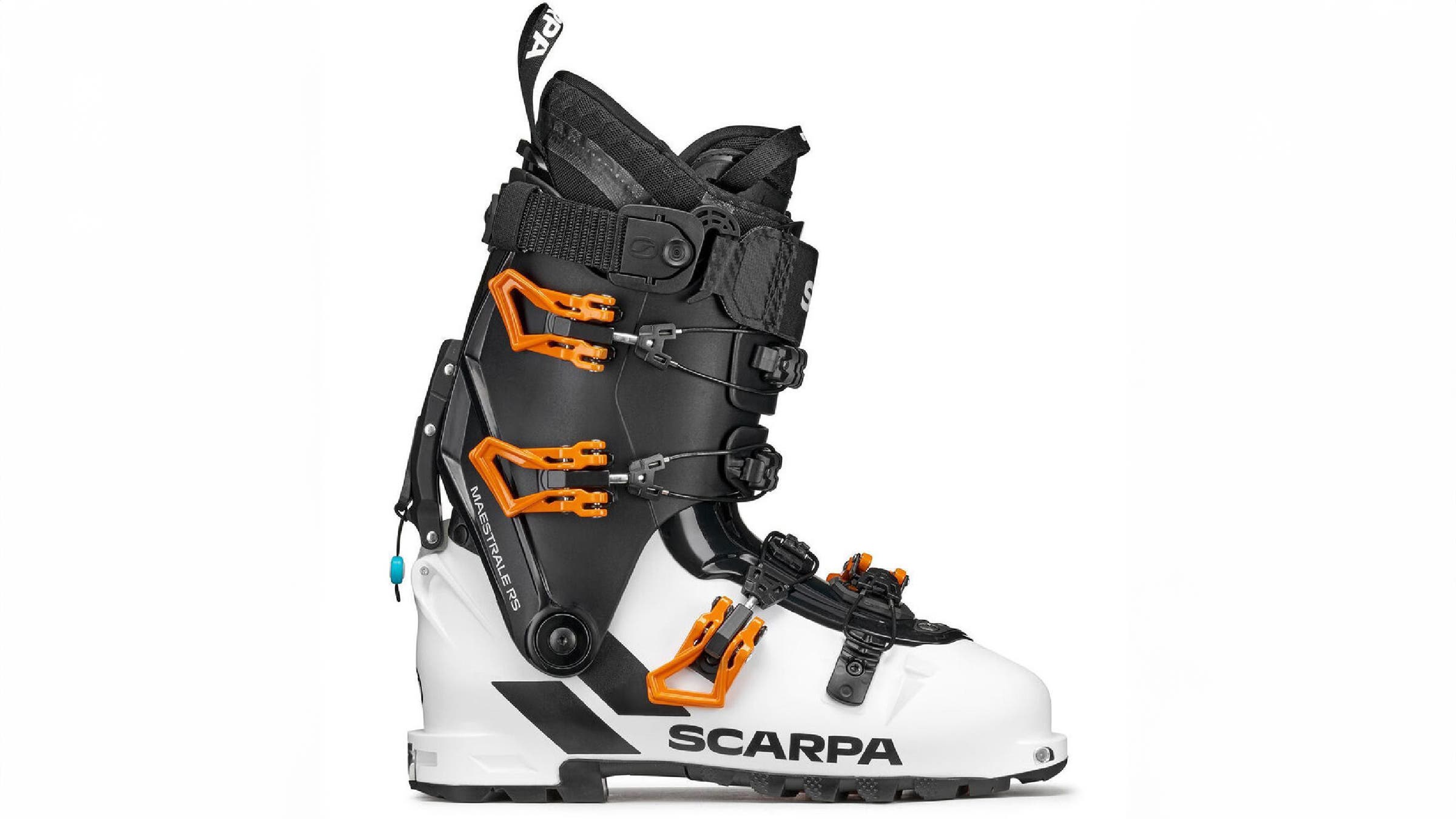
For pure freeride performance, the Scarpa Maestrale RS emerged as the leading choice. Priced at $899 with a weight of 1,570 grams and a 101 mm last, this four-buckle boot introduces a reinforced Pebax Rnew cuff and Grilamid-fiberglass lower shell. It utilizes the Speed Walk 4 mechanism to deliver touring efficiency that rivals significantly lighter models while maintaining the damping properties of a stiff, traditional alpine boot.
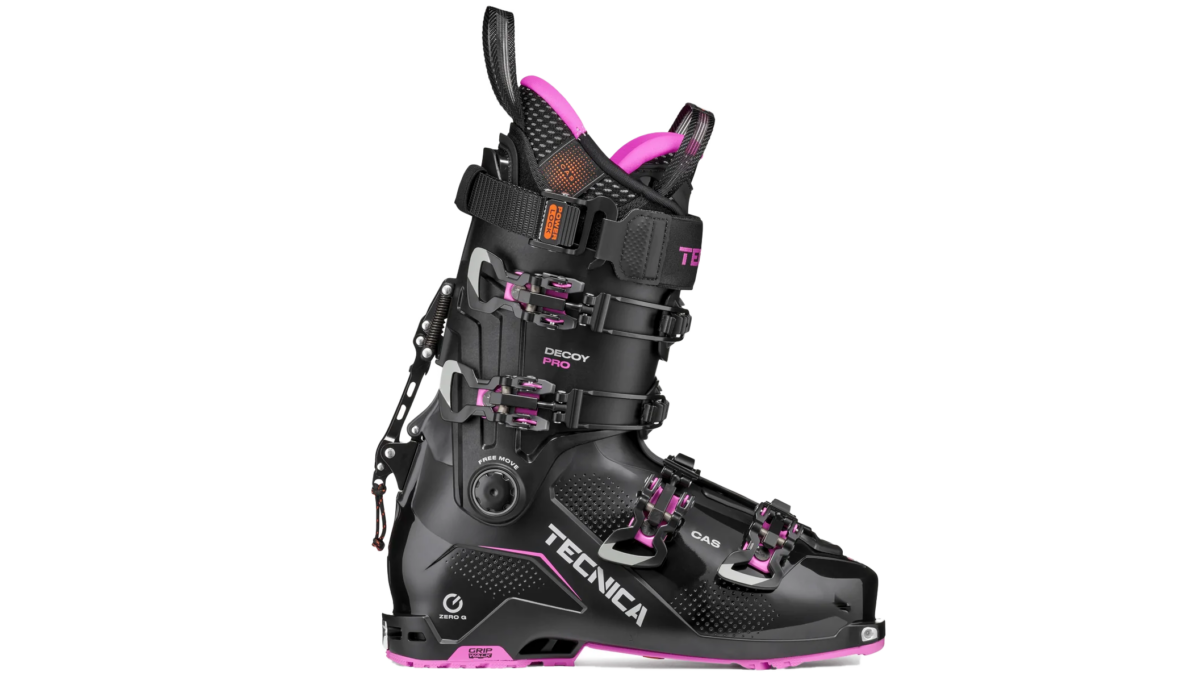
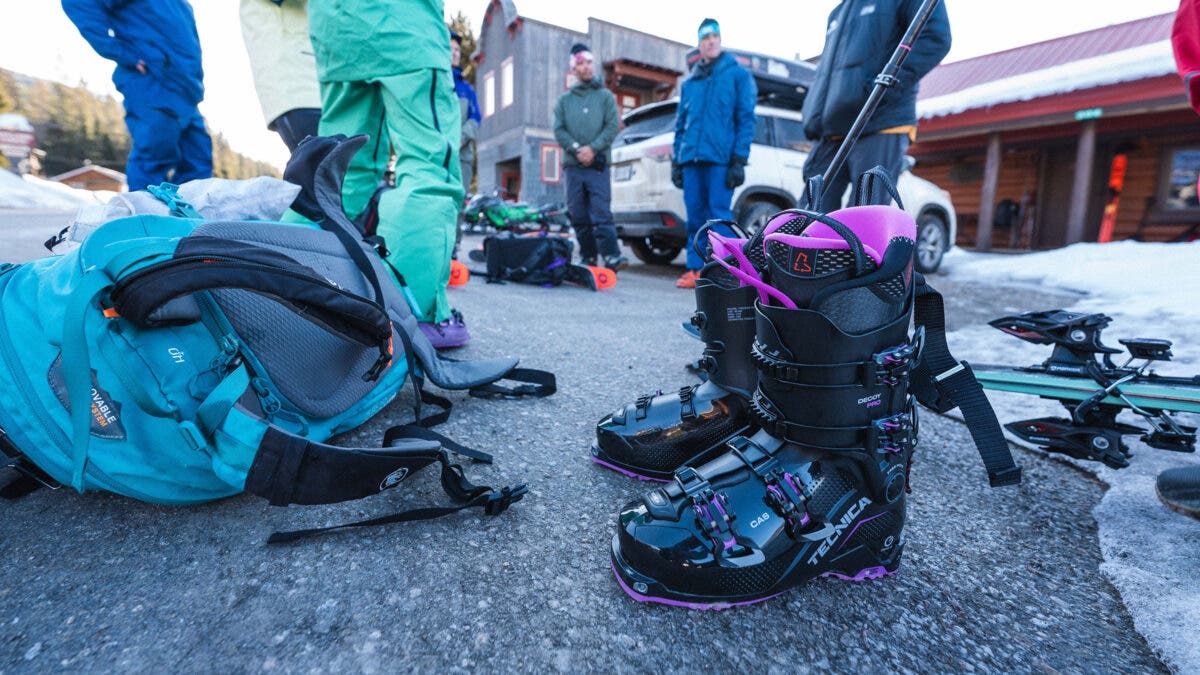
In the hybrid 50/50 category, the Tecnica Zero G Decoy Pro established a new benchmark. Commandingly priced at $950 with a weight of 1,650 grams and a 99 mm last, the Decoy Pro recalibrates the traditional compromise between uphill mobility and downhill stability. Testers noted that its stiffer polyurethane shell and plush anatomical liner eliminated the squishy, unpredictable feel historically associated with touring boots, providing an unyielding platform in choppy, variable snow across Montana and the French Alps.
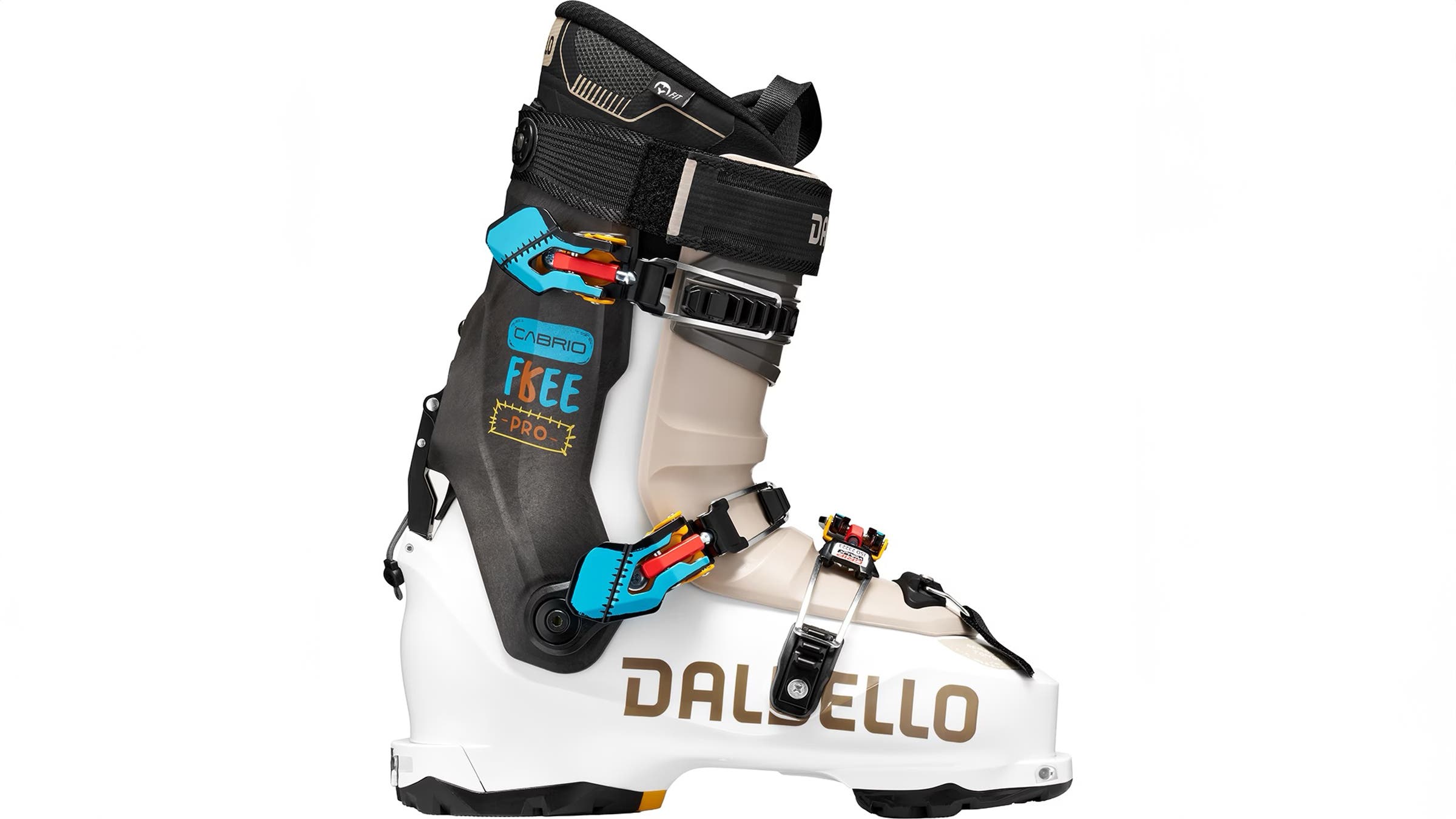
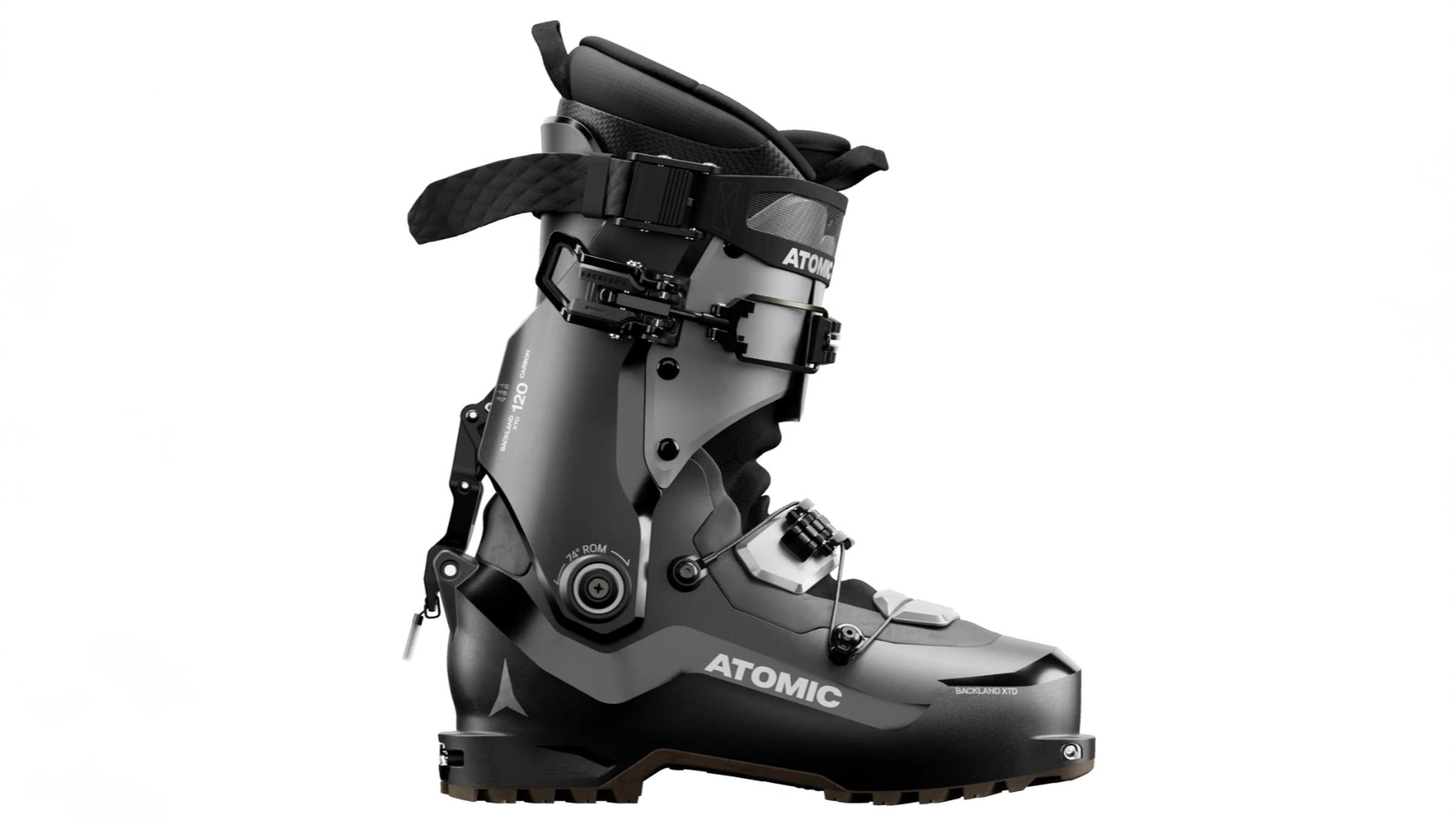
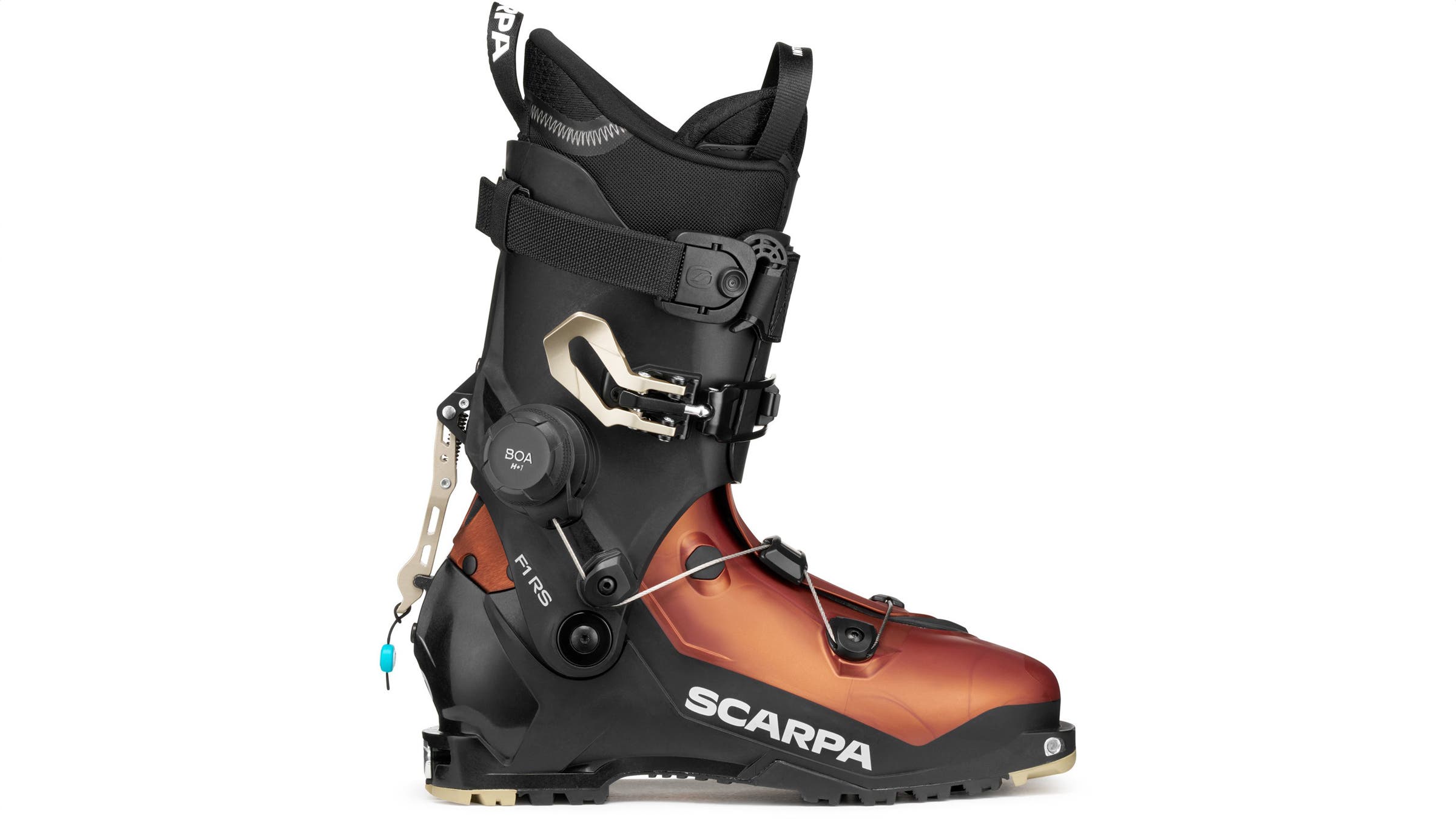
Additional recognition went to the Dalbello Cabrio LV Free Pro, which claimed the title for Best Downhill Performance. Weighing 1,945 grams (1,785 grams with the removable hard plastic tongue detached for touring) and featuring a 99 mm last and a stiff 130+ flex, this heavy-duty option was put through its paces by Freeride Challenger Tour athletes dropping cliffs in New Zealand. For long-distance human-powered objectives, the Atomic Backland XTD 120 Carbon won praise as the Best for Long Slogs, offering a staggering 74-degree range of motion at a scant 1,380 grams. Finally, the Scarpa F1 RS secured recognition for Best Features, replacing the classic F1 lineup with a traditional overlap construction, a Pebax Rnew upper cuff, and a supportive power strap that drastically improves descent performance in firm, technical terrain.
Chronology of Modern Touring Boot Evolution
The journey toward contemporary backcountry boot performance spans several distinct technological eras over the past three decades. In the early days of modern alpine touring during the late 1990s and early 2000s, practitioners relied heavily on modified telemark equipment, heavy frame bindings affixed to standard alpine boots, or early-generation Dynafit pin systems paired with rigid, inflexible plastic shells that offered negligible comfort and poor ergonomics.
By the 2010s, manufacturers began prioritizing lightweight construction to facilitate faster ascents, giving rise to minimalist two-buckle touring boots. While these ultra-light models excelled on the skintrack, they frequently lacked the lateral stiffness, progressive flex, and dampening required to manage high-speed turns or variable snow conditions safely, often described by testers as feeling "pingy" or unstable under pressure.
The subsequent introduction of carbon-infused plastics, advanced Grilamid formulations, and hybrid walk-mode mechanisms in the late 2010s initiated the current paradigm. Manufacturers realized that total weight was only one component of touring efficiency; the fluidity of the pivot mechanism, friction within the cuff, and the progressive nature of the forward flex were equally critical to reducing fatigue over thousands of vertical feet. The 2026-2027 market represents the maturation of this philosophy, wherein mid-weight freeride boots (falling into the 1,300-to-1,600 gram bracket) have successfully closed the performance gap, offering the climbing efficiency of lightweight gear paired with the robust downhill handling of resort-caliber equipment.
Supporting Data and Comparative Metrics
An analysis of the technical specifications across the leading 2026-2027 backcountry ski boots highlights the engineering trade-offs inherent in modern gear selection:
- Dynafit Radical Pro: Flex 120 | Weight 1,400 g | Last 103.5 mm | Range of Motion 60° | Price $900
- Scarpa Maestrale RS: Flex 130 | Weight 1,570 g | Last 101 mm | Range of Motion High Efficiency | Price $899
- Tecnica Zero G Decoy Pro: Flex 115/130 | Weight 1,650 g | Last 99 mm | Binding Comp: AT, GripWalk | Price $950
- Dalbello Cabrio LV Free Pro: Flex 130+ | Weight 1,945 g (1,785 g stripped) | Last 99 mm | Binding Comp: GripWalk, AT | Price $930
- Atomic Backland XTD 120 Carbon: Flex 120 | Weight 1,380 g | Last 100 mm | Range of Motion 74° | Price $1,150
- Scarpa F1 RS: Flex 115 | Weight 1,340 g | Last 101 mm | Binding Comp: AT | Price $849
These metrics illustrate the delicate balance manufacturers must strike. Lighter boots like the Backland XTD and Scarpa F1 RS prioritize range of motion and low weight for extended backcountry missions, whereas heavier models like the Dalbello Cabrio LV Free Pro and Tecnica Zero G Decoy Pro trade climbing efficiency for uncompromised power transfer, structural rigidity, and dampening in high-speed, variable snow conditions.
Industry Statements and Expert Methodology
The transition toward decentralized field testing represents a major methodological evolution for major ski publications. Commenting on the rigorous evaluation process, category manager and former Mammoth Lakes bootfitter Jake Stern emphasized the importance of real-world testing parameters.
"Instead of gathering testers in a single, controlled environment, we distributed these boots to a dedicated team of bootfitters, shop technicians, and professional athletes who utilized them in their home ranges throughout a full spring season," Stern noted. "By pairing each boot with both ultra-light touring skis and heavy freeride setups, we were able to evaluate how structural integrity, heel hold, and walk mechanics translate to the actual conditions skiers encounter in the field."
Additional commentary from participating testers underscored the psychological shift occurring within the community regarding gear selection. Jenny Wiegand, who evaluated the Tecnica Zero G Decoy Pro in the Beartooth Mountains and the French Alps, remarked that her perspective on backcountry equipment fundamentally transformed during the testing cycle. Prior to logging multi-day objectives in variable spring snow, Wiegand operated under the assumption that descent performance was an unavoidable sacrifice required to gain vertical elevation. Experience with the stout four-buckle architecture and anatomical liners of modern hybrid boots demonstrated that skiers no longer need to accept squirrely, compromised handling on the descent to achieve efficiency on the ascent.
Broader Impact and Market Implications
The arrival of the 2026-2027 backcountry boot lineup carries significant implications for the broader ski industry and consumer purchasing habits. As climate patterns yield increasingly variable snowpacks—characterized by rapid freeze-thaw cycles, wind-slab formations, and unpredictable mid-winter rain crusts—the demand for damp, powerful, and reliable backcountry equipment has surged.
Consumers are increasingly migrating away from specialized, ultra-fragile race gear in favor of versatile, robust equipment that bridges the gap between human-powered touring and aggressive resort skiing. This trend places heightened importance on professional bootfitting. Because modern shells incorporate complex multi-material integrations, advanced BOA mechanisms, and specialized custom-molded liners, achieving an optimal fit requires careful consultation with experienced technicians to navigate variations in last width, instep height, and volume distribution.
Ultimately, the 2026-2027 market confirms that backcountry skiing is enjoying a technological golden age. With options catering precisely to every discipline—from ultralight dawn patrols to sidecountry freeride missions—skiers possess unprecedented capability to safely and comfortably explore demanding alpine terrain across the globe.

