
As the autumn transition deepens and the summer months officially come to a close, ski enthusiasts worldwide turn their attention toward the impending winter season. While eager skiers closely monitor long-range weather forecasts and snow-making operations at resorts across North America and Europe, the pre-season window offers a critical operational period for equipment inspection and maintenance. Industry professionals strongly advise addressing gear preparation well ahead of the holiday rush to avoid lengthy service queues and ensure optimal performance on opening day.
The transition from off-season storage to on-mountain deployment requires a methodical, step-by-step approach to hardware, softgoods, and safety equipment. By conducting a comprehensive inventory and performing necessary maintenance routines early, skiers can mitigate safety risks, extend the lifespan of expensive investments, and guarantee a seamless transition back to the slopes.
Inventory and Comprehensive Equipment Inspection
The initial phase of pre-season preparation involves locating and evaluating all components of a skier’s kit. Industry data indicates that a significant percentage of equipment malfunctions and opening-day delays stem from misplaced gear or overlooked wear-and-tear accumulated during the previous season.
To streamline this process, equipment specialists recommend utilizing a systematic checklist, working logically from head to toe. This inventory should account for technical apparel, helmets, goggles, base layers, intermediate insulation, gloves, socks, boots, bindings, skis, and poles. Locating items early prevents the frustration of missing essentials on the morning of the first trip. Furthermore, a preliminary visual inspection allows owners to identify structural flaws, fabric degradation, or mechanical failures before visiting a professional service technician.
Navigating Early-Season Ski Shop Services
When hardgoods require professional intervention, timing is a critical factor. Regional ski shops experience a predictable surge in volume as soon as natural snowfall triggers public interest, often resulting in turnaround times stretching into weeks during peak holiday periods.
Otto Gibbons, hardgoods supervisor for Sturtevants Ski Shop in Bellevue, Washington, emphasizes the importance of early-season shop visits. According to Gibbons, skiers must thoroughly examine the bases of their skis for deep gouges or core shots—instances where the base material has been compromised down to the fiberglass or wood core.
"If there are any noticeable points of damage, like core shots or large gouges, get those skis tuned," Gibbons explains. He notes that exposed core material not only slows momentum on the hill but also allows moisture to infiltrate the internal structure, leading to delamination and structural failure. Additionally, different-colored base materials visible within a gouge often signal severe damage.

Edges and sidewalls also demand rigorous scrutiny. Impact damage along the sidewall can cause the metal edge to separate from the ski body, a condition known as a "blown-out" edge. While professional technicians can sometimes repair these structural failures, catching them early prevents catastrophic equipment failure at high speeds.
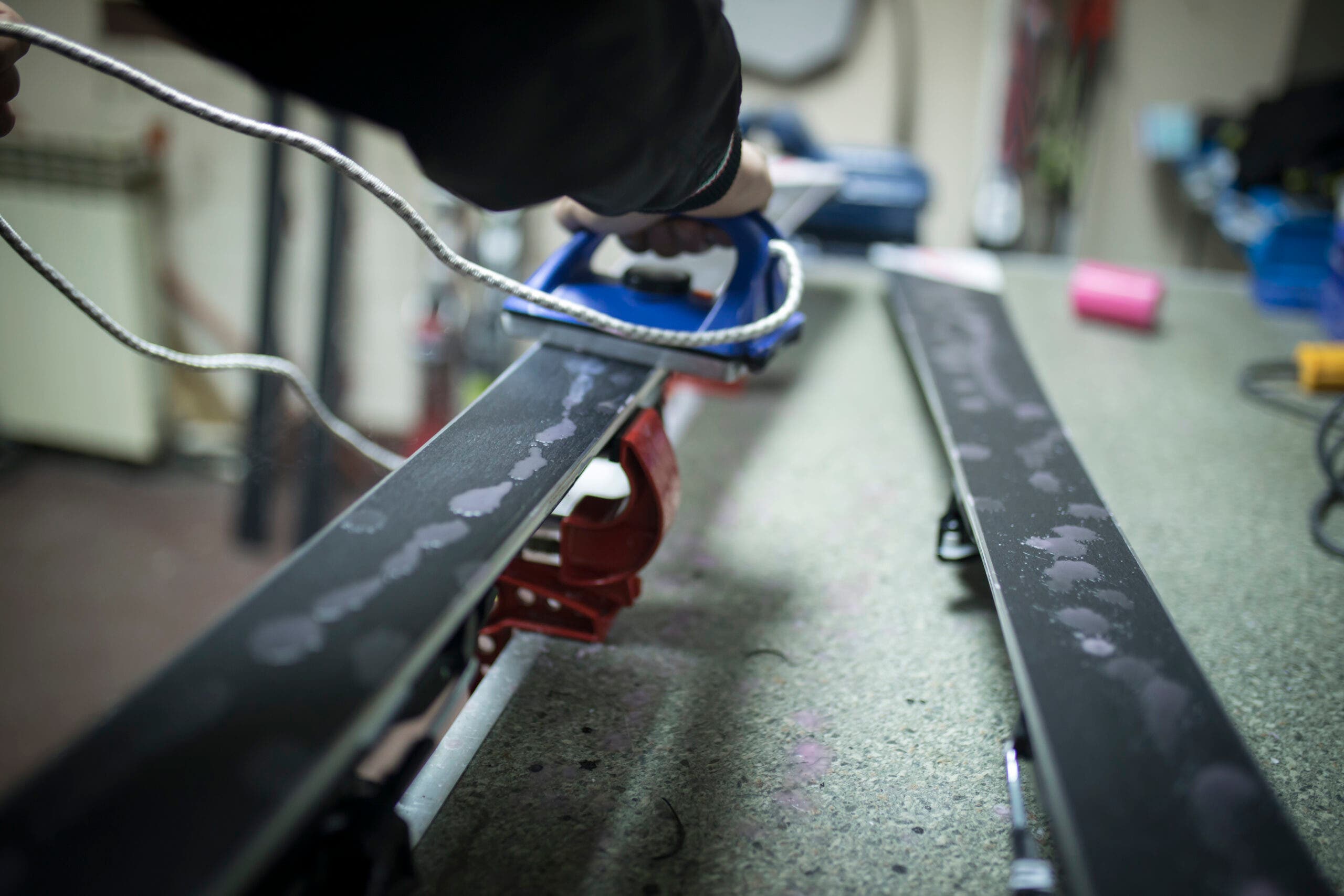
Rust accumulation is another common issue resulting from improper post-season storage. Failing to thoroughly dry metal edges before putting skis away leads to surface oxidation, which must be removed using specialized tuning stones and ceramic belts. Furthermore, skis that have logged between 300 and 400 days of aggressive skiing typically reach the end of their operational lifespan, losing the dynamic snap and torsional rigidity required for responsive carving. Routine hot waxing throughout this lifecycle keeps the polyethylene bases hydrated, reducing friction and preserving glide performance.
Ski Boot Assessment and the Cinderella Approach
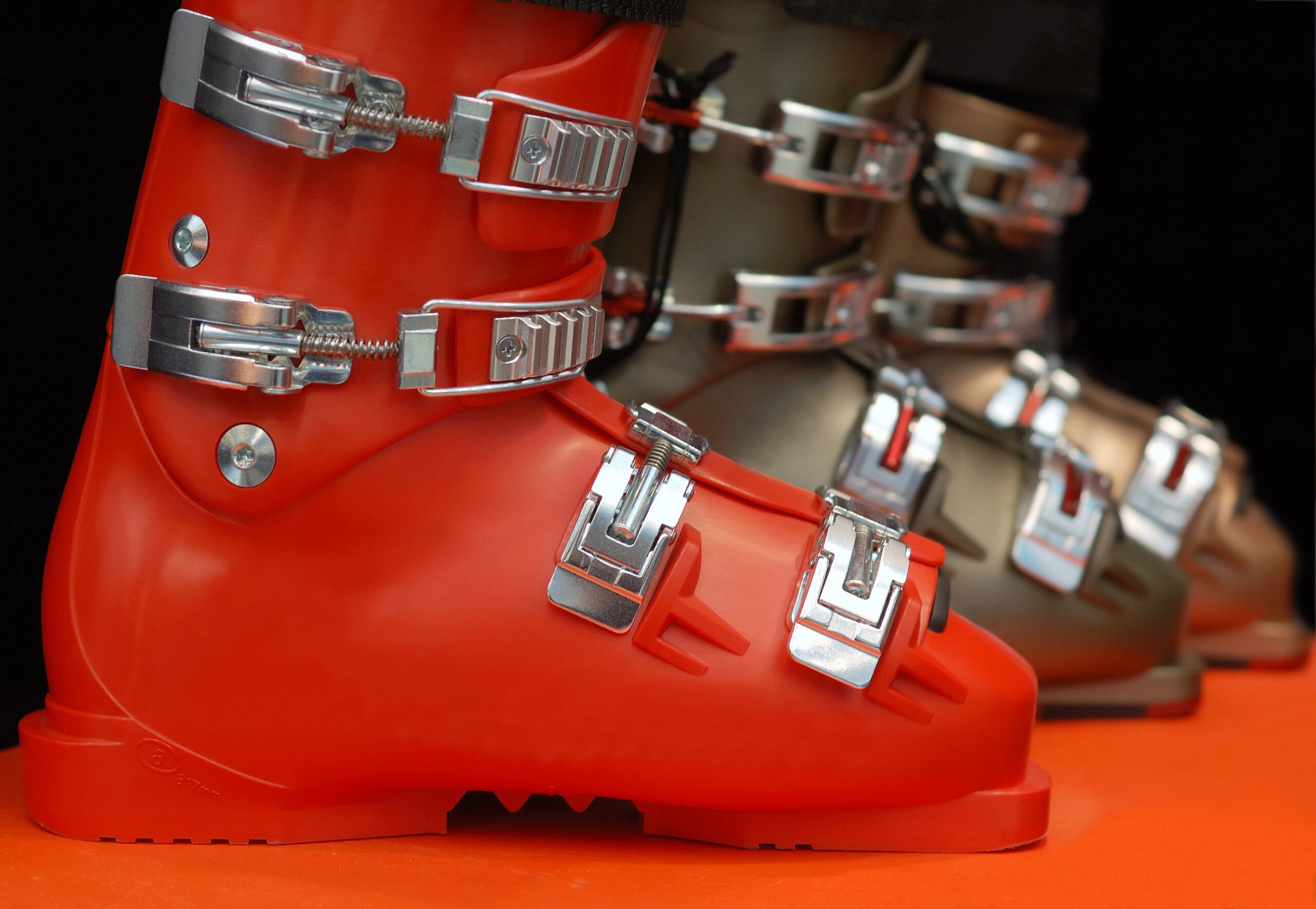
Ski boots represent the most vital interface between the skier and the snow, making their structural integrity and fit paramount to both safety and performance. The evaluation process begins with a comprehensive check of external components, including buckles, power straps, and outsoles.
Walking across abrasive asphalt, concrete, and rock during the previous season frequently grinds down plastic boot soles. If the toe and heel lugs are excessively worn, modern alpine bindings may fail to release or retain the boot correctly, posing a severe safety hazard. Many contemporary boots feature replaceable DIN, Touring, or GripWalk soles, which can be swapped out by a certified technician once wear approaches the safety threshold.
Evaluating boot fit requires what industry insiders term the "Cinderella approach"—physically stepping into the shell to assess volumetric comfort. Human anatomy fluctuates over the course of months due to weight shifts, aging, or minor injuries, meaning a boot that fit perfectly in April may feel entirely different by October.
"Remember you likely haven’t had your foot in constrictive footwear for a couple of months, so don’t panic; ‘a little tighter than I remember’ is common," Gibbons advises. He also cautions skiers to inspect the interior of the liners for foreign debris or nesting insects that may have found a home in dark storage spaces.
Stock boot liners generally pack out and lose their customized ergonomic memory after 60 to 120 days of hard skiing. While replacing worn stock liners with aftermarket alternatives can restore performance and comfort, boots exceeding a decade of active use often require complete replacement due to plastic fatigue and degradation of internal structural foams.
Protocol for New Equipment Purchases
Purchasing new hardware during end-of-season or Labor Day sales requires specific calibration before hitting the snow. Newly acquired skis and boots must be taken to a certified technician for professional mounting and binding adjustment well in advance of the winter rush.
A critical technical consideration involves interface compatibility. For example, boots equipped with modern GripWalk soles must be paired with bindings explicitly rated for GripWalk standards. Utilizing incompatible combinations prevents proper mechanical release, increasing the risk of lower-extremity injuries.
For skiers breaking in brand-new boots, proactive home testing is strongly recommended. Ian Lochhead, head alpine ski coach at the University of Colorado, suggests wearing new boots around the residence to identify potential pressure points before encountering cold mountain temperatures.
"You’ll most likely have to get them punched or worked on," Lochhead notes, advising recreational skiers to prioritize balanced flex patterns and comfort over ultra-stiff, race-oriented designs. "Ski racers often have boots that are too tight in the toe box, but you need that part of your foot to be able to move so you can be more athletic and control your edges better."
Regarding factory-fresh skis, Lochhead points out that while modern products perform admirably out of the box, professional verification remains essential. Expert technicians can evaluate factory base and edge bevels, tailoring them to regional snow conditions—such as the dry, powdery snow found in the Rocky Mountains versus the harder, artificial surfaces typical of the East Coast.
Technical Maintenance of Outerwear and Softgoods
Outerwear is subjected to severe environmental stress throughout a typical winter, enduring abrasion from equipment transport, exposure to ultraviolet radiation, and moisture from snow and sleet. Failing to address membrane degradation or damaged seams prior to the season can lead to compromised thermal regulation and moisture infiltration.
Will Dobrowski, materials coordinator for outdoor apparel brand Stio, emphasizes the importance of routine laundering using specialized technical washes. This maintenance is especially critical for garments utilizing modern per-fluorinated chemical (PFAS)-free Durable Water Repellent (DWR) treatments.
"These chemistries are affected more easily by oils and stains, so when the water on the outside of your jacket stops beading up, it’s time for a wash and dry," Dobrowski explains. Contrary to common misconceptions, the thermal energy of a household clothes dryer is necessary to reactivate DWR treatments, helping external fabrics shed moisture effectively.
Pre-season inspections should also evaluate garment exteriors for tears, followed by an examination of interior seam-taping. Peeling seam tape allows water to penetrate stitched junctures, defeating the purpose of waterproof-breathable membranes. Minor abrasions and tears can be repaired using adhesive gear patches applied to both exterior and interior surfaces, followed by a brief low-heat cycle in the dryer to maximize adhesive bonding. Zippers, which represent high-wear stress points, should be tested for smooth operation; many premium technical apparel brands offer repair services to replace failing hardware prior to heavy seasonal use.
Safety Equipment: Helmets and Goggles
As the primary safeguard against traumatic brain injury, the helmet demands rigorous inspection before every winter season. Jon Jay, North American brand manager for Sweet Protection, outlines a strict safety protocol regarding impact history.
"As a rule of thumb, any fall that ‘rings your bell,’ even if you don’t get a concussion, would warrant getting a new helmet," Jay states, drawing a direct parallel to the replacement guidelines established for child automotive safety seats following a collision. Continuing to use a helmet that has sustained significant impact forces exposes the wearer to severe risk due to unseen structural compromises within the expanded polystyrene (EPS) foam core.
Even in the absence of documented impacts, helmets experience material degradation over time. Jay recommends replacing standard protective headwear every four to five seasons of regular use. Exposure to ultraviolet light, fluctuating temperatures, and physical handling causes engineered plastics to lose their structural rigidity and impact-absorption capacity. Routine maintenance should include washing removable comfort liners while preserving integrated multi-directional impact protection systems (MIPS) where applicable.
Once helmet integrity is verified, compatibility with eye protection must be confirmed to eliminate "goggle gap"—an exposed zone of skin between the helmet brim and the goggle frame that compromises thermal comfort. Grady Skelton, global snow marketing manager for Smith, advises inspecting strap elasticity and face foam adhesion to ensure a secure, draft-free seal. Furthermore, optical clarity must be evaluated.
"If your goggle lens has scratches, cracks, or cloudiness that interferes with your vision, it’s time to replace it," Skelton notes. Fortunately, modular modern goggle systems allow for cost-effective lens replacements without necessitating the purchase of entirely new frames.
By addressing equipment readiness through these systematic steps, skiers can ensure both physical safety and optimal performance, laying the groundwork for a successful and uninterrupted winter season.

