
The Canadian Outlook: Banff Leads the Charge
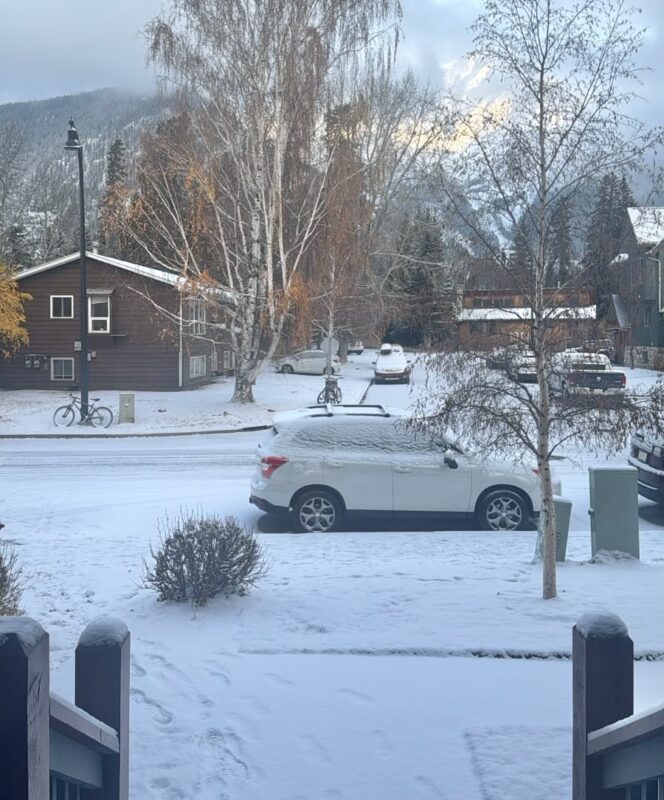
In Canada, the focus is squarely on the resorts surrounding Banff, Alberta. The region has experienced a promising October, with persistent low temperatures allowing for both natural snowfall and the effective deployment of snowmaking infrastructure. PlanetSKI’s reporting team, currently positioned in Banff, confirmed that snow has already reached the town itself, a reliable indicator that the high-alpine terrain is holding a substantial base.
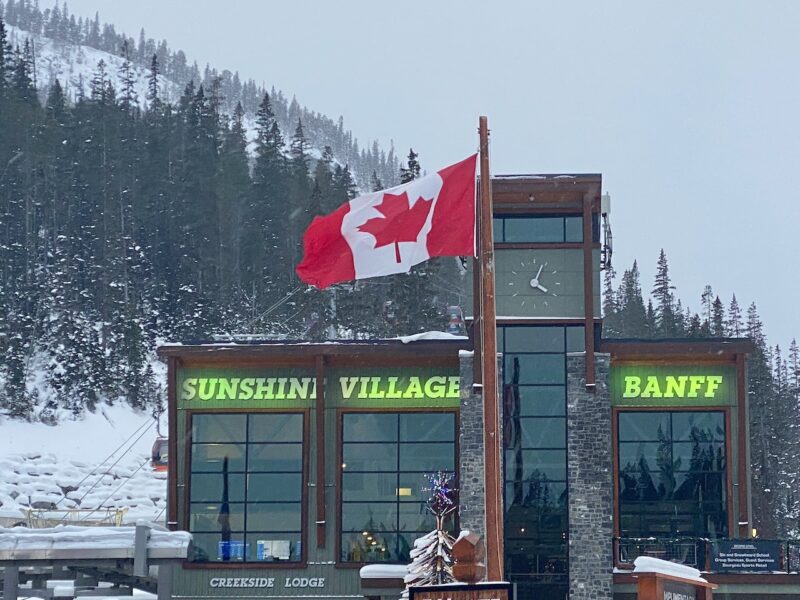
Sunshine Village, a perennial favorite for early-season enthusiasts, is currently positioning itself to be the first major destination to welcome guests. The resort’s strategic location, characterized by its high-altitude terrain, allows it to capture early season systems that often bypass lower-elevation areas. While the exact opening date remains subject to final safety inspections and final snow density assessments, the trajectory suggests an early November launch.
The situation in Canada is further complicated this year by local policy shifts regarding timekeeping. Neither Alberta nor British Columbia participated in the traditional autumn clock change, meaning that the region will experience darker mornings and extended daylight into the late afternoon compared to previous years. This deviation from the standard North American time-change schedule has forced resort operators to rethink their daily operations. To ensure guest safety and maximize the quality of the light, several resorts have signaled a shift in their daily lift operations. It is expected that many will move their opening times to 9:30 a.m., with closing times extended to 4:30 p.m. to account for the unique light profile of the 2026/27 season.

The Colorado Competition: A High-Altitude Battle
In the United States, the focus remains on the "Race to Open," a perennial tradition among the major resorts of the Colorado Rockies. This season, the competition is particularly fierce following a recent weather system that deposited upwards of 35 centimeters of snow at higher elevations.
The unofficial leaderboard for the first to open typically involves a core group of contenders: Arapahoe Basin, Loveland, Winter Park, and Keystone. These resorts benefit from high base elevations—often exceeding 10,000 feet—which provide the cold-storage necessary to preserve early snow. Historically, Arapahoe Basin and Loveland have traded the title back and forth for years, often opening on the narrowest of margins, sometimes separated by mere hours.
However, the field of competitors is widening. Arizona Snowbowl has emerged as a significant player in the early-season market, utilizing advanced, high-efficiency snowmaking technology to create a reliable base regardless of the volatility of natural early-season precipitation. By "pumping it out" through sophisticated snowmaking arrays, Arizona Snowbowl is challenging the traditional dominance of the Colorado resorts, proving that modern engineering can effectively supplement the whims of mountain weather.
Chronology of the 2026/27 Early Season
- Mid-October 2026: Initial temperature drops across the Rocky Mountain range signal the start of the snowmaking window.
- October 25, 2026: PlanetSKI correspondents document significant snowfall in the town of Banff, indicating favorable conditions for high-altitude ski areas.
- Late October 2026: Colorado resorts report 35cm of fresh accumulation at altitude, triggering the final push for snowmaking operations to finalize base depths for lift-serviced terrain.
- Early November 2026 (Provisional): Targeted opening window for the first Canadian resorts, pending final safety and snow-surface assessments.
- Mid-to-Late November 2026: Staggered openings for major US resorts as base depths meet the safety criteria for public access.
Technical and Operational Implications
The urgency to open early is not merely about prestige; it is a critical economic driver for the mountain communities that rely on the winter tourism season. For resorts, the "first-to-open" status serves as a powerful marketing tool, capturing the attention of the "core" skier demographic—those who are most likely to purchase season passes and commit to travel packages early in the year.
However, the implications of early openings go beyond marketing. Resort operators must balance the demand for early access with the reality of limited terrain. Early-season skiing is typically restricted to a small percentage of total available runs, often necessitating "top-to-bottom" configurations that funnel high volumes of traffic onto narrow, groomed strips. This requires a sophisticated approach to mountain safety and crowd management. Patrol teams are currently undergoing intensive training to manage the specific risks associated with early-season conditions, which often include hidden obstacles and varying snow density.
Furthermore, the decision to adjust lift hours in British Columbia and Alberta serves as a case study in operational agility. By shifting the schedule to 9:30 a.m. to 4:30 p.m., resorts are attempting to mitigate the dangers of skiing in low-light, "flat-light" conditions that occur during the dawn hours of the shortened, non-time-adjusted morning. This adjustment is expected to improve the overall guest experience, ensuring that visitors spend their time on the slopes when visibility is at its peak.
Industry Context and Sustainability
The 2026/27 season arrives against a backdrop of increasing scrutiny regarding the sustainability of the ski industry. Resorts are investing heavily in snowmaking technology that is more energy-efficient than previous generations. The use of automated, temperature-sensitive snow guns allows for precise water and electricity usage, ensuring that snow is only produced when conditions are optimal for conversion.
Industry analysts observe that the "race to open" is also a race to demonstrate resilience. As climate patterns become more volatile, the ability of a resort to open in early November is viewed as a indicator of its long-term viability. Resorts that can maintain a consistent early-season opening schedule are often more attractive to investors and season-pass holders, as they offer the most "guaranteed" days on the snow.
Looking Ahead
As the first week of November approaches, the industry remains in a state of high readiness. While natural snowfall provides the headlines, the backbone of the early season remains the careful, systematic work of snowmaking crews. In both Banff and Colorado, the focus is now on consolidating the base, grooming the existing snow, and finalizing the safety protocols that will allow for the first public lift rides of the season.
PlanetSKI will continue to monitor the progress of these resorts, providing real-time updates as opening dates are officially confirmed. With the meteorological conditions trending favorably, the 2026/27 season appears to be on track for a robust start. Whether it is the high-alpine terrain of Alberta or the established snowmaking giants of the American West, the message to the global ski community is clear: the wait for the 2026/27 season is nearly over.
For those planning their trips, the current situation serves as a reminder to remain flexible. Early season conditions can change rapidly, and while the anticipation is high, the actual experience is dictated by the mountain’s microclimates. Prospective travelers are encouraged to consult official resort channels and the PlanetSKI news portal for the latest updates on lift openings, terrain status, and potential changes to operational hours throughout the winter season.
As the snow continues to accumulate, the narrative of the 2026/27 season is already taking shape—one defined by the marriage of traditional mountain expertise and the precision of modern technological adaptation. The battle for the first chair may be the headline, but the true story of the season will be the endurance and adaptability of the mountain resorts in an ever-changing environmental landscape.

