
After five months at the helm of the Finnish national cross-country skiing team, Norwegian coach Hans Kristian Stadheim has made his mandate clear: the path to challenging the global hegemony of Johannes Høsflot Klæbo and the Norwegian elite is not a quick fix, but a rigorous, data-driven transformation. Known for his instrumental role in the success of Olympic and World Championship stars like Simen Hegstad Krüger and Hans Christer Holund, Stadheim’s arrival in Finland this past May sent shockwaves through the Nordic skiing community. Now, as the team settles into the realities of his coaching philosophy, the athletes are opening up about the stark, unfiltered feedback that has become the hallmark of their new training regime.
A Culture Shift Rooted in Radical Transparency
The transition from the previous coaching structure to the Stadheim era has been defined by a move toward uncompromising professional standards. For many Finnish athletes, the shift has been jarring. Alexander Ståhlberg, one of Finland’s most promising young talents and a recent addition to the elite national team, serves as a prime example of how Stadheim’s methods are recalibrating expectations.
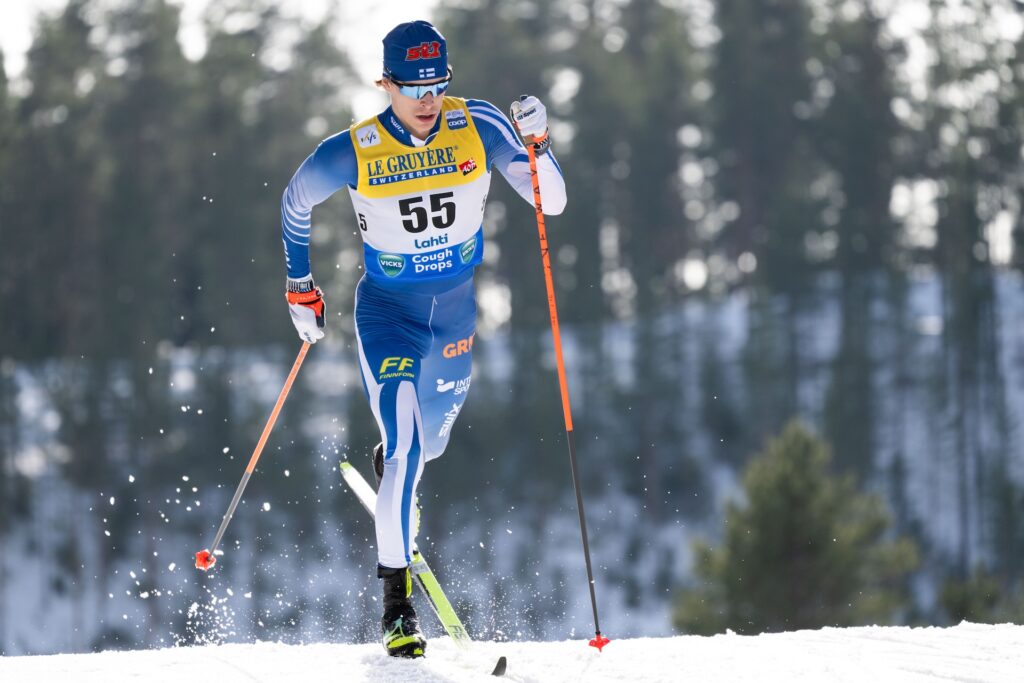
Ståhlberg, who previously held a high degree of confidence in his classical technique, received a sobering assessment from the Norwegian tactician. “It is, quite frankly, not a pleasant experience to be told that your technical ability is not at the world-class level you once believed it to be,” Ståhlberg admitted. However, he emphasized that the sting of the critique is mitigated by the caliber of the source. “When he backs up his criticism with deep technical competence, the feedback becomes entirely credible. It forces a realization that significant adjustments are mandatory. He has fundamentally shifted my perspective on the role of a coach and what is required to compete at the absolute top.”
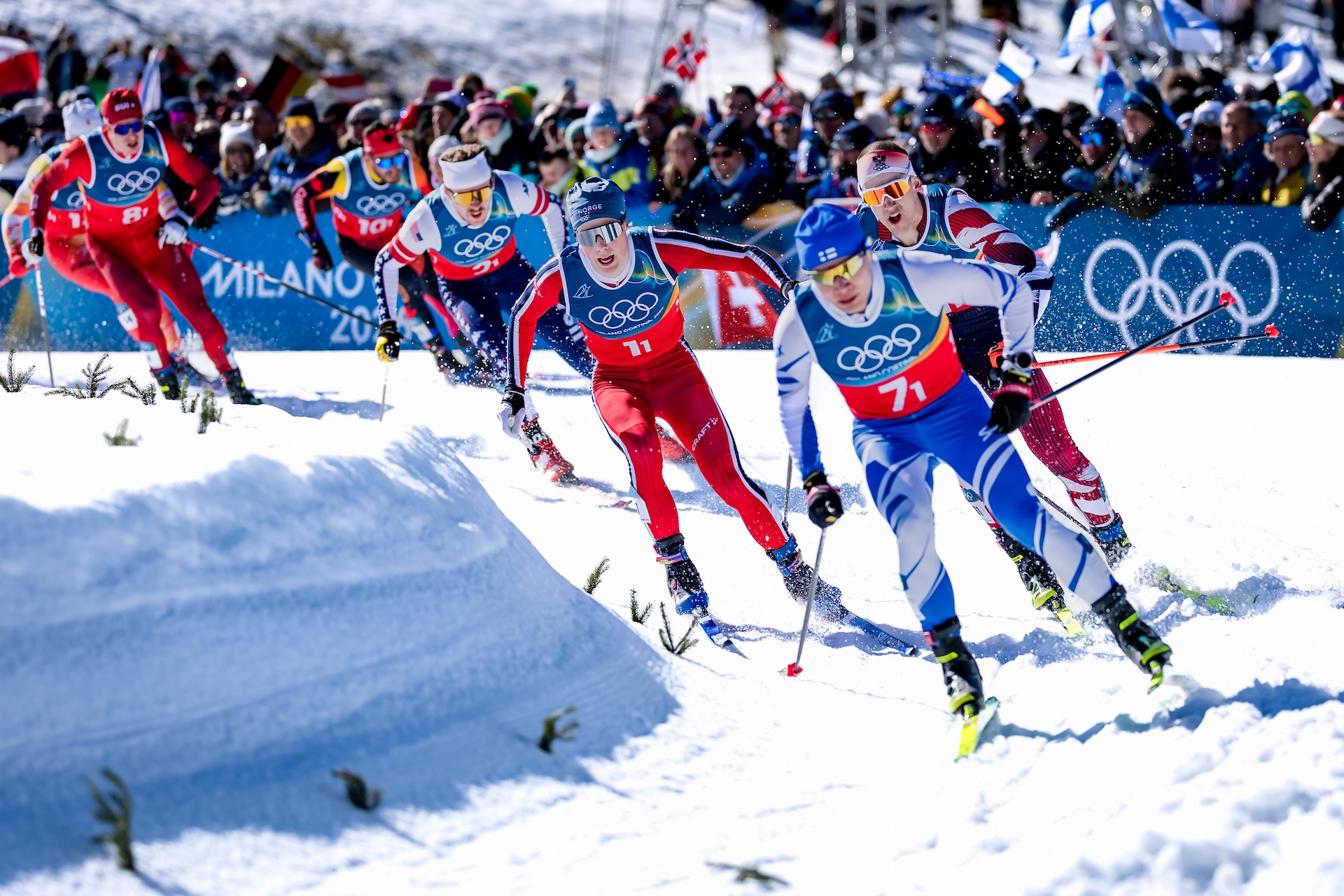
Lauri Vuorinen, who emerged as the top-performing Finnish skier during the Milano-Cortina Olympic cycle, echoes this sentiment. According to Vuorinen, the effectiveness of Stadheim’s leadership lies in his ability to deliver direct, often harsh, assessments without ambiguity. “He knows how to communicate a message bluntly when the situation demands it. Yet, it is always grounded in facts, and ultimately, he is usually correct,” Vuorinen stated.
The Methodology: Data, Intensity, and Discipline
The cornerstone of Stadheim’s strategy is a transition toward strict intensity management and a heavy reliance on biometric data. This approach was on full display during the team’s high-altitude training camp in Font-Romeu this past September. The camp served as a litmus test for the new regime, where the margin for error in training zones was virtually nonexistent.
Vuorinen recalled a specific interval session in the mountains: six segments of eight minutes on a steep incline, performed while the athletes were still acclimatizing to the thin air. The environment demanded surgical precision to avoid overexertion or, conversely, ineffective training. Before the session commenced, Stadheim delivered a stern directive to the group: “Today, no one will sabotage their own training, and especially not the training of others.”
This anecdote illustrates the broader ethos Stadheim has introduced. He is not merely managing a group of athletes; he is enforcing a collective discipline where every individual’s effort is linked to the performance of the group. By prioritizing intensity control, Stadheim aims to minimize the "junk miles" that often plague national teams attempting to find their form after a period of stagnation.
Contextualizing the Crisis: The Road to 2029
The appointment of Stadheim, along with former Swedish national team coach Joakim Abrahamsson and assistant coach Matias Strandvall, follows a period of profound disappointment for the Finnish Ski Association. The performance at the Milano-Cortina Olympics fell significantly below the expectations of the Finnish public and the federation’s internal benchmarks. In the aftermath, the decision was made to execute a complete overhaul of the coaching staff.
The federation’s recruitment strategy was explicit: they sought leaders capable of bridging the gap between consistent top-30 World Cup placements and podium contention. Stadheim, with his proven track record of developing elite Norwegian talent, was viewed as the linchpin of this recovery. The ultimate objective is clear and geographically focused: the 2029 World Championships in Lahti.
The pressure to perform on home soil in 2029 is the primary driver of the current intensity. Stadheim recognizes that building a championship-caliber team requires a multi-year foundation. He has been quick to praise the inherent work ethic and seriousness of the current Finnish squad, noting that while the technical and physiological gaps remain, the collective commitment to the team is already at an elite level. "There is a fantastic sense of teamwork and an incredible willingness to put in the work," Stadheim noted. "We have the ingredients; now we need to refine the output."
Comparative Analysis: The Norwegian Model vs. The Finnish Approach
To understand the magnitude of the change, one must consider the historical context of the Finnish national team. Finland has long relied on a more traditional, perhaps less data-centric approach compared to the Norwegian model, which has dominated the sport for over a decade. The Norwegian system, characterized by early-career specialization and extreme focus on metabolic efficiency, is what Stadheim is currently transplanting into the Finnish environment.
The implications of this shift are twofold. First, it represents a change in the psychological contract between coach and athlete. In many European sports cultures, the coach acts as a mentor and guide. In the current Norwegian model—and by extension, the new Finnish model—the coach acts as a high-performance engineer. The relationship is transactional: performance data dictates the training plan, and the training plan dictates the athlete’s schedule. If the athlete does not align with the data, the feedback is immediate and, as the athletes have noted, brutal.
Second, the financial and organizational investment in this coaching trio suggests that the Finnish Ski Association has accepted that minor adjustments will not suffice. By bringing in foreign expertise, the federation has signaled a willingness to break from national traditions to achieve international success.
Strategic Outlook and Future Challenges
As the team approaches the heart of the winter season, the focus will turn from training volume to competitive execution. The challenge for Stadheim will be maintaining the athletes’ morale throughout the season while simultaneously enforcing his strict standards.
Historically, when teams undergo such drastic structural changes, there is often a period of "performance dip" before the upward trajectory begins. The athletes are currently in the process of adapting to higher training loads and a more critical internal culture. Whether this results in immediate podium finishes remains to be seen, but the internal consensus is that the team is moving in the right direction.
Stadheim’s, and by extension Finland’s, success will be measured by their ability to close the gap on the Norwegian national team, which currently sets the global standard for cross-country skiing. This is a tall order. The Norwegians benefit from a deeper talent pool and a systemic culture that has been refined over generations. For Finland to compete, they require not just better coaching, but a sustained, multi-year commitment to the standards that Stadheim has introduced.
Conclusion
The arrival of Hans Kristian Stadheim is a clear indicator of the Finnish Ski Association’s ambition. By embracing a "brutally honest" culture, the team is attempting to strip away the complacency that may have hampered their previous efforts. While the path to the 2029 World Championships in Lahti is long and fraught with potential setbacks, the early signs suggest that the Finnish team is at least willing to endure the discomfort required to reach the top. The athletes, from veterans like Vuorinen to rising stars like Ståhlberg, appear to have bought into the process. Whether this results in a return to the glory days of Finnish skiing remains a question for the coming years, but one thing is certain: the era of polite, incremental improvement is over. In its place is a cold, hard, and data-driven pursuit of excellence.

