
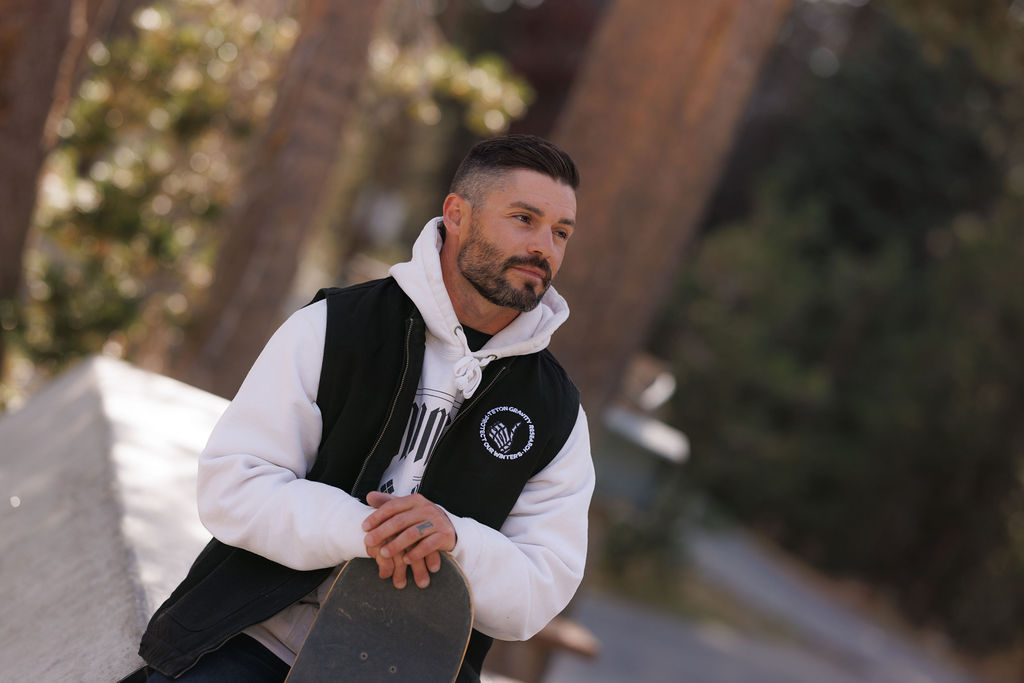
Change is the only constant, a principle that serves as the cornerstone for the life and career of tattoo artist and Protect Our Winters (POW) Creative Alliance member, Angel Lopez. A native of Tijuana, Mexico, whose career has mirrored his transition into the rugged landscapes of California, Lopez has successfully bridged the gap between the precise, permanent medium of tattooing and the fluid, ever-changing environment of the outdoors. In a strategic collaboration, Lopez has partnered with Teton Gravity Research (TGR) and Protect Our Winters to launch a limited-edition apparel line that seeks to meld artistic expression with environmental activism. The initiative, which features designs inspired by the intersection of mountain sports and craftsmanship, will see 10% of all proceeds donated directly to POW, an organization dedicated to mobilizing the outdoor community to advocate for climate policy.
The Evolution of Environmental Advocacy
Traditional environmental advocacy has long relied on established methodologies: policy lobbying, grassroots legislative efforts, and large-scale public demonstrations. However, the contemporary landscape of climate activism is witnessing a decentralization of these efforts. Influential figures within niche communities—such as the climbing, mountain biking, and skateboarding cohorts—are increasingly leveraging their professional platforms to generate both awareness and funding.
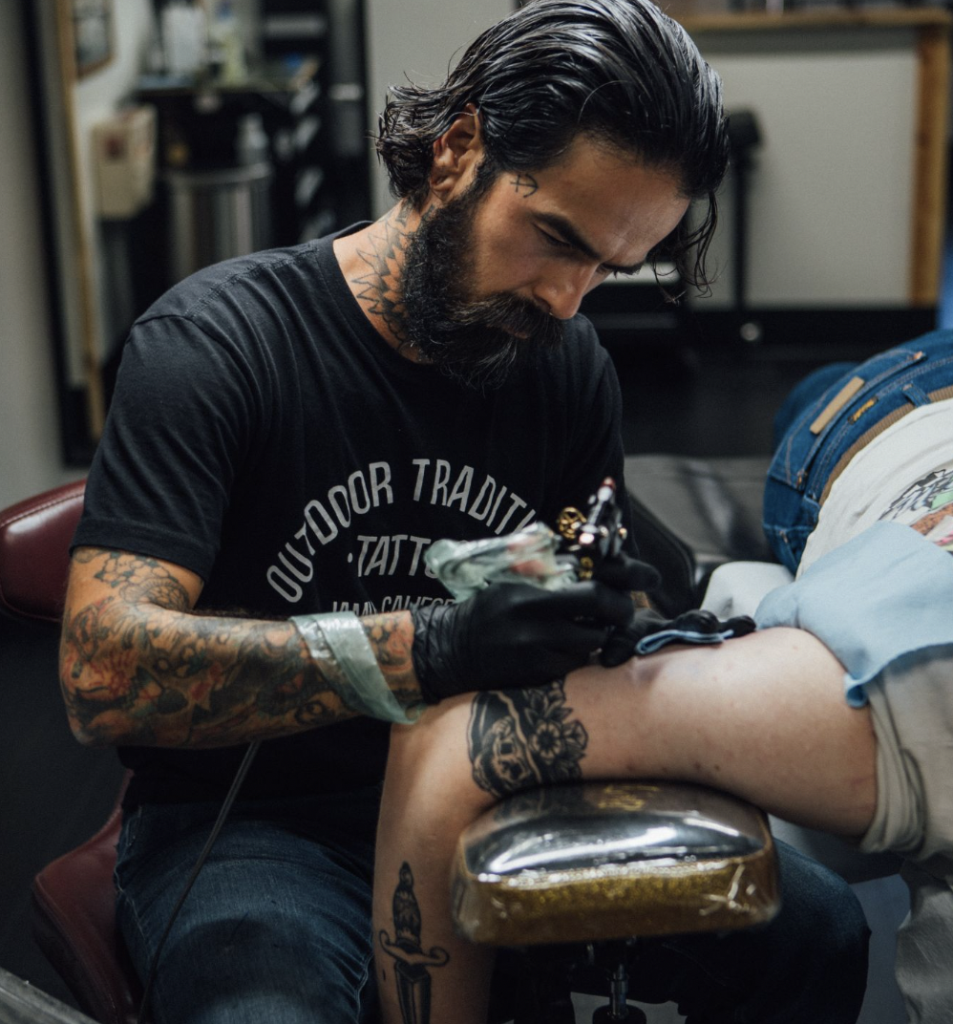
Angel Lopez represents this shift. For over 16 years, he has functioned not merely as a participant in outdoor sports, but as a vocal advocate for the preservation of wild spaces. Unlike traditional philanthropic models that rely on corporate grants or high-level donations, Lopez has institutionalized advocacy within his own business model. By committing between 20% and 50% of his tattoo proceeds to organizations such as the Access Fund, Protect Our Winters, and various regional mountain biking advocacy groups, Lopez has created a circular economy of support. This model transforms the act of receiving a tattoo—a personal, aesthetic choice—into a tangible contribution toward the maintenance and protection of public lands.
Chronology of a Creative Pivot
The trajectory of Lopez’s work was significantly altered by the global COVID-19 pandemic. In 2020, as mandated shutdowns shuttered tattoo studios across the United States, the outdoor recreation industry experienced an unprecedented surge in participation. With indoor spaces closed, the trails, crags, and mountains became the primary venue for mental health maintenance and physical activity.
During this period, Lopez found solace in mountain biking, using the time to reflect on the vulnerabilities of his business and the fragility of the environment he frequented. In response to the economic and social uncertainty of the era, he organized a flash-tattoo event specifically aimed at raising funds for San Diego-based mountain bike advocacy groups. This initiative served as a proof-of-concept for his broader philosophy: that even in times of extreme personal and professional disruption, individuals possess the agency to mobilize their skills for the collective good. The lessons learned during the pandemic—centered on resilience, adaptability, and the necessity of safeguarding community resources—remain the guiding principles of his current partnership with TGR.
The Intersection of Art and Climate Policy
The partnership between POW, TGR, and Lopez is not merely a commercial venture but an attempt to standardize "lifestyle activism." The new apparel line, which features designs inspired by Lopez’s unique artistic style, is intended to serve as a wearable symbol of the wearer’s commitment to climate action.
According to recent data from the Outdoor Industry Association, the outdoor recreation economy accounts for approximately 2.2% of the U.S. GDP, contributing roughly $862 billion annually to the national economy. This massive economic footprint provides a significant platform for political leverage. However, the industry remains vulnerable to the impacts of climate change, including shortened winter seasons, increased wildfire frequency, and the degradation of trail infrastructure. By integrating advocacy into consumer goods, POW and TGR are attempting to convert the latent concern of outdoor enthusiasts into active political and financial participation.
Industry Implications and Organizational Stance
Industry analysts suggest that collaborations between lifestyle brands and activists are becoming a primary mechanism for engagement among younger demographics. For organizations like POW, the challenge has always been translating a passion for sport into an understanding of policy. By utilizing the creative arts—in this case, tattooing—these organizations can bypass the traditional "preaching" model of advocacy and instead invite participation through cultural relevance.
"We are constantly looking for ways to expand the reach of our climate message," stated a spokesperson for the collaboration. "When we engage with someone like Angel, we aren’t just gaining a designer; we are gaining an authentic voice from within the climbing and biking communities. The goal is to ensure that the people who enjoy the outdoors understand that their lifestyle is inextricably linked to the policy decisions made in Washington and beyond."
Data-Driven Impact
The financial model of the POW x TGR collection is designed for scalability. With 10% of all sales earmarked for POW, the collaboration functions as a micro-donation engine. While individual contributions might appear modest, the collective impact of such initiatives is substantial. In fiscal year 2024, similar creative alliances helped POW secure a significant portion of its operating budget, which is currently focused on three primary policy pillars: energy transition, transportation reform, and the protection of public lands from industrial development.
The broader impact of this initiative lies in its capacity for normalization. By making advocacy a part of the retail experience, POW is effectively lowering the barrier to entry for climate-conscious consumers. The strategy acknowledges that not every outdoor enthusiast is prepared to lobby a representative, but most are willing to support a cause that aligns with their personal values and aesthetic preferences.
Sustaining the Future: The Role of the Creative Class
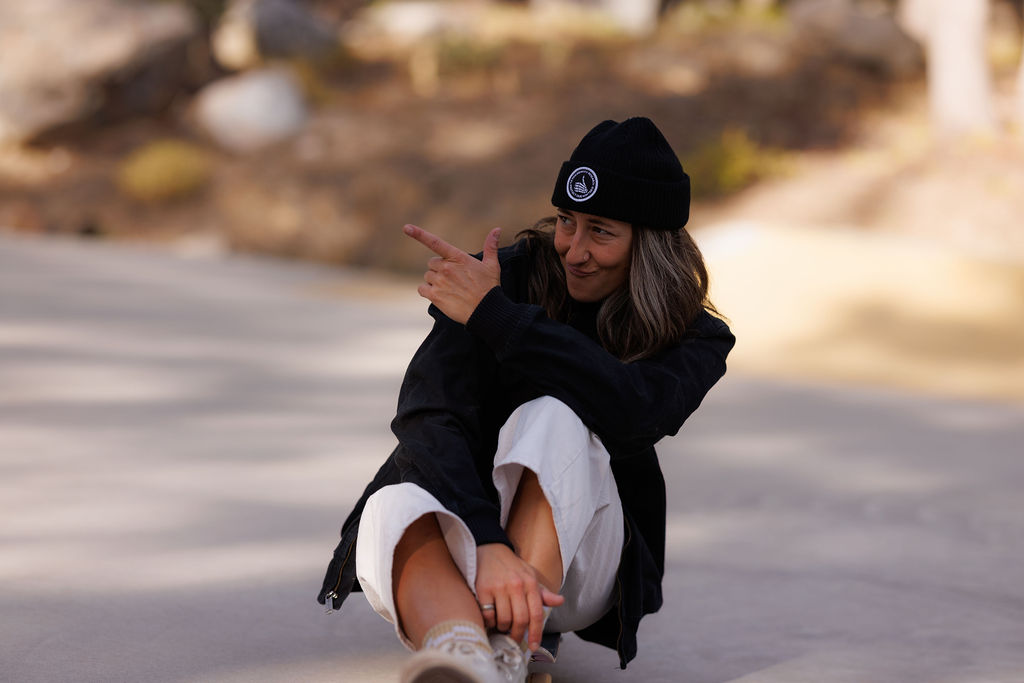
As the climate continues to shift, the reliance on traditional advocacy methods is being supplemented by a more robust, multi-faceted approach. The "creative class"—designers, artists, and creators—are playing an increasingly vital role in maintaining the visibility of environmental causes.
Angel Lopez’s work serves as a microcosm of this trend. By treating his tattoo gun as a tool for environmental stewardship, he has effectively blurred the lines between his personal passion and his professional duty. This approach resonates with a growing segment of the population that is skeptical of institutional politics but remains deeply invested in the health of the planet.
For consumers, the purchase of items from the POW x TGR line represents more than a transaction; it is an act of identification with a specific community-driven philosophy. It reinforces the idea that the preservation of winters and the maintenance of outdoor trails is a shared responsibility, one that can be expressed as easily through a t-shirt or a tattoo as it can through a ballot box.
As the project moves forward, the success of the collaboration will be measured not only by the funds raised but by the reach of the message. In an era where the environmental narrative is often fraught with doom-laden statistics, the work of individuals like Lopez offers a constructive, human-centric alternative. By focusing on the tangible, the personal, and the creative, the partnership aims to ensure that the outdoors remains a space for future generations—one piece of art, one trail, and one climate policy at a time.

