
The onset of the 2026/27 winter sports season has been marked by a significant meteorological shift across the Northern Hemisphere, as the first major storm system of the autumn arrived on October 7, 2026. This weather pattern, characterized by heavy precipitation and a sharp decline in freezing levels, has delivered a much-needed dusting of fresh snow to high-altitude glacier regions, signaling the transition from early-season preparation to the commencement of lift operations at several premier ski resorts.
Meteorological Overview: The Alpine System
As of October 7, the Alpine region is experiencing a widespread weather front that has brought rain to lower elevations, while high-altitude areas above 3,000 meters are seeing the arrival of significant snow. Meteorologists note that the freezing level, which currently sits at approximately 3,000 meters, is expected to drop drastically as colder air masses move in throughout the week.
Fraser Wilkin of weathertoski.co.uk reports that the western and north-western Alps, specifically the French departments of Haute-Alps, Savoie, and Isère, are at the epicenter of this precipitation event. These regions are bracing for accumulations of 20 to 40 centimeters of fresh snow at elevations above 3,000 meters. This development is particularly beneficial for high-altitude glacier resorts such as Les 2 Alpes and Tignes, which, while not yet open to the public, will benefit from the stabilization of their glacial base.
More broadly, across the higher altitudes of the Alps, snowfall accumulations are expected to range between 5 and 20 centimeters. Conversely, southern and south-eastern regions, including the Italian Dolomites, are currently sheltered from the bulk of the storm, with minimal snowfall projected for these areas. By Thursday, October 8, the temperature drop is expected to be finalized, bringing the rain-snow limit down to between 1,500 and 2,000 meters, providing a seasonal aesthetic and a functional base layer for mid-mountain elevations.
Chronology of Operations and Resort Openings
The arrival of this cold front coincides with a critical window in the ski industry calendar. Several resorts have scheduled their initial openings for the second weekend of October, and the fresh precipitation is providing a timely boost for these operations.

The current operational landscape is as follows:
- October 9, 2026: Sölden is scheduled to commence its season, leveraging its high-altitude glacier access to facilitate early-season turns.
- October 10, 2026: Engelberg and the Kitzsteinhorn glacier in Austria are both set to open partial terrain to the public.
- Ongoing Status: Resorts such as Zermatt, Cervinia, and Kaunertal remain in a pre-operational phase, currently monitoring snow depths to determine safe opening dates.
- Early Season Outliers: In Finland, resorts such as Levi and Ruka have already opened their doors, utilizing "snow farming" techniques—the storage of snow from the previous winter under insulating sawdust or specialized tarps—to ensure early-season viability despite the lack of recent natural snowfall.
Trans-Atlantic Developments: Early Snow in North America
The atmospheric disturbance affecting the Alps is mirrored by significant weather activity in North America, where a vigorous cold front is currently developing across the Northern Rockies. Forecasts indicate that this system will deliver substantial snowfall to the Canadian Rockies and the western United States throughout the coming weekend.
In Alberta, Canada, resorts such as Sunshine Village, Lake Louise, and Marmot Basin are expected to receive significant early-season dumps. Projections suggest that Marmot Basin, situated near Jasper, could see up to 40 centimeters of snow, while Sunshine Village, located near the Banff townsite, is forecasted to receive approximately 25 centimeters. While none of these resorts are currently operating for the winter season, this early accumulation is historically viewed as a positive indicator for the health of the upcoming season’s base.
Further south, in the United States, states including Montana, Wyoming, Utah, Idaho, and Colorado are bracing for their first measurable snowfall of the 2026/27 cycle. While these totals are expected to be more modest than those in the Canadian Rockies, the precipitation marks a definitive end to the summer season in high-alpine environments.
Analysis: Implications for the 2026/27 Winter Season
Industry experts emphasize that while early October snowfall is a welcome occurrence, it serves primarily as a morale booster and a logistical aid for glacier maintenance rather than a predictor of overall winter conditions. Meteorological models often show little correlation between early autumn precipitation and the depth or quality of the snowpack in January or February.
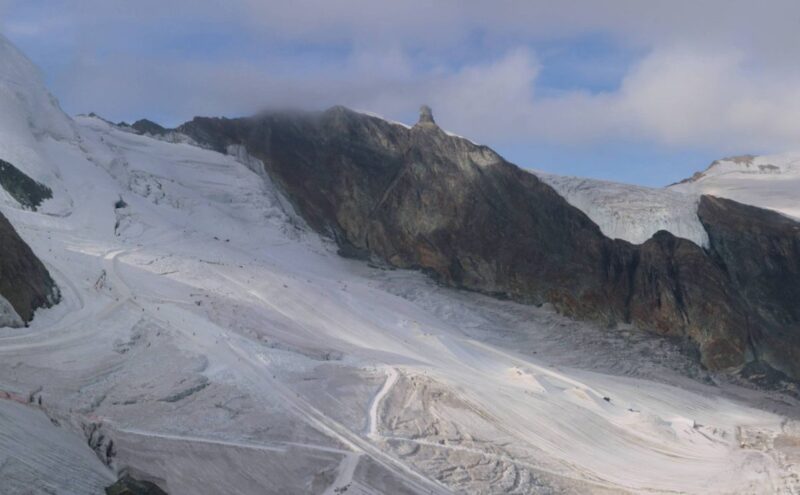
However, the psychological impact on the ski industry cannot be understated. Following a season of fluctuating temperatures, the immediate onset of cold weather allows resorts to begin the essential process of "base building." For glacier resorts, the snow serves to cover crevasses and protect the ice, which is vital for both safety and the structural integrity of the glacier.
Furthermore, the early opening of resorts like Engelberg and Sölden allows for the dispersal of early-season demand. By offering limited terrain in October, these resorts can alleviate the pressure on their infrastructure when the peak season begins in December. For competitive athletes and training squads, these early openings are essential for pre-season technical training, ensuring that the athletic calendar remains on schedule.
Industry Outlook and Sustainability
As the 2026/27 season approaches, the industry is increasingly focused on the intersection of weather patterns and sustainability. The use of stored snow, as practiced in Finland, is becoming a more common contingency plan for European and North American resorts facing shorter transition periods between summer and winter.
Ski resort management groups are currently in the final stages of pre-season preparation, which includes the testing of lift machinery, the hiring of seasonal staff, and the implementation of updated safety protocols. The "significant precipitation" noted by forecasters like Fraser Wilkin acts as a functional "soft opening" for these logistical operations, providing staff with a realistic environment in which to conduct final checks before the influx of tourists begins.
The industry remains in a period of cautious optimism. While the climate is shifting, the ability of high-altitude resorts to capitalize on early-season weather windows ensures that the sport remains accessible to enthusiasts and professionals alike. Stakeholders are encouraged to monitor resort websites and official weather portals, such as weathertoski.co.uk, for the most granular updates as the storm front continues to track across the continent.
Conclusion: Preparing for the Season Ahead
As October progresses, the focus of the winter sports community will continue to shift from the Northern Rockies and the Alps toward the broader European and North American ski landscape. The arrival of the first autumn storm serves as a stark reminder of the volatility and beauty of mountain weather. For the millions of skiers and snowboarders worldwide, the season of 2026/27 is no longer a distant prospect but an immediate reality.
The coming weeks will be critical for determining which resorts will be able to capitalize on these early snowfalls and which will need to wait for further atmospheric support. With the groundwork laid by this October storm, the industry is positioned for a robust start to the winter season, provided the temperatures continue to favor the freezing levels required for snow retention. As PlanetSKI continues to monitor these developments, readers can expect ongoing reports regarding resort opening schedules, snow accumulation data, and the broader trends defining the upcoming year in snowsports.

