
The impending World Ski Championships in Falun, Sweden, represent more than just a pinnacle of athletic performance for 21-year-old sprint sensation Anton Grahn. For the young Swedish skier, the event serves as a crucible where his meteoric rise through the junior and U23 ranks meets the unforgiving reality of senior-level competition. As he prepares to face the world’s elite, Grahn has openly declared his ambition to capture gold on home snow, a goal he views as both a psychological necessity and a standard for his professional trajectory.
This confidence is not merely the bravado of youth; it is the cornerstone of a mental framework he has developed to withstand the immense pressure of international skiing. However, this journey to the top has been far from straightforward, punctuated by a period of intense personal growth necessitated by a temperament that once threatened to derail his potential.
A Meteoric Rise Through the Ranks
Anton Grahn’s ascent in the world of cross-country skiing has been nothing short of explosive. He first signaled his arrival on the global stage in 2023 at the Junior World Championships, where he dominated the sprint competition with a tactical maturity that belied his 18 years. His performance, often compared to the clinical efficiency of Norwegian legends, established him as a formidable force in short-distance events.
The momentum continued into 2025 during the U23 World Championships in Italy. Competing as the youngest athlete in the field and navigating his first year as a senior, Grahn secured another gold medal. This victory was a defining moment, confirming that his transition from junior dominance to senior excellence was not a matter of "if," but "when."
Following his success in Italy, the 2025-2026 winter season saw Grahn solidify his status as a permanent fixture at the front of the pack. He recorded his first career podium finishes in the FIS World Cup circuit and emerged as the top-performing Swedish male athlete during the Olympic cycle. His consistent top-five placements in the U23 World Cup rankings have further cemented his reputation as one of Sweden’s most promising prospects for the upcoming World Championships.
The Psychological Evolution
While Grahn’s physical prowess has rarely been in question, his emotional management once posed a significant hurdle to his long-term success. As a junior, Grahn’s reaction to defeat was frequently characterized by intense frustration and outward displays of anger. The pressure of the sport, coupled with his high internal expectations, often manifested in outbursts that were counterproductive to his development.
"I have spent plenty of time running around screaming and acting out," Grahn admitted in a recent interview. "It was not always a productive way to handle the disappointment of a poor performance."
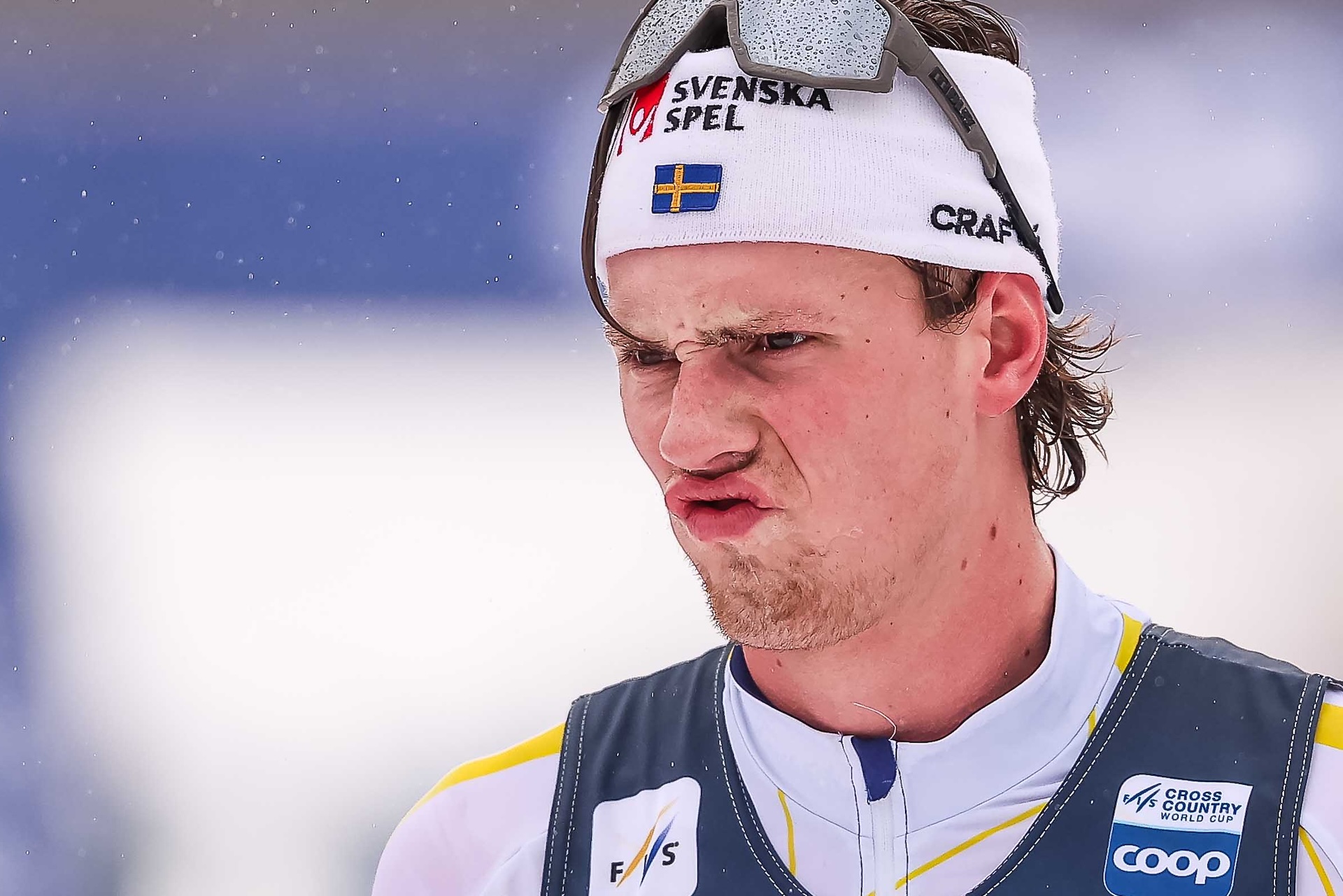
Recognizing that his emotional volatility was a potential barrier to achieving elite status, Grahn sought intervention through the Swedish Olympic Committee. The partnership with a sports psychologist proved to be a turning point. Through structured sessions, Grahn learned to decouple his self-worth from individual race results and to channel his competitive fire into analytical, rather than reactionary, energy.
The transformation has been significant. Grahn reports that he has moved from a state of constant therapeutic intervention to an on-demand system where he engages with his mental coach only when specific challenges arise. This transition reflects a broader trend in professional sports where psychological conditioning is treated with the same rigor as physical training.
The Logic of Public Ambition
Grahn’s decision to openly broadcast his goal of winning a World Championship gold in Falun is a deliberate strategic choice. In an era where athletes are often coached to provide cautious, media-trained responses, Grahn’s transparency is a departure from the norm.
"If I did not believe that I could win Olympic or World Championship medals and become the best in the world, I would never achieve those things," Grahn explained. "I must constantly maintain the belief that it is possible, and therefore, it is just as well to state it publicly. One must be prepared to accept that the distance to fall is greater if things go poorly."
This "high-stakes" approach to goal setting is designed to keep him accountable. By externalizing his ambitions, Grahn effectively eliminates the option of settling for mediocrity. While this invites scrutiny and potential criticism, he views it as a necessary trade-off for the level of performance he demands from himself.
Historical Context and Competitive Dynamics
The rivalry between the Swedish and Norwegian ski teams has always been a central pillar of the sport’s narrative. When Grahn emerged on the circuit as a teenager, his rapid success was met with both admiration and friction from his more established Norwegian counterparts. Early in his senior career, tensions simmered regarding his training methods and his vocal presence in the media.
These interactions, while at times combative, have only served to sharpen Grahn’s resolve. The ability to perform under the glare of international rivalry is a skill in itself, and Grahn has shown an increasing aptitude for thriving amidst the skepticism of his competitors.
Analysis: The Path to Falun
As the World Championships in Falun approach, the analytical data suggests that Grahn is peaking at the optimal time. His progression in the World Cup rankings since 2025 shows a steady improvement in both technical execution and tactical positioning. Unlike many young athletes who struggle with the physical demands of a full senior season, Grahn’s recovery times and race-day endurance have trended upward.
However, the competition in Falun will be the ultimate litmus test. The home-turf advantage carries both physical benefits—familiarity with the course, favorable weather conditions, and home-crowd support—and psychological weight. The expectation from the Swedish public will be immense, potentially placing a burden on an athlete who has only recently learned to regulate his own internal pressure.
From a technical standpoint, Grahn’s greatest asset remains his raw speed in the final 200 meters. If he can maintain the composure he has cultivated with his sports psychologist, he possesses the technical foundation to beat any sprinter in the current field. The variable will be his ability to navigate the tactical nuances of the championship heats, where the margin for error is non-existent.
Implications for Swedish Athletics
Anton Grahn represents a new generation of Swedish athletes who are redefining what it means to be a "star" in the sport. By blending high-performance physical training with a transparent, modern approach to mental health, he is setting a blueprint for how young athletes can handle the transition to the professional stage.
If Grahn succeeds in Falun, his victory will likely be viewed as the validation of his specific mental approach. If he falls short, the maturity he has demonstrated in his interviews suggests he will treat the outcome as a data point rather than a catastrophe—a marked departure from the athlete he was three years ago.
For the Swedish team, Grahn is more than just a podium hope; he is a beacon of sustainability in a sport that is often dominated by burnout. By prioritizing his psychological development alongside his physical training, he has ensured that his career is built on a foundation that can withstand the inevitable peaks and valleys of professional athletics.
As the countdown to the Falun World Championships continues, the sporting world will be watching to see if the young man who once struggled to control his temper can channel that same intensity into the most significant victory of his life. For Anton Grahn, the destination is clear, the preparation is finalized, and the, at times, turbulent journey has provided the very resilience he will need when he steps onto the starting line in front of his home fans.

