
The intersection of outdoor recreation and political advocacy has historically been viewed as a peripheral interest, often relegated to policy specialists operating within the halls of national government. However, a shifting paradigm within the environmental sector is bringing climate action to the local level. Protect Our Winters (POW), a non-profit organization dedicated to mobilizing the outdoor sports community, has implemented a robust Chapter Program that seeks to bridge the gap between mountain and coastal recreation and municipal governance. By focusing on grassroots organizing, the program aims to prove that the most effective climate policy often originates in town council meetings rather than at the federal level.
The Structural Shift Toward Localized Advocacy
The POW Chapter Program functions as a decentralized network of organizers who operate within their specific bioregions, ranging from the White Mountains of New Hampshire to the Truckee-Tahoe basin in California. This strategy is rooted in the realization that while national legislation provides the framework for climate policy, local implementation determines the pace of decarbonization.
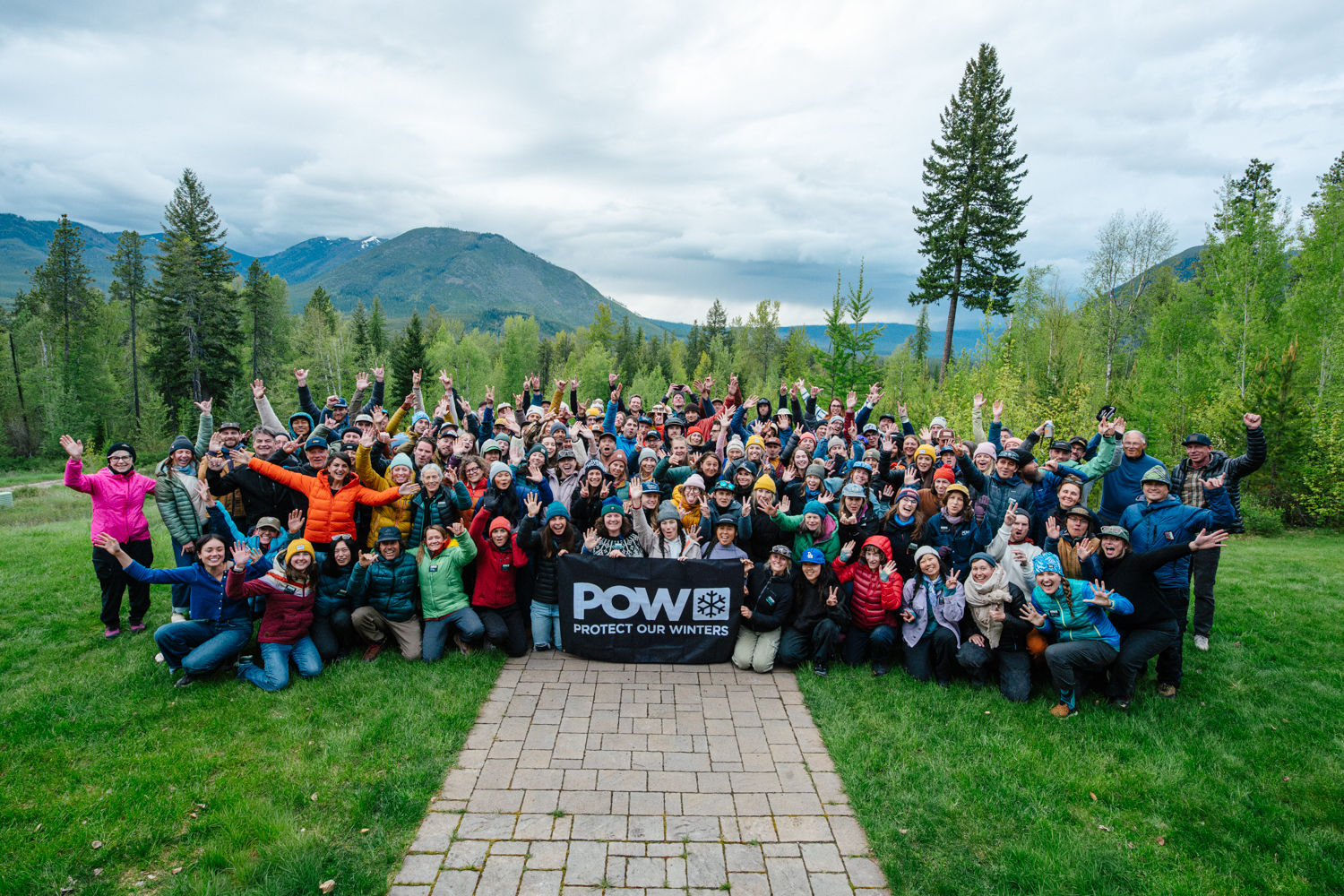
Field organizers for the program, including Emily Johnson, Savanna, Leda, and Adi, serve as the primary conduits between technical policy data and the general public. Their roles involve demystifying civic processes—such as public comment periods, utility commission hearings, and municipal zoning meetings—to empower citizens who may be passionate about preserving their recreational landscapes but lack experience in bureaucratic engagement.
Chronology and Milestones in Local Engagement
The trajectory of this movement is marked by specific regional victories that serve as case studies for community-led environmental progress. In early 2026, the legislative landscape in La Plata County, Colorado, shifted when the moratorium on battery energy storage systems (BESS) was lifted. This milestone was supported by coordinated public comments from local outdoor enthusiasts, underscoring the efficacy of public pressure on county commissioners.
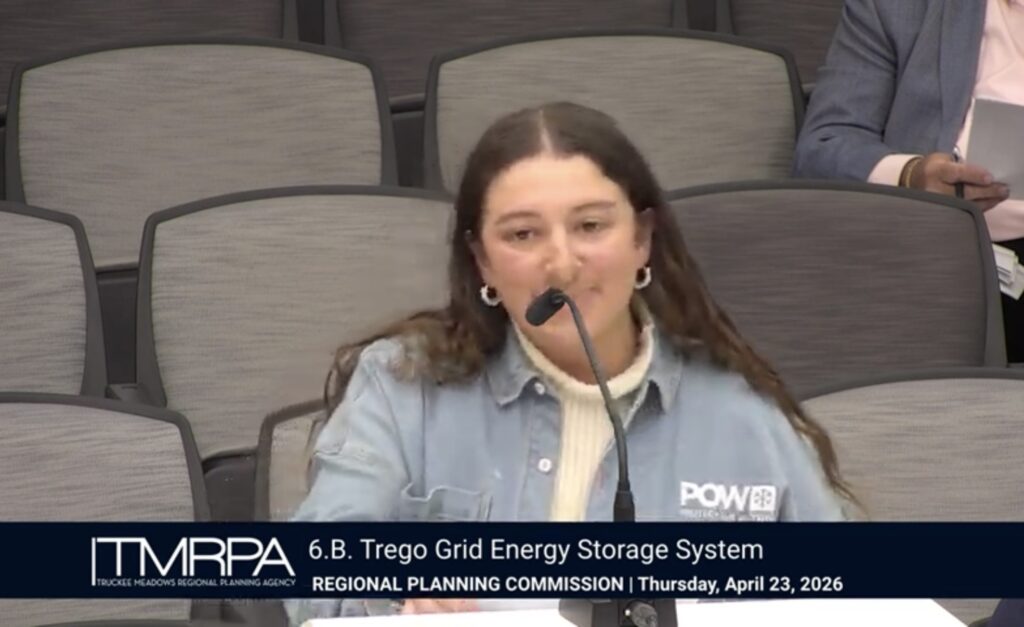
Simultaneously, in the Reno-Tahoe region, the focus turned toward grid modernization. In April 2026, the approval of the TregoGrid project, which introduced 200 megawatts (MW) of battery storage to the regional grid, served as a significant win for local organizers. This project represents a tangible shift toward energy security and decarbonization, demonstrating how local advocacy can directly influence energy infrastructure development.

In the Northeast, the focus has been on institutional representation. The election of Laurel Boivin to the New Hampshire Electric Cooperative’s Board of Directors, supported by the POW Action Fund, illustrates the shift toward placing climate-conscious individuals in positions of utility oversight. These developments indicate a trend of "institutional entry," where advocates move from protesting policy to actively managing the entities that oversee energy distribution and environmental compliance.
Data-Driven Impacts of Localized Climate Action
The importance of local advocacy is supported by significant statistical disparities in voter turnout and participation. According to election data, municipal and special district elections often suffer from exceptionally low voter participation, sometimes decided by margins of fewer than a dozen votes. In regions like the Western Slope of Colorado, rural electric cooperative elections have been determined by as few as eight votes, providing a high-leverage environment for motivated, organized groups to effect change.
Furthermore, the scale of current energy projects requires localized support to proceed. With nearly 500 MW of clean energy projects currently under consideration in Montezuma and Routt counties, the potential impact of public intervention is substantial. Field organizers note that these projects often face procedural hurdles or NIMBY-related opposition, making the informed support of the local populace a critical variable in whether these projects gain regulatory approval.

Challenges to the Model: A Policy Analysis
While the grassroots model offers a pathway to rapid local change, it faces inherent challenges. The technical complexity of Integrated Resource Plans (IRPs)—such as the one recently proposed by NorthWestern Energy in Montana—presents a barrier to entry for the average citizen. These documents, which outline energy generation and supply plans for decades, are often dense and prioritize traditional fossil fuel generation methods.
The role of the field organizer is, therefore, one of translator. By breaking down technical data into actionable points for public testimony, organizers mitigate the "expertise gap." However, the effectiveness of this model is also subject to the cyclical nature of political engagement. During midterm election years, interest in civic participation spikes, but maintaining this momentum in off-cycle years remains a primary hurdle for the longevity of these chapters.
Official Perspectives on Civic Participation
From the viewpoint of the organizers, the primary objective is to build a scalable, resilient form of civic participation that transcends individual elections. Savanna, a field organizer based in Montana, characterizes the movement as an "antidote to apathy," emphasizing that the strength of the program lies in the numbers. When individuals realize that their local utility bills, snow removal services, and land management policies are determined by small, accessible local boards, the perceived distance between the individual and the policymaker diminishes.
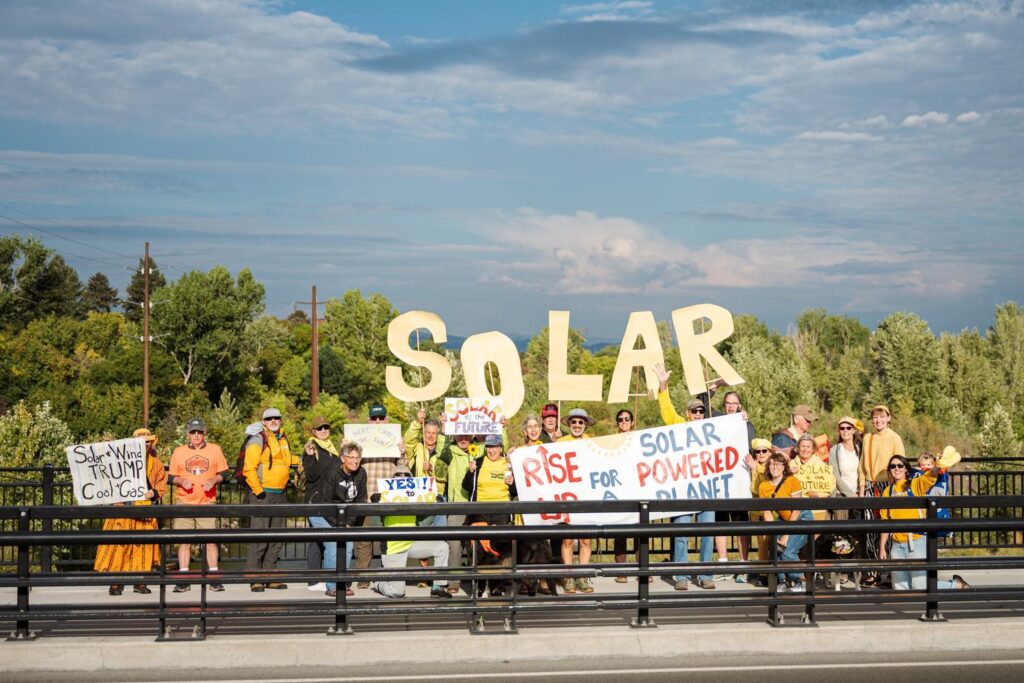
This sentiment is echoed by Adi, who notes that the path to broader federal change is paved by the success of local grassroots movements. By holding local officials accountable, communities create a ripple effect that eventually influences state and federal platforms. This bottom-up approach is viewed as a necessary complement to the high-visibility lobbying efforts conducted in Washington, D.C.
The Role of Cultural Identity in Policy Advocacy
A distinguishing feature of the POW initiative is its reliance on the cultural identity of the outdoor community. By framing climate change not merely as an abstract atmospheric issue but as an existential threat to the "places we love," the organization taps into a powerful motivational force. The connection to nature—whether through skiing, mountain biking, or hiking—serves as the catalyst for deeper involvement.
The organizers emphasize that the "why" behind their advocacy is rooted in the long-term preservation of these ecosystems. For the individual participant, the transition from an outdoor hobbyist to a political participant is facilitated by the shared goal of protecting the environment. This sense of shared purpose is essential for navigating the often-tedious nature of administrative advocacy, such as writing letters to the editor or attending evening council meetings.
Broader Implications for Future Environmentalism
The success of the POW Chapter Program offers a potential blueprint for other interest groups. By focusing on the intersection of lifestyle and civic duty, the program manages to engage demographics that are typically disengaged from formal political processes. The implications for the future of environmental policy are clear: as the climate crisis intensifies, the battleground for mitigation is shifting from national rhetoric to municipal and county-level infrastructure decisions.
As these chapters continue to grow, the ability to mobilize consistent, informed public comment will likely become a primary determinant in the success or failure of regional energy projects. The evolution of this program suggests that the future of climate advocacy is not just about broader global treaties, but about the thousands of small, local decisions that collectively define a community’s environmental and economic trajectory. For the participants of this movement, the town council meeting has become as critical as the mountain peak, representing the new frontier of environmental preservation in the 21st century.

