
At the southern reaches of the planet, where the horizon is a seamless blend of white ice and pale blue sky, Dr. Ali Banwell and her research team are engaged in a scientific endeavor that carries profound implications for the future of global civilization. As a member of the Protect Our Winters (POW) Science Alliance, a Research Scientist at the University of Colorado Boulder, and a Professor in Glaciology at Northumbria University, Dr. Banwell has dedicated her career to understanding the complex mechanics of the Antarctic cryosphere. Her most recent field season, spent on the McMurdo Ice Shelf, focused on a critical and deceptively simple question: How long can Antarctica’s ice hold on before the rising tide of global temperatures triggers an irreversible collapse?
The urgency of this research is underscored by a single, staggering statistic provided by Dr. Banwell: if the entire Antarctic Ice Sheet were to melt, global sea levels would rise by approximately 190 feet. While scientists consider a total melt to be a remote scenario in the immediate future, the mechanisms that could initiate a partial but catastrophic collapse are already in motion. Dr. Banwell’s work on the McMurdo Ice Shelf is part of a broader international effort to map these vulnerabilities and provide policymakers with the data necessary to navigate an era of rapid environmental change.
The Critical Role of Ice Shelf Buttressing
To understand the stakes of Dr. Banwell’s research, one must first understand the structural role of ice shelves. These massive, floating extensions of glacial ice ring roughly 75% of the Antarctic continent. They act as a "last line of defense," serving a function known in glaciology as buttressing. Ice shelves do not contribute to sea-level rise when they melt—since they are already floating—but they serve as a physical barrier that holds back the massive land-based ice sheets behind them.
"Ice shelves buttress the glaciers flowing into the ocean," Dr. Banwell explains. "Without these ice shelves, ice on land would flow more rapidly into the ocean, accelerating sea-level rise." Essentially, these shelves act like a cork in a bottle. If the cork is removed or weakened, the contents of the bottle—the terrestrial ice sheets—spill into the sea. Because land-based ice adds new volume to the ocean, its displacement is the primary driver of rising tides.
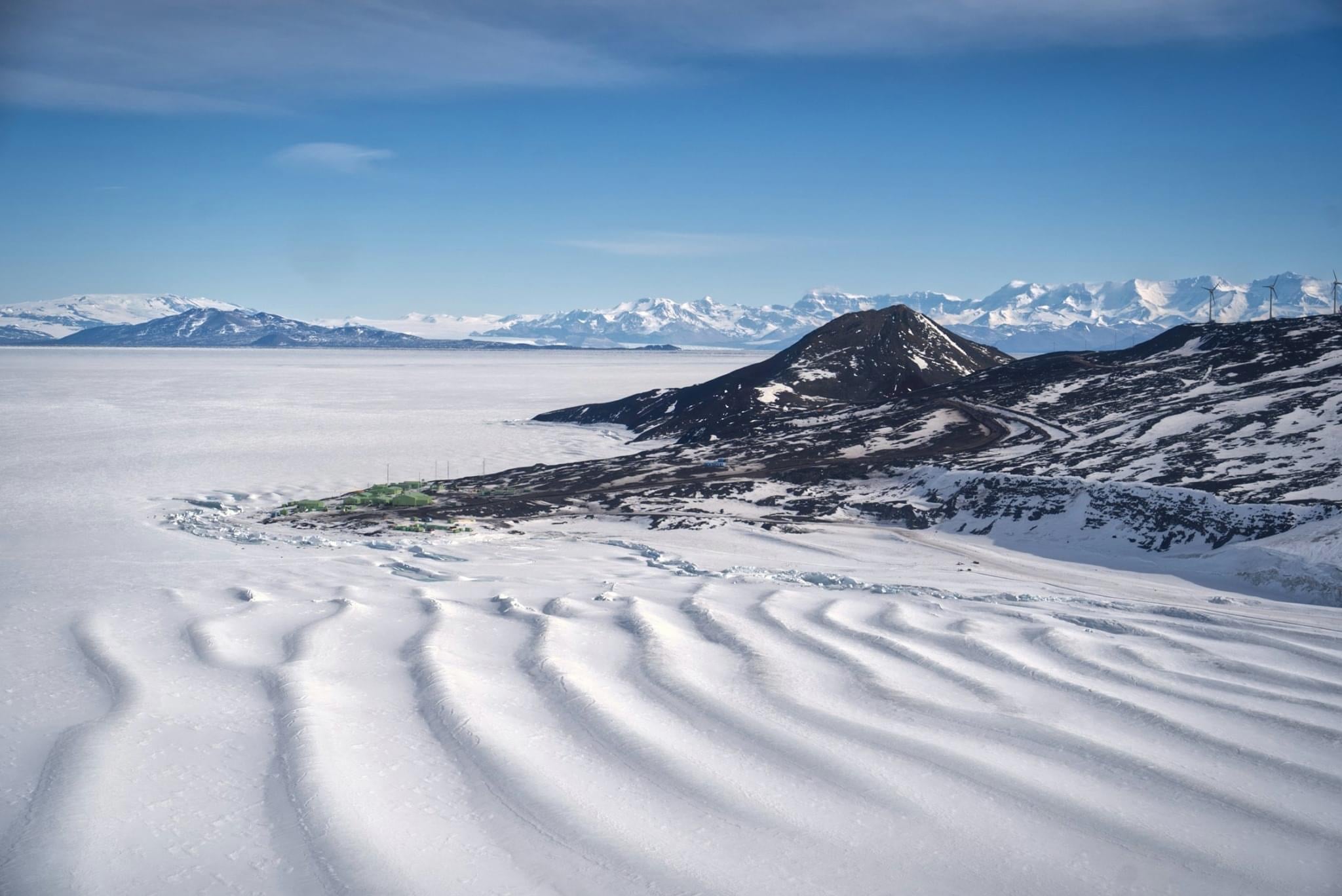
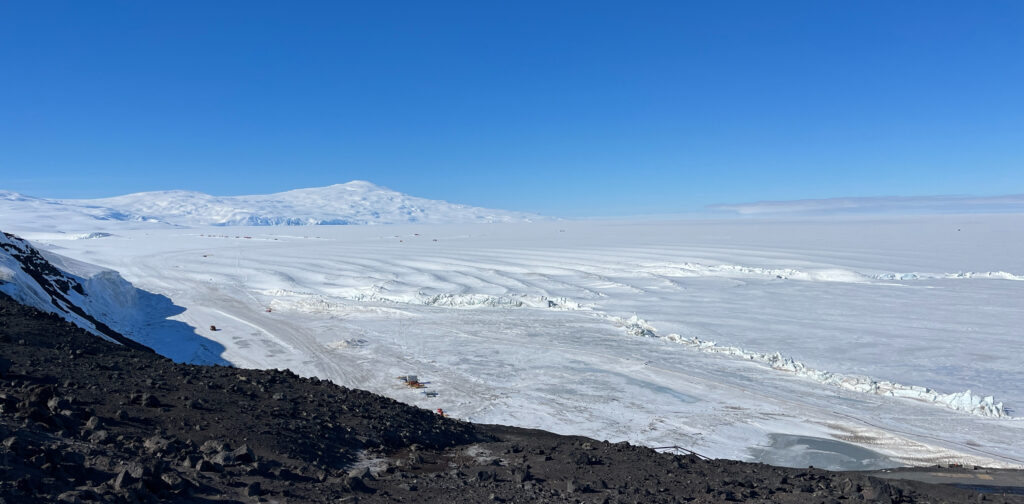
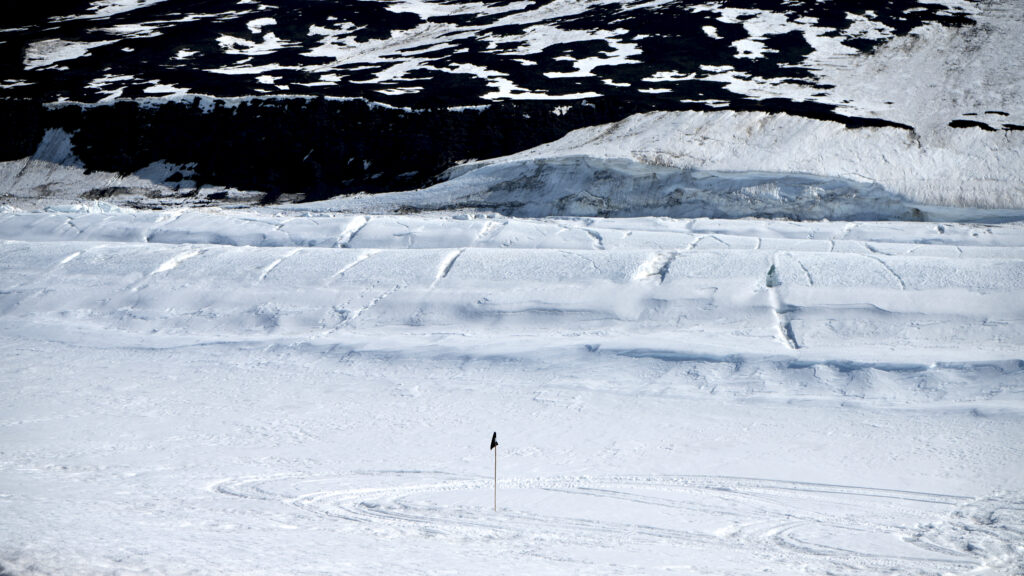
The McMurdo Ice Shelf, located near the United States’ McMurdo Station on Ross Island, presents a unique case study. While most ice shelves flow outward toward the open ocean, parts of the McMurdo shelf are being pushed into land masses. This creates a phenomenon known as "ice shelf rumples"—wave-like ridges that stretch across the surface as the ice compresses and buckles. Dr. Banwell’s National Science Foundation (NSF)-funded research seeks to determine whether these rumples act as a stabilizing force that strengthens the shelf or as a structural weakness that makes it more prone to fracturing.
Chronology of the Expedition: Six Weeks in the Perpetual Sun
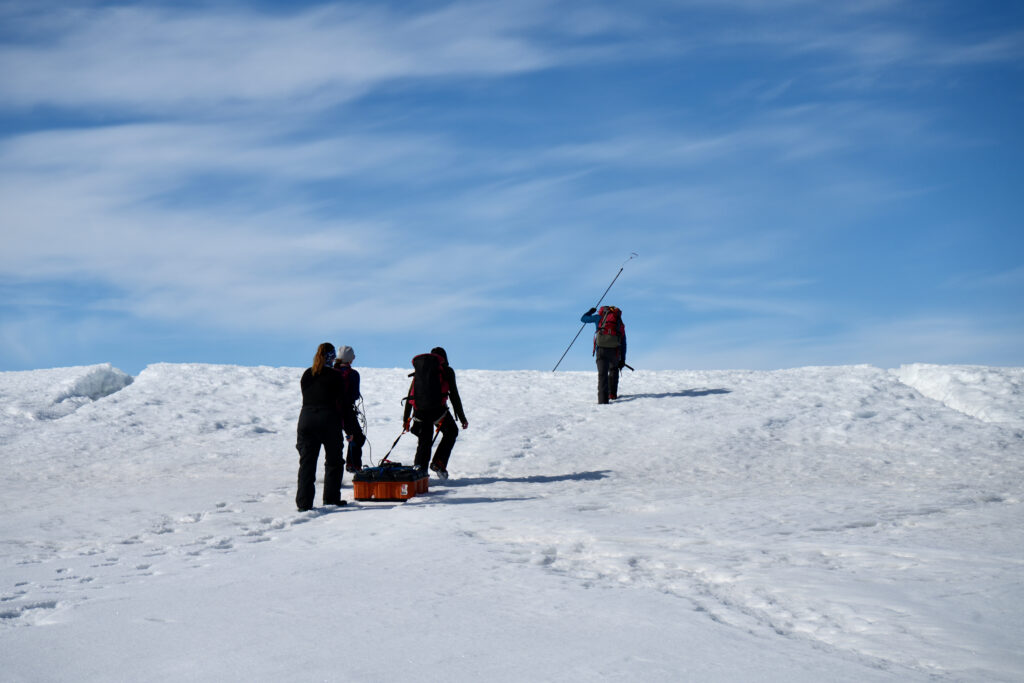
The field season involved a six-week deployment of a four-person team, including Dr. Banwell (Principal Investigator), Co-PI Dr. Ryan Cassotto from the University of Colorado Boulder and the University of Maine, and PhD students Allie Berry (University of Maine) and Michela Savignano (University of Colorado Boulder). The expedition was characterized by grueling physical labor and the constant navigation of a landscape that Dr. Banwell describes as "vast, remote, and at times almost otherworldly."
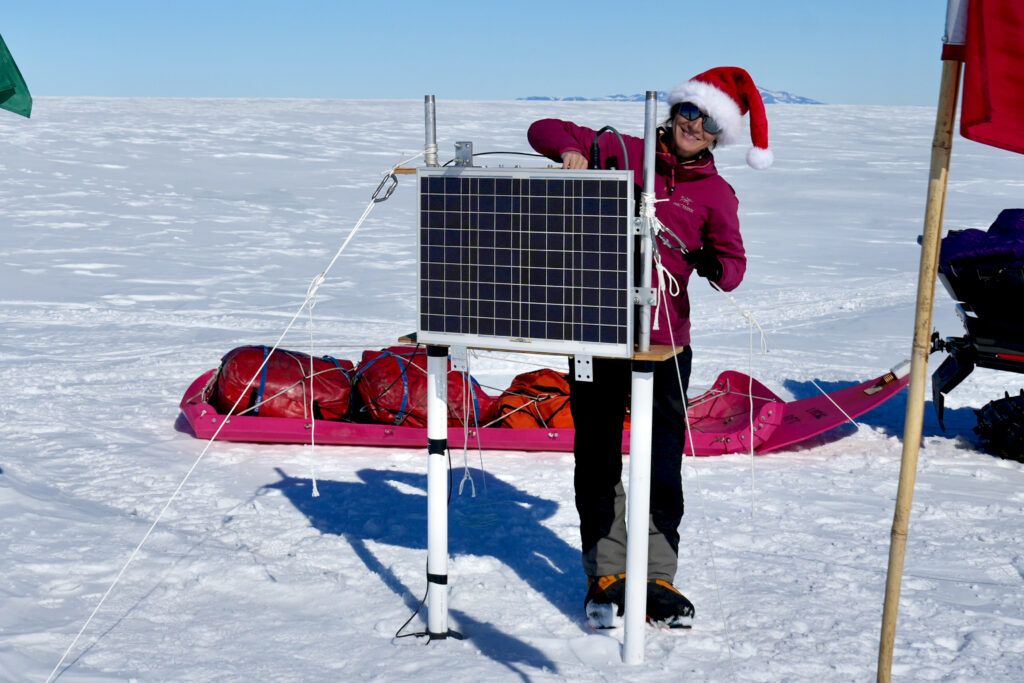
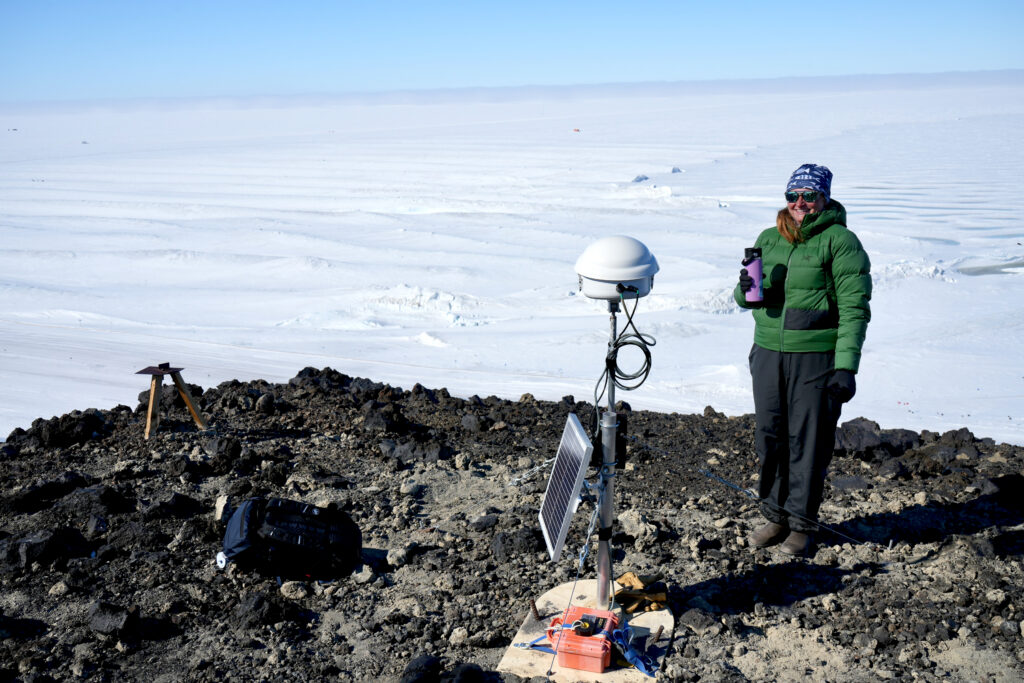
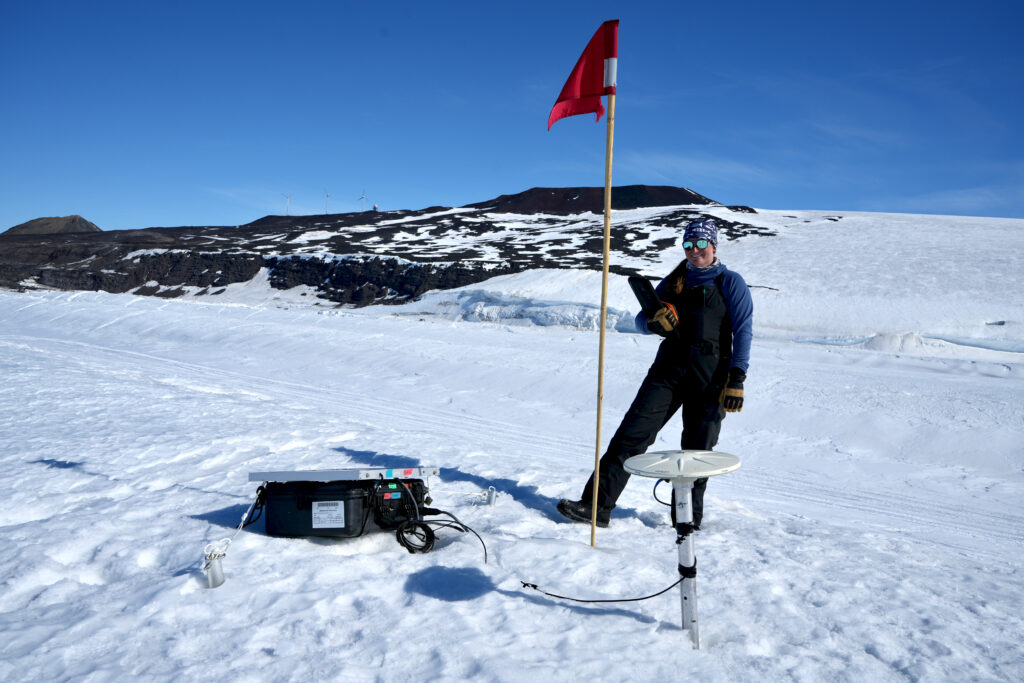
Each day, the team traveled by snowmobile from their base to the "rumple zone." Their primary objective was the installation of a sophisticated network of autonomous sensors designed to monitor the ice’s behavior throughout the harsh Antarctic winter. The deployment included:
- Seismometers: Sensitive instruments capable of detecting "ice quakes"—the minute vibrations and acoustic signals produced when the ice cracks or shifts.
- High-Precision GPS Units: Devices accurate to the centimeter, used to track the daily movement and deformation of the ice shelf.
- Radar Systems: Technology used to peer through the ice to measure its thickness and internal layers, identifying areas where the shelf might be thinning from below.
- Weather Stations: Tools to record temperature, wind speed, and solar radiation, providing context for how atmospheric changes influence ice stability.
- Time-Lapse Cameras: Positioned to take photographs every 30 minutes, creating a visual record of the surface conditions during the months when the site is inaccessible to humans.
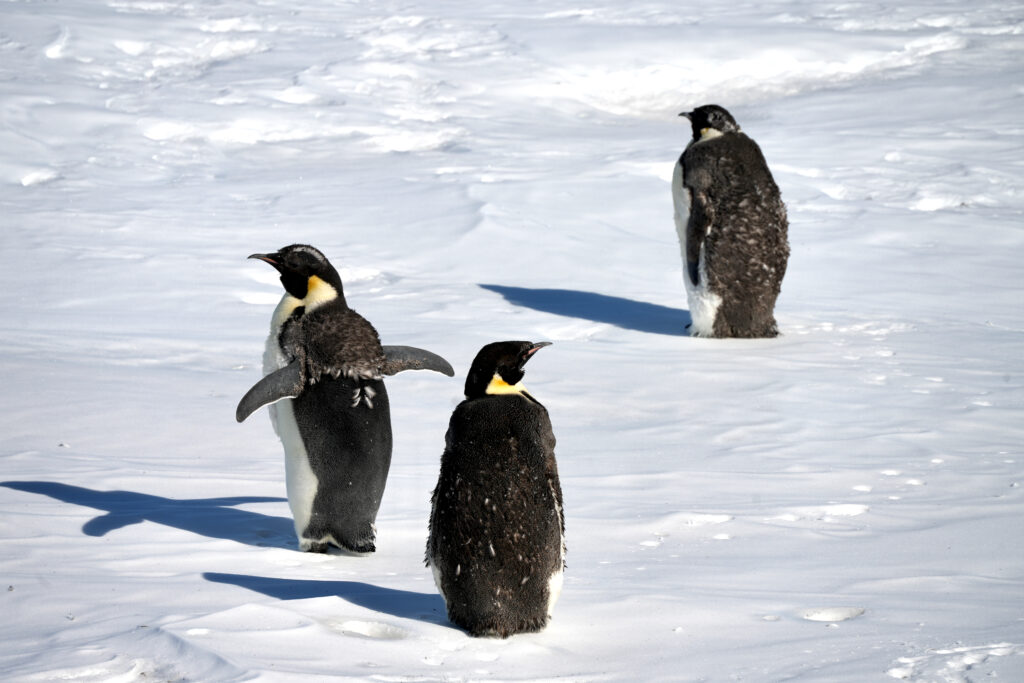
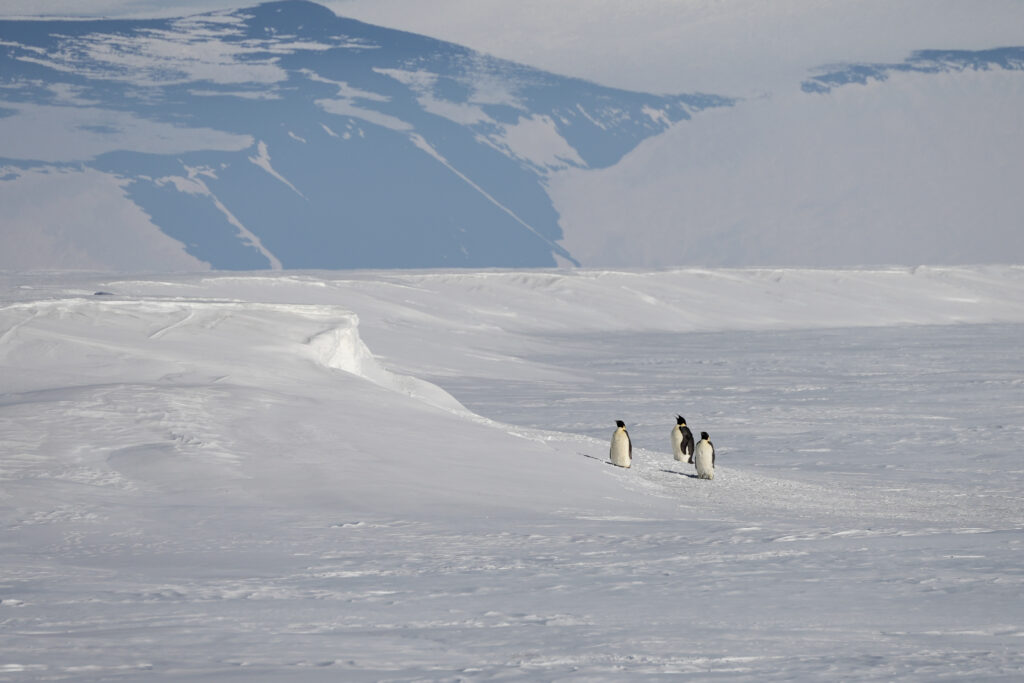
The team’s work was conducted under the perpetual sun of the Antarctic summer, a period of 24-hour daylight that allows for extended working hours but also accelerates surface melting. During their time on the ice, the researchers shared their environment with local wildlife, including three emperor penguins in the midst of molting. The birds, disinclined to move due to the energy-intensive process of shedding feathers, became daily observers of the scientific installation, offering a rare and intimate glimpse into the lives of the continent’s most iconic residents.
Early Observations and Environmental Anomalies
While the full dataset will not be available until the team returns to retrieve their instruments in the next field season, early observations from the six-week stint have already provided cause for concern. Dr. Banwell noted that the glacier ice was moving faster than anticipated, averaging between one and two feet per day. While this may seem slow by human standards, in the context of glaciology, it represents a highly dynamic and rapidly changing system.
Furthermore, the team experienced the warmest of the seven summers Dr. Banwell has worked in Antarctica. This localized warming had immediate physical effects on the research site. As the seasonal snowpack melted earlier than usual, it revealed a surface that was significantly more fractured than in previous years.
"We found a far more fractured ice surface," Dr. Banwell reported. "The team encountered more crevasses than anticipated, a sobering reminder of why mountaineering training is an essential part of working here." The presence of these crevasses suggests that the internal stresses within the ice shelf are intensifying, potentially as a result of both the "rumpling" effect and increased thermal stress from rising temperatures.
Supporting Data: The Global Context of Antarctic Melt
The research conducted by Dr. Banwell’s team is set against a backdrop of alarming trends across the Antarctic continent. According to data from NASA and the National Snow and Ice Data Center (NSIDC), Antarctica has been losing ice mass at an average rate of approximately 150 billion tons per year since 2002. This loss is not uniform; while some areas remain relatively stable, Western Antarctica and the Antarctic Peninsula are experiencing rapid thinning.
The stability of ice shelves is frequently compromised by a process known as "hydrofracturing." This occurs when meltwater on the surface of an ice shelf flows into existing cracks. Because water is denser than ice, the weight of the water forces the cracks to deepen and widen, eventually leading to the wholesale collapse of the shelf. The most famous example of this occurred in 2002, when the Larsen B Ice Shelf—an area the size of Rhode Island—disintegrated in just over a month after a period of intense surface melting.
Dr. Banwell’s focus on the McMurdo "rumples" adds a new dimension to this understanding. If these rumples are found to be points of structural failure, it could mean that even ice shelves that appear to be "anchored" to land are more vulnerable than previously thought.
Broader Impact and Socio-Economic Implications
The findings of glaciologists like Dr. Banwell are critical for refining sea-level rise projections. Current scientific consensus, as outlined by the Intergovernmental Panel on Climate Change (IPCC), suggests that global sea levels are likely to rise by one to three feet by the end of the 21st century. However, these estimates contain significant uncertainties, many of which stem from the "wild card" of Antarctic ice shelf stability.
A rise of just two feet would have a transformative impact on global geography. Coastal cities such as Miami, New York, Shanghai, and Mumbai would face frequent, catastrophic flooding, necessitating multi-billion-dollar investments in sea walls and drainage infrastructure. In low-lying nations like Bangladesh or the Maldives, even a modest rise in sea level could displace tens of millions of people, creating a global refugee crisis and straining international resources.
By "listening" to the ice through seismometers and tracking its every move via GPS, Dr. Banwell’s team is providing the high-resolution data needed to move beyond broad estimates and toward precise predictions. This information is essential not only for coastal planning but also for the global effort to mitigate carbon emissions.
Conclusion: The Long Winter Watch
As the Antarctic winter sets in, Dr. Banwell’s instruments remain on the McMurdo Ice Shelf, silently recording data in total darkness and sub-zero temperatures. When the team returns next season, they will retrieve a treasure trove of information: months of seismic signals, temperature logs, and thousands of photographs.
The work of the POW Science Alliance and researchers like Dr. Banwell serves as a bridge between the remote reaches of the poles and the daily lives of people around the world. In the movement of a glacier by two feet a day, or the buckling of an ice shelf into wave-like ridges, lies the story of our future coastlines. As global temperatures continue to rise, the "last line of defense" in Antarctica is under increasing pressure, and the scientists willing to brave the elements to study it are the ones providing the roadmap for the challenges ahead. One to two feet of ice movement per day; one to three feet of sea-level rise per century—in the fragile equilibrium of the Antarctic, these small numbers carry the weight of the world.

