
Innsbruck, the capital of the Austrian Tyrol, has long held a dual identity as a center of historic imperial culture and a world-class gateway to the high Alps. As of October 3, 2026, the region continues to solidify this reputation through the integration of the SKI plus CITY Pass. This comprehensive travel solution is designed to bridge the gap between metropolitan exploration and high-altitude winter sports, providing seamless access to 12 distinct ski resorts and 23 cultural attractions within a single, unified ticket system.
A Unified Approach to Regional Tourism
The SKI plus CITY Pass represents a strategic evolution in regional tourism management. By consolidating access to 265 kilometers of groomed ski terrain and over 100 mountain lifts, the initiative simplifies the logistics for international travelers who often find the fragmented nature of resort ticketing to be a barrier to multi-destination exploration.
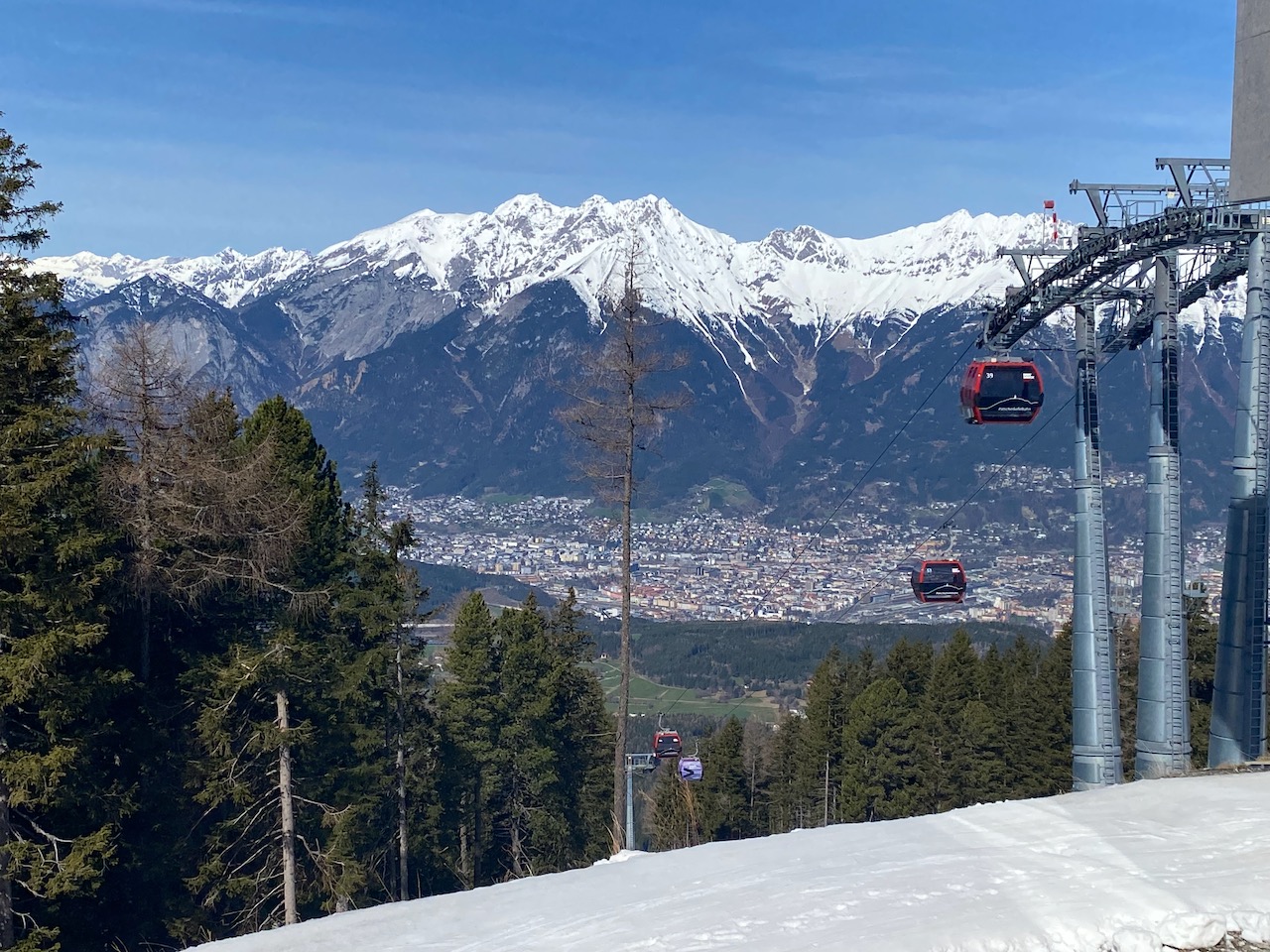
The pass includes access to a diverse array of topography, ranging from the high-altitude glacial terrain of the Stubai Glacier—which offers a reliable snow season extending from October through May—to the more localized, family-oriented slopes of resorts like Patscherkofel and Muttereralm. By bundling transportation on specialized ski buses that service all 12 resorts, the program reduces the reliance on individual vehicular transport, aligning with broader European trends toward sustainable and interconnected regional transit.
Chronology of Alpine Development in the Tyrol
Innsbruck’s relationship with winter sports is not a modern construct but a deep-seated historical evolution. Having hosted the Winter Olympics twice—in 1964 and 1976—the city established the infrastructure that continues to define its current offerings. The inclusion of the Axamer Lizum in the current pass, with its historic women’s Olympic downhill run, serves as a testament to this legacy.
In recent years, the Innsbruck Tourism Board shifted its focus toward the "City-to-Slope" model. Following the successful pilot programs of integrated ticketing in the late 2010s, the official launch of the current version of the SKI plus CITY Pass marked a transition toward a visitor-centric ecosystem. This model acknowledges that the modern skier is often a "hybrid traveler"—one who spends mornings carving down high-alpine runs and afternoons touring 15th-century imperial palaces.

Data-Driven Insights into the Resort Network
The breadth of the pass is best understood through the technical specifications of its partner resorts. The 12-resort network provides a scalable experience for varying skill levels:
- Stubai Glacier: As Austria’s largest glacier ski resort, it serves as the cornerstone of the pass, providing 64 kilometers of runs and the reassurance of snow security regardless of early or late-season climate fluctuations.
- Axamer Lizum: Located on the outskirts of the city, it features over 40 kilometers of terrain and modernized lift infrastructure, including the high-capacity Hoadlbahn 10-person gondola, which significantly reduces wait times during peak periods.
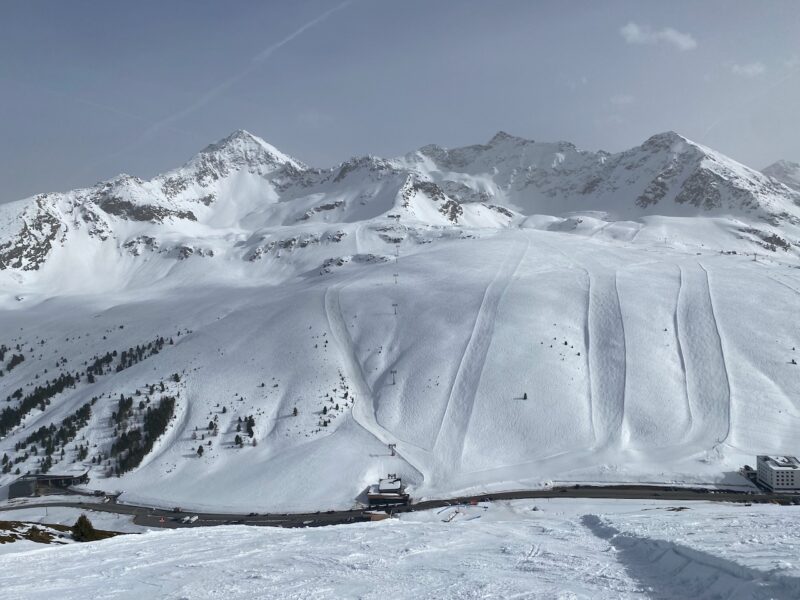
- Kühtai: Situated at an altitude of 2,020 meters, it is the highest resort in the region. Its strategic importance lies in its high-elevation snow accumulation and its specialized facilities, such as the KidsPark, which cater to the growing demographic of family-based ski travelers.
- Patscherkofel: As the local mountain for the city of Innsbruck, it serves as the entry point for novices, boasting a 15,000-square-meter learning area designed specifically for pedagogical development in skiing.
Beyond these hubs, the pass grants entry to Schlick 2000, Nordkette, Serlesbahnen, Glungezer, Elferbahnen, and the family-friendly Oberperfuss-Rangger Köpfl. This diversity ensures that the pass remains functional even during periods of inclement weather, as different mountain aspects provide varying levels of shelter and visibility.
Strategic Partnerships: The Indy Pass Integration
A significant development in the 2026 iteration of the pass is the formalization of its relationship with the Indy Pass. Recognizing the global mobility of the modern snowsports enthusiast, the Innsbruck authorities have enabled Indy Pass holders to redeem two consecutive days of skiing across the 12 participating resorts.

This partnership is indicative of a broader shift in the ski industry, where regional passes are increasingly aligning with global loyalty networks. By facilitating access at key locations like the Innsbruck Tourist Office at Burggraben or directly at resort ticket windows (excluding Nordkette), the program minimizes administrative friction for international guests, effectively positioning Innsbruck as a premium stop on the global ski circuit.
Cultural Integration: Beyond the Slopes
The "City" component of the pass is perhaps its most distinct differentiator. Unlike traditional lift passes, the SKI plus CITY Pass functions as a comprehensive city card. Holders gain entry to 23 cultural landmarks, effectively lowering the cost barrier for tourists interested in the region’s heritage.
Among the highlights is the Golden Roof (Goldenes Dachl) in the heart of the Old Town, an iconic structure featuring 2,657 fire-gilded copper shingles that serve as a symbol of the city’s imperial history. The proximity of these sites—with the Imperial Palace located just a three-minute walk from the Golden Roof—allows for a seamless transition from the mountain environment to the urban center.
Furthermore, the inclusion of Swarovski Crystal Worlds in Wattens offers a contrast to the rustic Alpine aesthetic. This site, a testament to modern art and design, highlights the region’s ability to cater to diverse interests, from extreme sports to fine arts. Ambras Castle, widely cited by historians as the oldest museum in the world, provides an educational dimension to the visit, appealing to families and history enthusiasts alike.
Implications for Regional Economic Sustainability
From an economic standpoint, the pass acts as a demand-leveling tool. By incentivizing visitors to stay in the city of Innsbruck rather than opting for isolated resort-only accommodation, the regional government successfully distributes tourism revenue across the entire municipal economy.
Local industry analysts note that the pass facilitates a longer "length-of-stay" metric. When tourists perceive that their ticket covers not only their primary recreational activity (skiing) but also their secondary leisure activities (swimming at the StuBay water park, touring museums, or using the Sightseer hop-on-hop-off bus), the perceived value of the trip increases. This often results in higher overall expenditure on lodging and dining within the city limits.
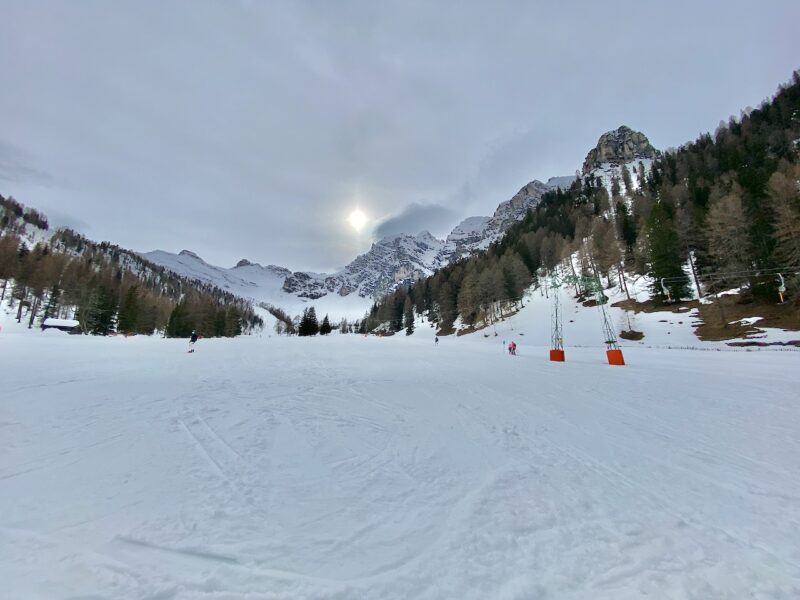
Furthermore, the integration of public transport into the pass benefits the local infrastructure. By funneling skiers onto public bus networks rather than private cars, the region manages traffic congestion during the peak winter months, reducing the carbon footprint associated with winter sports tourism—a critical factor for Alpine regions facing the pressures of climate change.
Practical Considerations for the Traveler
For the prospective visitor, the pass is available for purchase at multiple points of contact, including major cable car ticket offices and affiliated hotels throughout Innsbruck. Pricing structures are tiered based on duration and age, ensuring that the offering remains accessible for both weekenders and extended-stay visitors.
The operational requirement for pass holders is minimal: the physical or digital pass must be presented for transit and facility entry. The inclusion of the "Sightseer" bus, which provides a guided route through the city’s major attractions, serves as a vital component for those unfamiliar with the geography of the Tyrol.

Conclusion
The SKI plus CITY Pass is more than a commercial product; it is a synthesis of the various facets that define the Austrian Tyrol. By prioritizing accessibility, logistical integration, and cultural breadth, the region has successfully created a model that addresses the needs of the modern traveler. As the ski industry continues to grapple with the challenges of global competition and environmental sustainability, the Innsbruck approach—which emphasizes the utilization of existing urban infrastructure alongside alpine resources—offers a viable template for the future of mountain tourism. Whether for the professional athlete seeking the steep descents of the Stubai Glacier or the family looking to balance skiing with cultural education, the pass provides a coherent, efficient, and deeply historical experience in the heart of the Alps.

