
The Cottonwood Fire, a rapidly advancing wildfire confirmed to be human-caused, has transformed into a major regional emergency in central Utah, consuming more than 56,613 acres of dense forest and mountain terrain as of late Wednesday. Emerging from the Cottonwood Campground located off State Route 153 within the Fishlake National Forest, the blaze has defied early suppression efforts, maintaining a zero percent containment status while threatening critical infrastructure and historic recreational landmarks. The fire’s aggressive expansion has specifically targeted the Tushar Mountains, leading to the reported destruction of several structures at the Eagle Point Ski Resort and forcing a total evacuation of the surrounding canyons and residential pockets.
Evolution of the Cottonwood Fire: A Chronology of Escalation
The emergency began in the early hours of the week at the Cottonwood Campground, a popular recreational site known for its proximity to the Beaver River and the high-alpine scenery of the Fishlake National Forest. While the specific mechanism of ignition remains under active investigation by federal and state fire marshals, officials have definitively categorized the blaze as "human-caused," a designation that encompasses activities ranging from unattended campfires and discarded cigarettes to equipment sparks or arson.
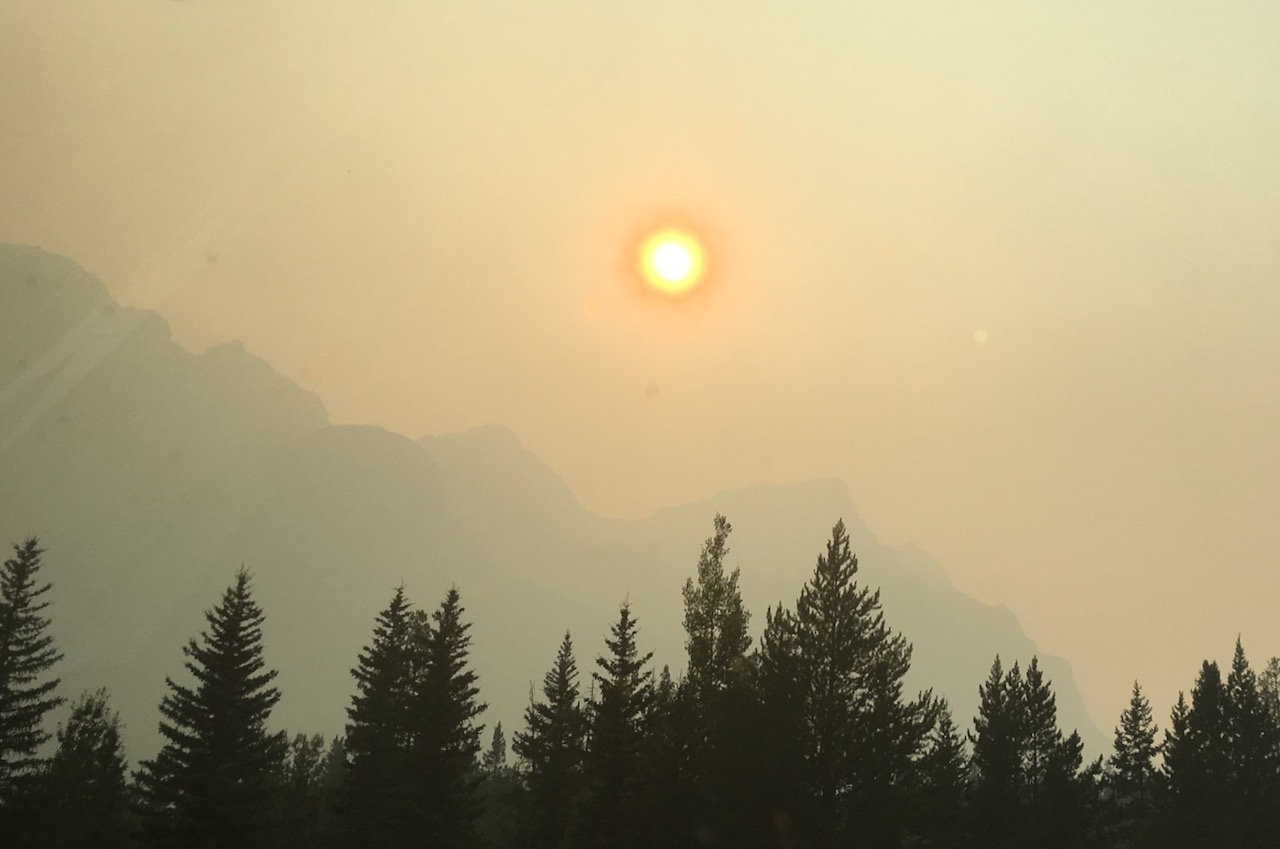
By Tuesday, the fire had gained significant momentum, fueled by a combination of steep topography, high-altitude winds, and a legacy of dry timber in the Tushar range. As the blaze moved eastward and upward toward the higher elevations of the resort, it encountered "ladder fuels"—underbrush and low-hanging branches—that allowed the fire to transition from a ground fire to a high-intensity crown fire. By Wednesday afternoon, reports from KUTV2 News and local emergency management indicated that the fire had nearly doubled in size within a 24-hour window, surging toward the 60,000-acre mark. This explosive growth created a massive pyrocumulus cloud visible from dozens of miles away, signaling the extreme heat and energy being generated by the conflagration.
Impact on Eagle Point Resort and Local Infrastructure
The most significant structural casualties of the Cottonwood Fire to date have occurred at Eagle Point Resort. Situated in the Tushar Mountains at an elevation reaching over 9,000 feet, the resort is a cornerstone of the central Utah tourism economy. Early assessments confirmed that several structures within the resort’s perimeter have been lost to the flames. While the specific nature of these buildings—whether guest lodges, maintenance facilities, or private residences—is still being tallied, the damage represents a major blow to the facility which has operated since the 1970s.
Eagle Point is a boutique destination featuring 650 acres of skiable terrain, 43 runs, and five lifts. Its location in the Tushar Mountains makes it the highest resort in Utah in terms of base elevation, a factor that usually ensures a long snow season but, in this instance, presented a nightmare scenario for fire crews dealing with thin air and rugged, inaccessible slopes.
The fire’s proximity to State Route 153 has necessitated a total closure of the highway, a vital artery for the region. Furthermore, the destruction of utility poles and the proactive de-energization of lines to prevent further ignitions have left significant portions of Beaver County without power. Mandatory evacuation orders were issued early in the week for all residents and visitors in the Eagle Point area, as well as those residing in the nearby canyons and lower-lying campgrounds.
Firefighting Strategies and Containment Challenges
The zero percent containment figure reported on Wednesday underscores the extreme difficulty faced by the hundreds of personnel currently assigned to the incident. Firefighting in the Fishlake National Forest is notoriously difficult due to the "chimney effect" of the mountain canyons, where heat and wind are funneled upward, creating unpredictable fire behavior.
Current strategies involve a mix of aerial and ground-based assaults. Heavy air tankers have been deployed to drop retardant along the ridges surrounding the resort in an attempt to create a "line in the sand," while helicopters utilize local water sources for targeted drops on hot spots. On the ground, "hotshot" crews are working to hand-cut fire lines in areas where bulldozers cannot navigate the steep terrain. However, the sheer speed of the Cottonwood Fire’s expansion has meant that many crews are focused primarily on point protection—defending specific buildings and infrastructure—rather than attempting to ring the entire perimeter of the massive blaze.
The lack of containment is also attributed to the "fuel loading" in the Tushar Mountains. Decades of fire suppression, combined with recent periods of drought, have left the forest floor thick with combustible material. When the human-caused spark occurred at the Cottonwood Campground, it met an environment perfectly primed for a large-scale event.
Official Responses and Community Impact
In a formal press release, the management of Eagle Point Resort emphasized that life safety remains the paramount concern. "The safety of our guests, homeowners, employees, and community remains our highest priority," the statement read. The resort confirmed that it has fully complied with all evacuation orders and is maintaining a direct line of communication with the United States Forest Service (USFS) and the Beaver County Sheriff’s Office.
Shane Gadbaw, the owner of Eagle Point, expressed his gratitude for the emergency responders risking their lives in the high-altitude terrain. "We are incredibly grateful for the dedication and bravery of the men and women on the front lines of this emergency," Gadbaw stated. "Their efforts are making a tremendous difference, and our thoughts remain with everyone affected by the fire."
The resort has instructed all guests with upcoming summer reservations to contact their guest services department for cancellations or rescheduling. For the local community of Beaver and surrounding towns, the fire represents more than just a physical threat; it is an economic crisis. Eagle Point and the Fishlake National Forest are primary drivers of summer recreation revenue, including mountain biking, hiking, and fishing, all of which have been halted indefinitely.
Environmental and Long-Term Implications
The ecological impact of a 60,000-acre fire in the Fishlake National Forest will be felt for decades. The Tushar Mountains are home to diverse wildlife, including one of the largest herds of mountain goats in Utah, as well as elk, mule deer, and black bears. The destruction of vast swaths of habitat will force these populations into lower elevations, potentially leading to increased human-wildlife conflicts.

Furthermore, the loss of vegetation on the steep slopes of the Tushar range creates a secondary risk: post-fire debris flows. Once the fire is eventually extinguished, the "burn scar" will be highly susceptible to erosion. During Utah’s monsoon season, heavy rains on charred soil can trigger massive mudslides and floods, which could further damage State Route 153 and the watersheds that provide water to the agricultural valleys below.
The "human-caused" nature of the fire has also reignited a statewide debate regarding fire safety and the enforcement of camping regulations. As Utah continues to experience hotter and drier summers, the margin for error in forest recreation has narrowed significantly. Forest Service officials have reminded the public that even a small spark from a dragging trailer chain or a poorly extinguished fire can result in a disaster of this magnitude.
Analysis of the Regional Wildfire Trend
The Cottonwood Fire is part of a broader, more alarming trend of high-intensity wildfires in the Great Basin and the Intermountain West. While lightning has historically been the primary driver of high-altitude fires, the increasing frequency of human-caused ignitions in remote areas is stretching firefighting resources thin.
The scale of the Cottonwood Fire—nearly 60,000 acres in just a few days—is a testament to the "new normal" of wildfire behavior, where fires grow faster and burn hotter than historical precedents. For ski resorts like Eagle Point, which are often located at the end of single-access roads surrounded by dense forest, the fire represents an existential threat to the mountain resort business model.
As of Thursday morning, fire officials are preparing for another day of high temperatures and low humidity. The focus remains on securing the perimeter near Eagle Point and preventing the fire from cresting the ridges into the neighboring valleys. While no fatalities have been reported, the loss of property and the vast destruction of the Fishlake National Forest mark the Cottonwood Fire as one of the most significant and devastating incidents in Utah’s recent history. The investigation into the specific cause continues, with authorities urging anyone with information regarding activity at the Cottonwood Campground on the day of the ignition to come forward.

