
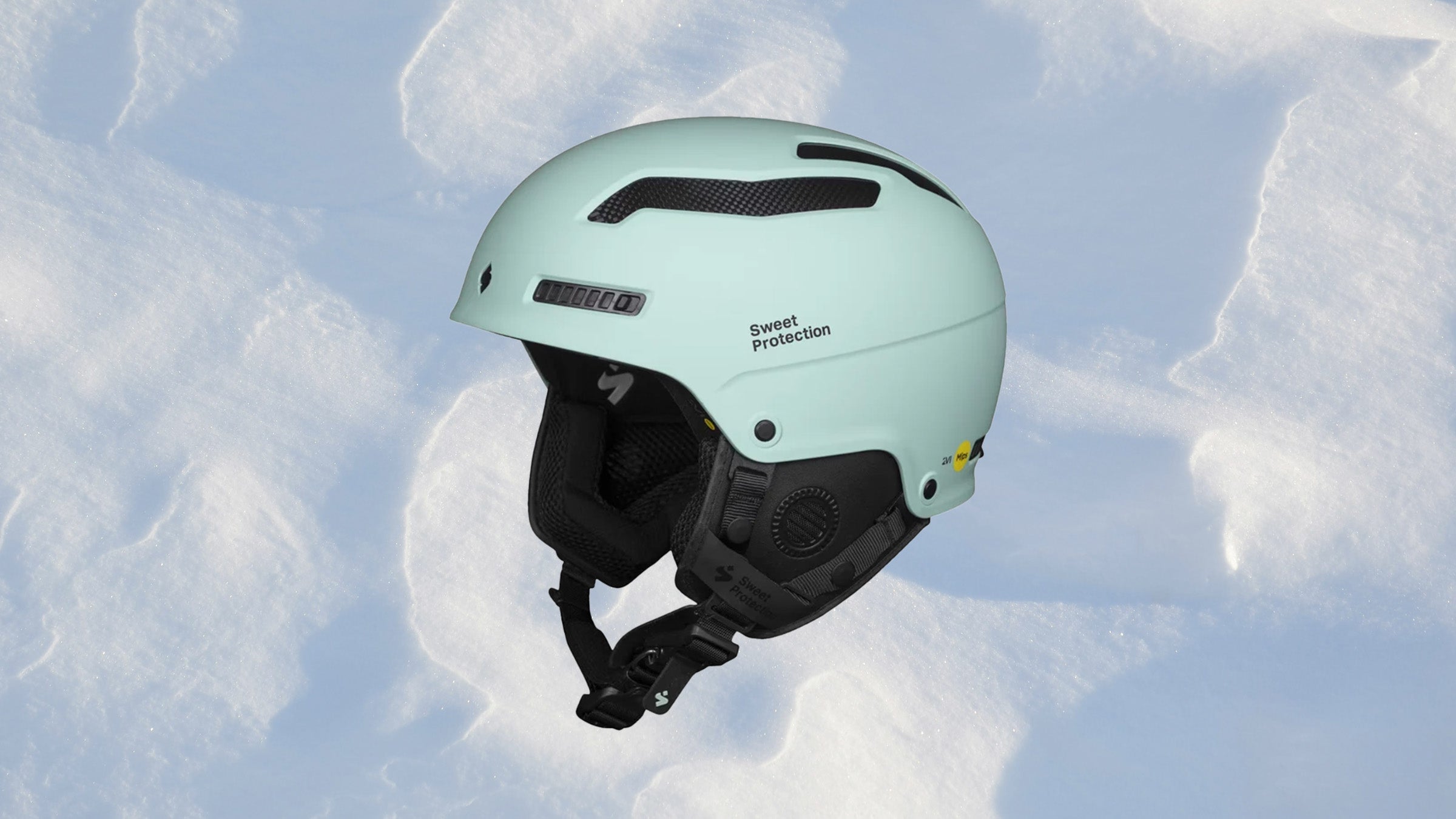
The ski industry is currently observing a significant market event as the Sweet Protection Trooper 2Vi MIPS helmet, a leading contender in advanced head protection, has been made available at a 50 percent discount, reducing its price from $320 to $160. This rare off-season promotion, active as of April 20, 2026, on platforms such as Evo.com, represents a critical juncture for consumers considering an upgrade to their safety gear. The substantial price reduction places a helmet previously positioned at the high end of the market into a price bracket typically occupied by mid-tier or even budget options, effectively democratizing access to superior ski safety technology.
The Significance of Premium Helmet Technology
For many years, the investment required for top-tier ski helmets, often exceeding $300, has been a significant barrier for a segment of the skiing and snowboarding community. While the paramount importance of head protection is universally acknowledged within snow sports, the economic realities often lead consumers to opt for more affordable alternatives that may not incorporate the latest advancements in impact mitigation. The current discount on the Sweet Protection Trooper 2Vi MIPS helmet directly addresses this dilemma, enabling skiers and snowboarders to acquire a product that integrates cutting-edge safety features without the previously prohibitive cost.
The Sweet Protection Trooper 2Vi MIPS helmet is not merely an expensive piece of gear; it represents the culmination of extensive research and development in head protection. Its core safety architecture combines several advanced elements designed to protect against various types of impacts encountered in skiing. Central to its design is the Multi-directional Impact Protection System (MIPS), a technology that has become a benchmark for rotational impact protection in helmets across various sports. MIPS works by allowing a low-friction layer inside the helmet to slide relative to the outer shell during an angled impact, thereby redirecting harmful rotational energy that can cause significant brain injury.
Beyond MIPS, the Trooper 2Vi incorporates a multi-density liner. This sophisticated internal structure comprises different densities of expanded polystyrene (EPS) or expanded polypropylene (EPP) foam, strategically placed to absorb varying levels of impact force. Firmer foams might be used in areas expected to withstand higher energy impacts, while softer foams provide cushioning and absorption for less severe blows. This multi-density approach ensures a more comprehensive and effective energy management system than single-density liners, optimizing protection across a broader spectrum of potential crash scenarios.
Further enhancing its protective capabilities is the helmet’s carbon-reinforced shell. Carbon fiber, known for its exceptional strength-to-weight ratio, is integrated into the outer shell construction. This reinforcement significantly increases the shell’s resistance to penetration and structural integrity upon impact, ensuring that the helmet maintains its protective shape and dissipates forces effectively without adding excessive bulk or weight. The result is a helmet that provides a low-profile aesthetic while delivering high-end protection, a balance that is highly sought after by discerning users.
Independent Verification and User Experience
The efficacy of the Sweet Protection Trooper 2Vi MIPS helmet is not solely a matter of manufacturer claims. It has received a 4-star rating from Virginia Tech’s independent helmet testing laboratory, a highly respected institution known for its rigorous and objective evaluations of helmet safety. Virginia Tech’s ratings system provides consumers with an unbiased, data-driven assessment of a helmet’s ability to reduce the risk of head injury, making such endorsements a crucial factor in purchasing decisions. A 4-star rating signifies a very good level of protection, affirming the helmet’s superior safety performance in controlled testing environments.
Beyond its safety credentials, the helmet is engineered for an optimal user experience, acknowledging that a helmet’s protective value is only realized if it is consistently worn. Key features contributing to its wearability include a highly adjustable fit system, which allows users to customize the helmet’s snugness and position for comfort and stability throughout the day. Ventilation systems with easy-to-operate open and close mechanisms enable quick temperature regulation, preventing overheating during strenuous activity or allowing for warmth retention in colder conditions. The magnetic chin buckle represents a significant convenience feature, permitting effortless fastening and unfastening even while wearing thick gloves, a common practical challenge for skiers. These design elements collectively ensure that the helmet remains comfortable and unobtrusive, encouraging all-day wear.
Evolution of Ski Helmet Safety and Adoption
The widespread adoption of ski helmets is a relatively recent phenomenon, tracing its roots back to the late 20th and early 21st centuries. In the early days of skiing, helmets were primarily worn by professional racers, with recreational skiers largely foregoing head protection. However, a growing awareness of brain injuries, coupled with tragic high-profile incidents involving skiers, spurred a concerted effort by safety organizations, medical professionals, and industry stakeholders to promote helmet use.
Chronology of Key Developments in Ski Helmet Safety:
- 1970s-1980s: Helmets primarily for competitive racers; limited recreational use.
- Early 1990s: Growing awareness of head injuries in sports; initial efforts to introduce recreational helmets. ASTM (American Society for Testing and Materials) and CE (Conformité Européenne) standards begin to emerge for snow sports helmets.
- Late 1990s – Early 2000s: Public awareness campaigns gain traction. Adoption rates slowly increase, particularly among children. Celebrities and professional athletes increasingly seen wearing helmets.
- Mid-2000s: Several high-profile ski accidents involving head injuries further elevate public discourse and accelerate adoption. Mandatory helmet laws for children in some jurisdictions.
- 2007: Introduction of MIPS technology, initially in cycling helmets, later adapted for snow sports, revolutionizing rotational impact protection.
- 2010s: MIPS becomes a widely recognized and sought-after safety feature. Independent testing labs like Virginia Tech begin publishing objective helmet ratings, providing consumers with data-driven choices.
- 2020s: Continued innovation in materials (e.g., carbon composites, multi-density liners), fit systems, and integration with other gear like goggles. Helmet usage rates in North America and Europe exceed 80-90% for recreational skiers and snowboarders.
This timeline illustrates a clear trajectory towards prioritizing safety and innovation. The industry’s response, driven by both consumer demand and a commitment to injury prevention, has led to significant advancements, with technologies like MIPS becoming standard in premium offerings.
Supporting Data: Impact of Helmet Use on Injury Rates
Statistical data unequivocally supports the efficacy of ski helmets in preventing and mitigating head injuries. According to studies conducted by the National Ski Areas Association (NSAA) in the United States and similar bodies internationally, helmet use has been directly correlated with a reduction in the incidence and severity of head injuries among skiers and snowboarders.
- Injury Reduction: Research consistently shows that helmets reduce the risk of head injury by 30-50%. While helmets cannot prevent all head injuries, especially those involving severe rotational forces or extreme impacts, they significantly reduce the risk of concussion and more critical traumatic brain injuries (TBIs).
- Concussion Mitigation: Even in cases where concussions still occur, helmet use can lessen the severity of the concussion and reduce the likelihood of loss of consciousness.
- Fatalities: Studies indicate that helmet use can reduce the risk of fatal head injuries by as much as 35-50%.
- Adoption Rates: The NSAA’s annual surveys consistently show high helmet usage rates, often exceeding 90% for children and over 85% for adults across North American ski resorts. This widespread adoption is a testament to successful safety campaigns and the increasing availability of comfortable, effective helmets.
Despite these positive trends, head injuries remain a concern in snow sports. The dynamic nature of skiing and snowboarding, involving high speeds, varied terrain, and potential collisions, means that advanced protective gear is not merely an accessory but a fundamental component of responsible participation.
Market Dynamics and Off-Season Sales Strategies
The current discount on the Sweet Protection Trooper 2Vi MIPS helmet is characteristic of off-season retail strategies within the outdoor gear industry. Retailers and manufacturers utilize these periods, typically in spring and summer, to clear out current year inventory to make way for new models slated for release in the upcoming fall and winter seasons. This practice serves multiple purposes:
- Inventory Management: Efficiently moves unsold stock, preventing warehousing costs and freeing up capital.
- Demand Stimulation: Generates sales during periods of otherwise low consumer interest for seasonal products.
- Brand Loyalty: Offers consumers an opportunity to acquire premium products at reduced prices, potentially fostering brand loyalty and attracting new customers who might otherwise be priced out of a specific brand or product tier.
- Market Share: Aggressive pricing on high-value items can capture market share from competitors.
For consumers, off-season sales represent the optimal time to invest in high-quality gear at significantly reduced prices. This timing allows for thoughtful purchasing decisions, away from the rush of the peak season, and ensures preparedness for the next winter.
Official Responses and Industry Perspectives (Inferred)
While no specific official statements from Sweet Protection or Evo.com regarding this particular sale are publicly available beyond the promotional listing, the general stance of premium helmet manufacturers and retailers can be inferred:
- Sweet Protection (Manufacturer): A company like Sweet Protection, known for its commitment to safety and innovation, would likely view such a sale as an opportunity to broaden the reach of its advanced safety technology. Their mission is to "protect the unprotected," and making a top-tier helmet more affordable aligns with this philosophy. They would emphasize that even at a reduced price, the helmet delivers the full, uncompromising safety features developed through extensive R&D.
- Evo.com (Retailer): As a major outdoor gear retailer, Evo.com’s strategy is to offer a wide range of products, including premium items, and to leverage sales to attract customers. Their implicit statement through such a deal is to provide value to their customer base, allowing them to access high-quality gear that might otherwise be out of reach. They would highlight the deal as a "rare opportunity" to upgrade, aligning with their role as a trusted source for gear.
- Ski Safety Organizations (e.g., NSAA, national ski federations): From the perspective of organizations dedicated to promoting safety in snow sports, any initiative that makes advanced safety equipment more accessible is a positive development. They would likely applaud such discounts as contributing to their overarching goal of reducing injuries on the slopes by encouraging greater adoption of helmets with superior protective capabilities.
Broader Impact and Implications
The discount on the Sweet Protection Trooper 2Vi MIPS helmet carries several broader implications for consumers, the ski industry, and safety advocacy:
- Enhanced Consumer Safety: The most direct impact is the potential for a greater number of skiers and snowboarders to upgrade to a helmet offering superior protection. By lowering the financial barrier, the deal enables individuals to benefit from technologies like MIPS and carbon reinforcement, which are designed to offer a higher degree of safety against a wider range of impact forces. This could contribute to a marginal but significant reduction in the severity of head injuries on the slopes.
- Shifting Consumer Expectations: Such a substantial discount on a premium product might recalibrate consumer expectations regarding the cost of advanced safety gear. While seasonal sales are common, a 50% reduction on a flagship product could set a precedent, potentially leading consumers to anticipate similar deals in the future, influencing their purchasing timelines.
- Competitive Landscape: For other helmet manufacturers, particularly those in the mid-tier segment, this aggressive pricing by a premium brand could exert competitive pressure. It forces competitors to either enhance their own offerings, adjust their pricing strategies, or focus more intently on differentiating features beyond pure safety technology.
- Brand Perception: For Sweet Protection, the sale reinforces its image as a brand committed to innovation and safety, demonstrating that its advanced technology can be made accessible. It allows a broader audience to experience the quality and features typically associated with its premium price point.
- Encouraging Upgrades: Beyond first-time buyers, the deal strongly encourages existing helmet users to consider upgrading from older models or basic helmets that may lack features like MIPS or advanced shell constructions. As helmet technology continually evolves, an upgrade can mean a significant improvement in protective capability.
- Sustainability and Lifecycle: From an environmental perspective, encouraging the purchase of durable, high-quality gear can contribute to a longer product lifecycle, potentially reducing the frequency of replacement and associated waste, though this is a secondary consideration to safety.
In conclusion, the substantial off-season discount on the Sweet Protection Trooper 2Vi MIPS helmet represents more than just a retail promotion. It signifies a strategic move within the snow sports industry to enhance safety accessibility, offering consumers an unparalleled opportunity to invest in top-tier head protection. This event underscores the ongoing evolution of ski helmet technology, the critical role of independent safety verification, and the dynamic interplay of market forces in making advanced safety solutions more attainable for the broader skiing and snowboarding community. As the industry looks towards future seasons, the impact of such promotions on consumer behavior and safety standards will continue to be a focal point of observation and analysis.

