
A legal challenge is currently underway in Wyoming that could have significant implications for the management and regulation of National Parks across the United States. The core of the dispute centers on whether individuals hired, rather than appointed by Congress, possess the constitutional authority to enact and enforce regulations within these protected federal lands. The Pacific Legal Foundation, representing Yellowstone National Park visitor Tate Pulliam, is spearheading this argument, asserting that such regulations are invalid and that their enforcement constitutes an unconstitutional overreach of power.
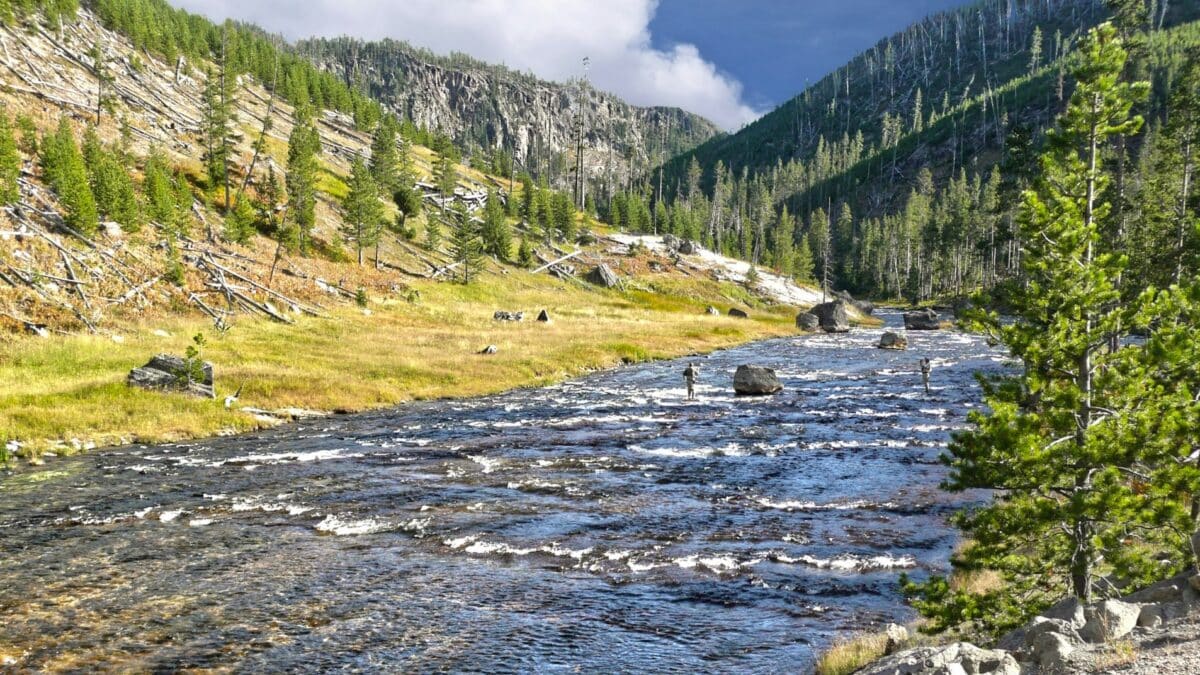
The case originated from an incident in December 2025, when Tate Pulliam visited Yellowstone National Park. At that time of year, much of the park’s road infrastructure is closed to conventional vehicles, with access typically restricted to over-snow transportation methods like snowmobiles. Pulliam reportedly drove on a road designated exclusively for over-snow vehicles to access a river where fishing was prohibited. He was subsequently cited for three violations, including fishing without a permit and using a restricted road. The authority to create and enforce these specific rules, according to the defense, rests with a park superintendent – a position filled by a long-term employee hired through administrative channels, not directly appointed by elected officials.
The Constitutional Argument: The Appointments Clause at the Forefront
The legal team representing Tate Pulliam, under the umbrella of the Pacific Legal Foundation, has filed a motion to dismiss the charges. Their central contention is rooted in Article II, Section 2 of the U.S. Constitution, specifically the Appointments Clause. This clause dictates that principal officers of the United States, those who exercise significant executive authority, must be appointed by the President with the advice and consent of the Senate. While Congress can delegate the power to appoint "inferior officers" to the President, department heads, or the courts, the Pacific Legal Foundation argues that National Park Service superintendents, in their role of creating and enforcing regulations that carry criminal penalties, function as principal officers and therefore require direct appointment by Congress.

The National Park Service Organic Act of 1916, the foundational legislation for the park system, empowers the Secretary of the Interior to oversee park operations. The Secretary, who is a presidential appointee confirmed by the Senate, in turn delegates authority to subordinates, including park superintendents. The defense argues that this delegation chain is unconstitutional when it extends to the creation and enforcement of criminal statutes by individuals not appointed through the constitutionally prescribed process. Their motion states, "Leading up to the Founding, one of the great causes of arbitrary governance was the English monarch’s uncontrolled appointment of officers who then wielded tremendous power against the people. The problem was so great that it was listed among the grievances of the Declaration of Independence (which says the king) ‘has erected a multitude of New Offices, and sent hither swarms of Officers to harass our people, and eat out their substance.’"
Historical Precedent and Parallel Cases
This legal challenge draws parallels to a previous case involving professional trail runner Michelino Sunseri. In November 2025, Sunseri was charged after taking a detour during a Fastest Known Time (FKT) attempt in Grand Teton National Park. The Pacific Legal Foundation also represented Sunseri in that instance. Following his conviction, Sunseri received a presidential pardon. The current case is scheduled to be heard by Magistrate Judge Stephanie Hambrick of the U.S. District Court for Wyoming, the same judge who presided over the Sunseri case. This shared judicial oversight has led to speculation that a pardon might again be a potential outcome, though the primary focus of the current legal proceedings is the constitutionality of the regulations themselves.
The Nature of the Alleged Violations
Tate Pulliam’s alleged violations occurred during a period when Yellowstone National Park operates under specific seasonal restrictions. In December, access to many areas is limited to ensure visitor safety and to protect fragile ecosystems from the impacts of heavy vehicle traffic. The use of over-snow vehicles is a carefully managed aspect of winter recreation, intended to preserve the park’s natural character. Fishing regulations, including the requirement for permits and adherence to designated fishing seasons and locations, are in place to manage fish populations sustainably and to prevent ecological damage. The prosecution contends that Pulliam violated these established rules, which are designed to protect the park’s resources and ensure the safety of its visitors.
Potential Ramifications and Broader Implications
If the court sides with the Pacific Legal Foundation, the implications for the National Park Service could be far-reaching. A ruling in favor of Pulliam would necessitate a re-evaluation of how regulations are created and enforced across all National Parks. It could lead to a significant bureaucratic overhaul, potentially requiring a new appointment process for park superintendents and other key personnel involved in regulatory enforcement. This process, proponents of the challenge argue, would align the park system more closely with constitutional principles.
However, critics of this legal strategy raise concerns about the practical feasibility and potential negative consequences. A requirement for congressional appointment of numerous park officials could lead to lengthy confirmation processes, politicization of park management, and significant delays in addressing pressing park issues. The National Park Service, already facing challenges related to underfunding and staffing shortages, might find its operational capacity severely hampered. Furthermore, the argument that only congressionally appointed individuals can enforce laws could create a loophole for individuals seeking to circumvent established park rules, potentially impacting visitor safety and resource protection.
Official Stance and Context
While the Pacific Legal Foundation is vocal about its legal arguments, official statements from the National Park Service or the Department of the Interior regarding this specific case have not been widely publicized. However, the general stance of federal agencies is to uphold the authority granted to them by Congress through legislation such as the Organic Act. Park superintendents are empowered to manage park resources and visitor activities, and their regulations are typically viewed as legitimate exercises of this delegated authority. The legal team representing the park, as reported by Cowboy State Daily, believes the superintendent acted legally and within the scope of his appointed duties.
Analysis of the Legal Landscape
The legal argument hinges on a strict interpretation of the Appointments Clause and its application to administrative positions within the executive branch. The defense is leveraging historical concerns about unchecked executive power, as articulated during the nation’s founding, to argue for a more robust congressional role in the appointment of officials who wield significant regulatory authority. The prosecution, conversely, will likely argue that the Secretary of the Interior’s authority is constitutionally sound and that the delegation of rulemaking power to park superintendents is a necessary and practical means of managing the vast and complex National Park System.
The outcome of this case could set a significant precedent, potentially reshaping the balance of power between the legislative and executive branches in the administration of federal lands. It highlights the ongoing tension between efficient governance and strict adherence to constitutional mandates, particularly in areas where administrative discretion intersects with individual liberties and public access. The case is set to be heard starting May 12th, and its resolution will be closely watched by legal scholars, park advocates, and the public alike.

The full motion to dismiss filed by the Pacific Legal Foundation is available for public review, offering a detailed exposition of their legal reasoning and the historical context they believe is relevant to the case.
Image Credits:
- Top Image: Pascal Bernardon (Unsplash)
- Park Map: Yellowstone National Park (NPS.gov)

