
Yellowstone National Park has enacted comprehensive fishing closures on several of its most celebrated rivers, including the Firehole, Madison, and Gibbon, effective July 15th. This decisive action follows alarming reports of dead trout and dangerously elevated water temperatures, posing a severe threat to the park’s native and wild trout populations. The closures, which are currently indefinite, underscore the profound impact of climate change on delicate aquatic ecosystems within one of America’s most treasured natural landscapes.
The park’s management has stated that daytime water temperatures in these rivers have consistently reached between 80 and 86 degrees Fahrenheit. These extreme conditions, exacerbated by a persistent heatwave, are proving lethal to cold-water species like trout. The Firehole River, in particular, has already witnessed a noticeable number of fish deaths, prompting park officials to take immediate and stringent measures to prevent further ecological damage.
This escalation in restrictions follows an earlier, less severe measure implemented on July 9th. At that time, park officials had restricted fishing to only the early morning and late afternoon hours—from sunrise until 2 p.m.—on the Firehole and Madison rivers and their associated tributaries. This initial step was a proactive effort to mitigate stress on the fish during the peak heat of the day, a common practice in fisheries management when water temperatures begin to approach critical thresholds. However, the continued rise in temperatures and the grim reality of fish mortality necessitated the current, more comprehensive closure.
A Timeline of Escalating Concerns
The decision to fully close fishing access to the Firehole, Madison, and Gibbon rivers is the culmination of a rapidly deteriorating situation driven by unseasonably warm weather. For weeks, the Greater Yellowstone Ecosystem has experienced above-average temperatures. As early as July 9th, when the afternoon closures were first announced, water temperatures in these popular fishing destinations had already exceeded 68 degrees Fahrenheit, a threshold often considered the upper limit for optimal trout health. Simultaneously, river flows had receded to their seasonal lows, further concentrating warmer water and reducing dissolved oxygen levels essential for aquatic life.
Park officials had issued a clear warning at the time of the initial restrictions: further closures would be implemented if conditions did not improve or worsened. The subsequent heatwave and sustained high temperatures unfortunately proved this warning presageful. The current closures represent Yellowstone’s commitment to prioritizing the long-term health of its fish populations over recreational access when the ecosystem is under severe duress.
The Science Behind the Closures: Lethal Temperatures and Ecological Impact
Trout, particularly the native cutthroat and wild brown and rainbow trout found in Yellowstone’s rivers, are highly adapted to cold, well-oxygenated water. Their optimal temperature range typically falls between 50 and 65 degrees Fahrenheit. When water temperatures consistently exceed 70 degrees Fahrenheit, trout experience significant physiological stress. This stress can lead to reduced immune function, decreased feeding, and increased susceptibility to disease. At temperatures approaching and exceeding 80 degrees Fahrenheit, these effects are amplified, leading to widespread mortality.
The problem is compounded by lower river flows. During hotter periods, less water is available, meaning any heat absorbed by the water has a more pronounced effect on its overall temperature. Furthermore, warmer water holds less dissolved oxygen, which is vital for fish respiration. The combination of high temperatures and low dissolved oxygen creates a deadly environment for trout.
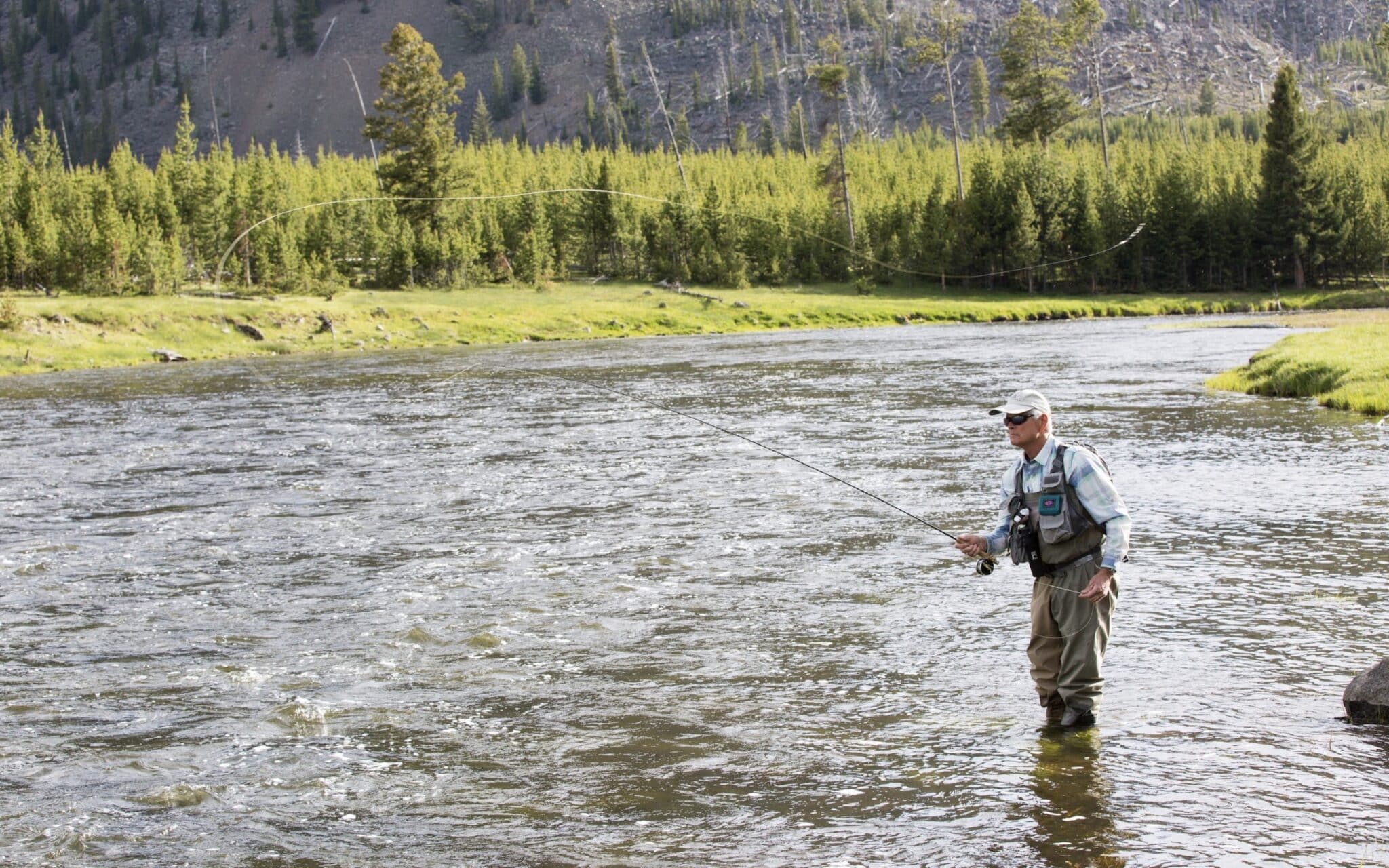
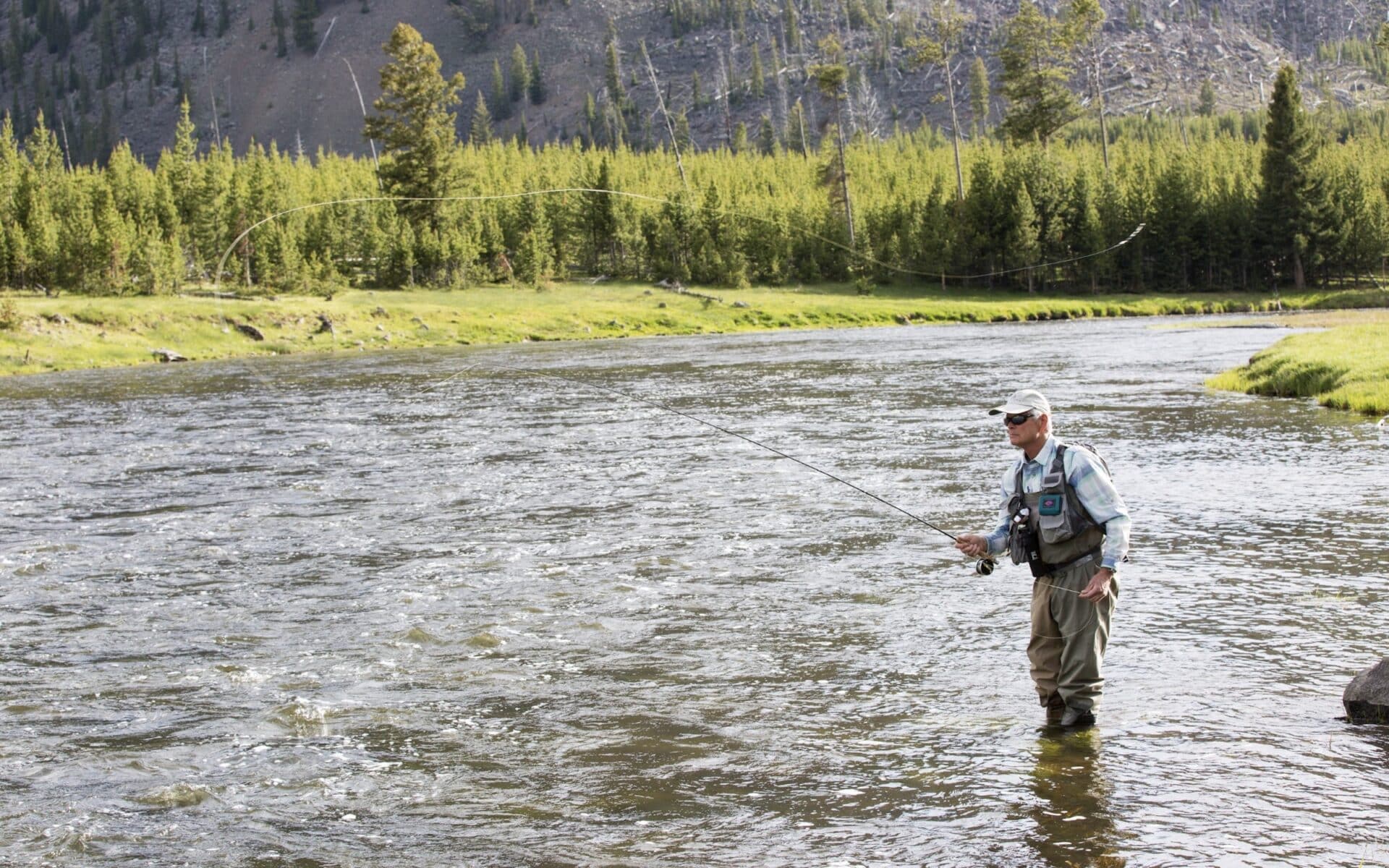
The specific rivers affected are renowned for their exceptional fly-fishing opportunities. The Madison River, a celebrated tailwater fishery, is known for its large brown and rainbow trout. The Firehole River, with its geothermal influence, offers a unique fishing experience but is also particularly susceptible to temperature fluctuations. The Gibbon River, a tributary of the Madison, is another vital habitat for these species. The closure of these waterways represents a significant loss of access for anglers and a critical conservation measure for the park.
Official Statements and Conservation Imperatives
While specific quotes from park officials were not provided in the initial report, the decision to implement full closures signals a strong stance on conservation. Yellowstone National Park has a long-standing mandate to protect its natural resources, and its fisheries are a cornerstone of that mission. Park managers are tasked with balancing recreational opportunities with the imperative to preserve the integrity of the park’s ecosystems. In situations of extreme environmental stress, the preservation of native wildlife and aquatic life takes precedence.
The park’s monitoring efforts are continuous. Staff are constantly evaluating water temperature, flow rates, dissolved oxygen levels, and fish health to inform management decisions. The current closures are not punitive but are a necessary response to an ecological crisis. The decision to reopen these sections of river will be based solely on the return of conditions conducive to trout survival, a process that is dependent on cooler weather patterns and potentially increased precipitation to bolster river flows.
Broader Implications: Climate Change and Ecosystem Resilience
The situation in Yellowstone is a microcosm of a larger global trend. Warming temperatures, driven by climate change, are increasingly impacting aquatic ecosystems worldwide. Rivers and lakes are experiencing higher temperatures, altered flow regimes, and increased frequency of extreme weather events. This poses a significant challenge for fisheries management and conservation efforts.
For Yellowstone, a park that attracts millions of visitors annually, such closures can have economic implications for local communities that rely on tourism, including the angling sector. However, the long-term economic and ecological value of a healthy fish population and a thriving natural environment far outweighs the short-term impact of temporary closures.
The early opening of these rivers in the spring, an attempt to capitalize on cooler conditions and extend the fishing season, highlights the dynamic nature of park management in the face of evolving environmental challenges. While that decision provided welcome opportunities for anglers earlier in the year, it also underscores the unpredictable shifts in weather patterns that can rapidly alter the conditions for aquatic life.
Looking Ahead: Monitoring and Future Access
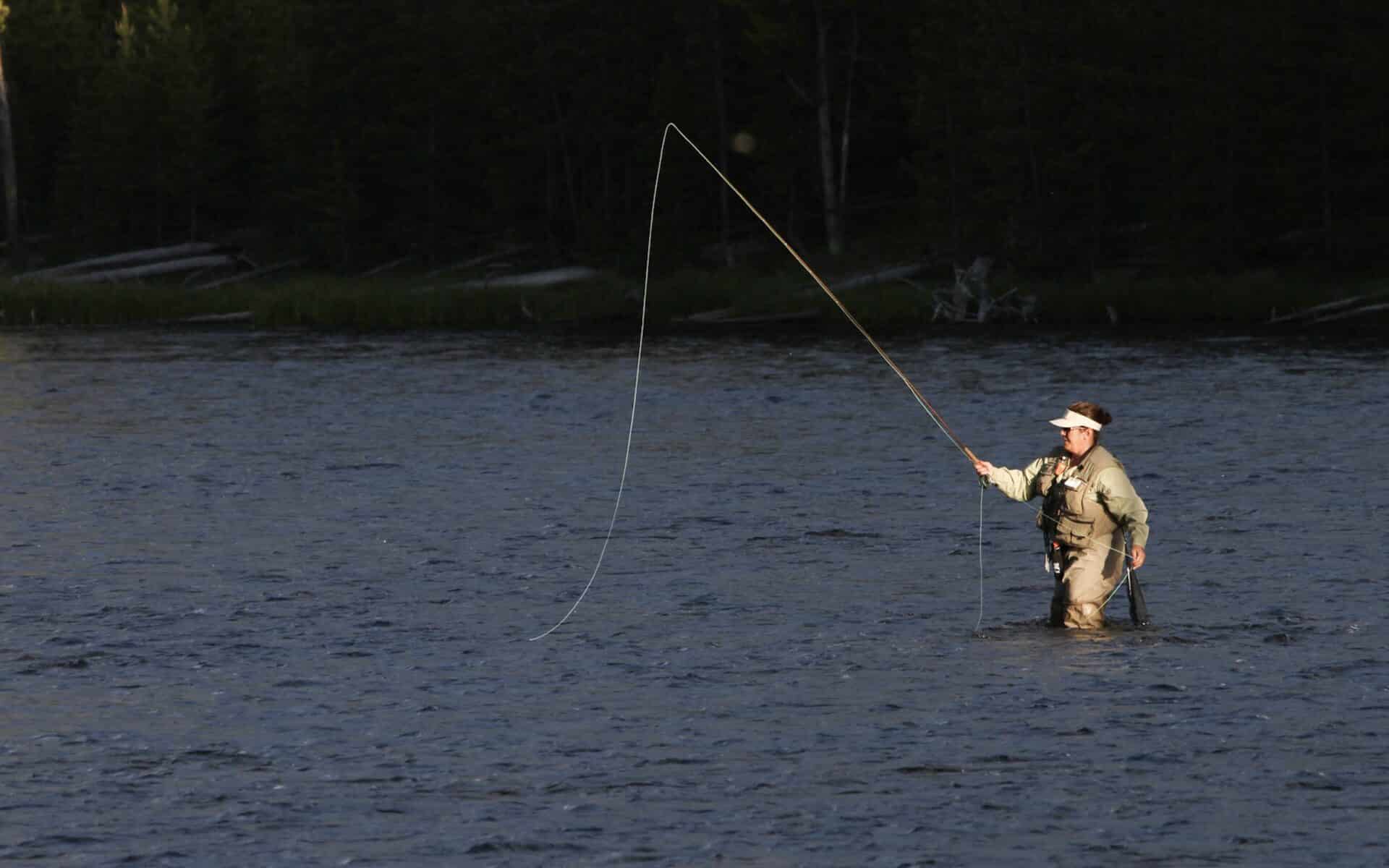
Park officials have indicated that fishing restrictions could be lifted, extended, or further expanded depending on how conditions evolve. Anglers planning trips to Yellowstone are strongly advised to check the official park website and consult with park rangers for the most up-to-date information on fishing regulations and river conditions.
The current closures serve as a stark reminder of the vulnerability of natural systems to climate change. Yellowstone’s proactive management, while impacting recreational opportunities, demonstrates a commitment to safeguarding its iconic wild trout fisheries for future generations. The hope is that a return to more temperate weather will allow these vital waterways to recover, and that the park’s efforts will ultimately ensure the continued health and abundance of its world-renowned aquatic life. The park’s extensive lakes, including the vast Yellowstone Lake, remain open to fishing under existing regulations, offering alternative opportunities for anglers while the riverine ecosystems undergo their critical recovery period.

