
The International Olympic Committee (IOC) has officially removed Nordic combined from the program for the 2030 Olympic Winter Games in the French Alps, marking a seismic shift in the landscape of winter sports and concluding a discipline’s unbroken presence in the Games since their inception in 1924. The decision, announced by the IOC Executive Board, comes after a comprehensive global popularity study conducted during the Milano Cortina 2026 Games, which analyzed 14 key indicators across broadcast coverage, digital media engagement, public interest, ticketing, and media presence in over 50 international markets. While the inclusion of Freeride skiing and snowboarding for Alpes 2030 was met with enthusiasm, the exclusion of Nordic combined signals a strategic recalibration by the IOC to align the Olympic program with evolving global viewership and participation trends.
A Deep Dive into the Decision: Data and Rationale
The IOC’s decision is underpinned by a rigorous evaluation of Nordic combined’s performance against these critical metrics. The study revealed that Nordic combined consistently ranked at the bottom among all Winter Games disciplines over the past four Olympic editions, dating back to Sochi 2014. At the Milano Cortina 2026 Games, the sport reportedly finished last in 11 out of the 14 measured indicators. This lack of broad appeal was further evidenced by the fact that only a limited number of National Olympic Committees (NOCs) have secured medals in Nordic combined events during this period. This suggests a significant concentration of competitive success and, by extension, potentially fan engagement, within a small geographical or national cluster, a factor that the IOC is increasingly scrutinizing in its program selection process.
Historical Context: A Pillar of Winter Sports
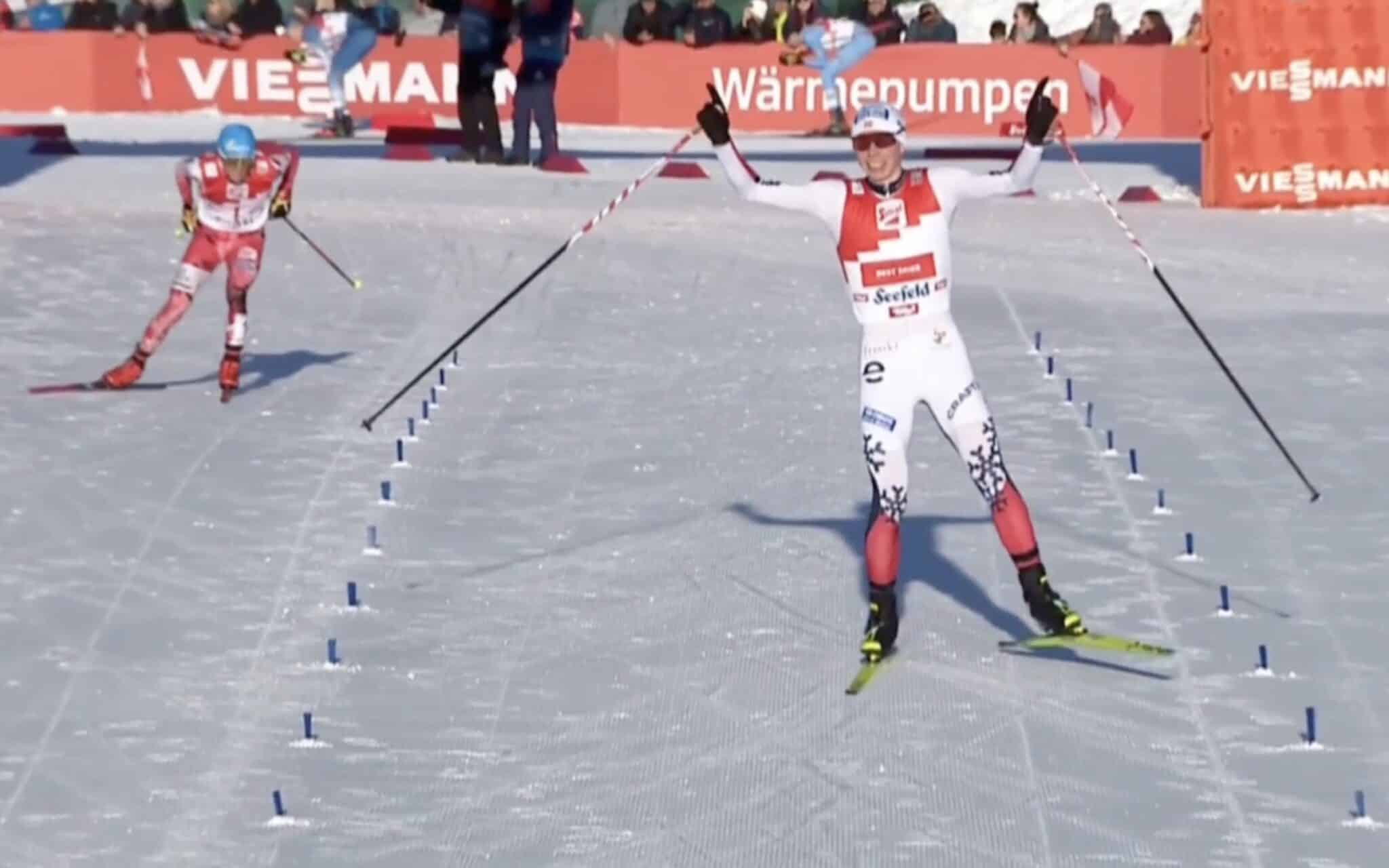
Nordic combined holds a distinguished place in the history of the Olympic Winter Games. Its inclusion in the inaugural Chamonix Games in 1924 cemented its status as a foundational discipline, embodying a unique blend of athleticism that tests both aerial prowess and endurance. The sport traditionally comprises two events: ski jumping, where athletes demonstrate technique and distance, and cross-country skiing, a demanding test of aerobic capacity and tactical racing. This dual-discipline format has long been admired for its comprehensive challenge to athletes, demanding mastery across distinct yet complementary skill sets. For over a century, it has been a consistent fixture, offering a narrative of perseverance and versatility.
The Women’s Inclusion Conundrum and Past Rejections
A significant aspect of the recent discussions surrounding Nordic combined has been the long-standing absence of women’s events. While men’s Nordic combined has been an Olympic staple since 1924, women were only introduced to international competition in recent years. The International Ski and Snowboard Federation (FIS) has actively advocated for the inclusion of women’s events, recognizing the growing participation and talent pool. However, this push faced obstacles at the Olympic level. In 2022, the IOC declined to include women’s Nordic combined in the Milano Cortina 2026 program, citing concerns over the number of participating nations and a perceived lack of widespread interest beyond Europe. This decision highlighted a disconnect between the FIS’s aspirations and the IOC’s criteria for event inclusion, which prioritizes global reach and athlete representation.
Official Responses and Federation Reactions
The International Ski and Snowboard Federation (FIS) has expressed profound disappointment following the IOC’s decision. In a statement attributed to FIS President Alexander Ospelt, the federation articulated the gravity of the situation: "Our first reaction is, inevitably, one of disappointment… Nordic Combined has been a part of the Olympic Winter Games since the very first edition, in 1924, and is a cornerstone of Nordic skiing across all levels, especially in terms of athlete development. Not only that, but it is also a discipline that has been observing clear and tangible growth and an ever-broader international participation over the last few years thanks to the inclusion of women’s competitions. This is a very hard decision for FIS and for our National Ski Associations." This sentiment underscores the federation’s commitment to the sport and its athletes, while also acknowledging the challenging reality of Olympic program selection.
The IOC’s decision reflects a broader trend within the Olympic movement to ensure that its program remains relevant and engaging for a global audience in the 21st century. The organization has increasingly emphasized sports that demonstrate strong youth appeal, digital media presence, and widespread international participation. While Nordic combined possesses a rich heritage, its recent performance metrics suggest it has struggled to keep pace with these evolving priorities.
Future Prospects and Potential Return
Despite its removal from the Alpes 2030 program, Nordic combined is not entirely out of the Olympic picture. The event is slated to remain on the schedule for the Dolomiti Valtellina 2028 Youth Olympic Games, offering a platform for emerging talent to compete and develop. Furthermore, the IOC has introduced a new candidate discipline evaluation process, which could pave the way for Nordic combined’s potential return to the senior Olympic Games in the future. The Utah 2034 Winter Olympics, for instance, could see the sport being considered again through this revised assessment framework. This suggests that while the current decision is a significant setback, the IOC’s door is not entirely closed, contingent on demonstrated growth and renewed appeal.
Broader Impact and Implications for Athletes and Stakeholders
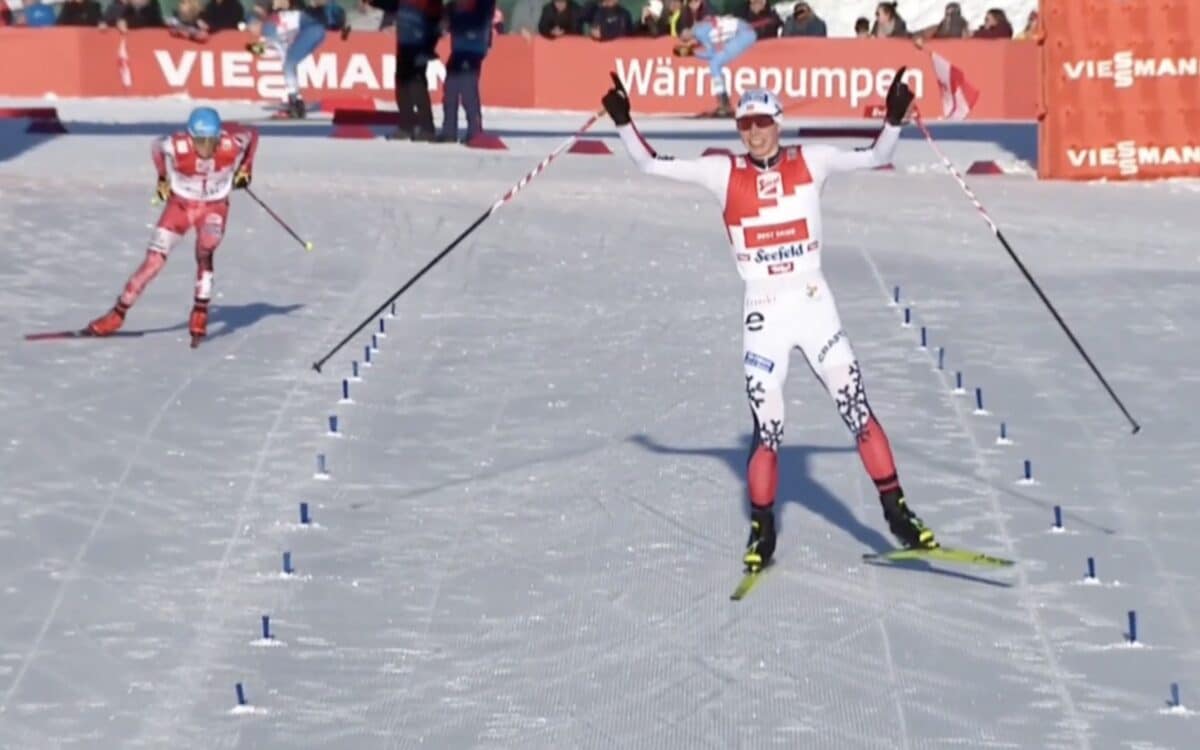
The exclusion of Nordic combined from the Olympic Winter Games program has profound implications for athletes, coaches, national federations, and fans. For the current generation of elite Nordic combined athletes, the prospect of competing in their sport’s pinnacle event has been significantly diminished. This could lead to a decline in athlete participation and investment in the sport, potentially creating a ripple effect on development programs and the overall health of Nordic combined globally.
The decision also raises questions about the future of other traditional Winter Olympic sports that may face similar scrutiny in the coming years. The IOC’s emphasis on data-driven program selection suggests that all disciplines will need to continuously demonstrate their relevance and appeal to a modern audience. This may encourage federations to innovate, expand their reach, and better engage with younger demographics and digital platforms to secure their place in future Olympic Games.
The Alpes 2030 Games will proceed with a revised program, focusing on sports that align with the IOC’s vision for a dynamic and engaging Olympic experience. The exclusion of Nordic combined, a sport deeply intertwined with the history of the Winter Olympics, serves as a stark reminder of the continuous evolution of the Games and the pressures faced by all disciplines to remain relevant in a rapidly changing global sporting landscape. The sport’s historical significance is undeniable, but its future at the Olympic level will depend on its ability to adapt and demonstrate a compelling case for its continued inclusion.

