
The landscape of winter sports irrevocably shifted on July 7, 2026, when the International Olympic Committee (IOC) made the historic announcement confirming freeride skiing’s inclusion as a medal event in the 2030 Winter Olympic Games. Athletes from across the globe will now converge on the formidable, vertiginous faces of the French Alps, vying for the sport’s most prestigious accolades. For those deeply entrenched in the freeride community, this elevation to the world’s largest sporting stage was not a sudden development but the culmination of years of strategic evolution, notably accelerated by the International Ski and Snowboard Federation’s (FIS) acquisition of the Freeride World Tour (FWT) in 2022. This integration paved a clear path for a discipline once considered counter-culture to achieve mainstream recognition, promising to profoundly impact not only the athletes and the sport itself but also the broader ski industry, particularly in the realm of equipment design and consumer trends.
A New Era for Winter Sports: The Road to Olympic Inclusion
Freeride skiing, characterized by its emphasis on individual expression, creativity, and navigating challenging, untracked natural terrain, traces its roots back to the "extreme skiing" movement of the 1980s and 90s. Born from a desire to escape the confines of groomed slopes and competitive gates, it celebrated daring descents, often in remote, high-alpine environments. Over the decades, this raw, adventurous spirit gradually coalesced into an organized competitive circuit. The Freeride World Tour, founded in 2008, was instrumental in professionalizing the sport, establishing judging criteria based on line choice, air & style, fluidity, control, and technique. It provided a global platform for athletes to showcase their extraordinary skills on some of the world’s most iconic big mountain faces, from Verbier’s Bec des Rosses to Alaska’s Haines.
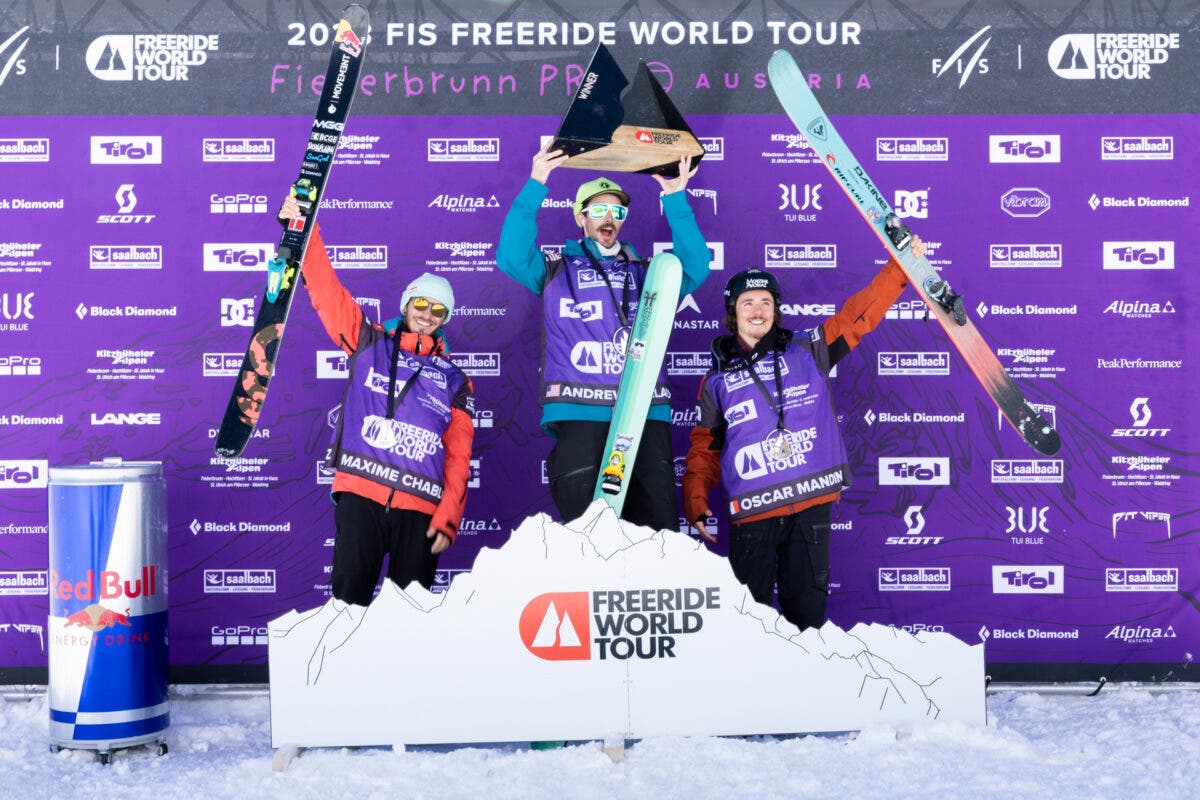
The pivotal moment for Olympic inclusion arrived in December 2022, when FIS, the global governing body for competitive skiing and snowboarding, announced its acquisition of the Freeride World Tour. This merger brought freeride under the umbrella of a recognized Olympic sports federation, a critical step in navigating the IOC’s stringent approval process. The FIS integration meant standardizing safety protocols, anti-doping regulations, athlete development pathways, and refining competition formats—all essential for a sport seeking Olympic recognition. The subsequent years saw FIS Freeride events running alongside the FWT, serving as proving grounds for the discipline’s readiness for the grand stage. This strategic alignment demonstrated a clear vision for growth and formalization, ultimately convincing the IOC of freeride skiing’s appeal and viability as an Olympic discipline.
The IOC’s decision was likely influenced by several factors: freeride’s growing global viewership, its appeal to a younger demographic, and its spectacular visual nature, which promises captivating television coverage. The sport embodies core Olympic values of excellence, pushing human limits, and embracing challenging environments. An IOC spokesperson, in an inferred statement following the announcement, might have highlighted freeride’s "dynamic athleticism and unique blend of skill, courage, and artistry, which resonates deeply with the Olympic spirit and promises an exhilarating spectacle for fans worldwide." Similarly, the FIS President, reflecting on years of effort, would likely express profound satisfaction, stating, "This is a monumental achievement for the entire freeride community and a testament to the dedication of athletes and organizers. We are committed to ensuring that the Olympic freeride event maintains the authenticity and adventurous spirit that defines the sport, while upholding the highest standards of safety and fair play." For many veteran freeriders, the news was a dream realized, a validation of a lifestyle and passion once seen as unconventional.
The Thrill of Freeride: A Spectacle for the Ages
For those uninitiated, Olympic freeride skiing will present an unparalleled display of athletic prowess and daring. Unlike traditional alpine racing, which follows a predefined, groomed course, freeride athletes descend an ungroomed, often treacherous, big mountain face. They are given a limited period to visually inspect the face, memorizing its contours, potential lines, and hazards, but are not permitted to ski it beforehand. Each athlete then executes a single, unrepeated run, judged on the creativity and difficulty of their chosen line, the fluidity of their descent, the style and execution of aerial maneuvers, and overall control. Crashing or losing a ski results in a significant penalty, often disqualification.
The terrain itself is a formidable opponent. Competitors often encounter highly variable snow conditions, ranging from deep powder to treacherous wind crusts, heavy crud, and icy patches, all while navigating natural obstacles like rock bands, cornices, and cliffs. The cliffs, in particular, are a hallmark of the sport, with athletes launching off drops exceeding 40 feet and flying over 100 feet before sticking often challenging landings. This demand for adaptability, raw power, and exquisite technical skill is what sets freeride apart and ensures its captivating appeal.
The Unseen Catalyst: Freeride Skis Take Center Stage
The Olympic spotlight on freeride skiing is not just about the athletes; it’s also about to shine a brilliant light on their specialized equipment. While recent trends in recreational skiing have seen a gravitation towards narrower, more versatile all-mountain skis, the Olympic debut of freeride is poised to reverse this trend significantly. Industry analysts predict a surge in demand for freeride-specific skis, with more skiers seeking out the performance benefits offered by these specialized tools. We can confidently anticipate seeing a greater proliferation of wider, more robust freeride skis in lift lines across resorts in the coming seasons.
Deconstructing the Freeride Ski: Engineering for Extremes
To understand the unique characteristics of a freeride ski, it’s essential to differentiate it from its closest relatives: the all-mountain and powder skis. At SKI magazine, we typically define all-mountain skis as falling between 90-109 millimeters underfoot, designed as versatile "jacks-of-all-trades" for mixed conditions. Powder skis, conversely, prioritize maximum floatation in deep snow, often featuring extreme width and significant rocker. Freeride skis share some commonalities with powder skis in their generous width and rocker profiles, but their fundamental priority is stability and dampening, not just float.
- Stability Over Float: The core distinction lies in the conditions freeride athletes routinely face. Unlike the ideal scenarios often associated with powder skiing, FWT competitors frequently battle heinous wind crusts, sun-baked crud, and unpredictable refrozen snow. The "show up and ski what’s there" nature of the competition means pristine powder is a luxury, not a guarantee. Thus, freeride skis are engineered to plow through varied, challenging snow at high speeds without hooking up or feeling twitchy. Their width and rocker are utilized to create a more forgiving platform that allows the ski to release easily when desired, preventing unwanted edge engagement and enabling precise maneuvers in steep, technical terrain.
- Built for Battle: The demands of freeride competition are extreme. Skis must handle immense forces from high-speed descents, powerful turns, and monumental landings. A 40-foot cliff drop translates to colossal impact, requiring skis with exceptional structural integrity and dampening properties to absorb the shock and maintain stability. This necessitates robust construction, often incorporating heavier, denser materials compared to lighter touring or pure powder skis.
- The Evolution of Design: Freeride skis have undergone a significant evolution. In the 2000s and early 2010s, the paradigm was "bigger, longer, stiffer." Skis like the legendary Dynastar Legend Pro Rider exemplified this era: monstrously long (often 190cm+), with massive turn radii (27 meters or more), and incredibly stiff construction, akin to iron beams. These skis were designed for one purpose: charging relentlessly down the fall line, overcoming any obstacle through sheer momentum and brute force. They were demanding to pilot, requiring immense strength and skill.
However, as freeride skiing evolved to incorporate more freestyle elements—spins, grabs, and switch landings—the equipment adapted. Modern freeride skis needed to be lighter and more balanced for aerial maneuvers, with sufficient tail rocker to facilitate switch landings in variable snow. This necessitated a delicate balance: retaining the stability for high-speed charging and impact absorption, while introducing a degree of playfulness and maneuverability.
Today’s top-tier freeride skis feature long turn radii to maintain stability at speed and prevent unwanted hooking, generous tip and tail rocker for effortless float in powder, easy turn initiation, and maneuverability in tight couloirs. Crucially, they also possess sufficient width (typically 110-115mm underfoot) to float effectively in powder and blast through crud, coupled with enough mass and torsional rigidity to absorb vibrations and maintain composure through the most chaotic snow conditions. Advanced construction techniques, utilizing varying wood core densities, carbon fiber laminates, and strategically placed metal layers like Titanal, allow engineers to fine-tune the flex pattern—often stiffer underfoot for power and edge grip, with progressive flex in the tips and tails for forgiveness and absorption.
The Winning Edge: Skis Dominating the Freeride World Tour
The past two seasons of the Freeride World Tour have provided a clear indication of the characteristics defining top-performing freeride skis. A discernible trend has emerged among the skis frequently gracing the podium: a mid-fat waist (between 110-115mm), pronounced tip and tail rocker, but critically, a healthy amount of metal and traditional camber underfoot. This combination strikes the perfect balance between float, maneuverability, and unwavering stability.
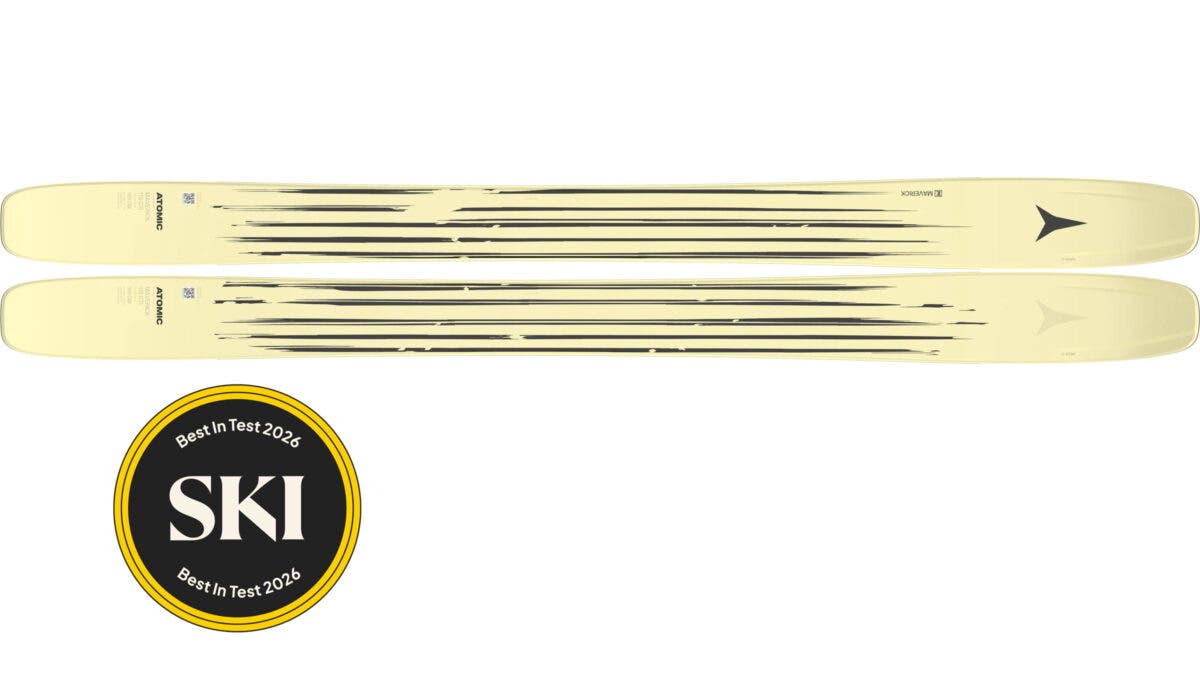
- Atomic Maverick 115 CTi: A standout performer has been the Atomic Maverick 115 CTi. Two-time World Champion (2023, 2025) Justine Dufour-Lapointe has consistently showcased the ski’s versatility. While offering ample float in powder, its robust construction underfoot provides the necessary power and stability for aggressive lines and massive landings. Its balanced design also allows Dufour-Lapointe to execute her signature airy backflips with precision and control. Kiwi veteran Craig Murray further cemented the Maverick 115’s reputation for variable-snow prowess, claiming a commanding victory at the inaugural Natural Selection Ski in Alaska in 2025, a testament to its ability to excel in challenging, unforgiving terrain.
- Rossignol Sender Free 110: Marcus Goguen, known for his audacious "crash-or-podium" approach, clinched his first World Championship in 2025 aboard his signature Rossignol Sender Free 110. This ski epitomizes the modern freeride design: quick and flicky in the tip and tail for agile maneuvers and freestyle elements, yet reinforced with a stout Titanal backbone underfoot for unparalleled stability and edge hold at speed. Goguen’s historic achievement of "sending" a never-before-done cliff on the iconic Bec de Rosses during the Verbier Xtreme finale, a feat that led to the cliff being named after him, underscores the Sender Free 110’s capacity for extreme performance.
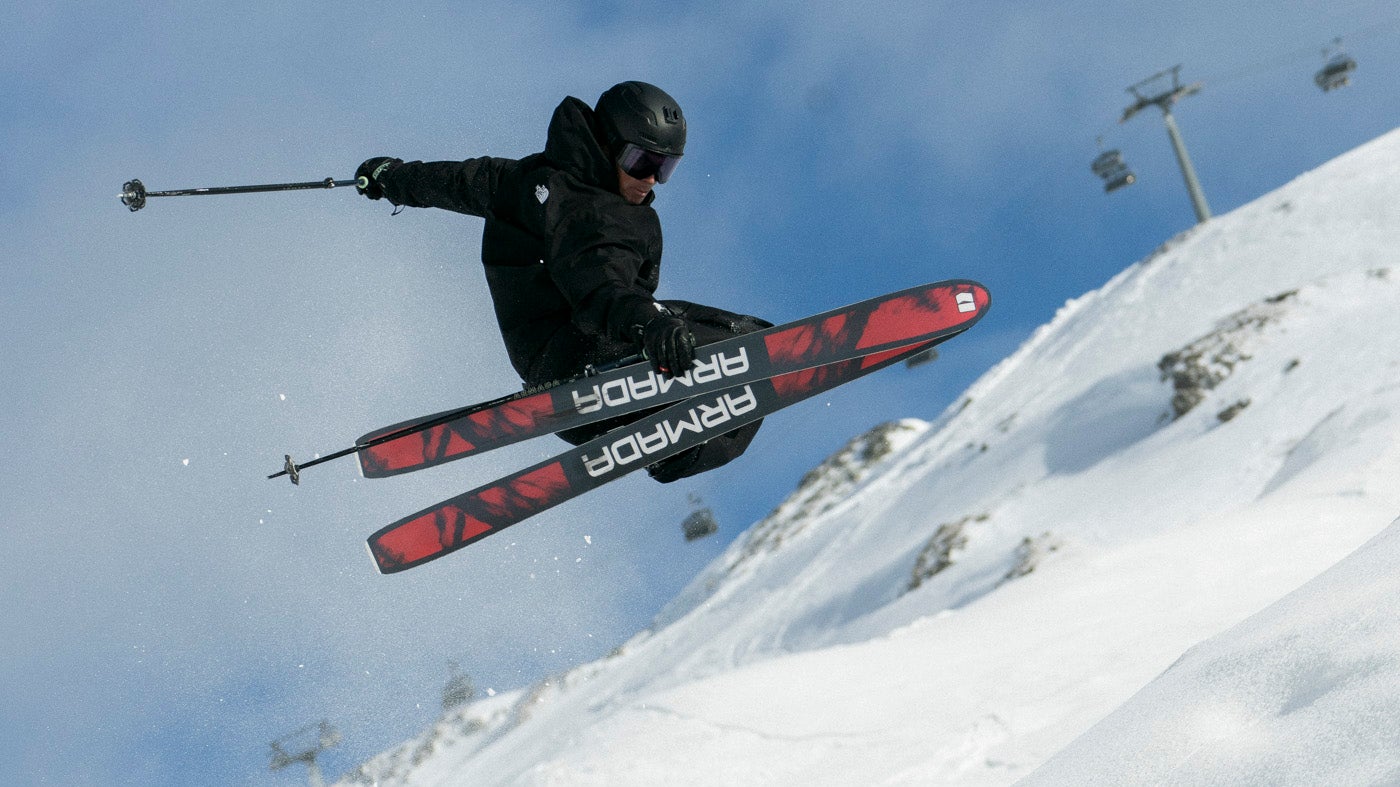
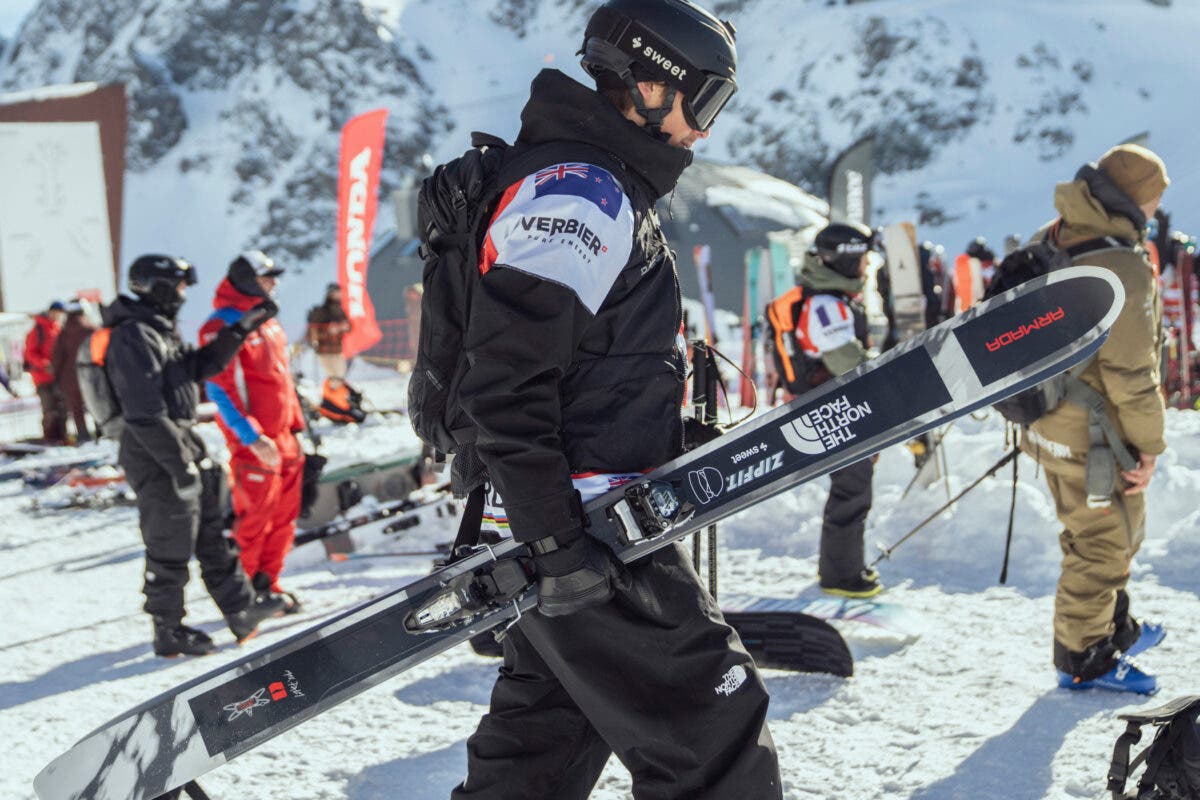
- Armada Antimatter 114: The 2026 season was defined by the sheer dominance of New Zealander Ben Richards, who, after signing with Armada, secured an astonishing four victories in a five-event season, including the inaugural FIS Freeride World Championships. His consistent triumphs, narrowly beating out teammate Toby Rafford despite the win disparity, were powered by Armada’s secret weapon: the Antimatter 114. This brand-new ski, specifically developed for the tour by FWT veteran Max Palm—the first skier to land a double backflip in competition—represents a further evolution in freeride ski design. Palm, with his background as a ski racer, insisted on a more directional ski with metal for power and stability, yet crucially, it had to retain a playful character to allow for creative expression. The Antimatter 114 is remarkably lighter than many of its competitors (perhaps only rivaled by the Sender Free 110), yet it provides exceptional stability for Richards’s fall-line charging style. Its balanced flex and weight distribution enable his stylish hand-drag 360s, while its robust construction allows him to barrel through chopped-up outruns with complete confidence.
Beyond the Pros: Why Freeride Skis Are for Everyone
Crucially, unlike many Olympic-level race skis that are bespoke, hyper-specialized tools unavailable to the general public, the freeride skis ridden by these elite athletes are readily accessible to recreational skiers. The evolution of ski design has made modern skis, including freeride models, significantly easier to pilot. The trend towards looser, lighter, and more agile freeride skis means that their benefits are no longer exclusive to professionals.
For the everyday skier, a freeride ski offers a gateway to unlocking new terrain and experiencing a higher level of confidence in challenging snow conditions. Imagine confidently navigating chopped-up powder, wind-affected snow, or spring crud, rather than struggling. The stability and dampening properties of a well-designed freeride ski can transform a challenging day into an exhilarating one, allowing you to maintain speed and control where narrower, less robust skis might falter.
As the 2030 Winter Olympics draw closer, the global spotlight on freeride skiing will undoubtedly inspire a new generation of skiers. It presents a unique opportunity for enthusiasts to explore a different dimension of the sport. So, the next time you find yourself contemplating your current ski setup, consider venturing beyond the traditional. Head to a demo shop, try a pair of these Olympic-grade freeride skis, and discover firsthand how their blend of stability, float, and maneuverability can elevate your skiing experience. By 2030, the world will understand the magic of freeride, and you could already be part of the movement, carving your own lines inspired by the giants of the sport. The future of skiing is here, and it’s wilder, more dynamic, and more accessible than ever before.

