
The governments of the United Kingdom and Switzerland have formally reached a landmark agreement aimed at streamlining border controls, restoring free mobile roaming, and significantly expanding professional mobility between the two nations. Announced in July 2026, the deal represents a deepening of bilateral relations and a strategic effort to reduce the friction that has characterized cross-border travel and employment since the United Kingdom’s departure from the European Union. The agreement, which covers a broad spectrum of economic and logistical concerns, is expected to provide a substantial boost to the tourism sector, particularly the Swiss ski industry, while facilitating easier access for service professionals and long-term workers.
Streamlining Border Entry: The E-Gate Rollout
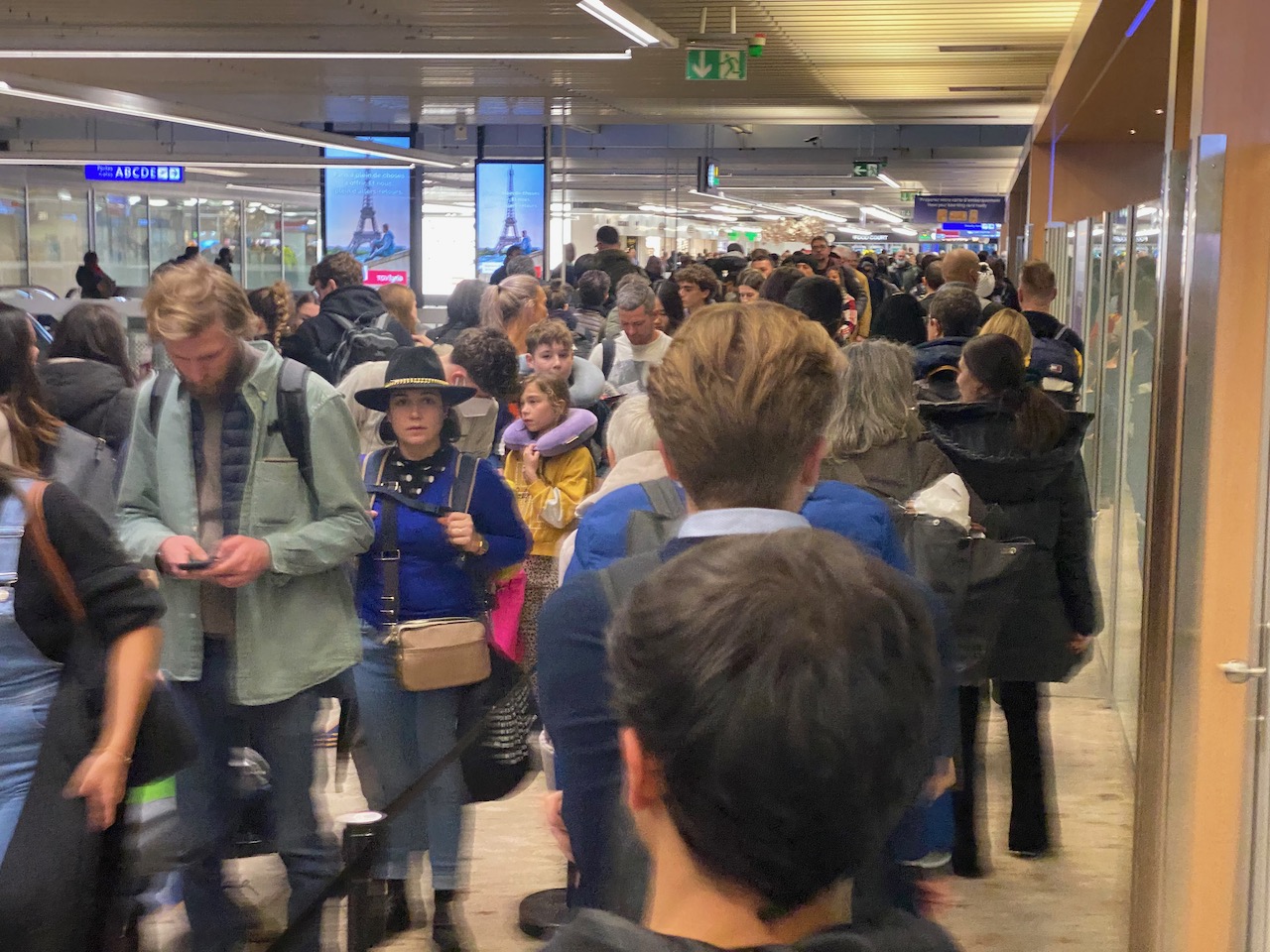
One of the most immediate and visible changes for British travelers under the new agreement is the phased introduction of automated passport e-gates for UK passport holders. Since the UK became a "third country" in the eyes of European border authorities, British travelers have frequently faced lengthy manual processing queues at Swiss airports. The new agreement seeks to rectify this by granting UK citizens access to the same automated technology used by Swiss and EU/EEA nationals.
The implementation of this technology is scheduled to begin at Zurich Airport in late 2026. As the primary international gateway to Switzerland and a critical hub for travelers heading to the resorts of central and eastern Switzerland, Zurich’s inclusion in the first phase is seen as a priority. Following the initial rollout, the program will expand to Basel and Geneva airports in 2027.
The inclusion of Geneva is particularly significant for the travel industry. As a major transit point for western Switzerland and a primary gateway to the high-altitude resorts of the French Alps, Geneva Airport handles millions of British passengers annually. The reduction in processing times is expected to improve the efficiency of airport operations and enhance the overall travel experience for holidaymakers and business travelers alike.
Restoration of Free Mobile Roaming
In a move that addresses a persistent grievance for international travelers, the UK-Switzerland agreement includes provisions to eliminate mobile roaming charges. Following the UK’s exit from the European Union, many mobile network operators reintroduced roaming fees for British customers traveling to the continent, including Switzerland, which is not an EU member but is closely integrated into European digital markets.
Under the new treaty, UK skiers, snowboarders, and business travelers will be able to use their mobile data, voice, and text allowances in Switzerland without incurring additional fees. While the specific timeline for implementation and the list of participating mobile operators are still being finalized, the principle of reciprocity ensures that Swiss travelers in the UK will enjoy similar benefits. This development is expected to be particularly popular among the hundreds of thousands of British tourists who visit Swiss alpine regions each winter, providing them with seamless connectivity for navigation, communication, and social media without the threat of unexpected costs.
Labor Mobility and the Revitalization of the Ski Industry
Perhaps the most economically significant aspect of the agreement is the reform of labor mobility rules. For several years, UK citizens seeking to work in Switzerland faced stringent "economic needs tests," which required employers to prove that no suitable Swiss or EU/EEA candidate could be found for a role before hiring a Briton. This bureaucracy proved particularly damaging to the seasonal tourism industry, which traditionally relied on UK staff to fill roles such as ski instructors, chalet hosts, hotel staff, and bar workers.
The new agreement permits UK employees to transfer to Switzerland for up to five years without being subject to these rigorous economic needs tests. This shift is intended to restore the "seasonaire" pipeline that was largely dismantled post-Brexit. By simplifying the visa and permit process, Swiss resort operators will once again have easier access to the UK labor pool, which is often preferred for English-speaking guest services.
Furthermore, the deal introduces a visa-free window for service professionals. UK service providers will be permitted to travel to Switzerland for up to 90 days per year to conduct short-term business activities without requiring a work visa. In a reciprocal arrangement, Swiss companies will be able to send staff to the UK for contract work under the same 90-day visa-free conditions. This flexibility is expected to benefit sectors beyond tourism, including financial services, engineering, and IT, where short-term consultancy and technical support are frequently required.
Chronology of the Agreement
The path to this comprehensive agreement has been marked by several years of diplomatic negotiation and technical discussions.
- January 2021: Following the end of the Brexit transition period, the UK and Switzerland began operating under a series of "bridge" agreements to maintain basic trade and aviation links.
- 2023–2024: Formal negotiations commenced to upgrade the existing UK-Swiss Trade Agreement, with a specific focus on services and professional mobility—areas where both nations have a competitive global advantage.
- July 16, 2026: The two nations announced that a consensus had been reached on the core pillars of the new mobility and travel agreement.
- July 21, 2026: Technical details regarding the implementation of e-gates and the five-year work transfer rules were clarified.
- Late 2026 (Projected): The formal signing of the agreement is expected to take place once legal scrubbing and domestic approvals are completed.
- 2027: Full expansion of e-gate access to Basel and Geneva airports and the widespread implementation of the roaming fee ban.
Supporting Data and Economic Context
Switzerland and the United Kingdom share one of the most robust economic relationships in Europe. Switzerland is consistently among the UK’s top ten global trading partners, with total trade in goods and services estimated to exceed £50 billion annually. Both nations are home to major global financial centers—London and Zurich—making the ease of professional movement a critical economic necessity.
In the tourism sector, the UK represents one of Switzerland’s most important markets. According to data from the Swiss Federal Statistical Office, British tourists account for over 1.5 million overnight stays in Swiss hotels annually, with a significant concentration in the Grisons, Bernese Oberland, and Valais regions. The introduction of e-gates and the removal of roaming charges are expected to reinforce Switzerland’s status as a premium destination for UK travelers, potentially increasing tourism revenue by 5-8% over the next three years as travel friction decreases.
The labor market statistics also highlight the importance of the deal. Before 2021, thousands of UK nationals worked in the Swiss Alps each winter. Following the imposition of stricter work permit rules, some resorts reported a 30% vacancy rate in seasonal positions, leading to reduced service levels and increased operational costs. The new five-year transfer rule is viewed by industry analysts as a vital correction that will stabilize the hospitality sector in mountain regions.
Official Responses and Industry Reactions
While official government spokespeople have praised the agreement as a "new chapter" in UK-Swiss relations, industry bodies have also voiced their approval.
A spokesperson for the Swiss Tourism Federation noted, "The return of a simplified labor process for UK nationals is a welcome relief for our mountain communities. The expertise and enthusiasm of British seasonal workers have been missed, and this agreement ensures that our resorts remain world-class in their service delivery."

On the UK side, business groups have highlighted the benefits for the service sector. "The ability for professionals to move between London and Zurich for up to 90 days without the burden of visa applications is a significant win for the financial and legal sectors," said a representative from a leading UK business lobby. "It removes a layer of bureaucracy that has hindered agile business operations for the past five years."
Analysis of Broader Implications
The UK-Switzerland agreement serves as a potential template for how the United Kingdom may navigate its relationships with other non-EU European nations. By focusing on bilateral treaties that address specific economic pain points—such as digital roaming and professional mobility—the UK is attempting to rebuild the benefits of European integration without rejoining the EU’s single market or customs union.
For Switzerland, the deal reinforces its "Bilaterals" approach to foreign policy, demonstrating that it can maintain high standards of border security while facilitating the flow of people and services from key partners outside the Schengen Area.
However, the agreement also highlights the complexities of modern travel. The phased rollout of e-gates suggests that technical and security integration takes time, and the effectiveness of the roaming ban will depend heavily on the cooperation of private telecommunications companies. Additionally, while the removal of the "economic needs test" for five-year transfers is a major concession, workers will still need to navigate Swiss cantonal registration systems, which can vary in efficiency.
Future Outlook
As the two nations prepare for the formal signing by the end of 2026, the focus will shift to the domestic approval procedures required in both Westminster and Bern. In Switzerland, this may involve parliamentary review or even the possibility of a referendum, depending on the final legal structure of the agreement.
For travelers and workers, the message is clear: the barriers to entry between the UK and Switzerland are beginning to lower. By 2027, the experience of traveling from London to the Swiss Alps or the boardrooms of Zurich is expected to be faster, cheaper, and more flexible than at any point in the post-Brexit era. This agreement not only secures the immediate future of the ski season but also lays the groundwork for a more integrated economic partnership between two of Europe’s most prominent non-EU economies.

