
The Environmental Protection Agency (EPA), established in 1970 under the Nixon administration, was created with a clear legislative mandate: to serve as the primary federal safeguard for human health and the natural environment. For over five decades, the agency relied upon the Clean Air Act, the Clean Water Act, and peer-reviewed scientific evidence to regulate industrial pollution. However, the past year has marked a period of unprecedented policy shifts. Through a series of administrative actions and regulatory rollbacks, the agency has undergone a structural transformation that critics, including the advocacy group Protect Our Winters (POW), describe as a deliberate retreat from its foundational mission.
A Chronology of Regulatory Rollbacks
The current shift in EPA policy is not the result of a single legislative act, but rather an accumulation of executive orders and agency-level decisions that have systematically dismantled the regulatory framework governing the United States’ industrial sector.
The most significant shift occurred with the rescission of the Endangerment Finding. Under the 2007 Supreme Court ruling in Massachusetts v. EPA, the agency was legally required to regulate greenhouse gas emissions if it found they posed a threat to public health. By overturning this finding, the current administration has effectively severed the legal tether between the Clean Air Act and climate change mitigation, removing the federal mandate to address emissions from power plants and heavy industry.
This move was preceded and followed by a series of deregulatory actions:
- Early Year: The agency began by narrowing the definition of "Waters of the United States" (WOTUS), significantly reducing the scope of federal oversight regarding waterway pollution.
- Mid-Year: The EPA implemented broad exemptions for coal-fired power plants, allowing them to bypass New Source Review (NSR) permitting requirements that would have otherwise mandated the installation of modern pollution-control technology.
- Late Year: The agency completed the reduction of air quality standards, including the scaling back of the "Good Neighbor" rule, which was designed to prevent pollution from drifting across state lines, and the dilution of limits on mercury, lead, and arsenic emissions.
The Impact on the Outdoor Economy
The $1.1 trillion outdoor recreation economy, which supports over 5 million jobs in the United States, is uniquely sensitive to environmental shifts. Industry analysts and environmental scientists point out that the value of this sector is inextricably linked to the preservation of natural landscapes and stable climate patterns.
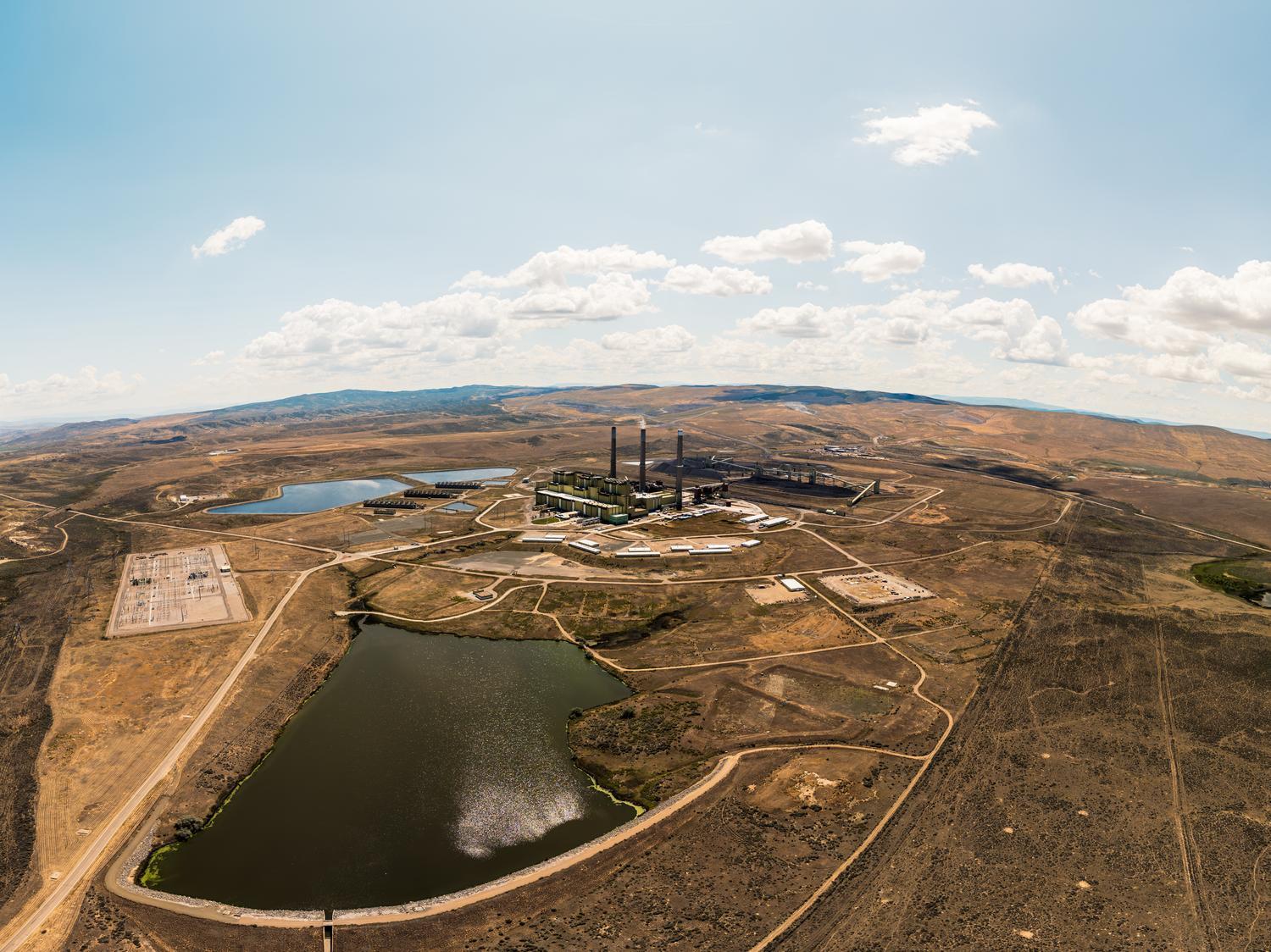
Data from the past two decades illustrates the scale of this concern. For instance, in Vermont, the duration of the winter sports season has contracted, with the state experiencing a 22% reduction in snow days over the last 20 years. Similar trends are visible in the American West, where reduced snowpack and shifting precipitation patterns have led to shorter ski seasons and increased wildfire activity.
These environmental stressors have direct economic consequences. Poor air quality, exacerbated by smog and wildfire smoke, has forced cities like Denver, Salt Lake City, and Los Angeles to cancel outdoor events, resulting in localized revenue losses. When the EPA weakens standards for particulate matter and ozone, the burden of managing these health and economic risks shifts from the industrial sector to municipalities, small business owners, and the public.
The Erosion of Scientific Authority
A critical component of the agency’s recent transformation is the shift in its internal decision-making process. Traditionally, the EPA relied on independent scientific advisory boards to vet policy proposals. Recent reports indicate that these boards have been restructured or, in some cases, dissolved.
Furthermore, the integration of climate science skeptics into advisory roles has created what researchers describe as a "politicized regulatory environment." The removal of public-facing data tools, most notably the EJScreen (a tool used by environmental justice advocates to map pollution exposure in marginalized communities), has hindered the ability of researchers and the public to monitor environmental health trends. By limiting the use of peer-reviewed scientific studies in the drafting of new rules, the agency has fundamentally changed its methodology, moving away from evidence-based policymaking.
Enforcement and the "Discretion" Doctrine
Regulatory rules are only as effective as their enforcement mechanisms. Observers note that the current EPA has significantly reduced the frequency of facility inspections and penalized fewer environmental violations. The agency has increasingly utilized "enforcement discretion"—a legal mechanism that allows the EPA to waive or postpone penalties for companies that fail to comply with existing environmental standards.
Critics argue that this approach creates a moral hazard: by signaling that non-compliance will not be met with rigorous oversight, the agency provides a financial incentive for industrial polluters to avoid the costs of environmental remediation. When the federal government abdicates its role in holding industry accountable, the costs are internalized by the surrounding communities through decreased air and water quality.
Official Responses and Advocacy Efforts
The administration has defended these measures as necessary steps to stimulate economic growth and ensure energy independence. Officials have framed the deregulation as a move to reduce the "bureaucratic burden" on domestic energy producers, arguing that older coal plants are vital to maintaining grid stability during periods of peak demand. By declaring certain "energy emergencies," the agency has been able to keep aging, high-emission facilities operational beyond their intended lifespan.
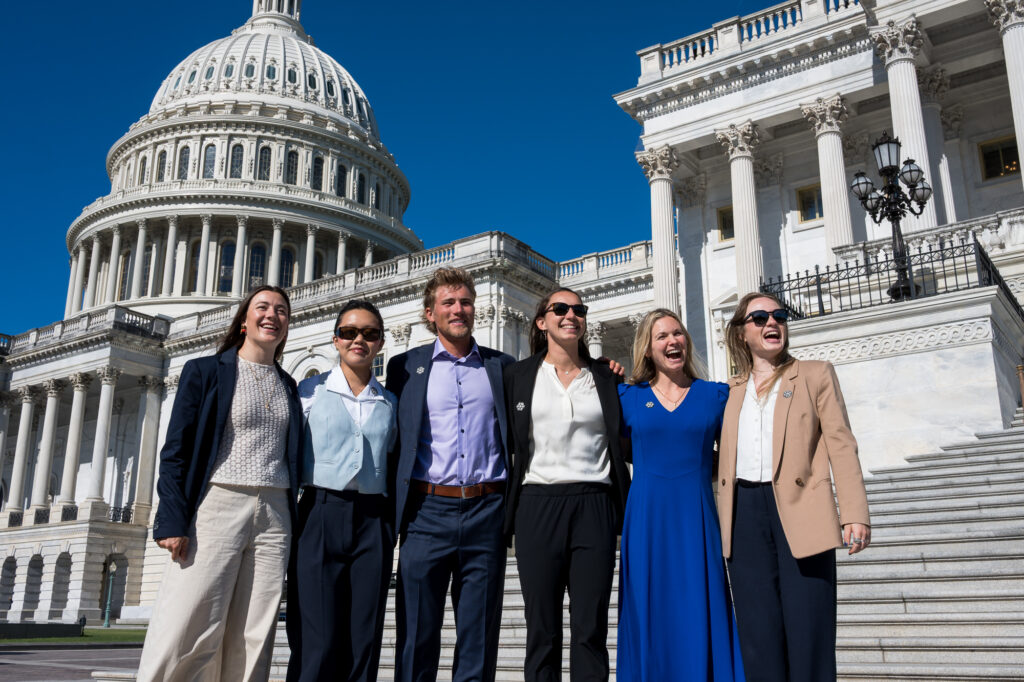
Conversely, advocacy organizations have begun to mobilize. Protect Our Winters, an organization composed of professional athletes, climate scientists, and outdoor industry brands, has announced a campaign to challenge these rollbacks. Their advocacy arm, the POW Action Fund, is currently coordinating with members of Congress to pressure the EPA to restore its core functions. Their argument is grounded in the belief that the agency was never intended to be an advocate for industry, but rather a regulatory body designed to act as a check on industrial environmental impact.
Broader Implications for Public Health
The long-term implications of these rollbacks are, according to public health experts, measurable and severe. The relaxation of Mercury and Air Toxics Standards (MATS) is expected to lead to an increase in the concentration of toxic heavy metals in the atmosphere and water supply. Studies have consistently linked these pollutants to increased incidences of pediatric asthma, cardiovascular disease, and neurological impairment.
By dismantling the institutional infrastructure—including the closure of the EPA’s Office of Environmental Justice—the agency is effectively reducing its capacity to address the disproportionate impact of pollution on vulnerable populations. The loss of institutional expertise, resulting from significant staff reductions, means that even if the regulatory trajectory were to be reversed in the future, the agency would face a substantial challenge in rebuilding the scientific and legal capacity necessary to enforce complex environmental protections.
As the situation in Washington continues to develop, the divide between industrial deregulation and environmental conservation remains one of the most contentious issues in federal policy. The coming months will likely see a surge in legal challenges from various environmental groups, setting the stage for a protracted battle in the federal courts over the extent of the agency’s authority to protect the public interest against industrial expansion.

