
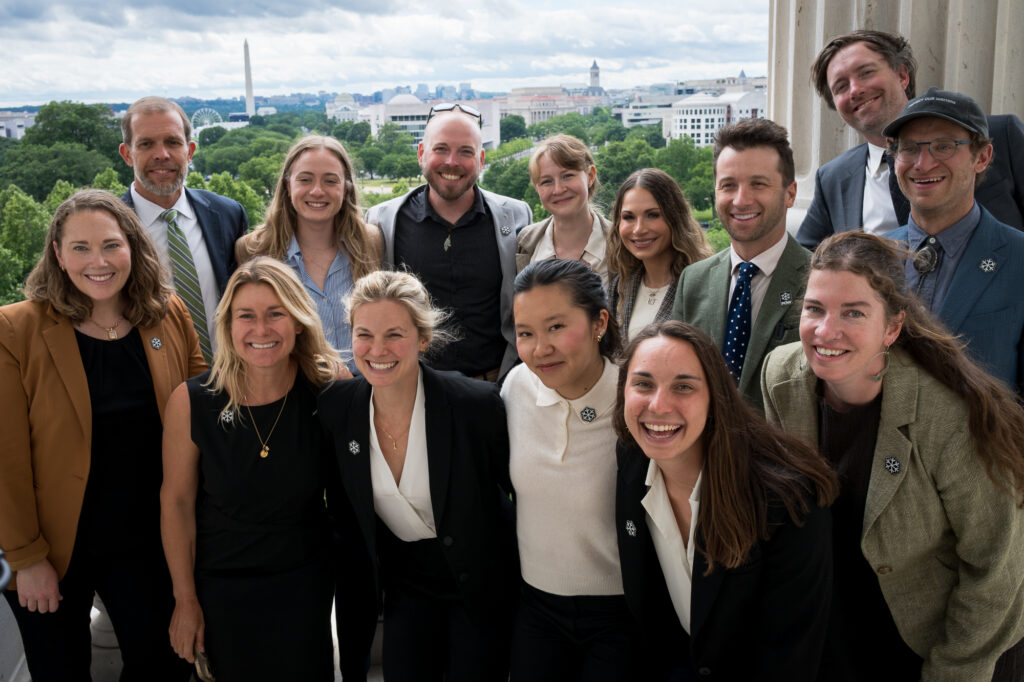
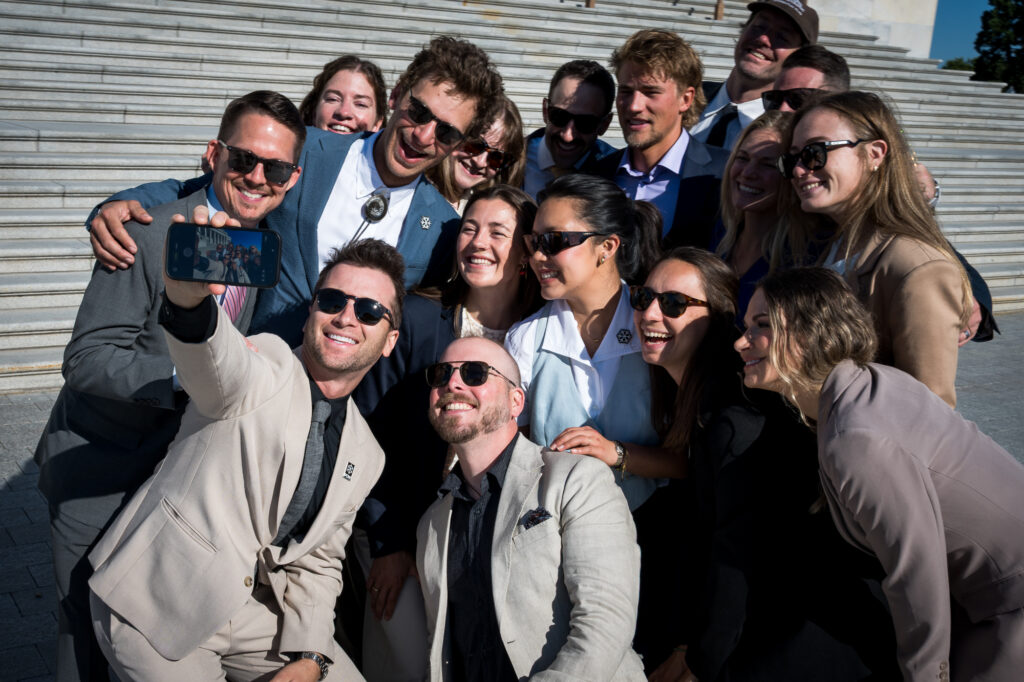
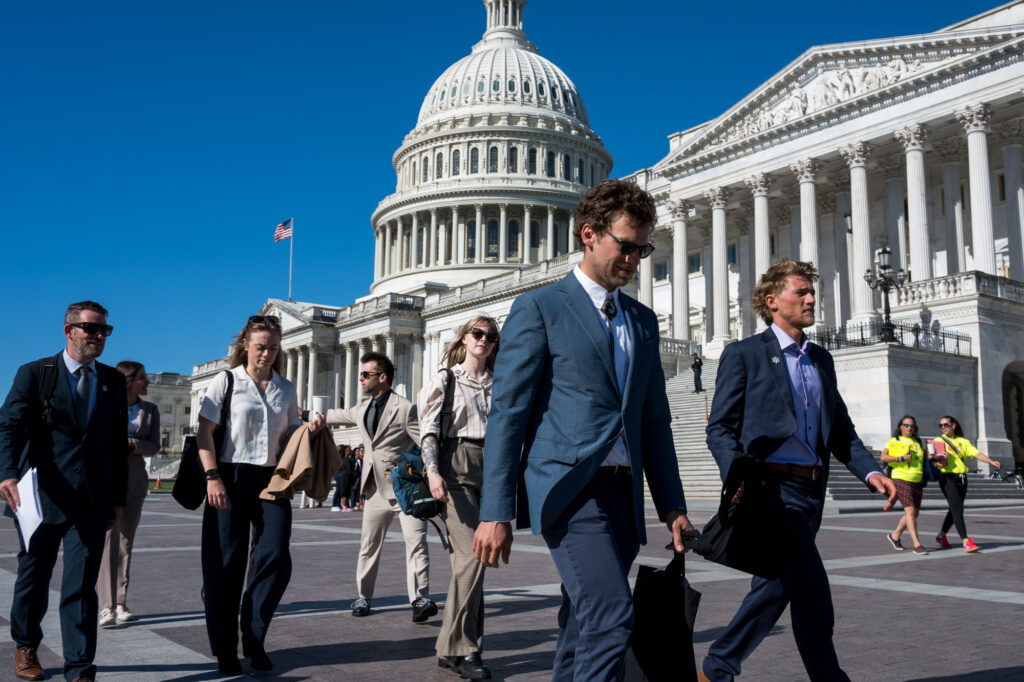
In a coordinated effort to address the rapid rollback of federal environmental protections, a high-profile delegation led by the non-profit organization Protect Our Winters (POW) recently concluded a series of intensive legislative meetings in Washington, D.C. The group, comprised of 13 prominent figures including Olympic gold medalists, climate scientists, filmmakers, and outdoor industry executives, spent two days engaging with lawmakers to advocate for the preservation of public lands and the restoration of regulatory oversight within the Environmental Protection Agency (EPA). The mission comes at a critical juncture for U.S. environmental policy, as the executive branch continues to implement sweeping changes to land-use designations and pollution standards that have stood for decades.
A Strategic Multi-Disciplinary Delegation
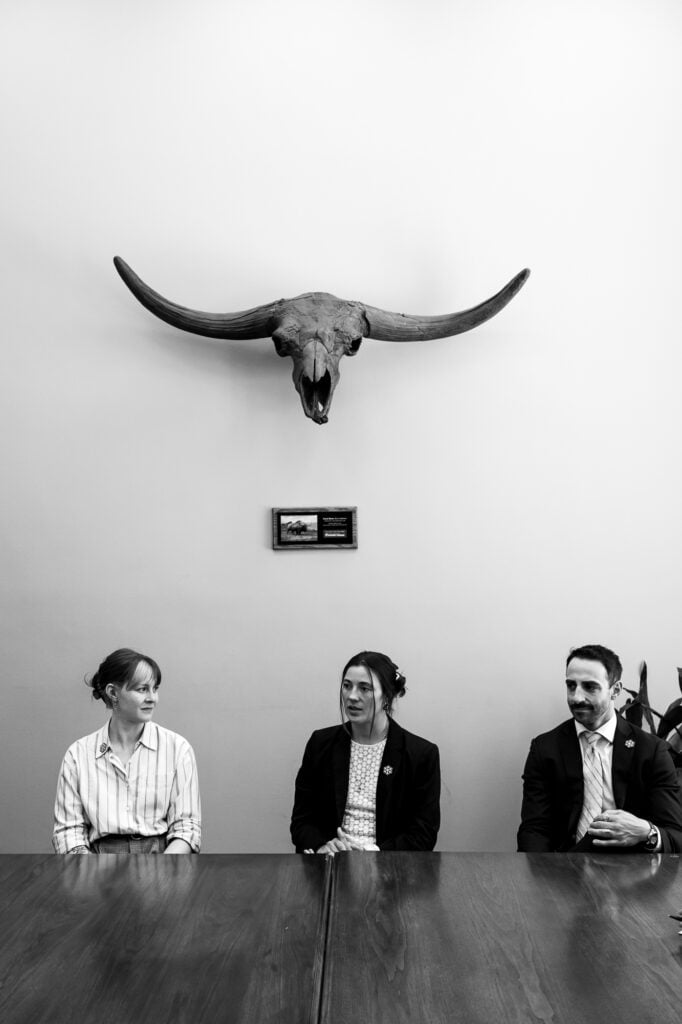
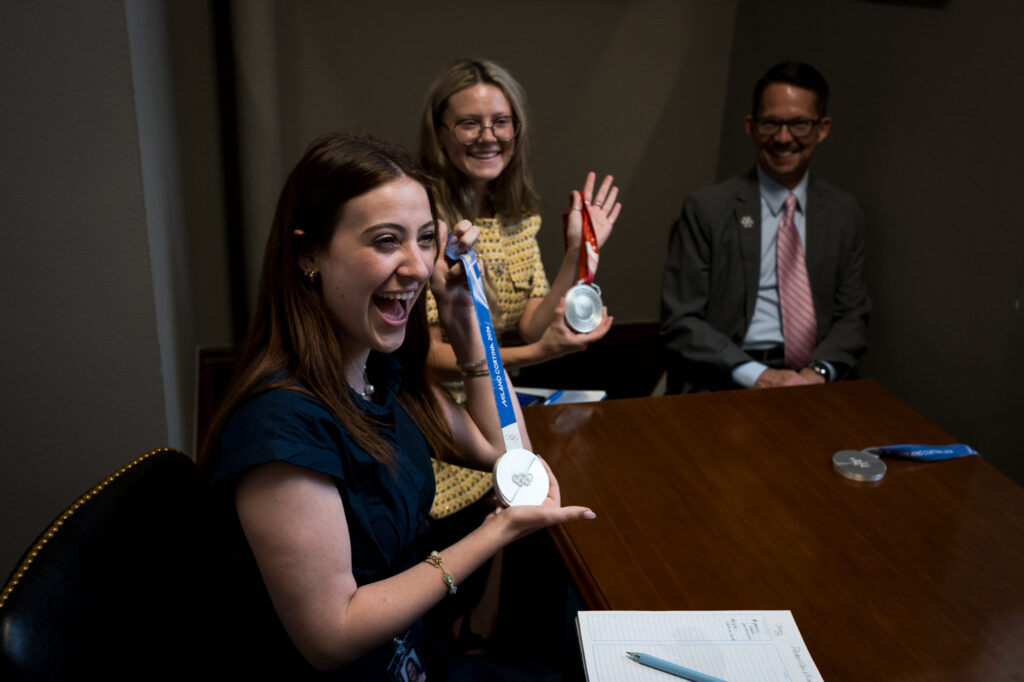
The delegation’s composition was a deliberate attempt to blend cultural influence with technical expertise. Leading the group were several of the most recognized names in winter sports, including cross-country skiing icon and Olympic gold medalist Jessie Diggins, alongside fellow Olympians Julia Kern, Jaelin Kauf, Gus Schumacher, Bea Kim, and Olivia Giaccio. They were joined by professional skier Brody Leven and a "Science Alliance" featuring former EPA scientist Stu Nissenbaum and Dr. Tracy Fanara. The presence of creative professionals, such as filmmakers Max Lowe, Mike Thurk, and Chris Shane, served to document the proceedings and provide a visual narrative of the "Outdoor State"—a demographic term POW uses to describe the millions of Americans whose livelihoods and lifestyles depend on the health of the natural environment.
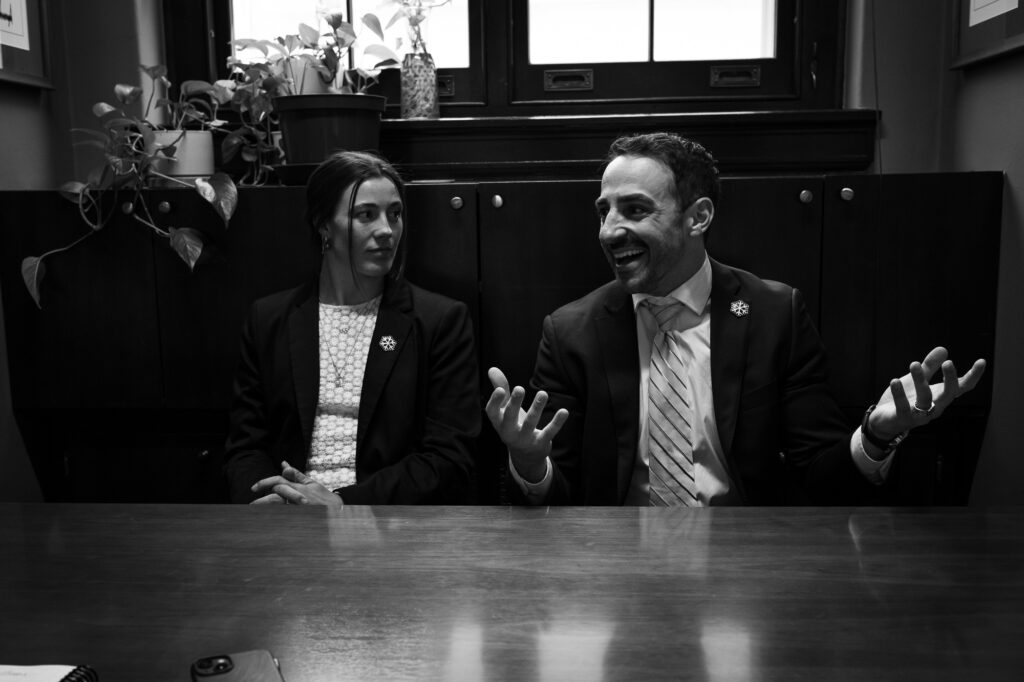
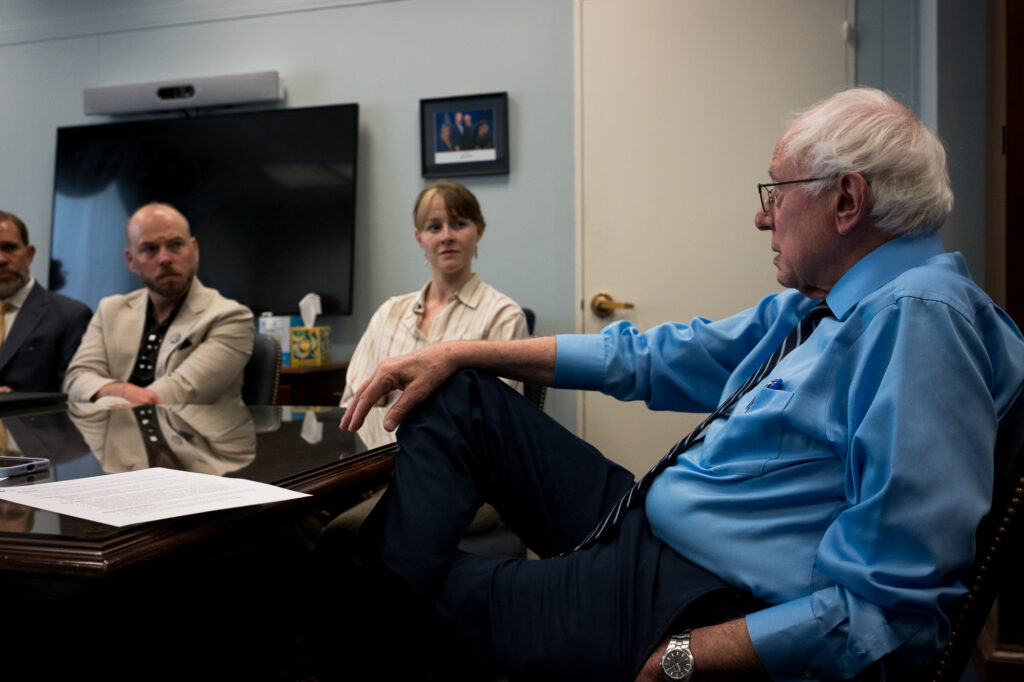
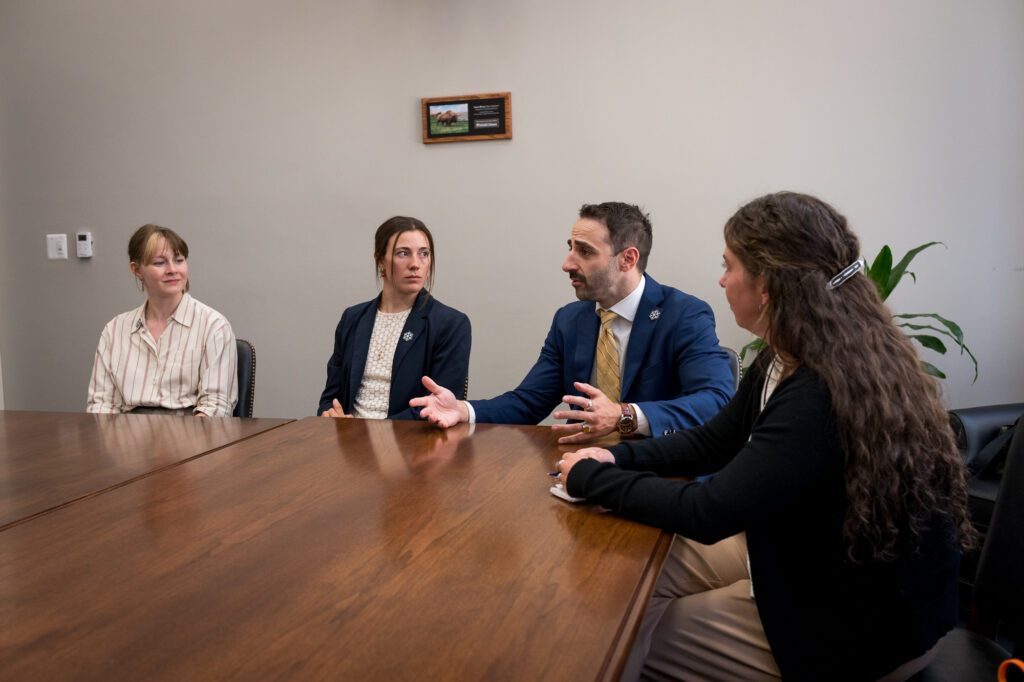
Over the course of 48 hours, the delegation conducted 38 separate meetings with congressional offices. In a notable show of bipartisan outreach, the group met with 15 Republican and 23 Democratic offices, as well as staff and members of the House Natural Resources Committee. This balanced approach reflects a growing recognition within the outdoor industry that climate change and land management are no longer purely partisan issues, but rather economic and public health concerns that affect constituents across the political spectrum.
The Fight Against EPA Deregulation
A primary objective of the visit was to address the systemic weakening of the EPA. According to reports cited by the delegation, the federal government has dismantled or significantly softened more than 50 core environmental protections since the beginning of 2025. These rollbacks have targeted regulations concerning methane emissions, vehicle fuel efficiency standards, and toxic waste disposal. The delegation argued that these shifts sideline scientific consensus and undermine the EPA’s original 1970 mandate to protect human health and the environment.
The inclusion of Stu Nissenbaum, who served as a scientist within the EPA, provided the delegation with a unique level of technical credibility. During meetings, Nissenbaum presented data on the long-term costs of deregulation, emphasizing that when pollution standards are lowered, the resulting public health crises—such as increased rates of asthma and waterborne illnesses—place a heavy financial burden on local communities and the national healthcare system. The delegation pushed for concrete legislative steps to restore the EPA’s enforcement capabilities, requesting that lawmakers prioritize the reintroduction of science-based decision-making in the agency’s rulemaking process.
Preservation of Public Lands and the Arctic Conflict
The second pillar of the delegation’s advocacy focused on the protection of iconic American landscapes from fossil fuel extraction. The current administration has moved aggressively to expand oil and gas leasing, particularly in sensitive regions of Alaska. Earlier this year, the Department of the Interior oversaw a massive lease sale in the National Petroleum Reserve-Alaska (NPR-A), resulting in 187 leases covering approximately 1.3 million acres. Furthermore, a Coastal Plain lease sale in the Arctic National Wildlife Refuge (ANWR) opened for bids in early June, a move that environmentalists describe as a catastrophic threat to one of the world’s last untouched ecosystems.
The POW delegation presented a clear counter-narrative to the "energy independence" arguments often used to justify these leases. They emphasized that public lands are finite resources that provide essential ecosystem services, including carbon sequestration and biodiversity habitat. The group specifically lobbied for the Arctic Refuge Protection Act, a piece of legislation designed to provide permanent protection for the refuge and prevent future industrialization.
Gus Schumacher, an Alaskan native and Olympic skier, spoke directly to the local impact of these policies. "Protecting our water, air, and key habitats are non-partisan issues; we might just have different ideas of how to get there," Schumacher noted during the visit. He argued that the solutions to protect the natural world already exist and simply require the political will to be implemented at scale.
The Economic Power of the Outdoor State
To bolster their arguments, the delegation relied heavily on economic data regarding the outdoor recreation industry. According to the U.S. Bureau of Economic Analysis (BEA), the outdoor recreation economy accounts for approximately 2.2% of the total U.S. Gross Domestic Product (GDP), contributing over $1 trillion to the economy annually and supporting nearly 5 million jobs. This sector, which includes everything from ski resort operations to gear manufacturing and guided hunting trips, is directly threatened by shorter winters, erratic weather patterns, and the degradation of public lands.
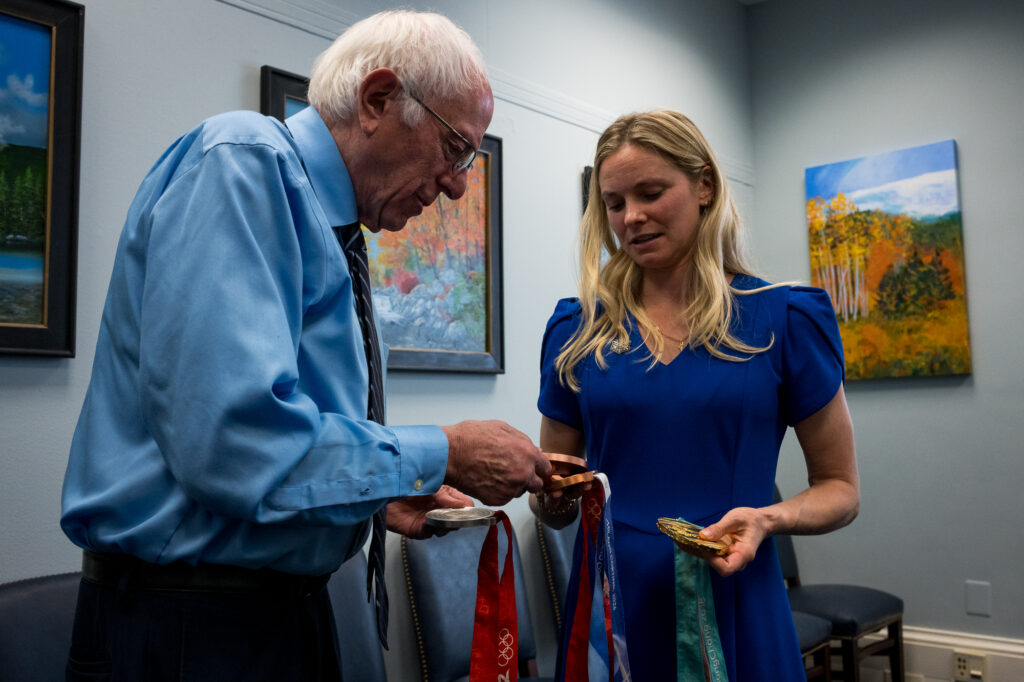
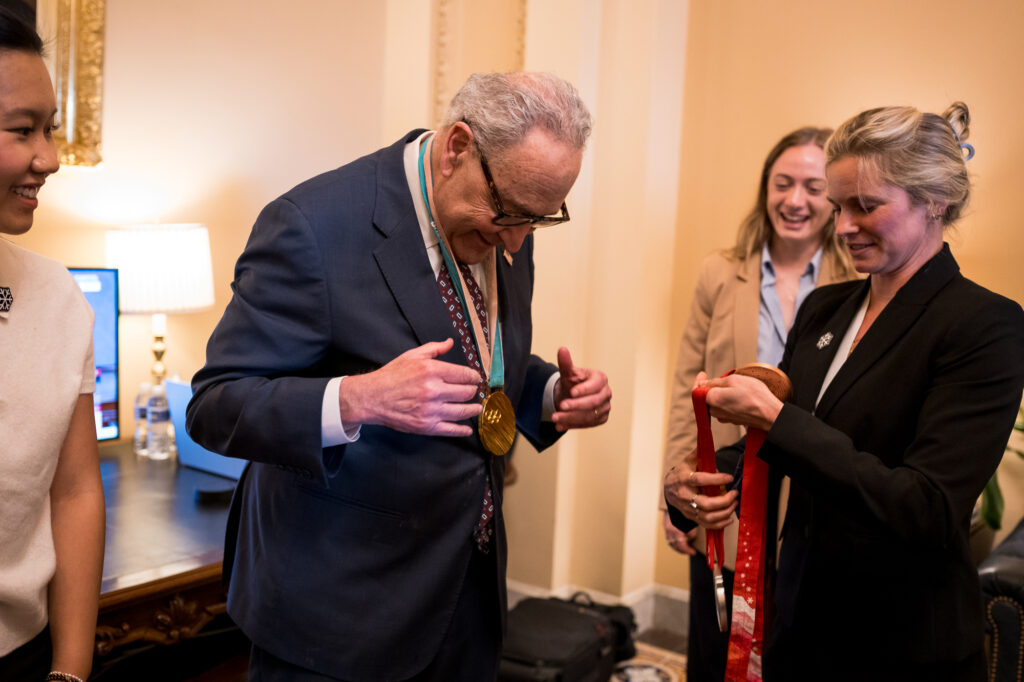
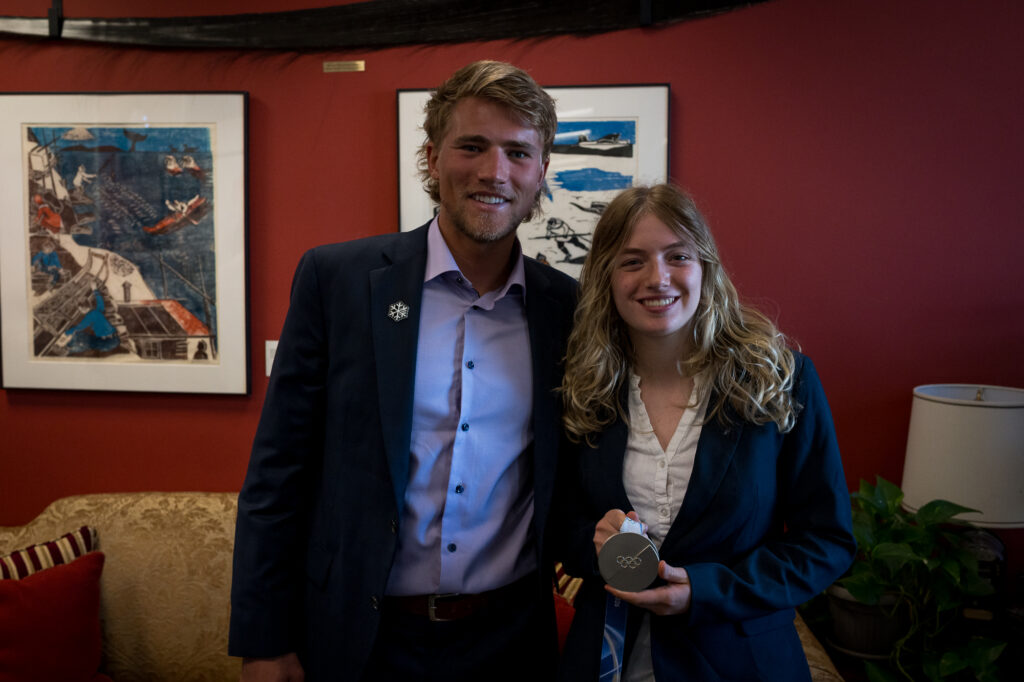
By framing themselves as representatives of the "Outdoor State," the delegation highlighted that their constituency is larger than many traditional voting blocs. They argued that the health of the planet is non-negotiable because it is the literal foundation of a massive economic engine. For lawmakers from states like Colorado, Utah, and Vermont, where winter tourism is a cornerstone of the economy, the message was particularly resonant. The sight of Olympic medals in congressional hallways served as a powerful reminder of what is at stake: the future of American excellence in sports and the viability of the communities that host them.
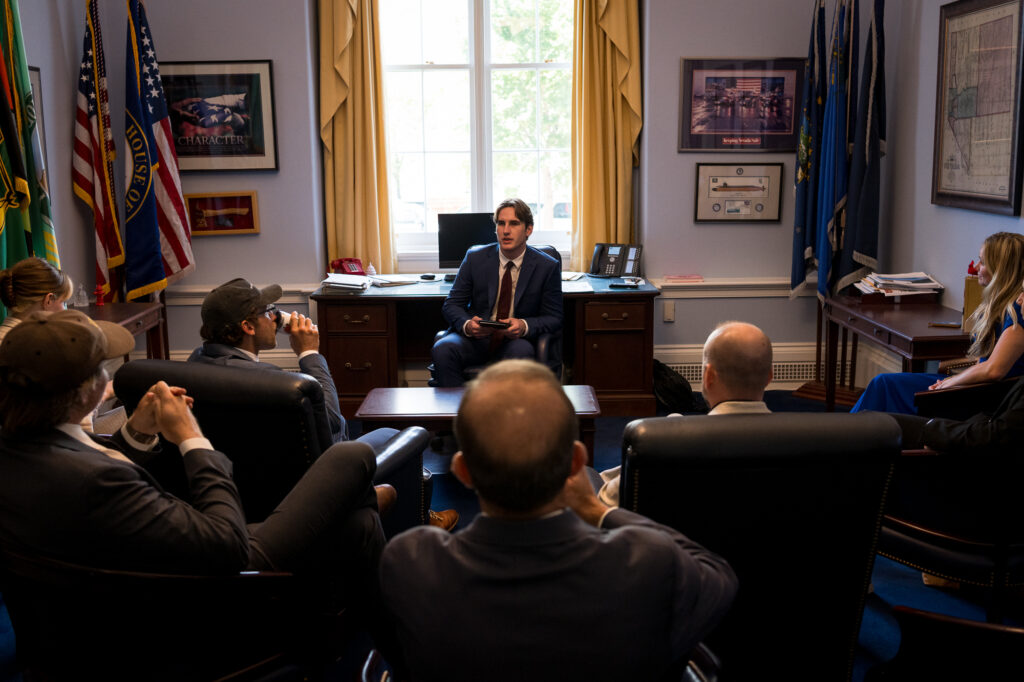
Analysis of Bipartisan Reception and Long-term Strategy
The reception of the delegation on Capitol Hill suggests a shifting landscape in environmental politics. While significant ideological divides remain, particularly regarding the speed of the transition to renewable energy, there was a noticeable willingness among Republican offices to discuss public lands in the context of crisis management. Issues such as wildfire mitigation and drought relief have become so pressing in Western states that they have forced a level of cooperation that was previously absent.
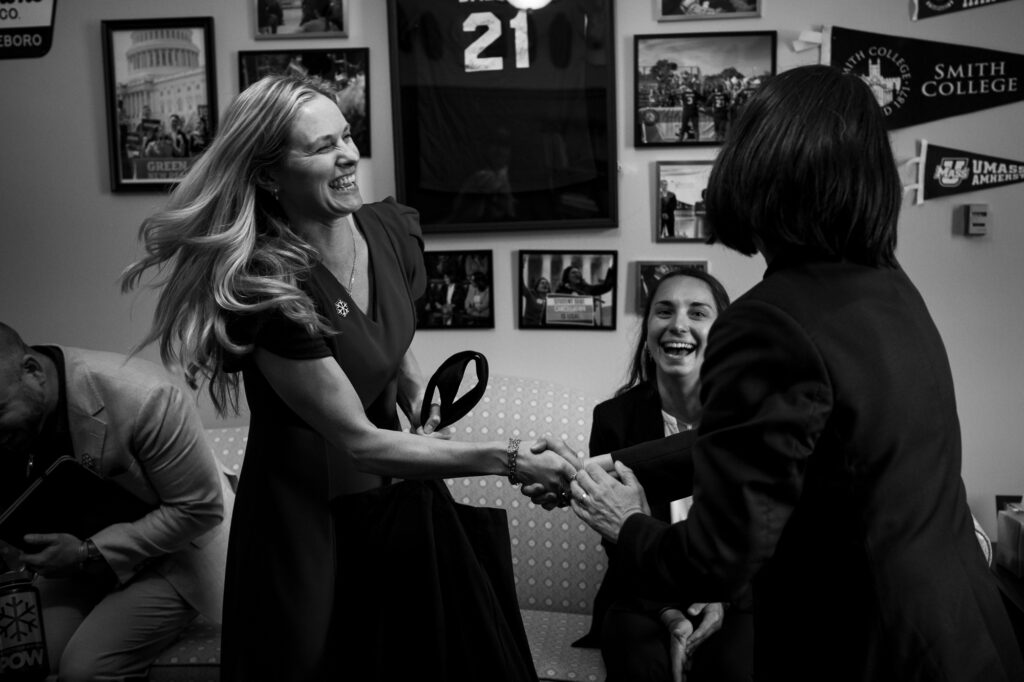
Max Lowe, a member of the POW Creative Alliance, reflected on the complexity of the legislative process following the meetings. He observed that while the pace of government can be "frustratingly slow," the process of building relationships across the aisle is the most sustainable way to ensure long-term protections. "The world is moving fast, so it’s easy to be frustrated by inaction on things that directly impact how we all live our lives," Lowe stated. "However, the best way to change is most often the slow way, and a grain of patience goes a long way as we consider how we want to shape our world."
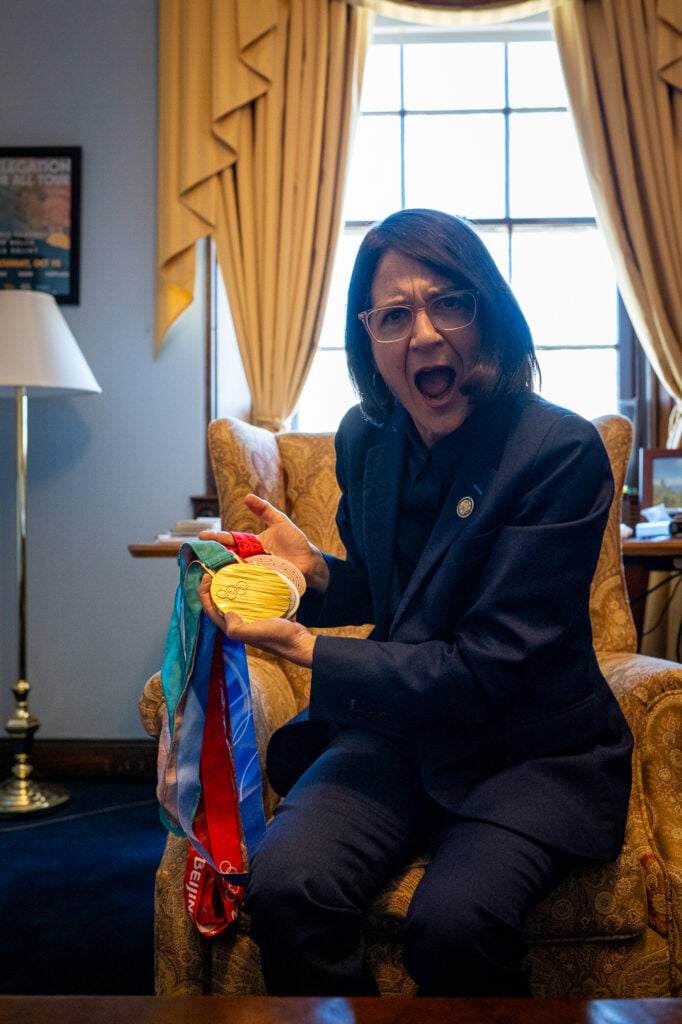
The strategic use of "trusted messengers"—athletes who are household names and scientists with agency experience—appears to be an effective tactic for breaking through the noise of traditional lobbying. Lawmakers who might be inclined to dismiss a standard environmental activist often find it more difficult to ignore a gold medalist who can describe exactly how a disappearing glacier has ended a local training program or how wildfire smoke has cancelled a competitive season.
Future Outlook and Legislative Goals
As the delegation returns from Washington, the focus shifts to monitoring the progress of the Arctic Refuge Protection Act and the various appropriations bills that will determine the EPA’s funding for the coming fiscal year. The visit was timed to coincide with crucial committee markups, ensuring that the voices of the outdoor community were heard just as key decisions were being made.
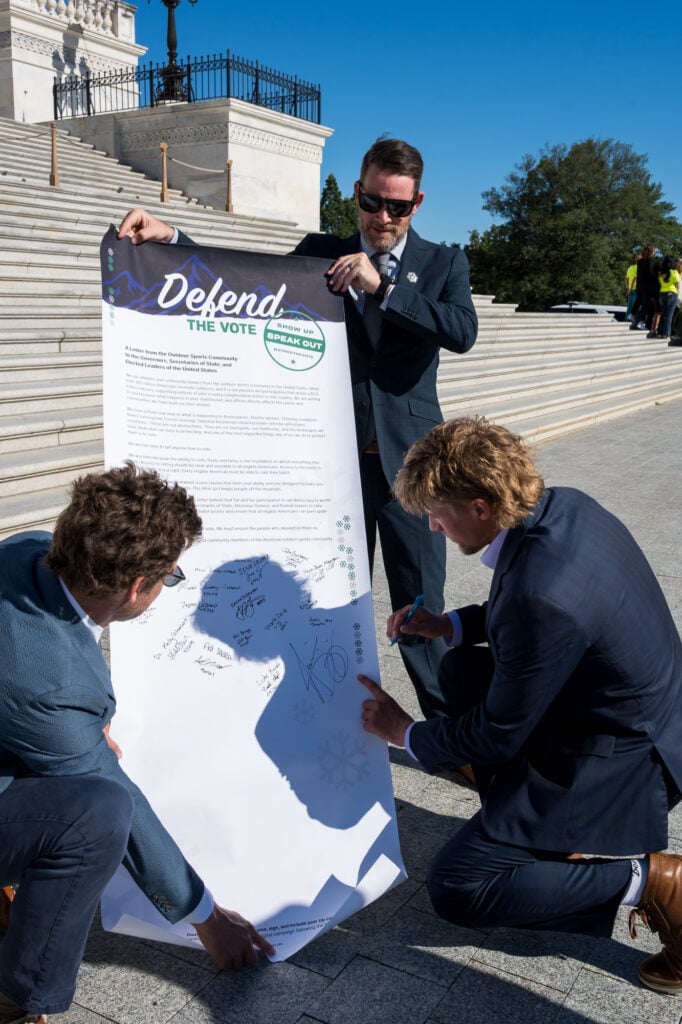
The broader impact of this mobilization extends beyond the 38 meetings held last week. By documenting the process through film and photography, the delegation aims to inspire the broader outdoor community to engage in civic action. The "Outdoor State" is being called upon to move from the sidelines of the climate debate into active participation, using their collective economic and cultural influence to demand a stable climate and protected public lands.
In conclusion, the Protect Our Winters delegation has demonstrated that effective climate advocacy in the current political era requires a sophisticated blend of science, economic data, and cultural storytelling. By engaging both sides of the aisle and focusing on the tangible impacts of deregulation and land use, they have laid the groundwork for a more robust defense of the American environment. The success of their mission will ultimately be measured by the legislative actions taken in the months to come, but the presence of such a diverse and high-profile group in the halls of Congress marks a significant moment in the ongoing struggle to protect the natural world for future generations.

