
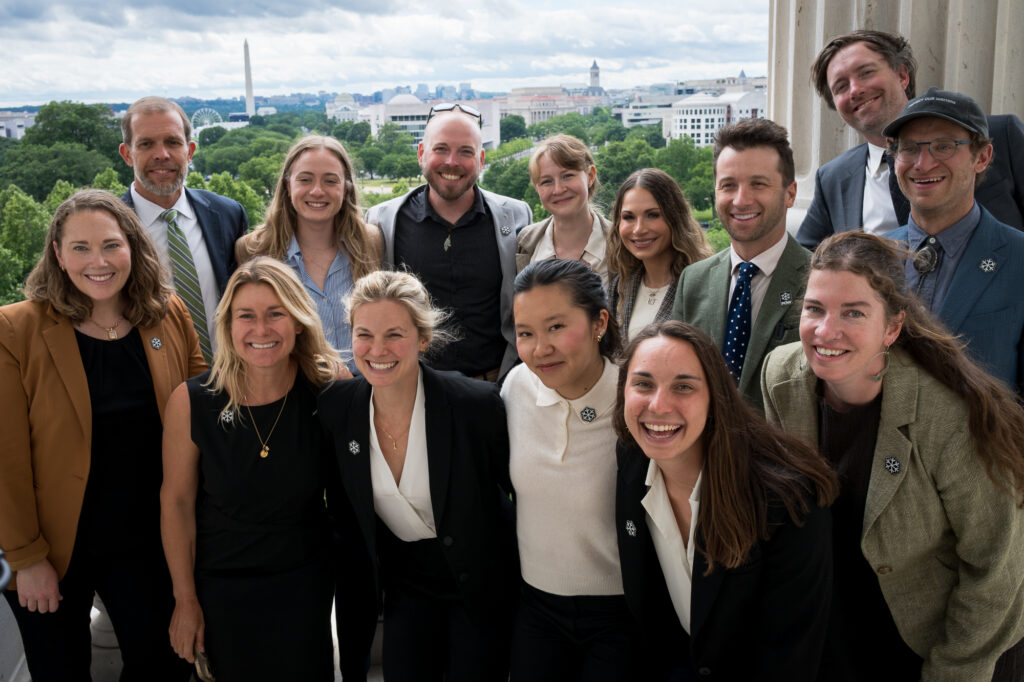
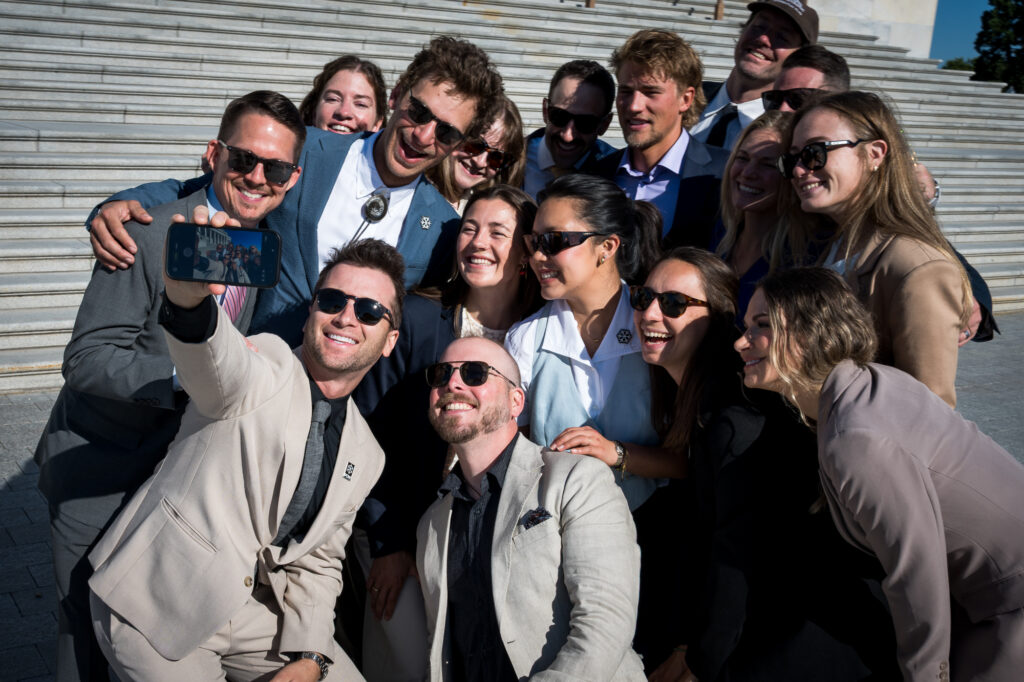
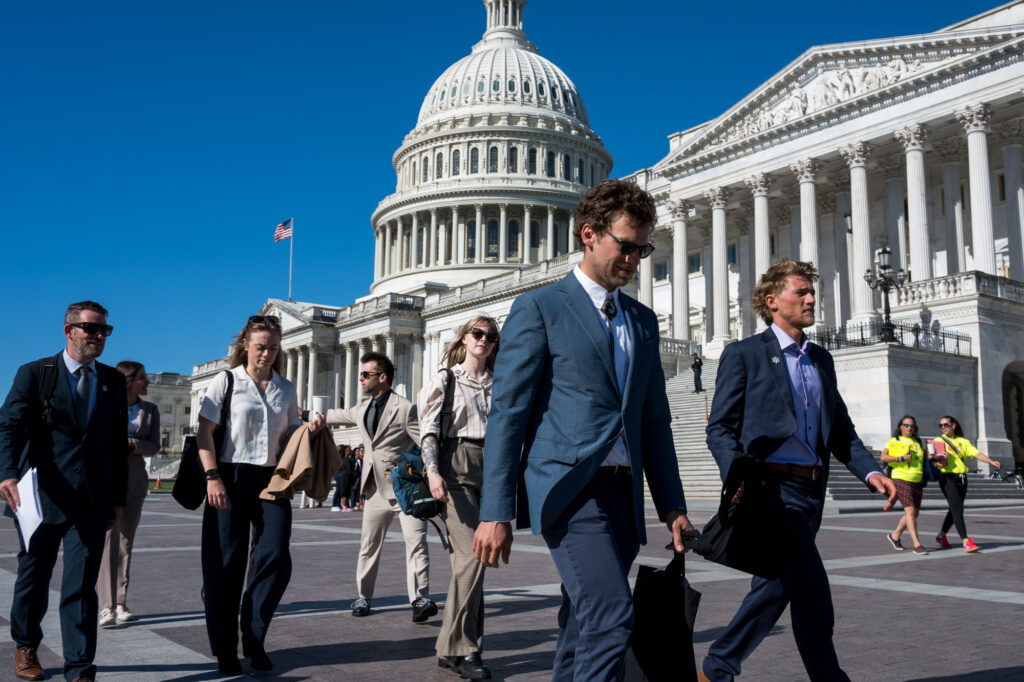
In a high-stakes legislative push aimed at reversing a recent wave of environmental deregulation, the non-profit organization Protect Our Winters (POW) recently deployed a specialized delegation to Washington, D.C. The group, comprised of 13 high-profile members including Olympic athletes, climate scientists, filmmakers, and outdoor industry executives, spent two days engaging in intensive advocacy on Capitol Hill. Their primary objective was to address the systemic dismantling of environmental protections and the expansion of fossil fuel extraction on federal lands, signaling that the "Outdoor State"—a demographic representing millions of outdoor enthusiasts—is increasingly organized and politically active.
The delegation’s arrival follows a period of significant shifts in federal environmental policy. Since early 2025, the executive branch has moved to weaken or eliminate over 50 core environmental regulations. These changes have impacted a wide range of protections, from clean air and water standards to the oversight of industrial pollution. By meeting directly with lawmakers, the POW delegation sought to reframe climate change and conservation not as partisan talking points, but as essential economic and public health priorities.
Strategic Engagement Across the Political Spectrum
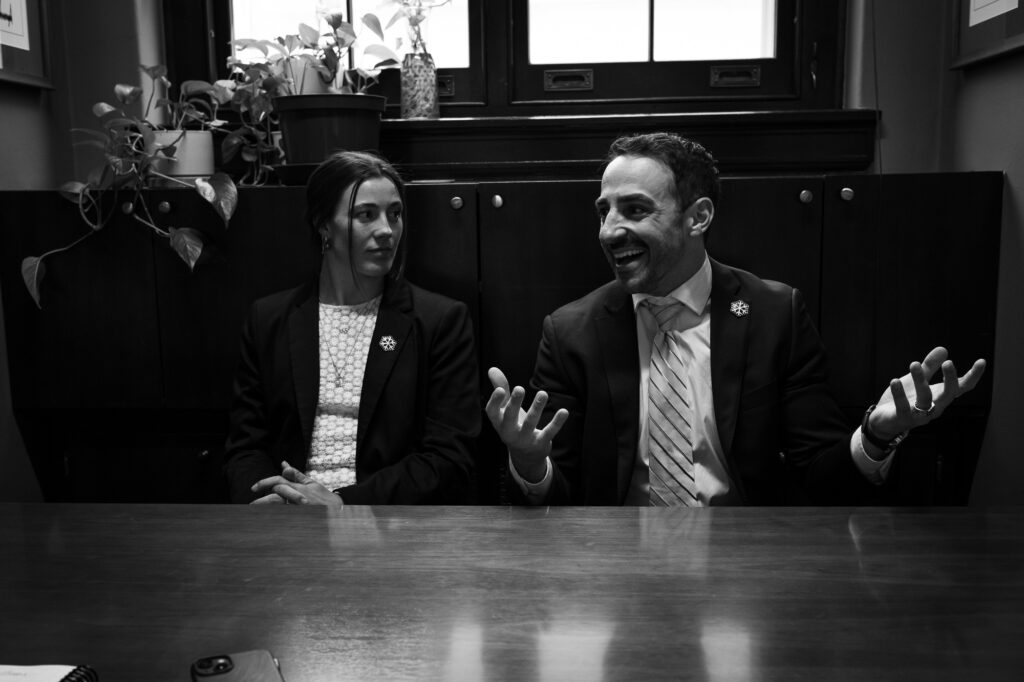
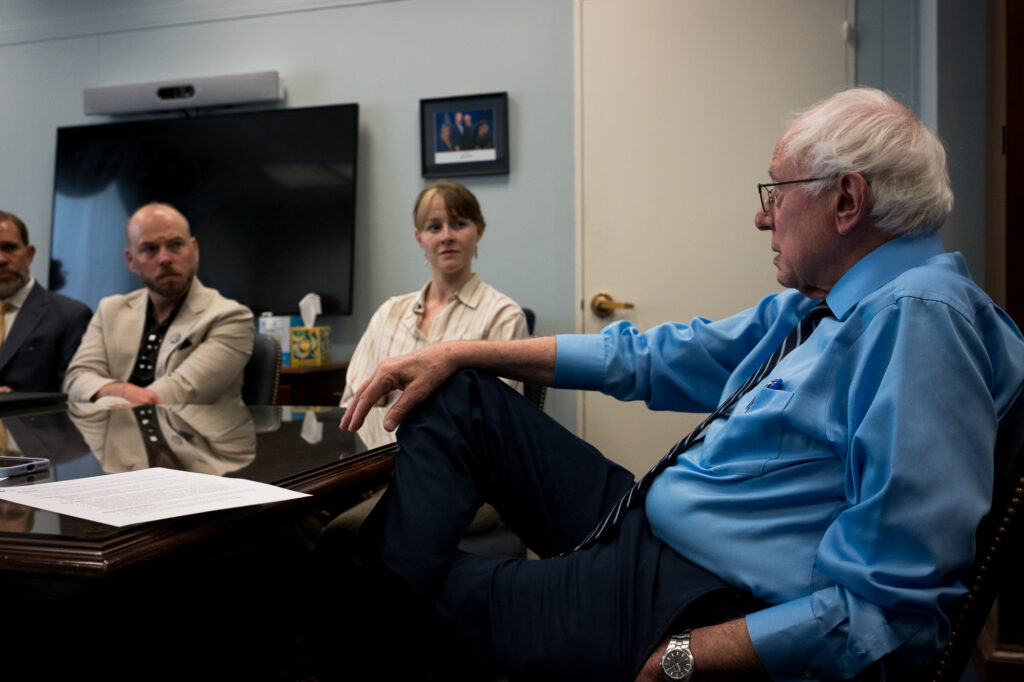
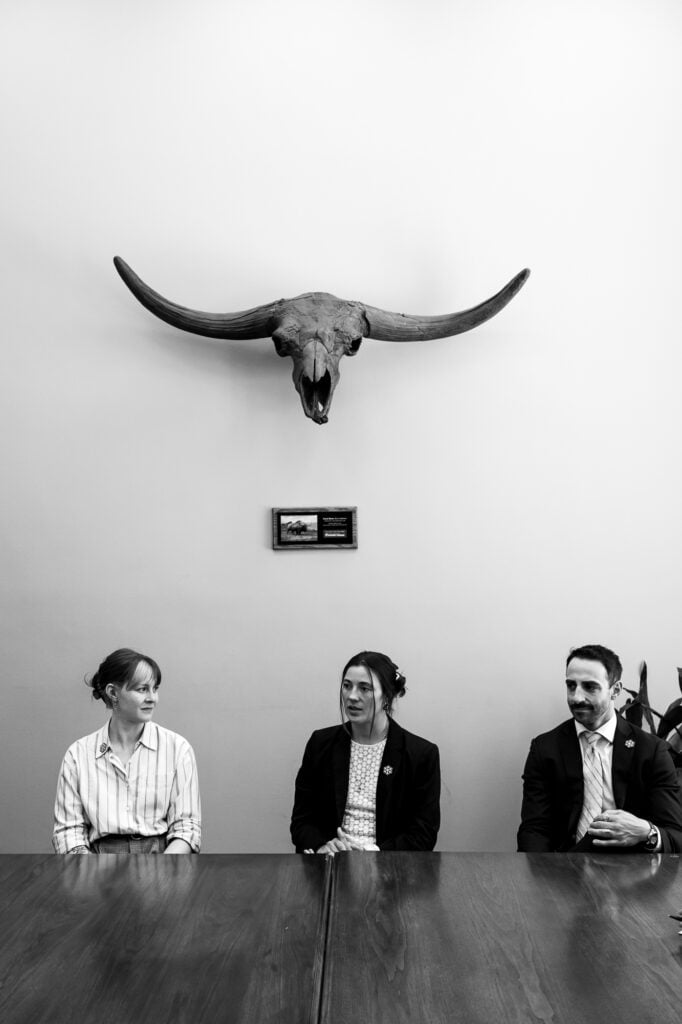
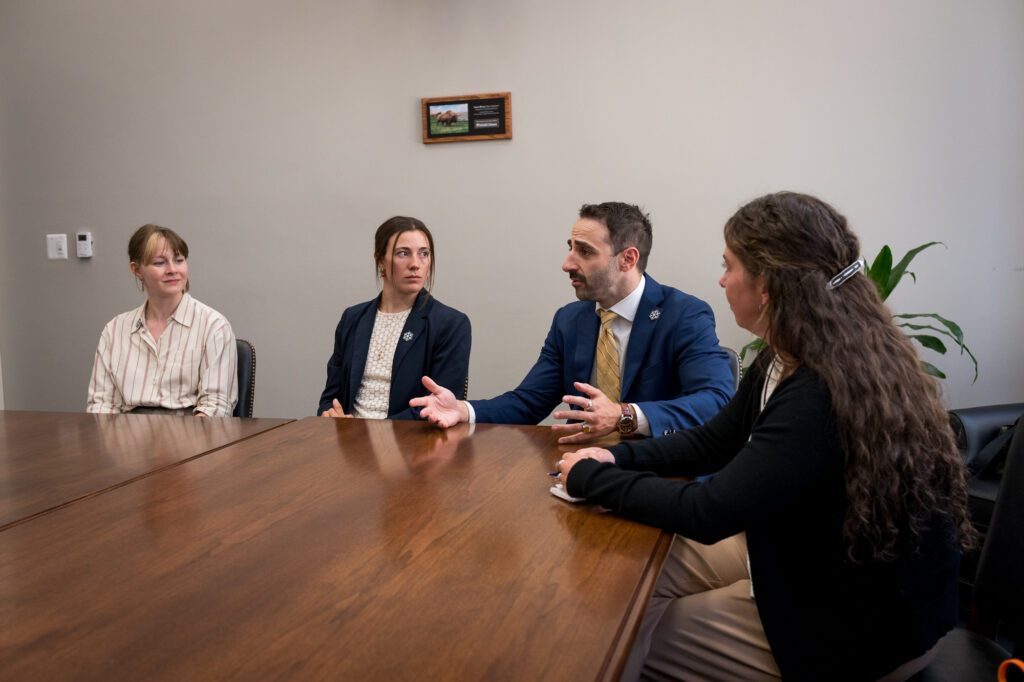
Over the course of the 48-hour mission, the delegation conducted 38 separate meetings with congressional offices and staff. A key component of their strategy was the pursuit of bipartisan dialogue; the group met with 15 Republican and 23 Democratic offices, including influential members of the House Natural Resources Committee. This balanced approach was intended to demonstrate that the preservation of public lands and the mitigation of climate-driven disasters, such as droughts and wildfires, are issues that transcend traditional party lines.
The delegation was notably diverse in its expertise. It included decorated Olympians such as cross-country skier Jessie Diggins, Julia Kern, Gus Schumacher, and freestyle skiers Jaelin Kauf and Olivia Giaccio. They were joined by snowboarder Bea Kim and professional athlete Brody Leven. Representing the scientific community were former Environmental Protection Agency (EPA) scientist Stu Nissenbaum and Dr. Tracy Fanara. The creative and business sectors were represented by filmmakers Max Lowe and Mike Thurk, photographer Chris Shane, and POW Action Fund Board member Jamey Delaplane.
Confronting EPA Deregulation and Sidelined Science
A central pillar of the delegation’s advocacy was the restoration of the EPA’s regulatory authority. The group presented evidence that the recent sidelining of scientific data in federal decision-making has led to weakened enforcement of pollution standards. The EPA, established by Congress in 1970, was designed to function as a science-led agency tasked with protecting human health and the environment. The delegation argued that the current trajectory of deregulation undermines this mission and poses a direct threat to the communities that depend on clean natural resources.
The presence of Stu Nissenbaum, a former EPA scientist, provided a unique level of technical credibility to these discussions. Nissenbaum provided firsthand accounts of the practical consequences of stripping away protections, focusing on the loss of public health safeguards and the resulting strain on the outdoor economy. By highlighting the economic risks associated with increased pollution, the delegation aimed to appeal to lawmakers who prioritize fiscal stability and community resilience.
The outdoor recreation industry is a massive contributor to the United States economy, supporting millions of jobs and contributing approximately $1.1 trillion to the annual Gross Domestic Product (GDP). The delegation emphasized that this entire economic sector relies on the stability of the climate and the health of public ecosystems. When air and water quality are compromised, the fundamental "infrastructure" of the outdoor industry—the land itself—is degraded.
Defending Public Lands from Fossil Fuel Expansion
The second major focus of the D.C. visit was the rapid expansion of oil and gas leasing on iconic public landscapes. The delegation expressed particular concern regarding recent actions by the Department of the Interior, which held a significant lease sale in the National Petroleum Reserve-Alaska (NPR-A). This sale resulted in 187 leases covering roughly 1.3 million acres of sensitive habitat. Furthermore, the delegation addressed the opening of bids for the Coastal Plain of the Arctic National Wildlife Refuge, a move that has drawn intense scrutiny from conservationists and indigenous groups.
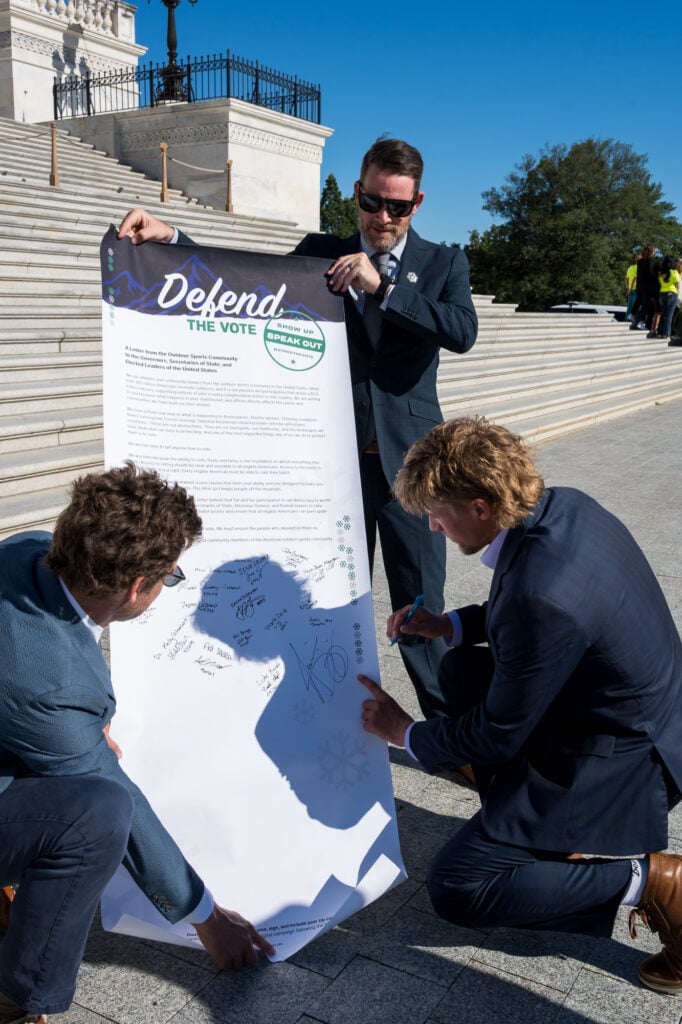
The message delivered to lawmakers was unequivocal: public lands should not be sacrificed for short-term industrial gains. The delegation urged members of Congress to support the Arctic Refuge Protection Act. This proposed legislation is viewed by advocates as the most robust long-term mechanism to prevent the industrialization of the Refuge and preserve its ecological integrity for future generations.
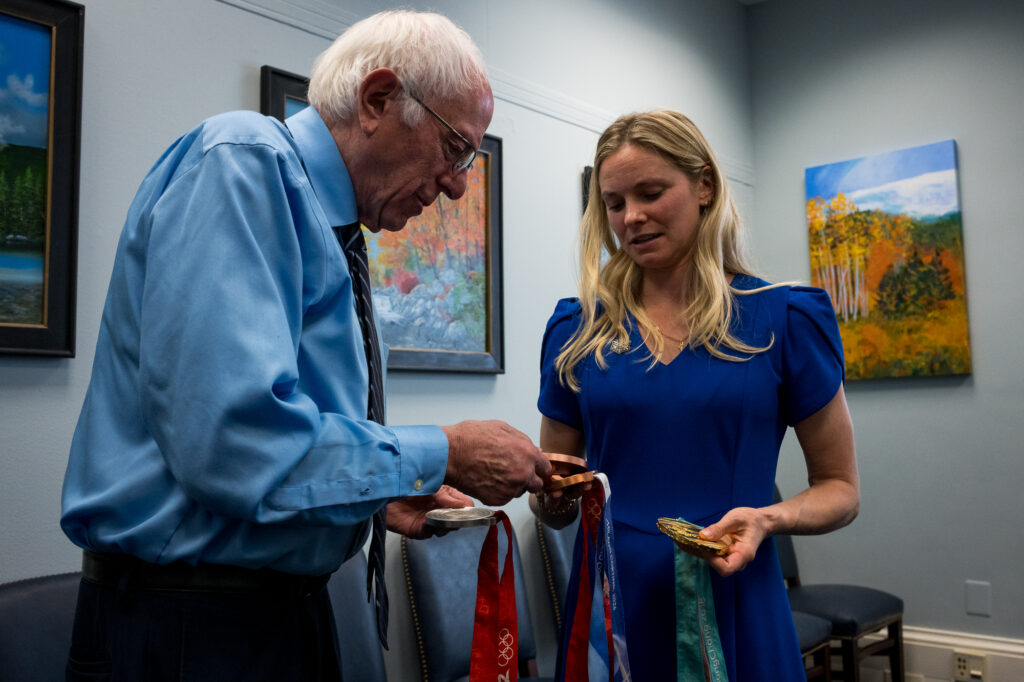
Gus Schumacher, an Olympic skier and member of the POW Ski Alliance, noted during the meetings that while different parties may have varying ideas on how to achieve environmental goals, the protection of air and water remains a shared value among the American public. "We have the solutions to protect it," Schumacher stated, emphasizing the need for legislative willpower to implement existing climate strategies.
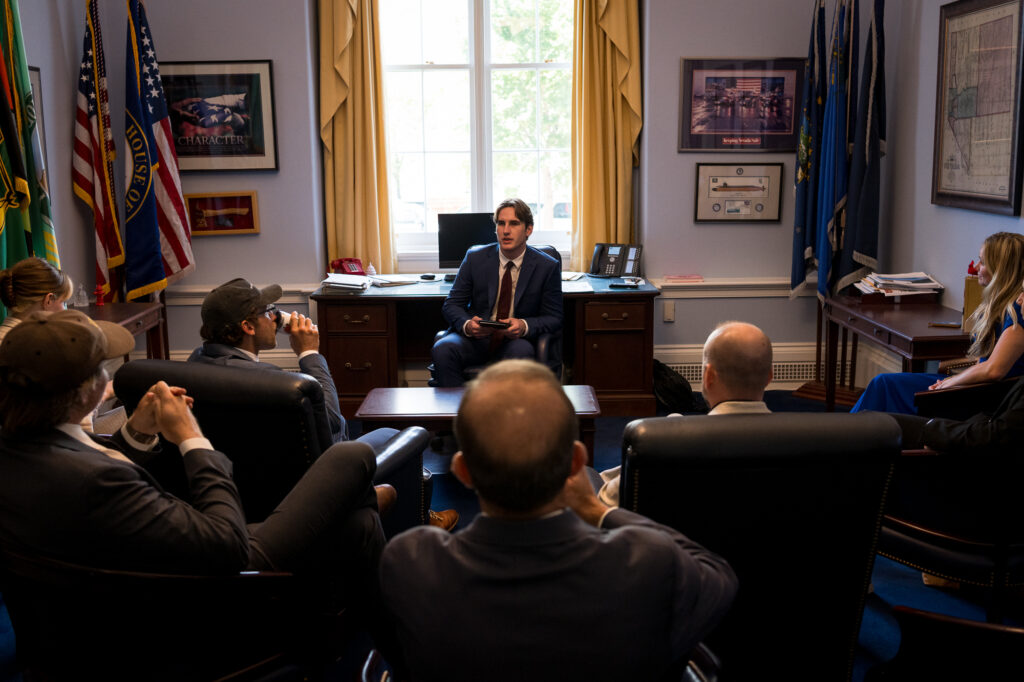
The Power of the Messenger: Athletes and Scientists in the Room
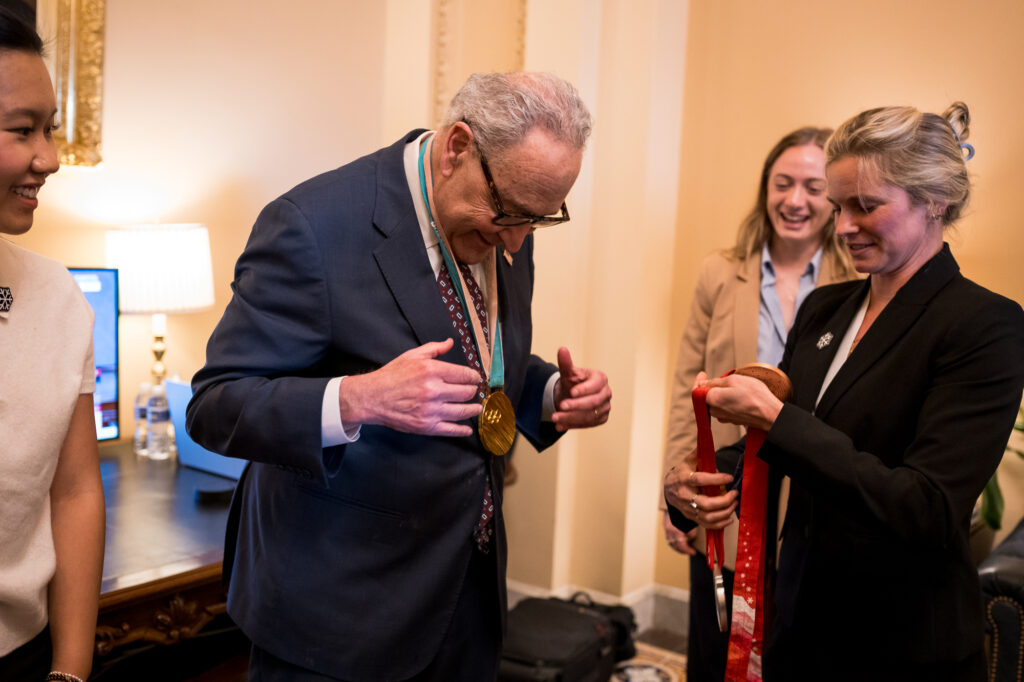
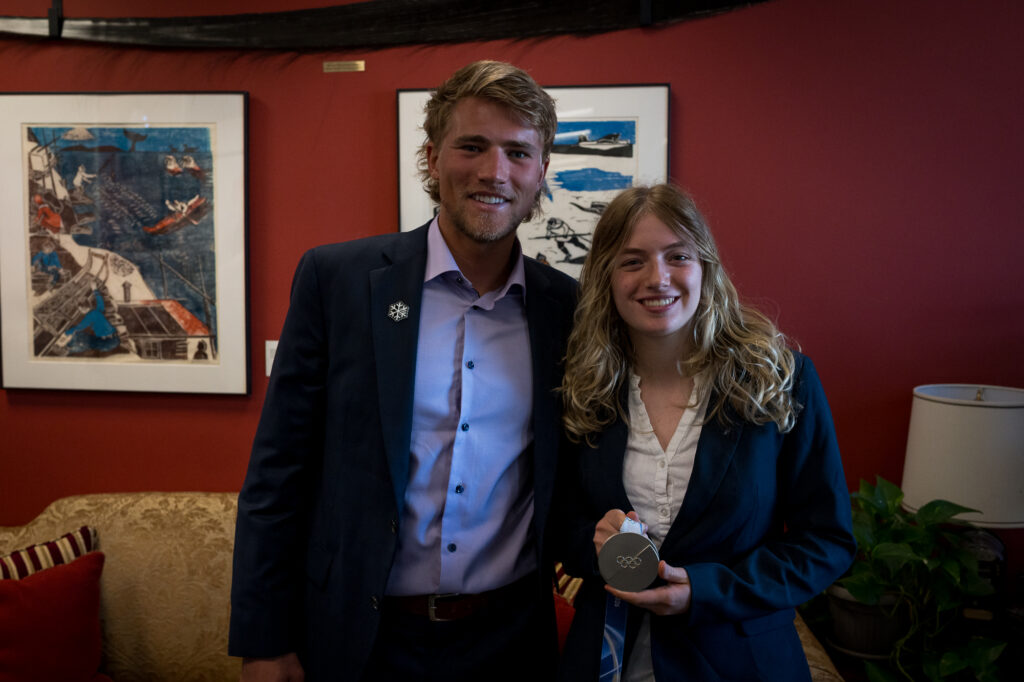
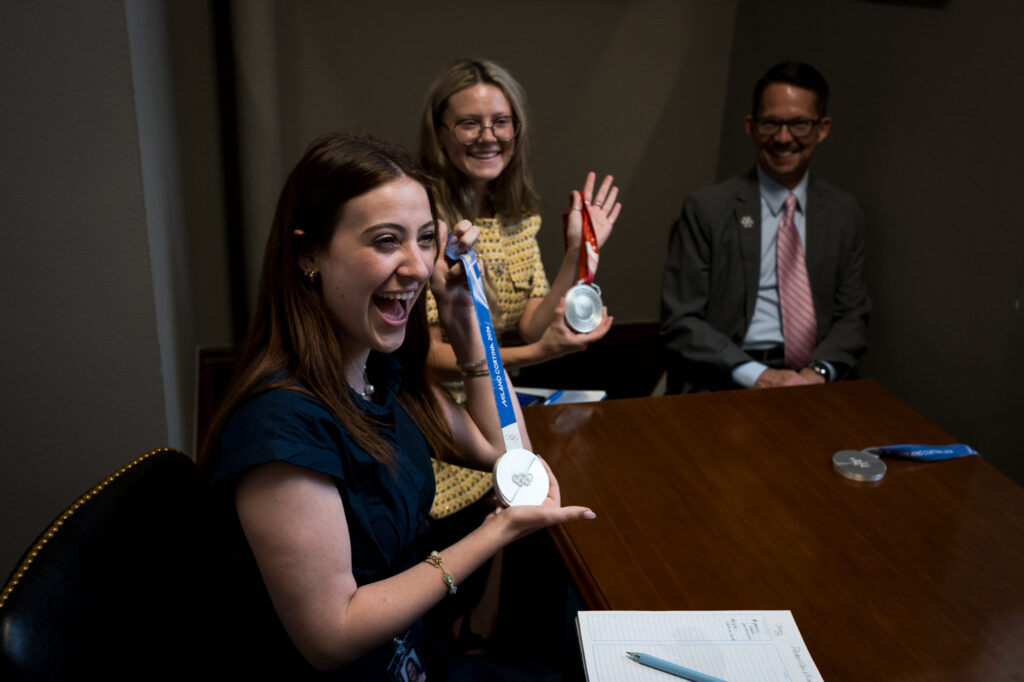
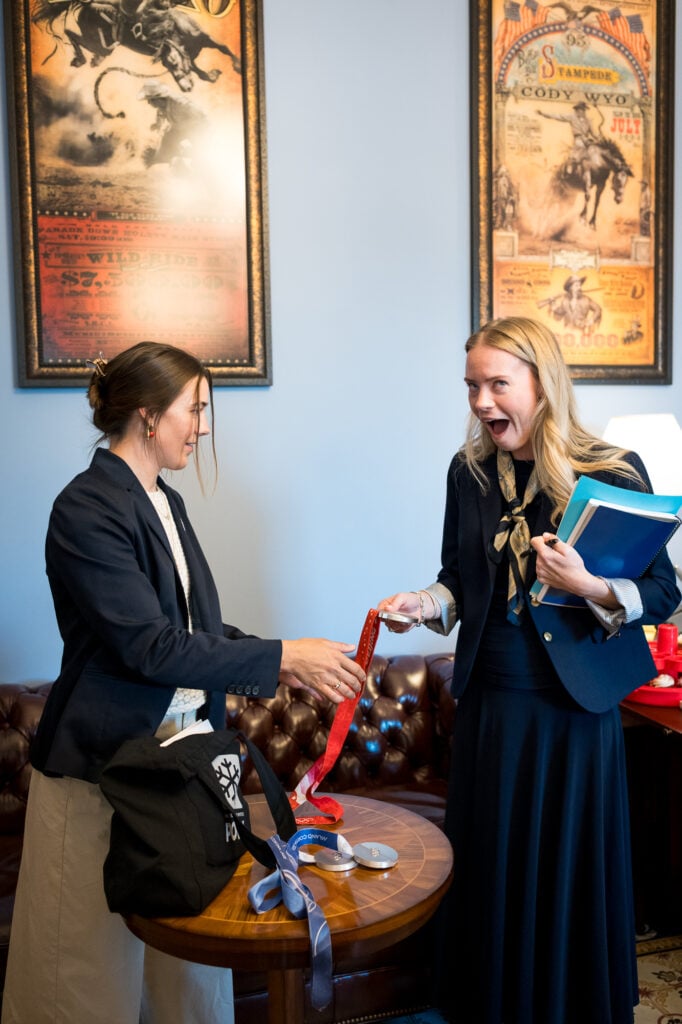
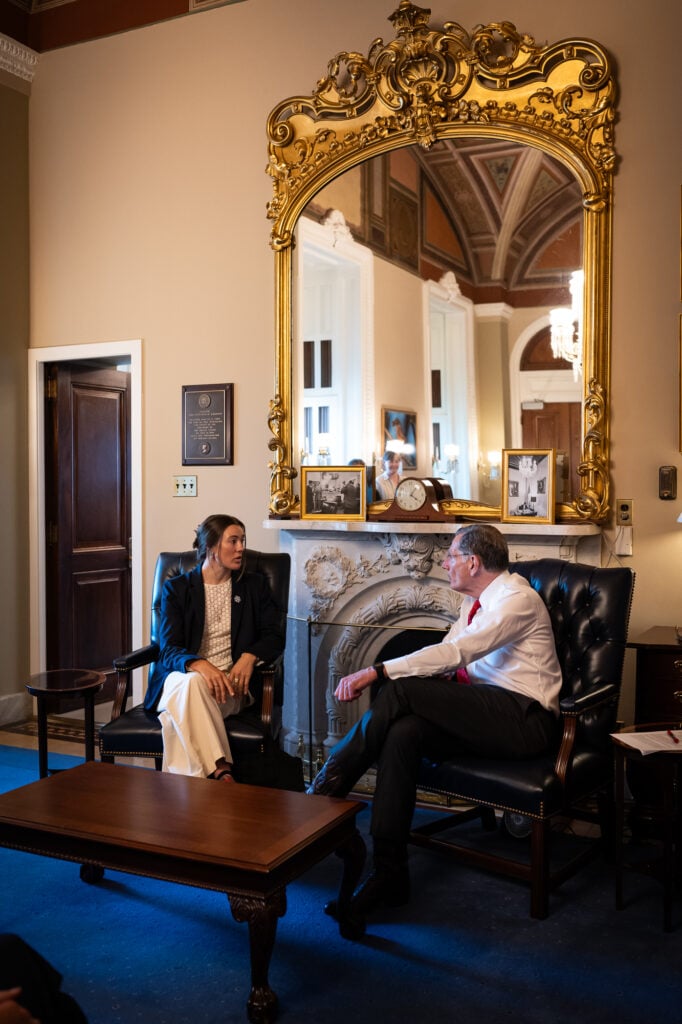
One of the most effective aspects of the trip was the use of "trusted messengers." Congressional staffers and lawmakers often find themselves inundated with lobbyists representing industrial interests. The sight of Olympic athletes—some of whom brought their medals into the meetings—provided a stark contrast. The athletes shared personal stories of how receding glaciers, shorter winters, and unpredictable weather patterns are directly impacting their sports and livelihoods.
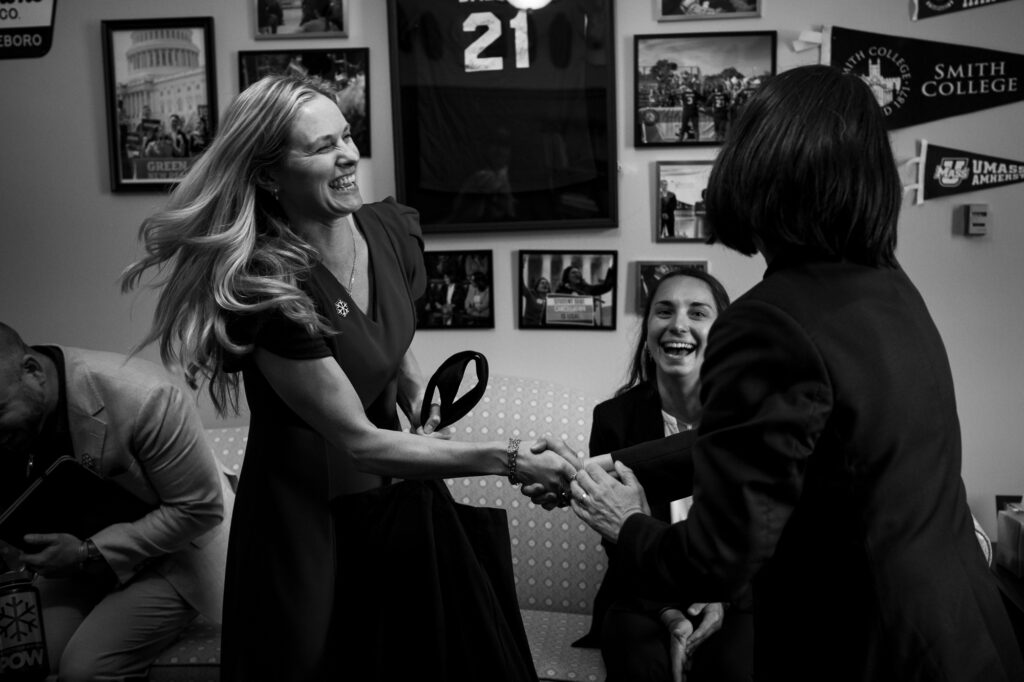
When Jessie Diggins met with Senate Majority Leader Chuck Schumer, the conversation bridged the gap between elite athletics and legislative policy. The athletes were able to humanize the data, showing that climate change is not a distant threat but a current reality for the winter sports community. This was complemented by the "Science Alliance" members, who provided the substantive expertise necessary to answer technical questions regarding carbon emissions and ecological degradation.
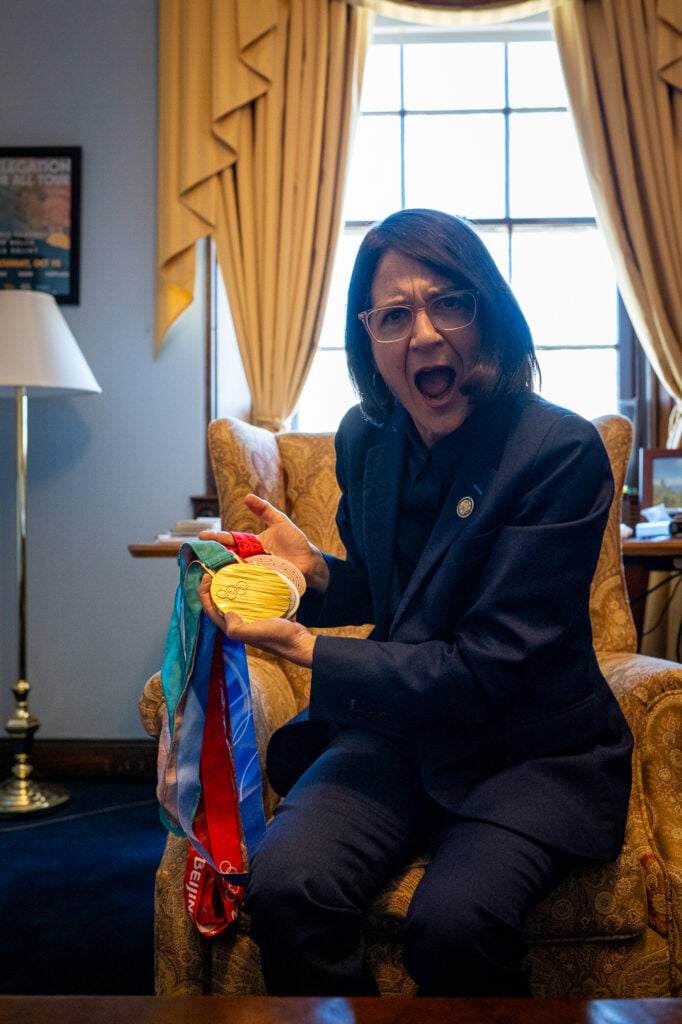
Max Lowe, a filmmaker and member of the POW Creative Alliance, reflected on the complexity of the legislative process following the trip. He observed that while the pace of government can be frustratingly slow, direct engagement remains the most effective way to ensure the "greater good of the people" is upheld. Lowe noted that the best path toward systemic change often requires patience and consistent presence in the halls of power.
Broader Implications and the Path Forward
The delegation’s efforts come at a critical juncture for U.S. environmental policy. As the 2025 deregulation efforts continue to unfold, the role of non-governmental organizations like Protect Our Winters has become increasingly vital. By mobilizing a constituency that includes hunters, anglers, skiers, and small business owners from "gateway towns," POW is building a broad-based coalition that is difficult for lawmakers to ignore.
The "Outdoor State" represents a significant voting bloc. According to industry data, more than half of the U.S. population participates in outdoor recreation at least once a year. This demographic is increasingly identifying climate change as a top-tier political issue. The delegation’s focus on nonpartisan messaging—specifically regarding the mitigation of wildfires and droughts—appears to be a strategic move to build alliances in regions of the country that may be more conservative but are nonetheless suffering from the physical effects of a changing climate.
As the delegation departed Washington, the focus shifted toward long-term follow-up. The 38 meetings served as the foundation for ongoing relationships with congressional offices. The group intends to continue monitoring the progress of the Arctic Refuge Protection Act and will remain vocal in its opposition to any further dismantling of EPA authority.
The trip also highlighted a growing trend in environmental advocacy: the integration of economic, scientific, and personal narratives. By bringing a former EPA scientist to explain the "how," and an Olympic athlete to explain the "why," the delegation created a comprehensive argument for conservation that addresses both the head and the heart.
In the coming months, the impact of this advocacy will be measured by legislative actions. Whether Congress moves to reinstate environmental safeguards or continues to allow the expansion of fossil fuel extraction will depend, in part, on the persistent pressure applied by groups like Protect Our Winters. For now, the delegation has made it clear that the outdoor community is no longer content to sit on the sidelines; they are showing up, they are informed, and they are demanding that public lands remain a priority in the national agenda.

