
Every significant outdoor endeavor—whether it is an ascent of a technical peak or the completion of a long-distance endurance race—requires a meticulous foundation of preparation and conditioning. Athletes understand that success in high-stakes environments is rarely the product of chance; it is the result of deliberate planning, the acquisition of appropriate gear, and the cultivation of a resilient mindset. As the political landscape shifts toward the 2026 midterm elections, advocates for environmental protection are increasingly applying this same philosophy to the democratic process. For those who rely on the integrity of public lands, clean air, and water, the upcoming electoral cycle represents a critical juncture where the margins of success are as narrow as those found on a technical climbing route.
The Legislative Landscape and Environmental Rollbacks
The past eighteen months have been characterized by a series of significant administrative and legislative shifts that have fundamentally altered the trajectory of environmental policy in the United States. Following various judicial decisions and shifts in congressional priorities, several key protections governing public lands, the Clean Air Act, and the Clean Water Act have faced unprecedented scrutiny. These rollbacks, which include the expansion of oil and gas leasing on federal lands and the narrowing of the definition of "waters of the United States" (WOTUS), have alarmed conservation groups who argue that the regulatory framework designed to safeguard natural resources is being systematically dismantled.
The implications of these policy changes are profound. When oversight agencies and legislative bodies prioritize industrial extraction over ecological preservation, the impact is felt directly by the "Outdoor State"—a massive, bipartisan demographic of skiers, hikers, anglers, mountain bikers, and climbers who contribute significantly to the national economy through recreation. According to the Bureau of Economic Analysis, the outdoor recreation economy accounts for approximately 2.2% of the U.S. Gross Domestic Product, generating over $1.1 trillion in economic output. Despite this economic weight, advocates argue that the interests of this demographic are frequently sidelined in the halls of Congress.
The 2026 Midterm Outlook: A Strategic Mobilization
The 2026 midterm elections are widely viewed by political analysts as a definitive test of the current legislative direction. Historically, midterms have often resulted in a "check" on the sitting administration, but the 2026 cycle is unique due to the intersection of urgent climate realities and shifting demographics. Protect Our Winters (POW), a leading advocacy organization, has initiated an aggressive campaign aimed at activating this "Outdoor State" with the specific goal of reaching 45 million eligible voters.
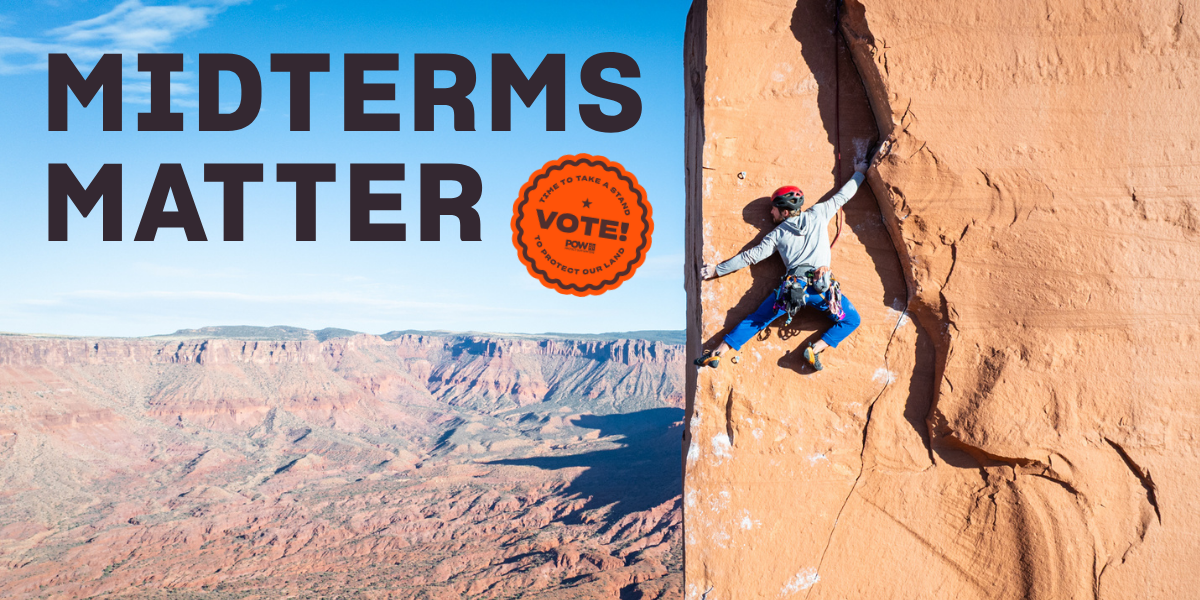
The strategy hinges on the concept of "shifting who decides"—a concerted effort to replace apathy with civic engagement. The logic is rooted in the high-stakes reality of modern politics: many legislative outcomes in the United States are determined by razor-thin margins in swing districts. In much the same way that a few millimeters of precision can determine the success or failure of a climb, the outcomes of local and federal elections often hinge on a small but motivated percentage of the electorate. By focusing on voter registration, education, and turnout, organizers aim to ensure that climate policy becomes a non-negotiable priority for lawmakers who currently perceive it as a secondary concern.
Chronology of Legislative and Voter Engagement
The push toward the 2026 midterms is built upon a decade of fluctuating voter turnout. While the 2022 midterm election saw a historic 52% turnout of the voting-age population—only the third time since 1978 that turnout exceeded the 50% threshold—the momentum remains fragile. The current strategy involves a phased approach to voter mobilization:
- 2024–2025: Infrastructure and Registration. Organizations are currently focused on identifying unregistered voters within the outdoor community, utilizing digital tools and local trailheads to bridge the gap between recreational activity and civic duty.
- Early 2026: Educational Campaigns. This period is designated for the dissemination of voting records and environmental scorecards, ensuring that the electorate is informed about how specific representatives have voted on conservation-related legislation.
- Autumn 2026: Get-Out-The-Vote (GOTV) Operations. The final months before the election will see an intensive push to ensure that voters have access to mail-in ballots, early voting centers, and polling locations, minimizing the friction that often prevents motivated citizens from casting their ballots.
Data-Driven Analysis of the Outdoor Voting Bloc
The political power of the outdoor recreation community is statistically significant but historically under-leveraged. Recent polling suggests that voters who prioritize environmental protection and climate action cross traditional partisan lines, particularly in Western states. In many of these districts, the margin of victory is less than 5%, meaning that even a modest increase in turnout from a single demographic can alter the outcome of a race.
Furthermore, the economic argument for environmental protection is gaining traction. As wildfires, prolonged droughts, and erratic weather patterns impact the outdoor industry’s bottom line, business leaders within the sector are increasingly vocal about the need for legislative stability. The coalition building around the 2026 midterms includes not only individual recreationists but also small businesses that rely on stable seasons for their economic viability. This alignment of economic self-interest and environmental stewardship is a key component of the current mobilization strategy.
Implications for Federal Policy
The broader implications of the 2026 midterms extend beyond the ballot box. Should the outdoor community successfully influence the composition of the next Congress, the immediate impact would likely be a resurgence of oversight regarding the Department of the Interior and the Environmental Protection Agency. Advocates are pushing for a return to science-based land management, a reversal of recent mineral leasing expansions, and a stronger commitment to the Paris Agreement climate targets.

However, political scientists warn that mobilization is only the first step. The transition from a "voter" to an "advocate" requires sustained engagement after the election. If the 2026 cycle results in a shift of power or a change in legislative priorities, the subsequent two years will be critical for codifying protections into law, ensuring that these gains are not easily reversed by future administrations.
Official Responses and Organizational Goals
While direct responses from federal lawmakers vary, the rhetoric from committees responsible for public lands management has begun to acknowledge the pressure from outdoor interest groups. During recent hearings on public land usage, several members of Congress noted the rising tide of constituent communications regarding climate-resilient infrastructure and the preservation of wilderness areas.
Protect Our Winters and similar organizations maintain that their role is that of a "backcountry guide." By demystifying the legislative process—which is often viewed as opaque and inaccessible—they hope to lower the barriers to entry for voters. "We are not just asking people to vote; we are asking them to treat their participation in democracy with the same level of preparation they would apply to their most challenging adventures," a spokesperson for the organization noted.
Conclusion: The Margin of Change
The 2026 midterm elections serve as a mirror to the values of the American public regarding the future of the natural world. The "Outdoor State" represents a potent, cross-sectional force capable of influencing the legislative trajectory of the country. By utilizing the same discipline and focus required in the outdoors, voters have the potential to turn the tide on the current wave of environmental rollbacks.
As the calendar moves toward November 2026, the question remains whether the outdoor community can consolidate its interests into a singular, undeniable electoral force. With the stakes high and the margins thin, the act of voting has been reframed not merely as a civic obligation, but as a critical component of environmental protection itself. The transition from the trail to the ballot box is, for many, the next logical step in ensuring that the landscapes they cherish remain preserved for future generations. As the effort continues to gain momentum, the focus remains clear: check the registration status, track the deadlines, and prepare for the ballot box with the same intensity reserved for the most ambitious of summits.

