
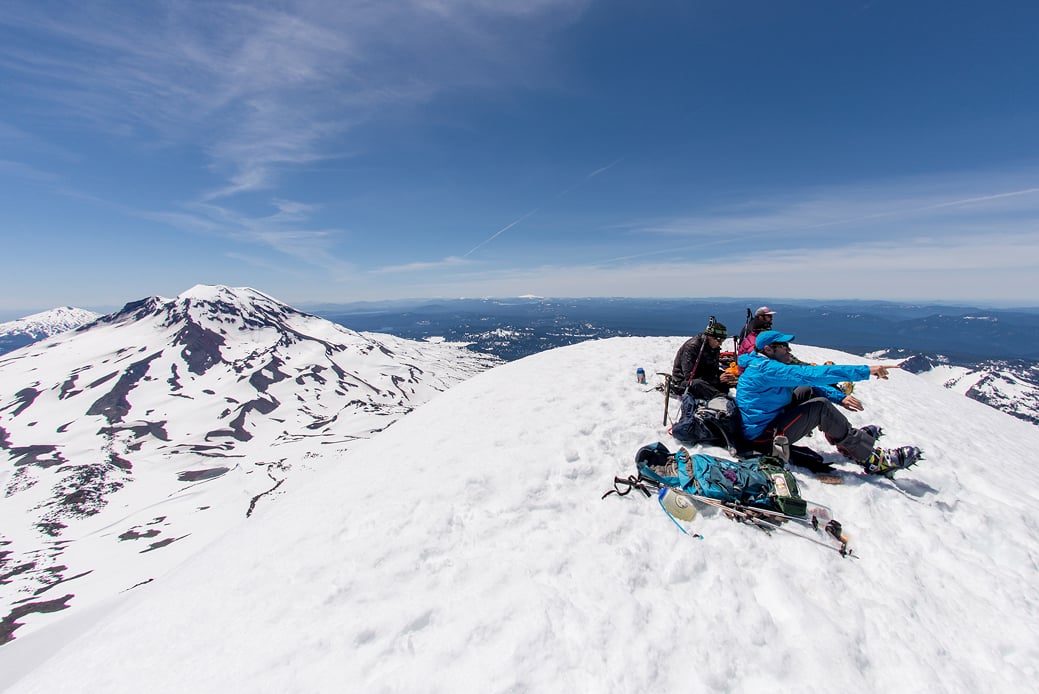
The 2025-2026 winter season in the Western United States has concluded as one of the most volatile and thermally anomalous periods in modern meteorological record-keeping. Characterized by climatologists and hydrologists as a "hot mess," the season was defined not by a catastrophic lack of moisture, but by a persistent and severe absence of the freezing temperatures necessary to sustain a viable snowpack. Across the Pacific Northwest, the Great Basin, and the Rocky Mountains, the hydrological cycle faced a significant disruption as traditional winter weather patterns failed to materialize, leading to premature melt-out dates that arrived weeks—and in some cases, months—ahead of historical norms. This climatic shift has profound implications for the region’s multi-billion-dollar outdoor recreation industry, its agricultural output, and the management of critical water resources such as the Colorado River and the Columbia River Basin.
Chronology of a Disrupted Season
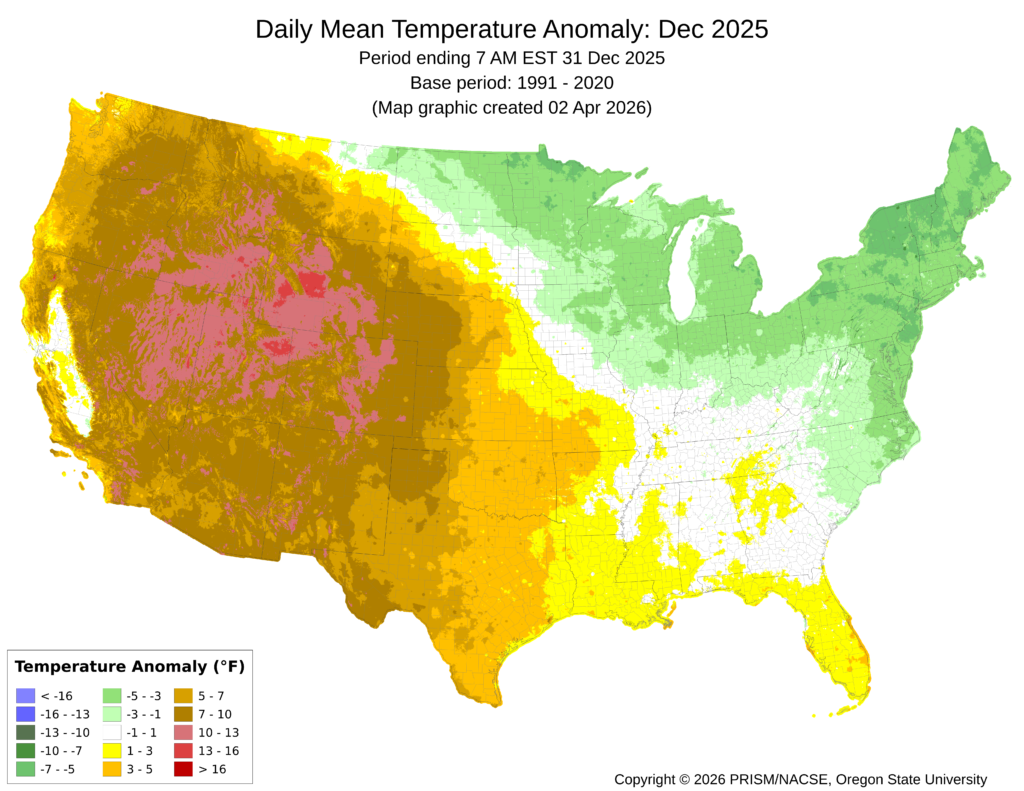
The timeline of the 2025-2026 season began with cautious optimism in late autumn, as early-season precipitation suggested a standard water year. However, as the calendar turned to December, the meteorological narrative shifted toward a record-breaking thermal anomaly. While the Northeast and Upper Midwest experienced temperatures as much as five degrees Fahrenheit below average, the Western United States faced the opposite extreme. December 2025 saw temperature anomalies ranging from 5 to 15 degrees Fahrenheit above the long-term average, effectively turning what should have been a period of snow accumulation into a period of rain and premature runoff.
For the ski industry and backcountry enthusiasts, the winter was a series of moving goalposts. Holiday periods traditionally vital for resort revenue—including New Year’s, Martin Luther King Jr. Day, and Presidents’ Day—passed with many low-to-mid-elevation slopes remaining bare or patchy. Resorts were forced into a cycle of opening, pausing operations, and reopening, only to face early closures in March. By the time spring break arrived, many regions were experiencing what is colloquially known as "low tide," with snow levels more representative of late May than mid-March.
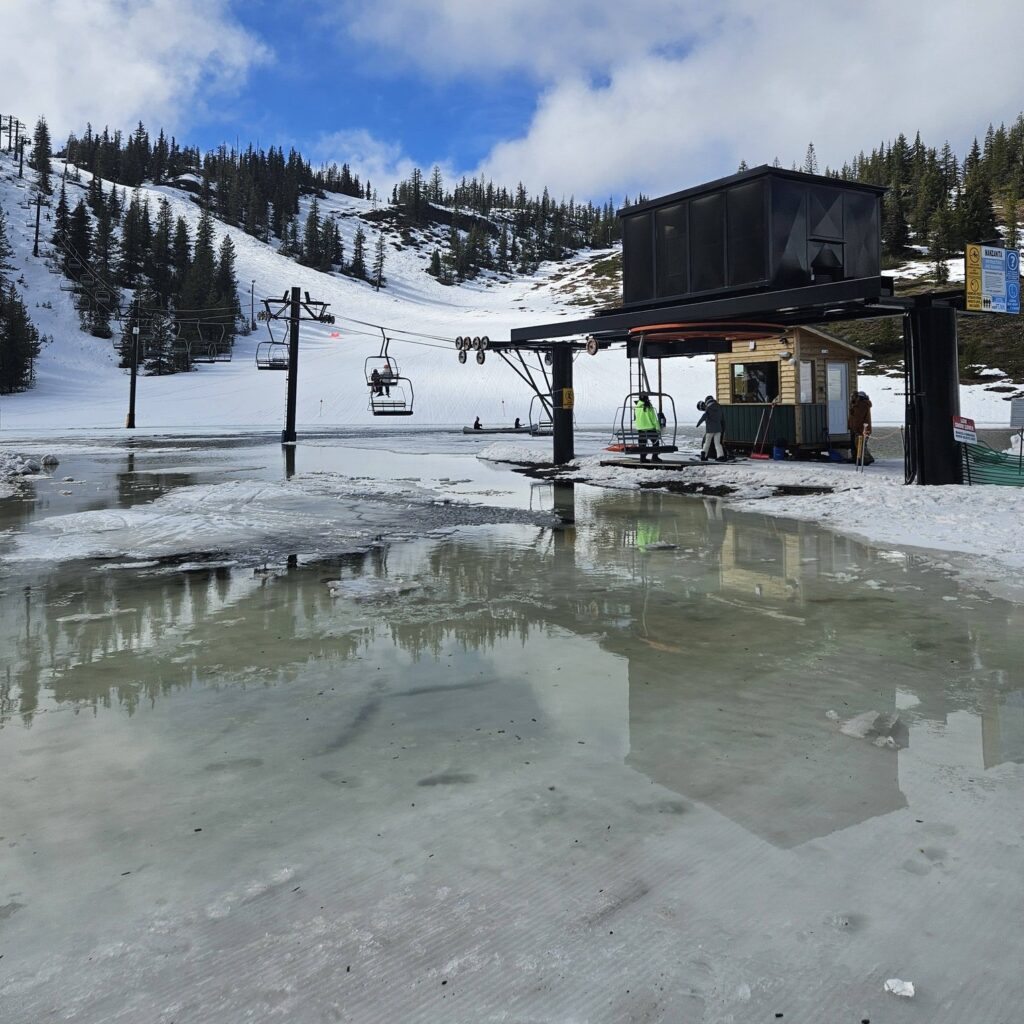
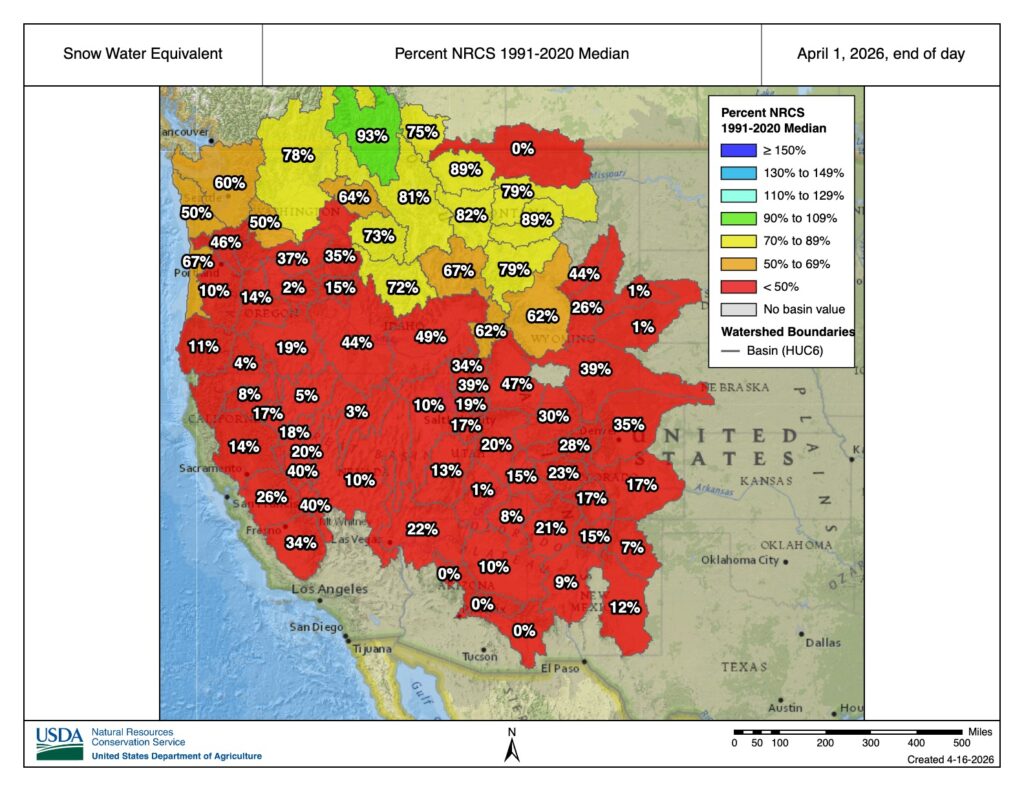
The climax of this disruption was observed in mid-April. Historically, April 1 serves as the benchmark for peak snow water equivalent (SWE) in the Western U.S., a metric used by water managers to predict summer supply. In 2026, many observation stations reported peak values that were the lowest in 45 years. In several locations, the "snow off" dates—the day when the ground becomes bare—occurred two months earlier than the historical average, leaving mountain ecosystems and human infrastructure unprepared for an elongated dry season.
The Precipitation-Temperature Paradox
Analysis of data provided by the Natural Resources Conservation Service (NRCS) reveals a complex picture of the 2025-2026 water year. The primary driver of the snow drought was not a lack of precipitation, but rather the form that precipitation took. On average, the Western U.S. received a respectable amount of total moisture. Oregon, Utah, and Colorado ran slightly below average, while northwest Wyoming, Montana, Idaho, and Washington trended slightly above average.
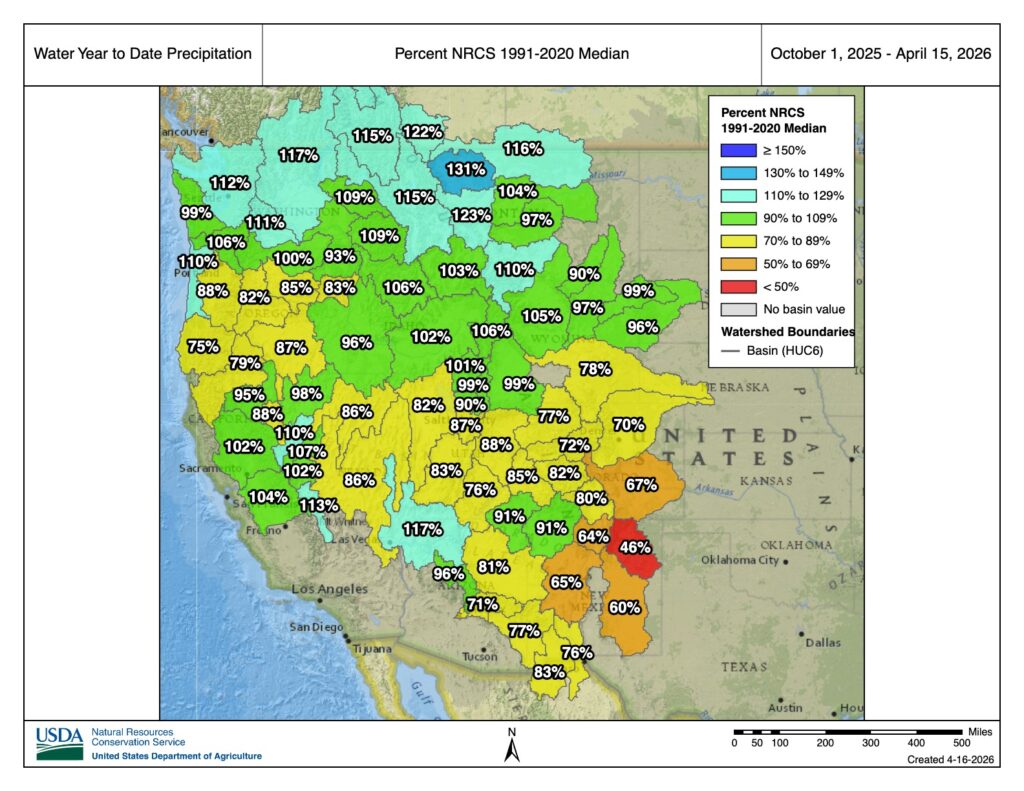
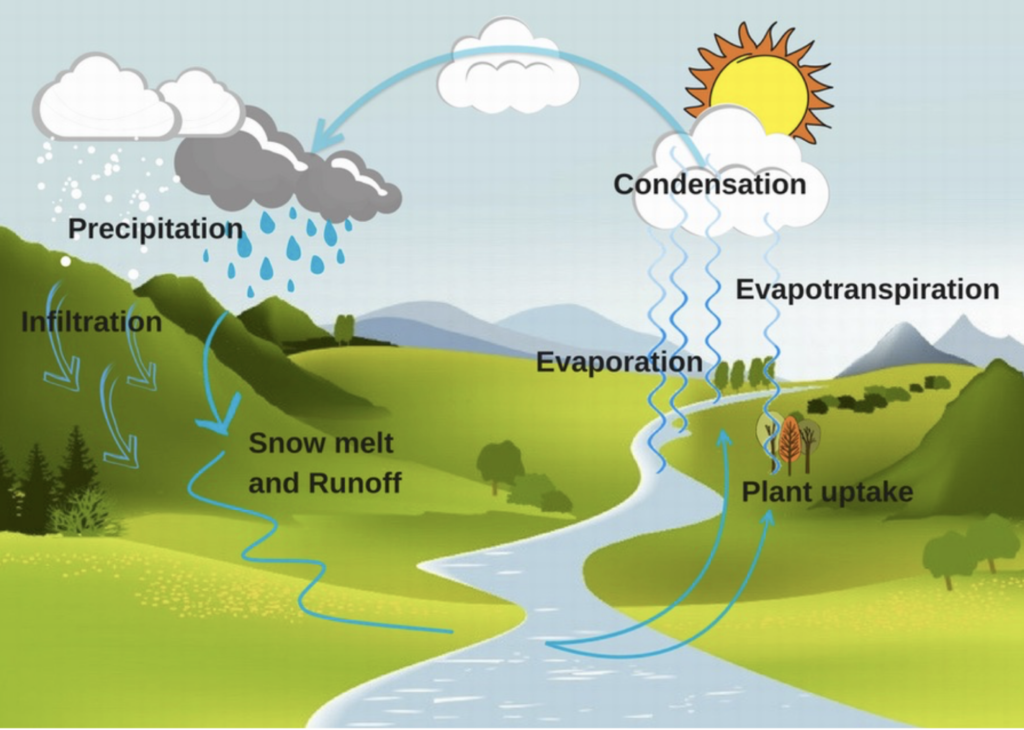
However, because of the elevated temperatures, a significant portion of this precipitation fell as rain rather than snow, even at higher elevations. This phenomenon, often referred to as a "warm winter" or "rain-on-snow" event, prevents the buildup of the seasonal snowpack. When rain falls on existing snow, it can accelerate melting, leading to immediate runoff and potential flooding rather than the slow, metered release of water that the Western U.S. relies on for summer irrigation and municipal use.
The Hydrological Role of the Snow Reservoir
To understand the gravity of a diminished snowpack, one must look at the scale of Earth’s water distribution. Although the Earth is often described as a water-rich planet, the vast majority of that water is saline or inaccessible. Fresh water available to support human life and terrestrial ecosystems represents less than one-hundredth of one percent of the global total.
On a global average, approximately one meter of precipitation falls on land surfaces annually. When distributed across the human population, this equates to roughly 13,000 gallons per person per day. While this volume appears substantial, the challenge lies in the geographical and temporal mismatch between supply and demand. In the Western United States, the majority of precipitation occurs in the winter, while the peak demand for water—driven by agriculture and cooling needs—occurs in the heat of the summer.
The seasonal snowpack acts as a "natural reservoir" that bridges this gap. As winter progresses, the snowpack stores water in solid form across vast landscapes. This distributed storage system is more efficient and environmentally integrated than man-made reservoirs. By some estimates, the volume of water stored in the contiguous United States’ snowpack at its peak is approximately five times the capacity of Lake Mead, the nation’s largest man-made reservoir. When this snowpack melts prematurely or fails to form, the region loses its most significant insurance policy against summer drought.
Impacts on Water Infrastructure and Management
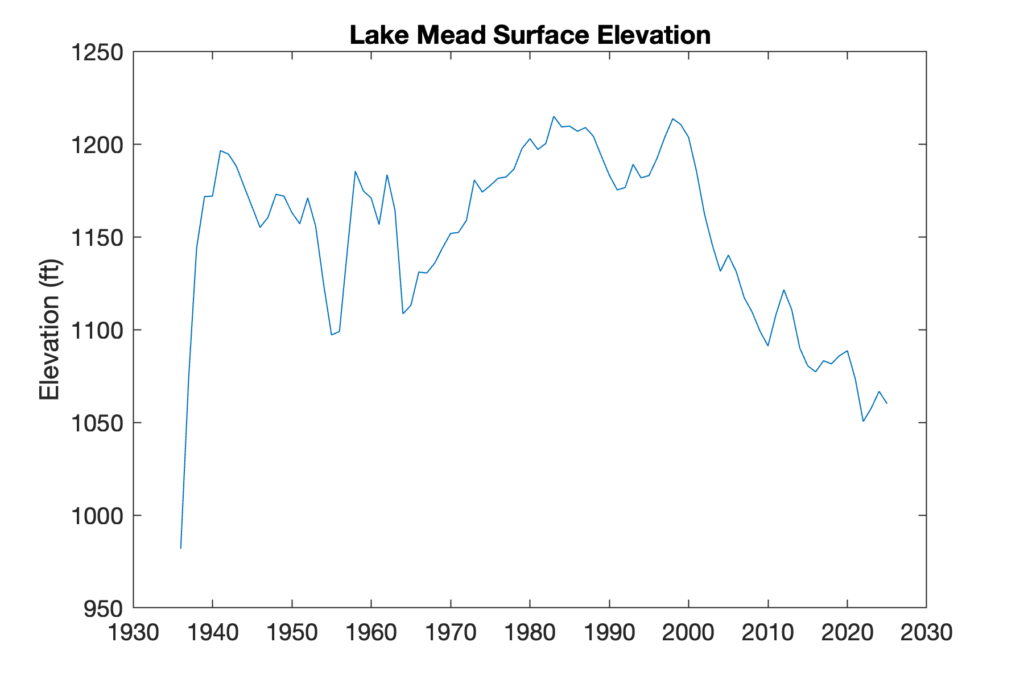
The premature loss of snowpack places immense pressure on the Western U.S. network of water supply infrastructure, including canals, aqueducts, and surface reservoirs. Systems like the Colorado River Basin are already under stress from decades of aridification. Lake Mead, which sits behind the Hoover Dam, has seen steadily declining elevations over the past twenty years.
When snow melts months early, as it did in the 2025-2026 season, it creates a management crisis for the Bureau of Reclamation and local water districts. Reservoirs often have limited capacity; if they are filled too early by rapid spring runoff, managers may be forced to release water to maintain safety margins for flood control. This released water is effectively lost to the sea, leaving less available for the late-summer months when streamflows naturally dwindle.
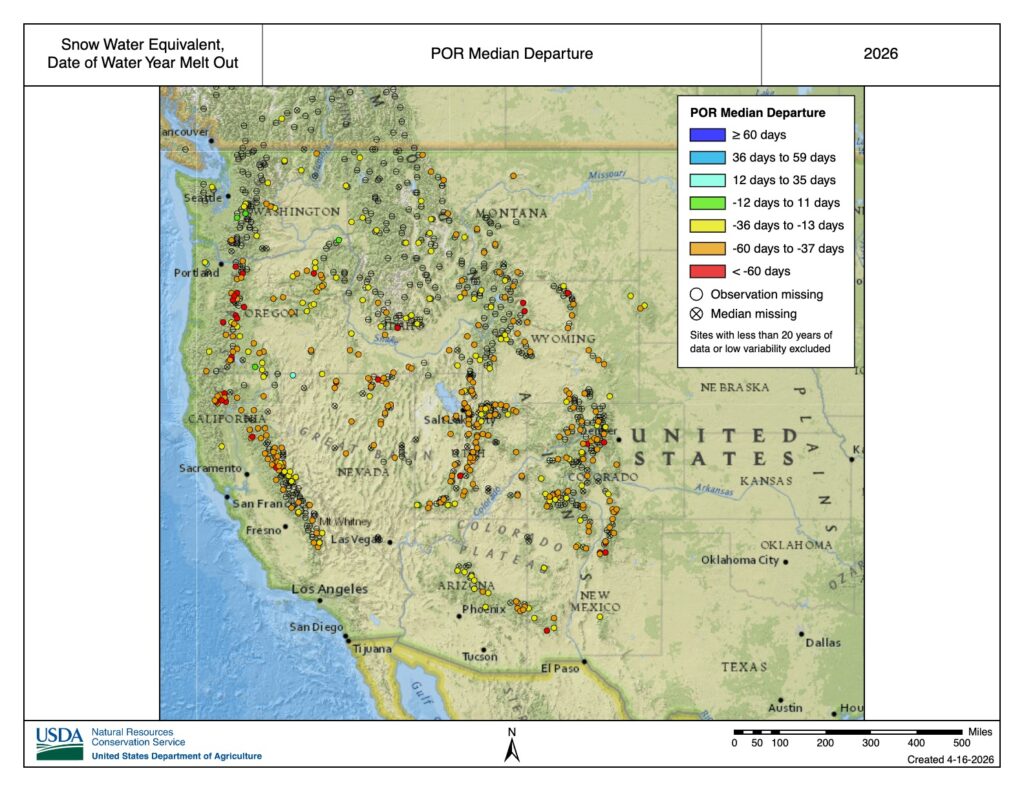
The early runoff also impacts aquatic ecosystems. Many species, including Pacific salmon and various trout species, rely on the sustained release of cold meltwater to maintain viable habitat temperatures throughout the summer. A "snow off" date that occurs two months early results in warmer stream temperatures and lower water levels by July and August, increasing the risk of mass die-offs and ecosystem collapse.
Economic and Agricultural Implications
The economic ramifications of the 2025-2026 season extend far beyond the ski lift. The Western U.S. agricultural sector, which produces a significant portion of the nation’s fruits, nuts, and vegetables, is highly dependent on predictable runoff patterns. In states like California and Washington, irrigation districts may face curtailed deliveries, forcing farmers to fallow land or rely on overstressed groundwater aquifers.
Furthermore, the early disappearance of snow increases the risk of a severe wildfire season. Snowpack serves as a natural retardant that keeps forest fuels moist well into the summer. When the snow vanishes in March or April, the "fire window"—the period during which forests are dry enough to ignite—is extended by several weeks. This places an additional burden on state and federal firefighting budgets and threatens mountain communities.
Expert Analysis and Long-term Trends
Dr. David Hill, a professor at Oregon State University and a National Geographic Explorer who has studied mountain hydrology for over 25 years, notes that while the 2025-2026 season was extreme, it fits into a broader, concerning trend. "Snow is unpredictable and highly variable across different time scales," Hill states. "However, playing the long game, we see that both the volume of snow and the duration it remains on the ground are dwindling in many areas."
Climatologists emphasize that the "feast or famine" nature of Western winters—where a lean year can be followed by a record-breaking one—often masks the underlying trend of "snow drought." The 2025-2026 season serves as a "stress test" for regional resilience, highlighting the vulnerabilities of a society that has built its water and economic systems around a predictable winter freeze that may no longer be guaranteed.
Conclusion and Future Outlook
The 2025-2026 snow season has left the Western United States in a precarious position heading into the summer months. With the "natural reservoir" of the mountains largely depleted by early spring, the focus now shifts to conservation and the optimization of man-made storage.
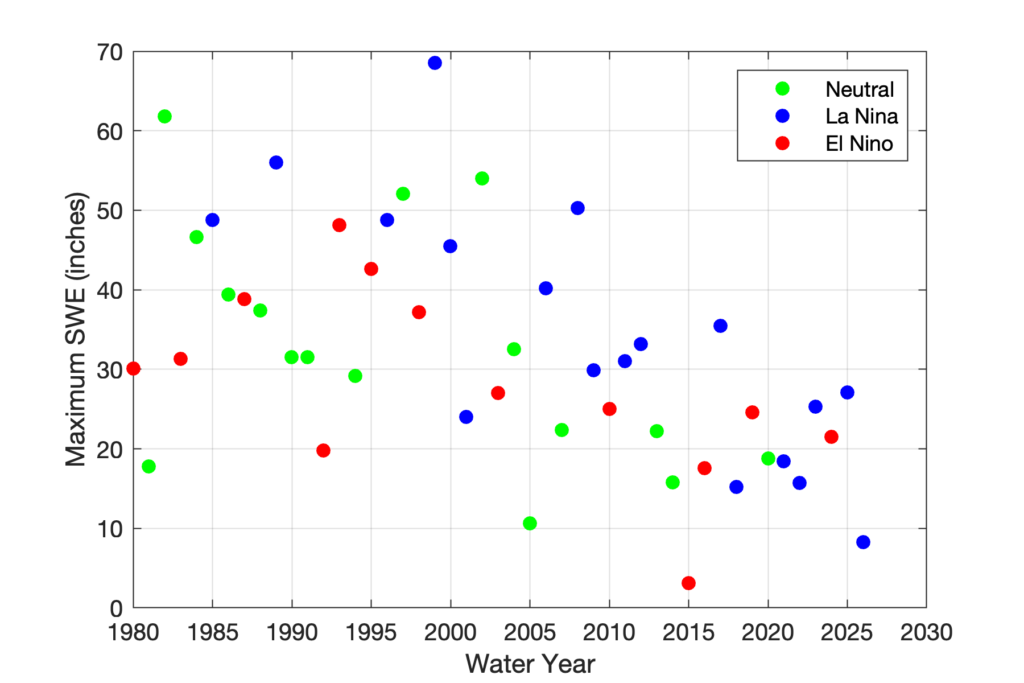
The season serves as a stark reminder that in the West, snow is not merely a backdrop for recreation but a fundamental pillar of the regional economy and survival. While the "glass half full" perspective suggests that a record-breaking winter could return next year, the data indicates that the margin for error is thinning. As temperatures continue to trend upward, the challenge for the next decade will be adapting water management strategies to a world where the mountains can no longer be relied upon to hold the water until it is needed. For now, the region braces for a long, dry summer, looking toward the 2026-2027 season with the hope that the "hot mess" of the past year remains an outlier rather than a new permanent reality.

