
The legendary slopes of the Bec des Rosses witnessed a monumental shift in the hierarchy of competitive freeriding as Swiss-Mexican snowboarder Liam Rivera delivered a performance for the ages. Capturing the title at the prestigious YETI Xtreme Verbier, Rivera not only claimed the top step of the podium but did so by obliterating the historical scoring ceiling for the men’s snowboard division on one of the most intimidating faces in winter sports. Registering an unprecedented score of 96 points, the reigning FIS Freeride World Champion cemented his status as a generational talent, transforming a childhood dream into a defining professional milestone in front of an ecstatic home crowd in Switzerland.
The event, a cornerstone of the Freeride World Tour (FWT), represents the ultimate proving ground for elite big-mountain riders. Known for its sheer vertical drop, complex maze of cliffs, and unpredictable snow conditions, the Bec des Rosses demands absolute technical precision combined with calculated risk. For Rivera, whose formative years were spent watching the iconic competition and rising through the ranks of the local Verbier Freeride Team, conquering this face was both a personal pilgrimage and an athletic masterclass.
A Masterclass in High-Risk Freeriding
From the moment he dropped into the starting gate, Rivera made it clear that he was not competing merely for a podium finish, but for history. Eschewing conservative tactics that often characterize high-stakes descents, the 26-year-old rider selected an uncompromising, high-velocity line that immediately set him apart from his competitors.
The centerpiece of his run was a colossal air off the formidable cliffs at the upper section of the Bec des Rosses—a feature that requires flawless execution to avoid catastrophic consequences. Carrying immense speed through the transition, Rivera maintained absolute composure before navigating a technical mid-section that culminated in a powerful, perfectly landed backflip. The combination of exposure, technical difficulty, and fluid execution sent shockwaves through the judging panel and triggered the loudest ovation of the day from the thousands of spectators gathered in the finish corral.
The resulting score of 96 points shattered previous benchmarks for the men’s snowboard category at Verbier. It was a validation of a strategy that balanced raw aggression with elite-level mountaineering skills, reflecting years of localized knowledge and rigorous physical preparation on the Swiss peaks.
Drama on the Podium and the FWT Title Race
While Rivera captured the headlines with his record-breaking descent, the broader competition carried significant implications for the overall Freeride World Tour standings. French veteran Victor de Le Rue delivered a characteristically smooth and tactical run, earning 75 points to secure second place on the day.
Though de Le Rue yielded the day’s victory to Rivera, his performance proved more than sufficient to lock down a historic fifth overall FWT title. The achievement further solidifies de Le Rue’s legacy as one of the most consistent and dominant figures in the history of competitive snowboarding. The juxtaposition of Rivera’s explosive, record-breaking triumph and de Le Rue’s enduring championship consistency provided a compelling narrative arc for the conclusion of the season, underscoring the depth of talent currently defining the sport at the highest level.
Chronology of a Landmark Season
Rivera’s victory at the YETI Xtreme Verbier serves as the crescendo of an exceptional competitive cycle. The chronology of his ascent through the freeride ranks highlights a trajectory marked by steady progression and peak-season execution.
Having previously claimed the prestigious title of FIS Freeride World Champion, Rivera entered the Verbier leg of the tour bearing the weight of high expectations. Throughout the lead-up to the event, his training regimen focused heavily on mental visualization and equipment optimization. Competing on Nidecker equipment, including the widely acclaimed LT Supermatic bindings—which recently earned a coveted spot in the Whitelines 100 industry guide—Rivera maintained seamless synergy between his physical capabilities and his hardware setup.
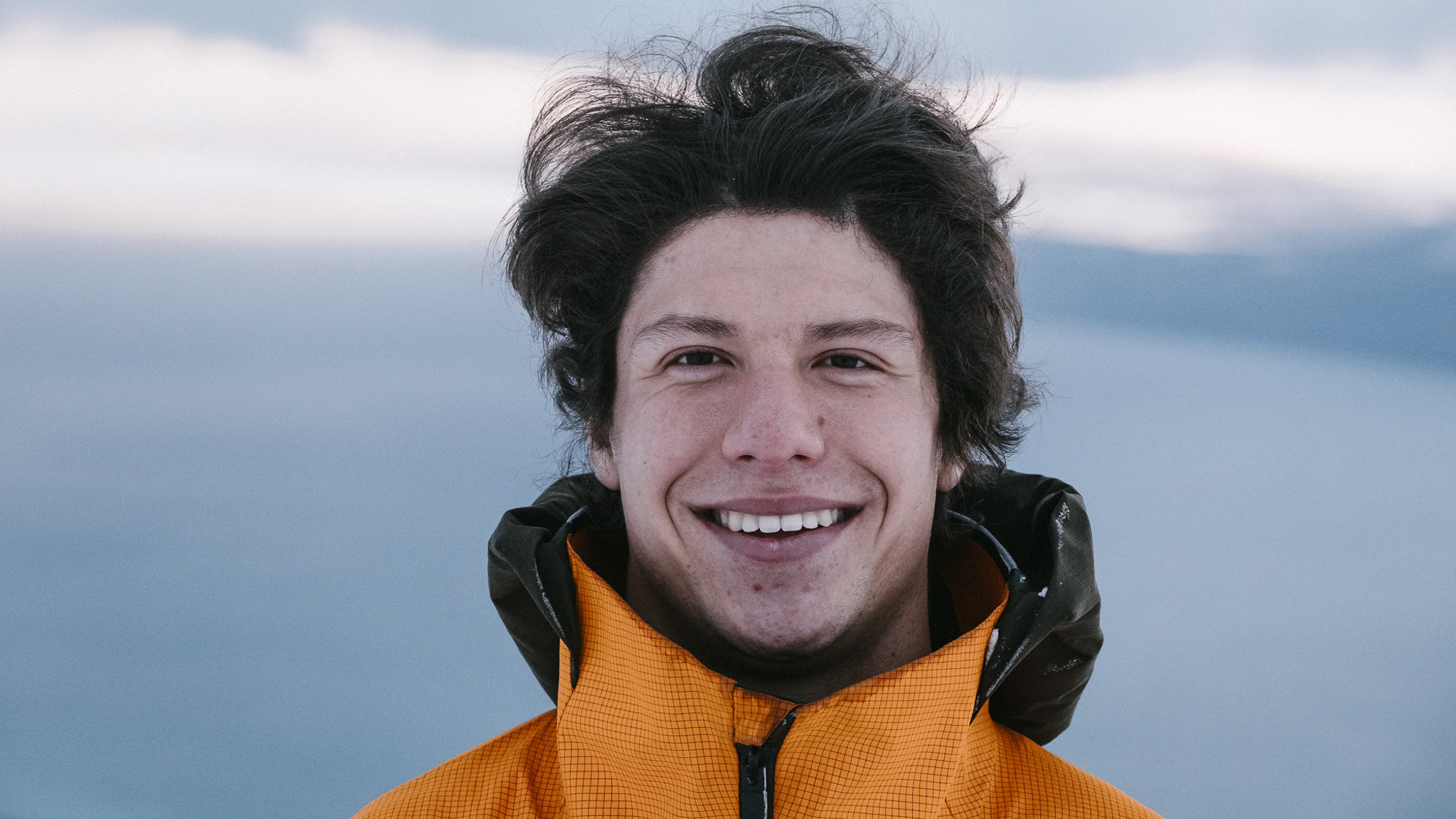
As the season progressed, analysts noted a distinct evolution in Rivera’s approach to line selection. Where younger riders often succumb to the pressure of the upper-tier tour stops, Rivera demonstrated a maturity that allowed him to read complex snowpacks and execute complex aerial maneuvers without compromising safety or control. This calculated approach culminated on the Bec des Rosses, where months of preparation materialized into a flawless four-minute window of athletic brilliance.
Official Reactions and Industry Perspectives
The magnitude of Rivera’s achievement resonated deeply within the snowsports industry, drawing praise from peers, sponsors, and event organizers alike.
Reflecting on his victory immediately after the event, Rivera expressed a mixture of awe and profound gratitude. "It’s a competition I’ve watched since I was a kid, and winning it feels unreal," Rivera stated, acknowledging the emotional weight of triumphing on his home mountain. "I’m so happy to have put down my run and deliver a show in front of my family and the Swiss crowd."
Corporate partners also voiced immense pride in the milestone. Thierry Kunz, Brand Lead at Nidecker, was among the live witnesses to the historic run and emphasized the cultural significance of the victory for a Swiss-rooted brand. "What a season for Liam," Kunz remarked. "To already be the reigning FIS World Champion and then go and post the highest score in Verbier history on the Bec des Rosses—it’s a special thing to witness. As a Swiss brand, we could not be more proud."
The equipment choice itself became a minor talking point among gear analysts and fans tracking the technical specifications of elite freeriders. Rivera’s reliance on the Nidecker LT Supermatic bindings under extreme physical stress highlighted the growing intersection between consumer gear innovation and elite-level performance validation.
Broader Impact and Implications for Competitive Freeriding
Rivera’s record-breaking performance at the YETI Xtreme Verbier marks a pivotal moment for the evolution of competitive snowboarding. For years, the physical and technical benchmarks on the Bec des Rosses were viewed as near-insurmountable barriers, with judges and athletes operating within established scoring parameters. By pushing the ceiling to 96 points, Rivera has effectively redefined what is possible on a snowboard in extreme terrain.
This shift is expected to influence future generations of freeriders, particularly within development programs like the Verbier Freeride Team, which provided the foundational training ground for Rivera’s success. As the sport continues to professionalize—attracting broader global audiences, advanced broadcast technologies, and heightened institutional support from bodies like the International Ski and Snowboard Federation (FIS)—performances of this caliber elevate the global profile of freeriding.
Furthermore, Rivera’s dual status as reigning FIS Freeride World Champion and Xtreme Verbier winner positions him at the vanguard of the sport. At 26 years old, he commands a unique position of influence, bridging the gap between historical freeride culture and the modern, high-performance era of big-mountain competition.
As the dust settles on the Bec des Rosses and the winter season transitions into its final phases, the impact of Rivera’s historic run will undoubtedly reverberate across the global snowsports community. It stands not only as a personal triumph for a dedicated athlete, but as a watershed moment that establishes a new benchmark for excellence in professional snowboarding.

