
The transition from the ski season to the warmer months often triggers a prolonged hiatus from alpine sports, leaving many enthusiasts hanging up their boots for half the year. However, sports medicine professionals, physical therapists, and elite ski coaches increasingly emphasize that maintaining functional fitness during the off-season is critical not only for athletic performance but also for injury prevention. As winter sports continue to demand higher levels of agility, explosive power, and dynamic endurance from recreational and professional skiers alike, the paradigm of seasonal training is shifting toward a year-round conditioning model. Developing a resilient musculoskeletal foundation during the spring, summer, and autumn months helps mitigate the physical shock of returning to demanding terrain, ultimately reducing the incidence of debilitating knee ligaments tears, lower back strains, and hip impingements when the first snowfalls arrive.
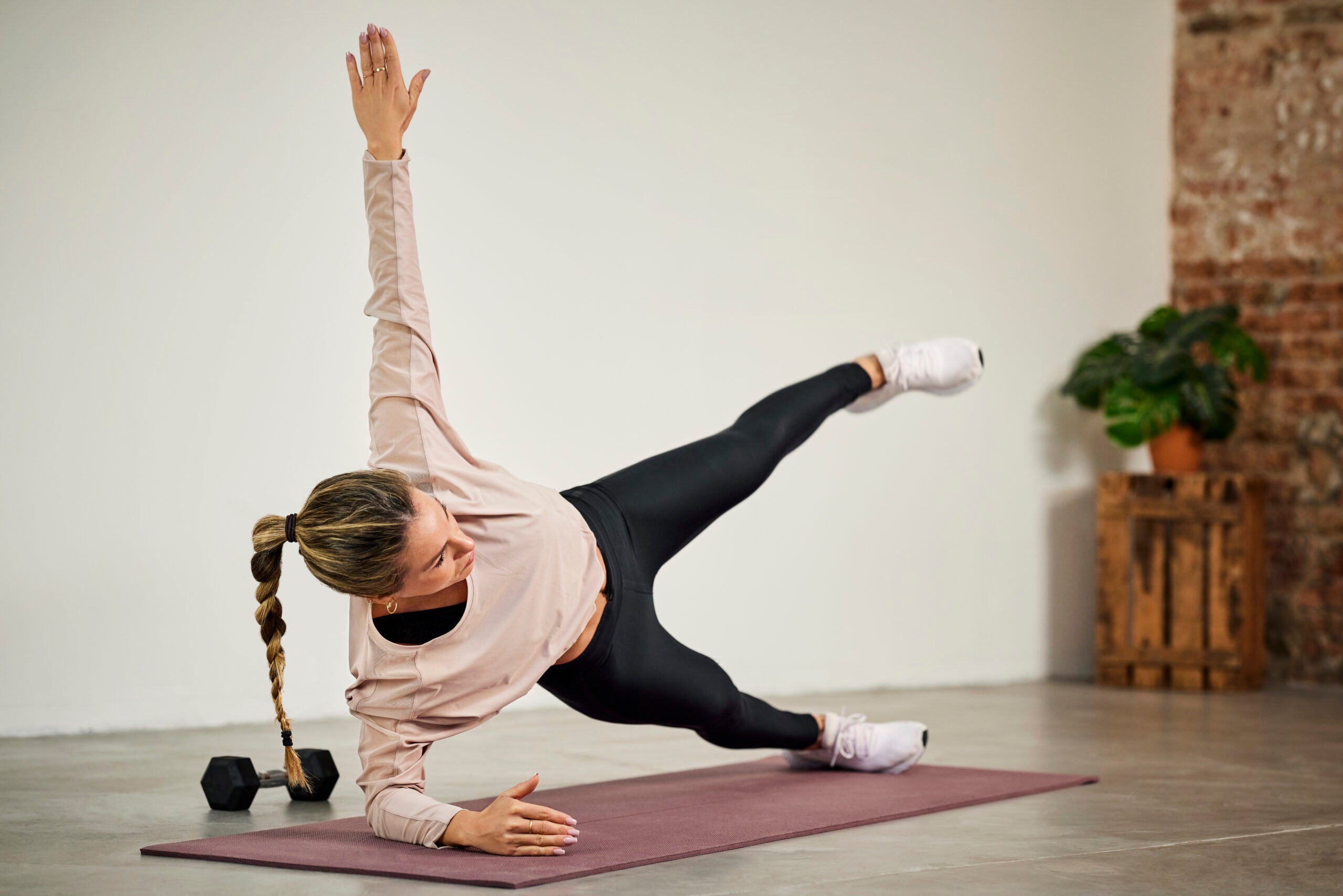
To bridge the gap between seasons, fitness experts have established a systematic approach to assessing baseline functional capacity and implementing targeted strength routines. By identifying physical asymmetries and muscle imbalances well before stepping onto the slopes, skiers can customize their conditioning programs to address specific vulnerabilities. Central to this diagnostic process is a deceptively simple yet highly revealing physical examination: the side plank strength test. Alongside a curated suite of compound and stabilizing movements—including lateral lunges, step-ups, gorilla rows, suitcase marches, and plank pull-throughs—athletes can construct a comprehensive off-season regimen designed to maximize stability, power, and longevity on the mountain.
The Physiology of Skiing: Why Year-Round Conditioning Matters
Alpine skiing is a complex, high-velocity sport that places immense biomechanical stress on the entire human body. Negotiating steep descents, carving through deep powder, and absorbing the repetitive impacts of moguls require a unique combination of strength, endurance, and proprioceptive control. Unlike linear sports such as running or cycling, skiing demands multi-planar movement, forcing the lower extremities, hips, and core to constantly adapt to shifting friction, varying snow densities, and gravitational forces.
Biomechanically, the lower back, obliques, hips, and knees bear the brunt of these demands. The quadriceps, hamstrings, and glutes act as primary shock absorbers, while the deep core muscles and spinal erectors stabilize the trunk against high-speed rotational forces. When individuals attempt to transition from a sedentary or semi-active off-season directly into aggressive winter skiing, their neuromuscular systems and supporting soft tissues are often unprepared for the workload.
According to sports orthopedists, the majority of ski-related injuries occur late in the day when muscle fatigue compromises form, or early in the season when conditioning is insufficient. Common acute injuries, such as tears of the anterior cruciate ligament (ACL) and medial collateral ligament (MCL), as well as chronic issues like patellofemoral pain syndrome and lower back strain, frequently trace back to foundational weaknesses in the core and hip stabilizers. By instituting a disciplined off-season training protocol, skiers can systematically enhance bone density, tendon resilience, and muscular endurance, ensuring their bodies are structurally fortified to withstand the rigors of the mountain environment.
Assessing Baseline Strength: The Side Plank Test
Before embarking on an intensive strength and conditioning program, athletes must first evaluate their current physical status. Traditional assessments often focus solely on maximal lifting capacity, but for winter sports, rotational stability and lateral endurance are far more predictive of performance and injury risk. The side plank test serves as an invaluable diagnostic tool for measuring the functional integrity of the hips, trunk, and core complex.
The obliques and deep hip abductors—particularly the gluteus medius—play a critical role in stabilizing the pelvis and femur during turns. Deficits in these muscle groups frequently lead to dynamic valgus, a condition where the knees collapse inward during loading, which exponentially increases the risk of knee and lower back injuries. The side plank test isolates these crucial stabilizer muscles, exposing hidden asymmetries between the left and right sides of the body.
Step-by-Step Protocol for the Side Plank Test
To perform the side plank test accurately, the individual begins by lying on their side with the forearm positioned flat on the floor, ensuring the elbow is directly beneath the shoulder joint. The legs are stacked neatly on top of each other with the feet flexed.
- Elevation: The individual lifts their hips off the floor, actively pushing them forward to align the body in a rigid, straight line from the crown of the head to the tips of the toes.
- Dynamic Challenge: While maintaining this stable lateral bridge, the top foot is flexed and lifted upward to approximately hip height, held in place for a single second, and then slowly lowered back to the resting leg.
- Completion and Thresholds: The test is terminated immediately if the supporting shoulder collapses, the hips begin to sag toward the floor, or the body loses its stacked alignment.
Normative data compiled from conditioning specialists indicates that a well-conditioned skier should comfortably complete at least five controlled lifts per side without a breakdown in form. The ultimate training objective for this diagnostic movement is to achieve 10 to 15 pristine repetitions on each leg, signifying robust lateral trunk and hip endurance capable of withstanding prolonged runs on challenging terrain.
Five Essential Off-Season Exercises for Skiers
Once baseline strengths and weaknesses have been established through diagnostic testing, athletes can integrate five specialized movements into their weekly conditioning schedule. These exercises have been selected by fitness professionals for their direct biomechanical translation to alpine skiing, emphasizing single-leg stability, lateral force production, core anti-rotation, and posterior chain resilience.
1. Lateral Lunges
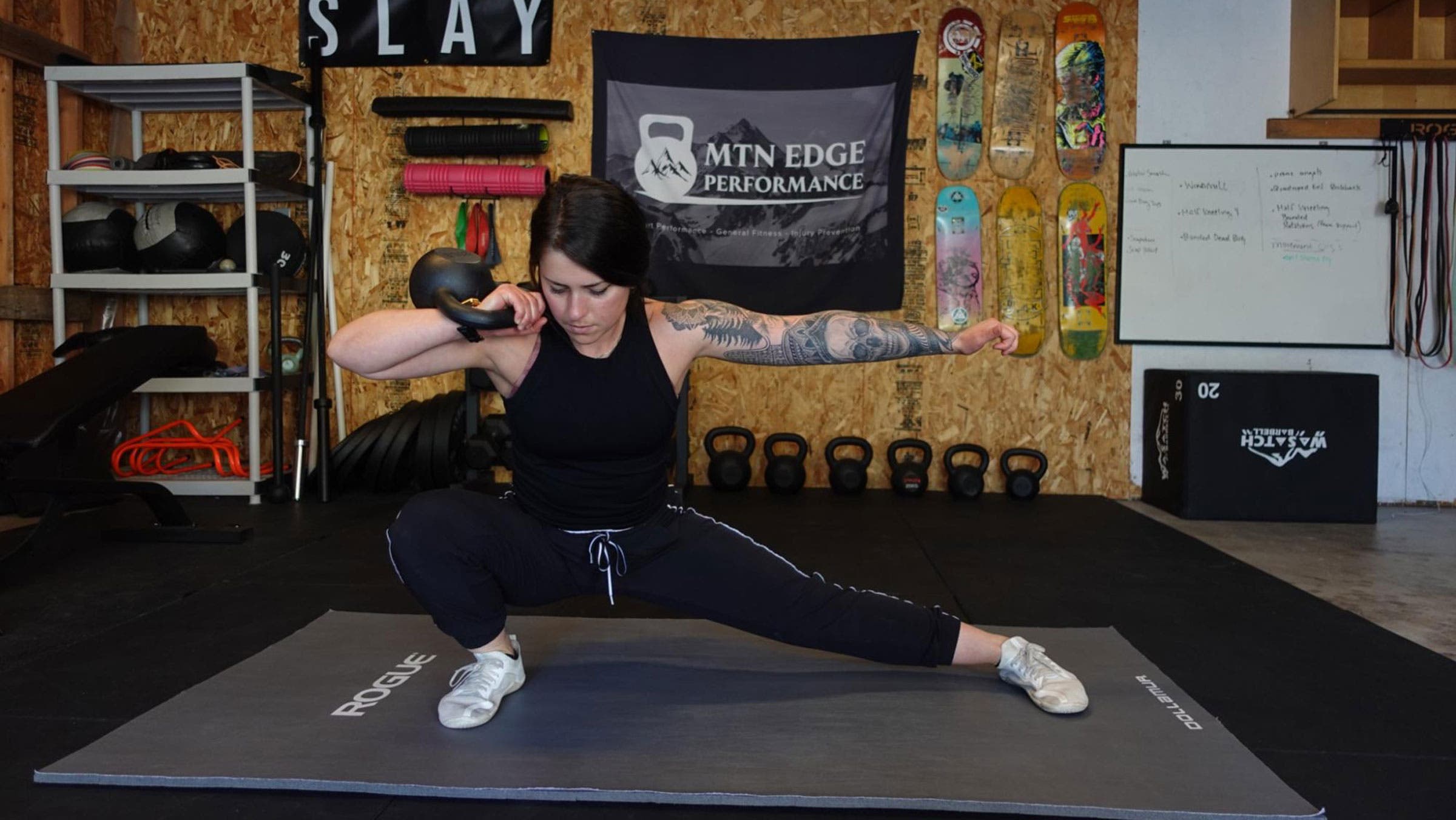
While standard forward and reverse lunges are staples of traditional lower-body routines, skiing is fundamentally a lateral and rotational sport. Lateral lunges build exceptional strength in the adductors, abductors, and gluteal complex, providing the foundational power required to edge skis effectively and maintain control across variable snowpack.
- Execution: Stand tall with feet hip-width apart. Take a wide step out to the right side, immediately hinging at the hip and bending the right knee while keeping the left leg relatively straight. Push your hips back as if sitting into an invisible chair, keeping your chest chest up and core braced. Drive powerfully through the right heel to return to the starting position.
- Programming and Progression: Perform eight to 12 repetitions per leg, either alternating sides or completing all repetitions on one leg before switching. To increase the intensity, intermediate exercisers can hold a single dumbbell or kettlebell at the chest in a goblet position. Advanced practitioners can utilize a kettlebell in a front rack position to further challenge core stability.
2. Step-Ups
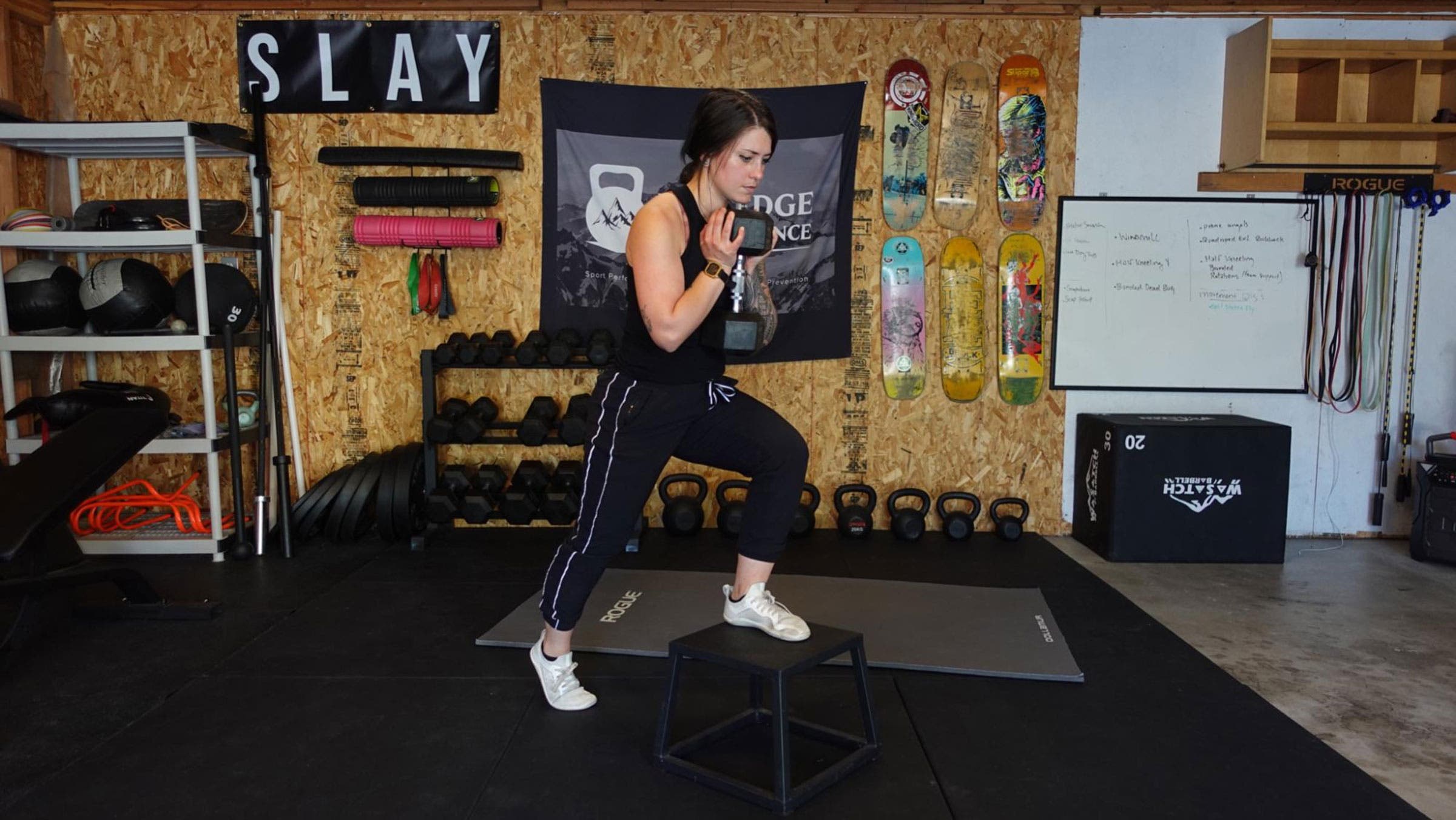
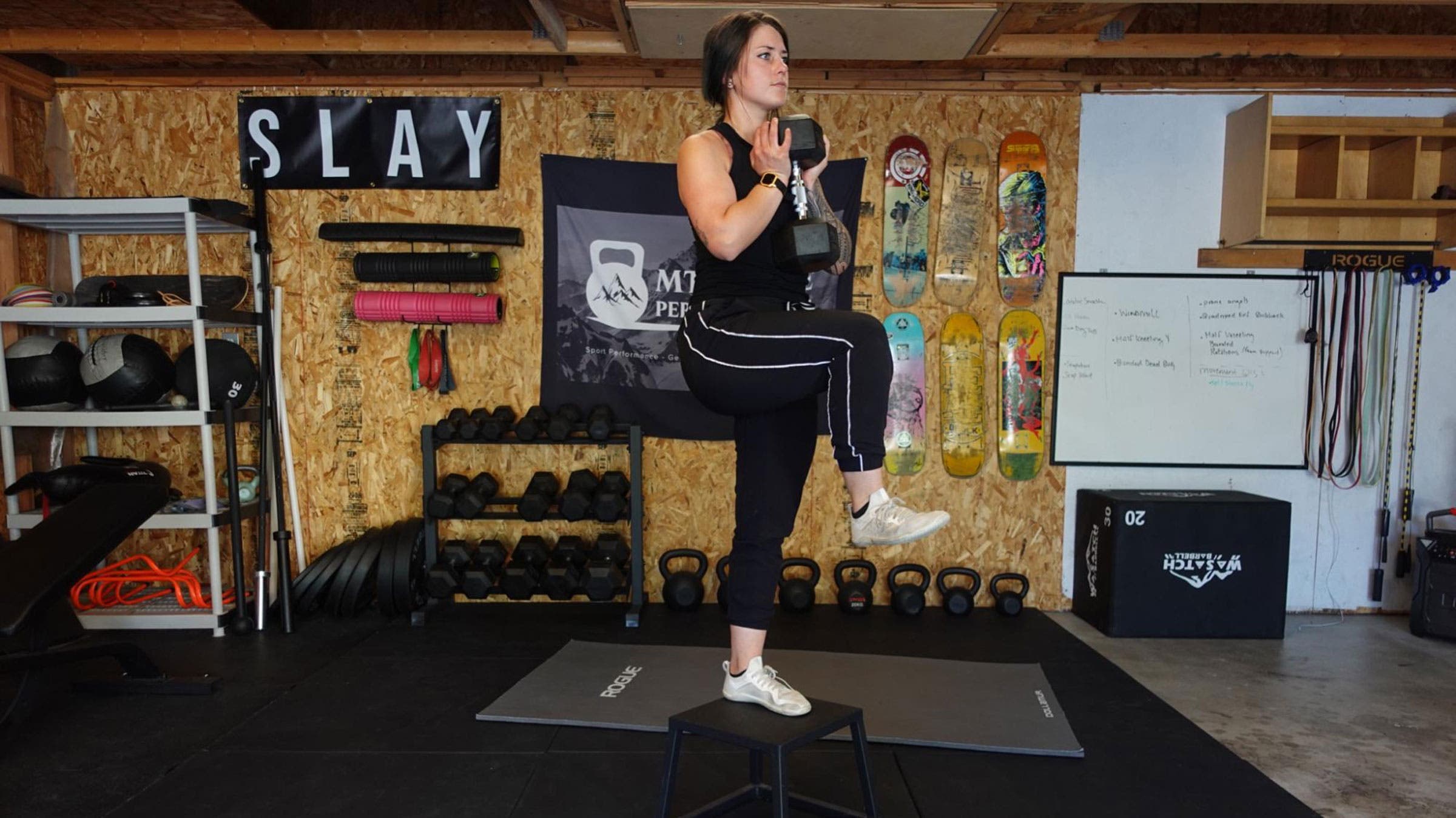
Step-ups are a premier closed-chain exercise that directly targets the quadriceps, hamstrings, and glutes while aggressively training single-leg stability. By eliminating bilateral imbalances—where one dominant leg compensates for a weaker one—step-ups help build explosive power for turning and navigating mogul fields.
- Execution: Stand facing a sturdy box, bench, or plyometric step adjusted to approximately shin or knee height. Place your entire right foot firmly onto the surface of the box. Pressing through the midfoot of the working leg, drive your body upward until your right leg is fully extended and your left leg is lifted. Slowly and with maximum control, reverse the movement to return to the floor.
- Programming and Progression: Complete eight to 12 repetitions on the right leg before transitioning to the left. To advance the movement and simulate the added weight of ski gear and backpacks, hold a heavy dumbbell or kettlebell securely at your chest throughout the entire set.
3. Gorilla Rows
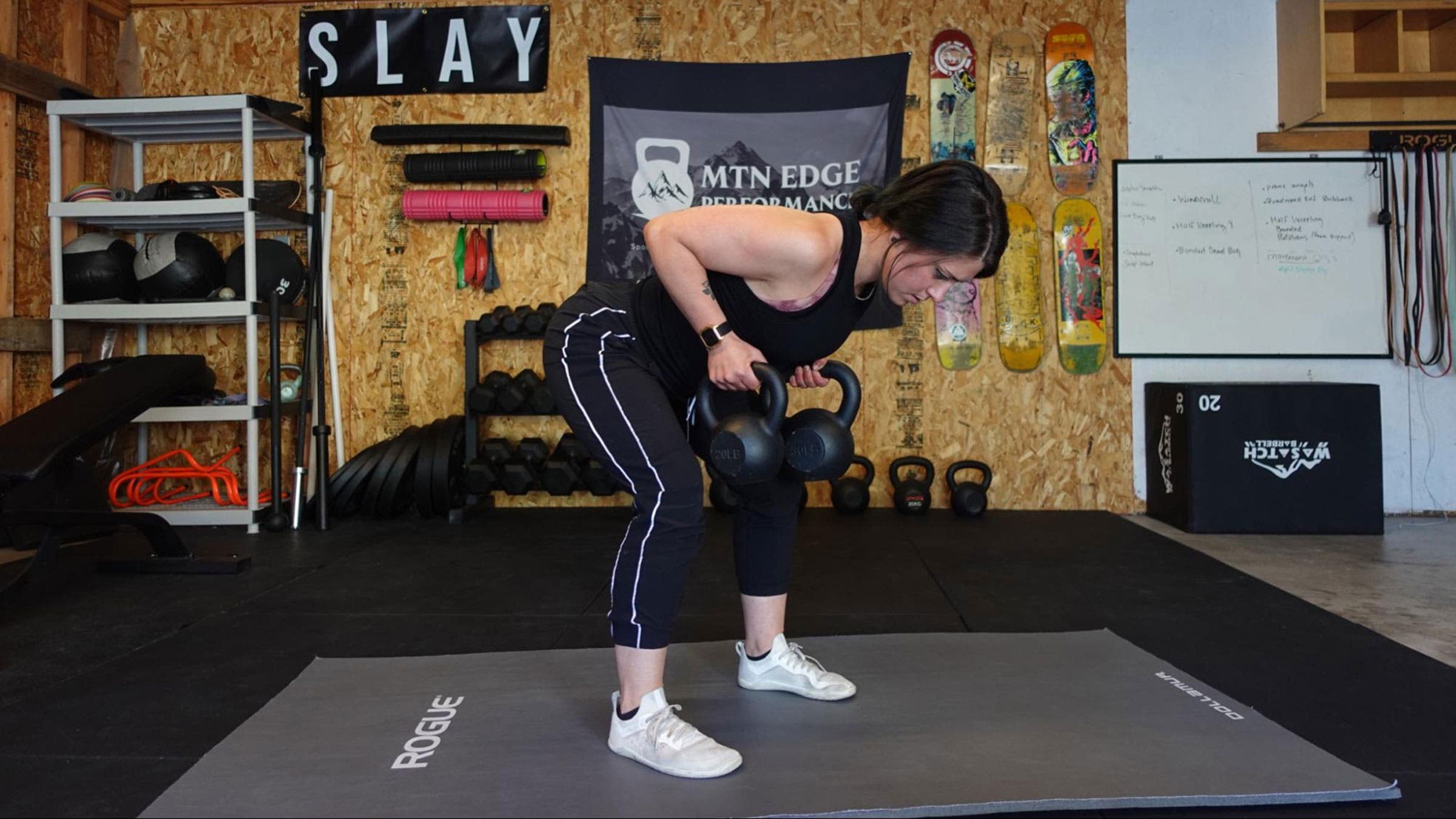
While lower-body strength is vital, the upper body and core must work in tandem to absorb high-frequency impacts and maintain an aggressive athletic stance. The gorilla row is an advanced compound movement that targets the lower back, core, lats, and erector spinae. The deep spinal erectors are particularly critical for absorbing the kinetic shock associated with charging downhill or landing aggressively from drops and jumps.
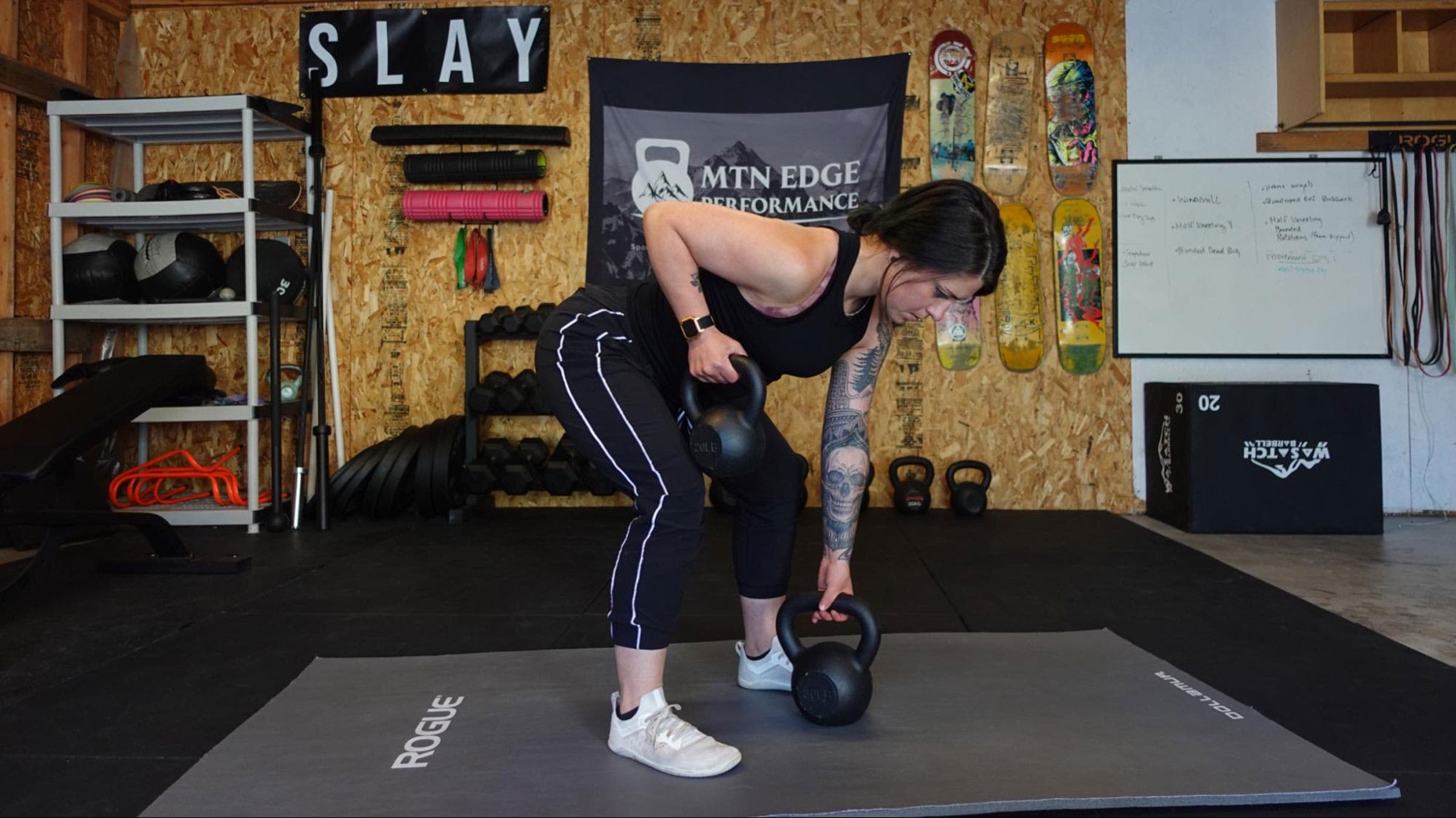
- Execution: Place two kettlebells on the floor between your feet. Hinge deeply at the hips with a flat back, maintaining a wide stance, and grip the handles of the kettlebells. Engage your core and keep your spine neutral. Row one kettlebell toward your ribcage while stabilizing your torso against rotation with the opposite arm. Lower the weight back to the floor with control and repeat on the opposite side.
- Programming and Progression: Athletes can choose to alternate pulling the kettlebells or row both simultaneously for a heightened cardiovascular and core stability challenge. Aim for eight to 12 controlled repetitions per side.
4. Suitcase March
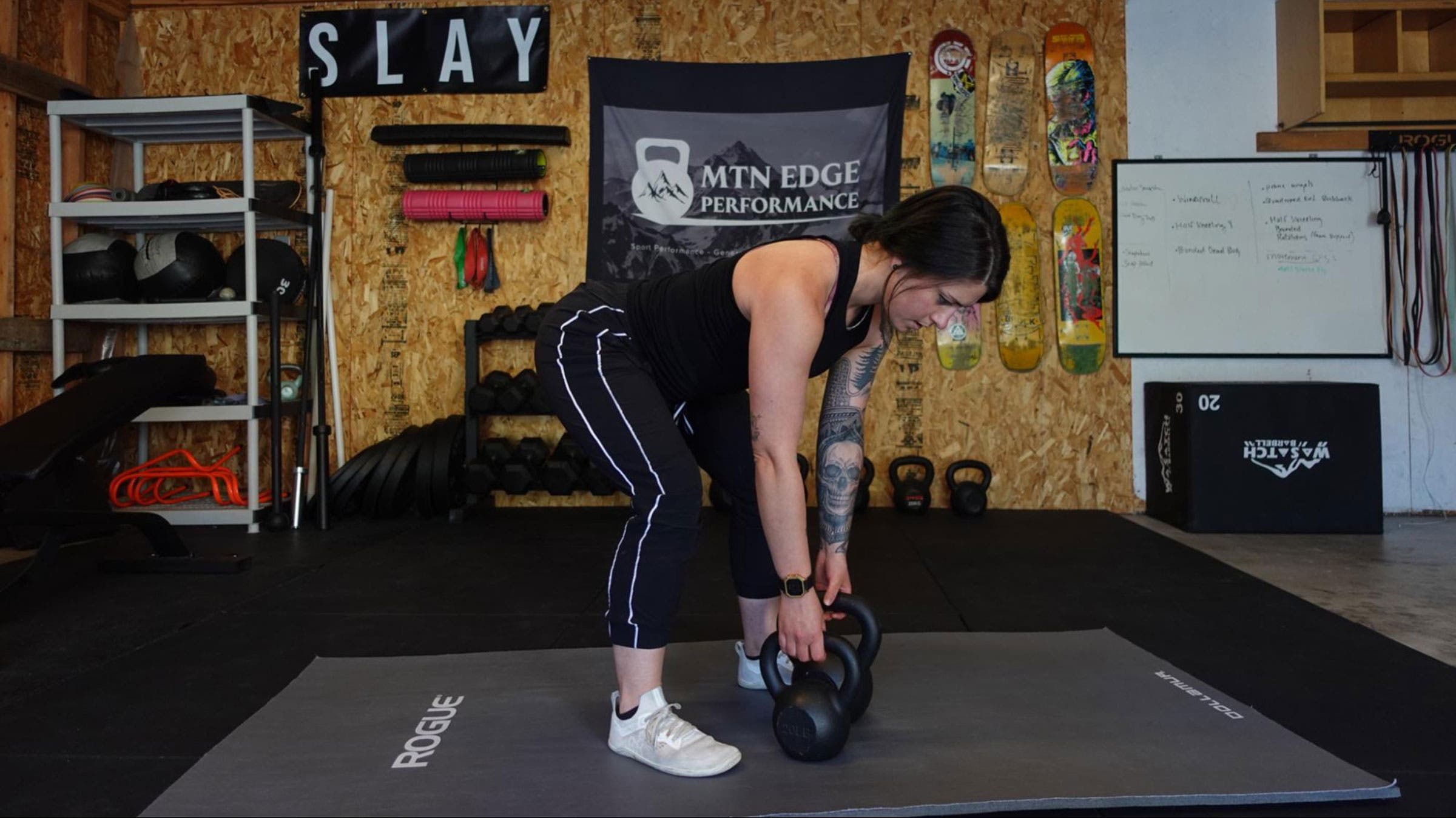
Dynamic balance on skis requires exceptional core anti-lateral flexion—the ability of the torso to resist bending sideways when subjected to asymmetrical loads. The suitcase march trains the deep stabilizer muscles of the core, enabling skiers to carve aggressively and transition smoothly from edge to edge without experiencing lower back discomfort.
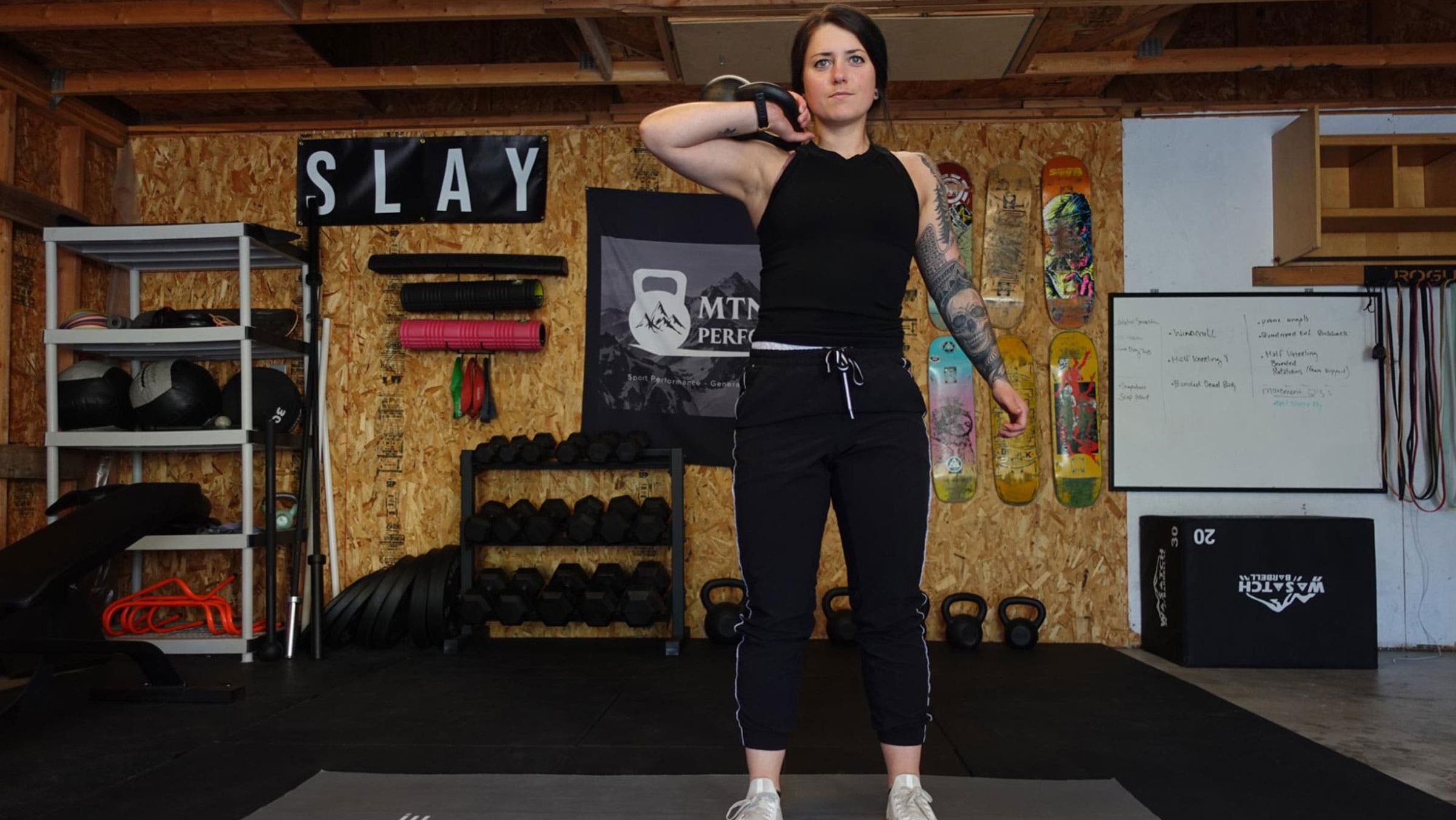
- Execution: Stand tall holding a medium to heavy dumbbell or kettlebell in one hand, mimicking the grip of carrying a suitcase. Keeping your shoulders level and your torso completely upright—resisting any tendency to lean away from the weight—begin marching in place, lifting your knees to hip height with a deliberate, slow cadence.
- Programming and Progression: Maintain a tight core and upright posture throughout the movement. Complete two to four working sets, lasting between 30 and 60 seconds per side, before switching the weight to the opposite hand.
5. Plank Pull-Throughs
Core stability under fatigue is the ultimate safeguard against ski injuries. Plank pull-throughs elevate the traditional isometric plank by introducing dynamic upper-body movement while the core is forced to maintain rigid anti-rotation and anti-extension control.
- Execution: Assume a high plank position with your hands stacked directly beneath your shoulders and your feet slightly wider than hip-width apart for a stable base of support. Place a single medium or heavy dumbbell on the floor just outside your left hand. Reach underneath your body with your right hand, grab the handle of the dumbbell, and drag it across the floor to the outside of your right hand. Place your right hand back on the floor, then reach with your left hand to pull the dumbbell back to its original position.
- Programming and Progression: Focus on keeping your hips completely level and parallel to the ground throughout the weight transfer, minimizing any side-to-side hip rotation. Complete two to four working sets lasting 30 to 50 seconds.
Broader Impact and Implications for Long-Term Athletic Longevity
The adoption of structured off-season conditioning programs represents a vital cultural shift within the snow sports community. Historically, skiing was often approached as a purely seasonal activity, with participants accepting soreness, fatigue, and a high risk of injury as unavoidable byproducts of winter recreation. However, as sports science and kinesiology continue to advance, the recreational and competitive sectors are recognizing that physical preparation is the cornerstone of sustainable athletic longevity.
By investing time during the spring and summer months into targeted strength assessments and functional training regimens, skiers protect their joint health, enhance their neuromuscular efficiency, and dramatically improve their on-mountain performance. Whether navigating steep couloirs, carving pristine groomers, or enjoying relaxed afternoon cruisers, individuals who maintain their "ski shape" year-round unlock a higher level of confidence, control, and enjoyment. Ultimately, bridging the gap between seasons ensures that when the winter lifts finally start turning, the body is ready to meet the mountain at its absolute strongest.

